Academia
A successful village-first economic agenda requires transforming raw internet access into real opportunity before millions of disengaged young Indonesians are left behind.
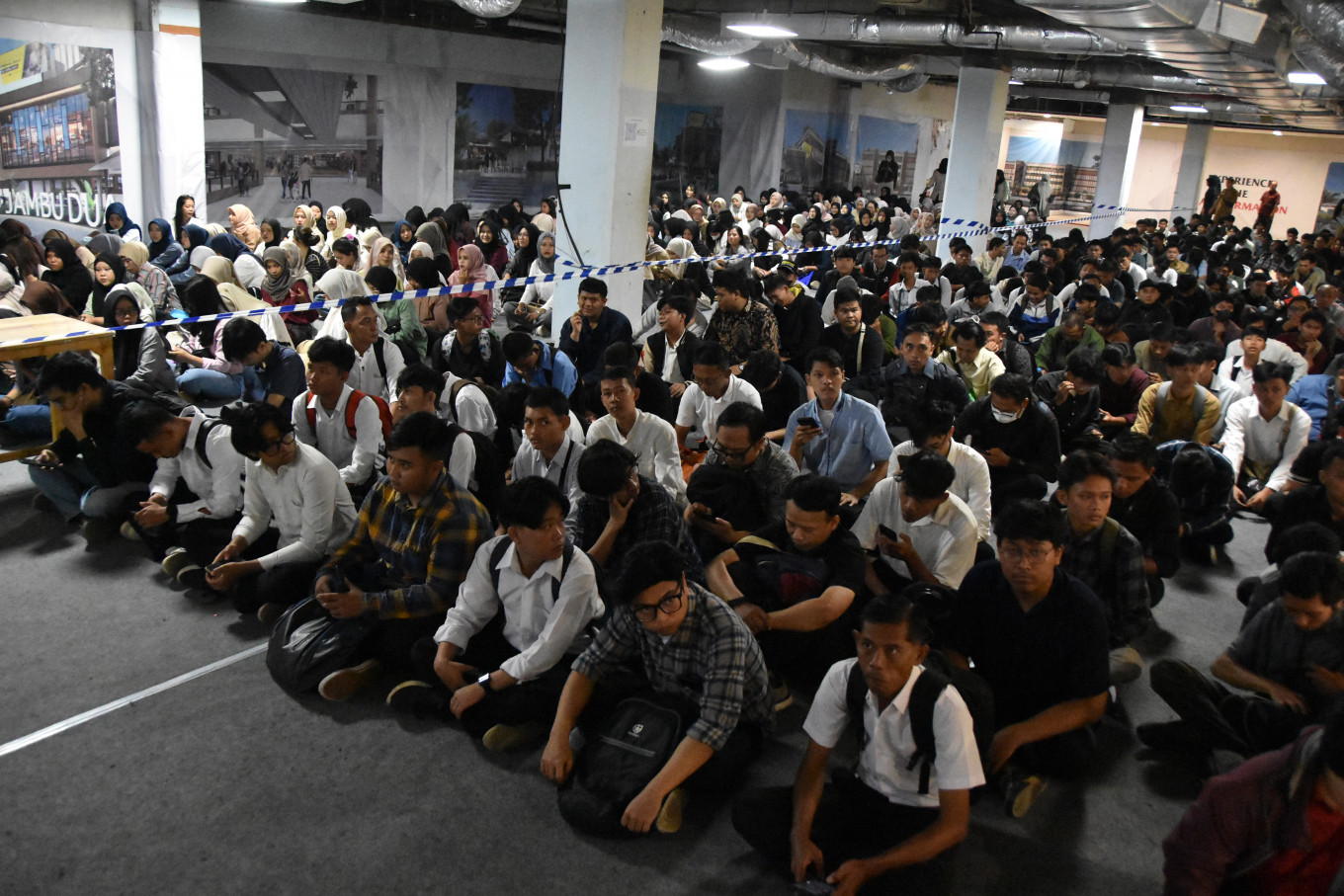
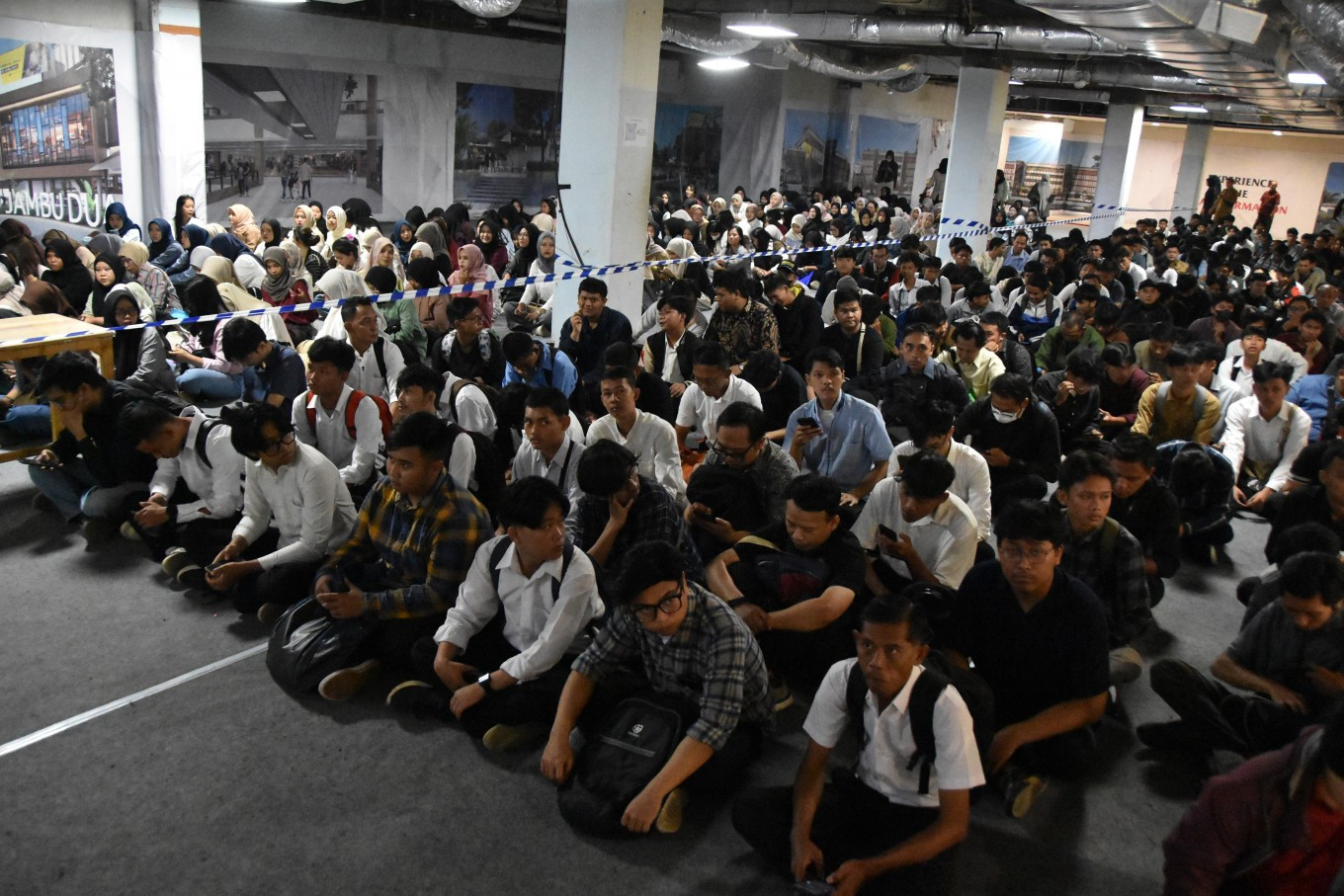
Job seekers wait in line during the opening of the 2026 Bogor Job Fair at Plaza Jambu Dua in Bogor, West Java, Indonesia, on June 8, 2026. (Antara/Arif Firmansyah)
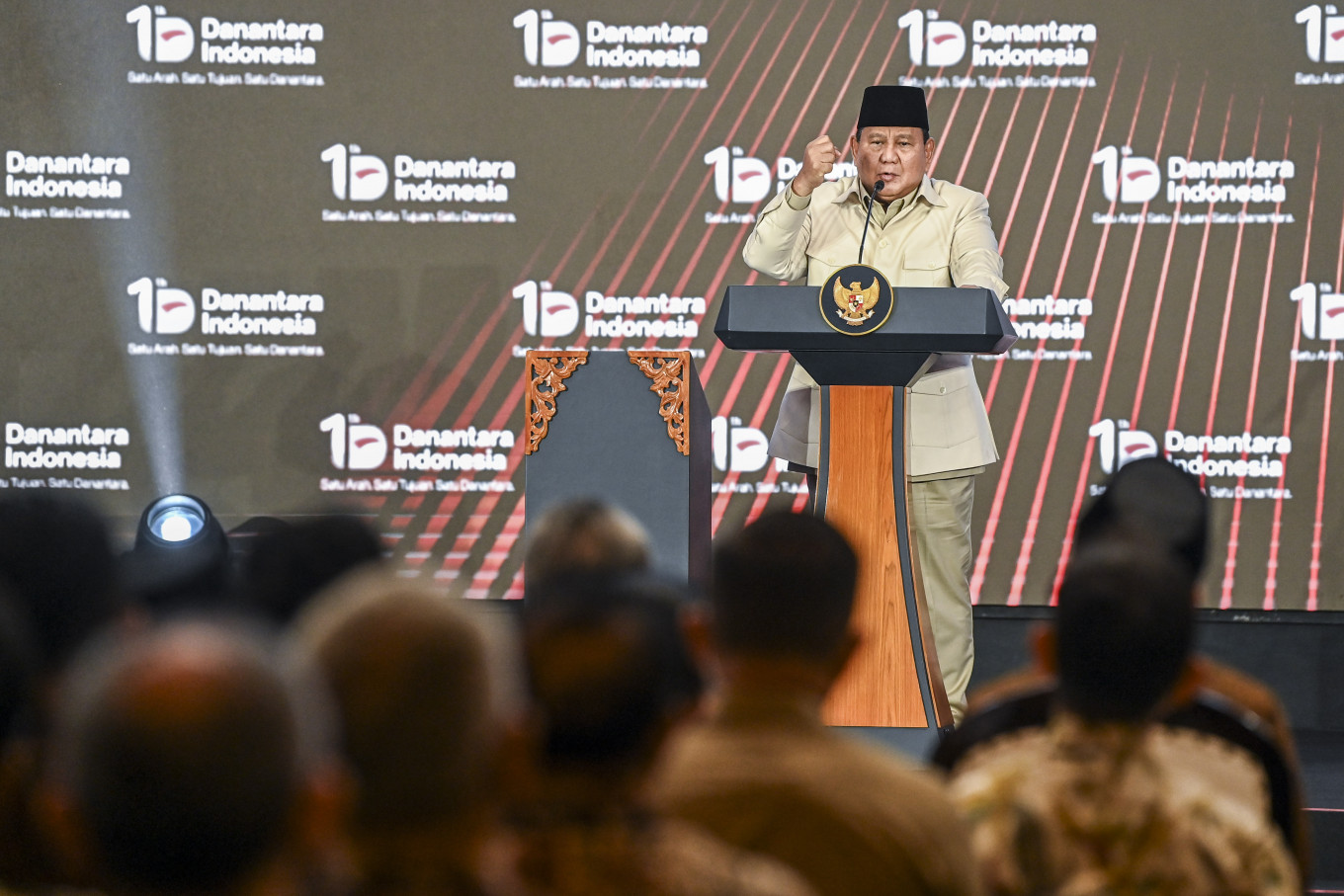
The Independence Day on Aug. 17 was observed much as it always is. People took to the streets for parades, public officials attended ceremonies in traditional attire. The commemoration culminated in the time-honored spectacle at the Merdeka Palace led by the sharp choreography of the Paskibraka flag raising squad.Beyond the fanfare, President Prabowo Subianto’s Aug. 16 state address delivered a far more consequential signal about where the country is headed, at least in the near future. Prabowo framed young Indonesians not merely as job seekers, but as homegrown entrepreneurs “building businesses within their own communities” alongside farmers, fishers, traders and artisans.
The underlying message was clear: Economic opportunity should not force youth to abandon their hometowns for big cities. With better infrastructure and local institutions, villages themselves can become engines of value creation, a vision grounded in the hard-learned lessons of the 1998 Asian financial crisis, when grassroots enterprises kept the economy afloat while corporate giants faltered.