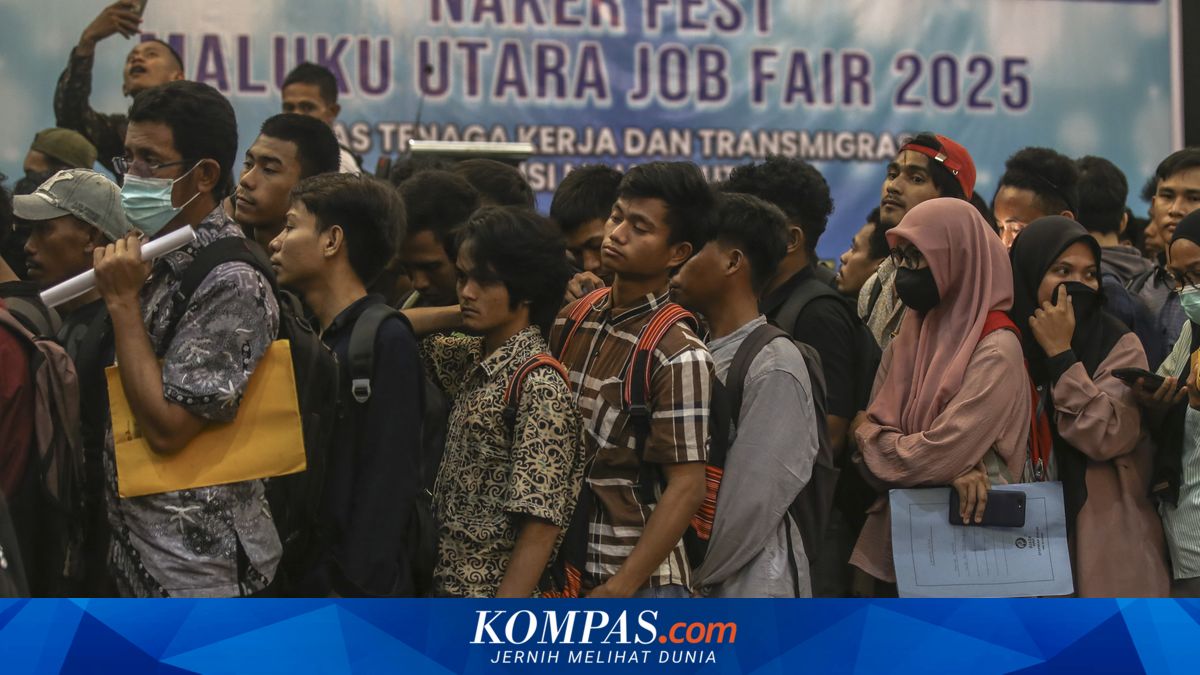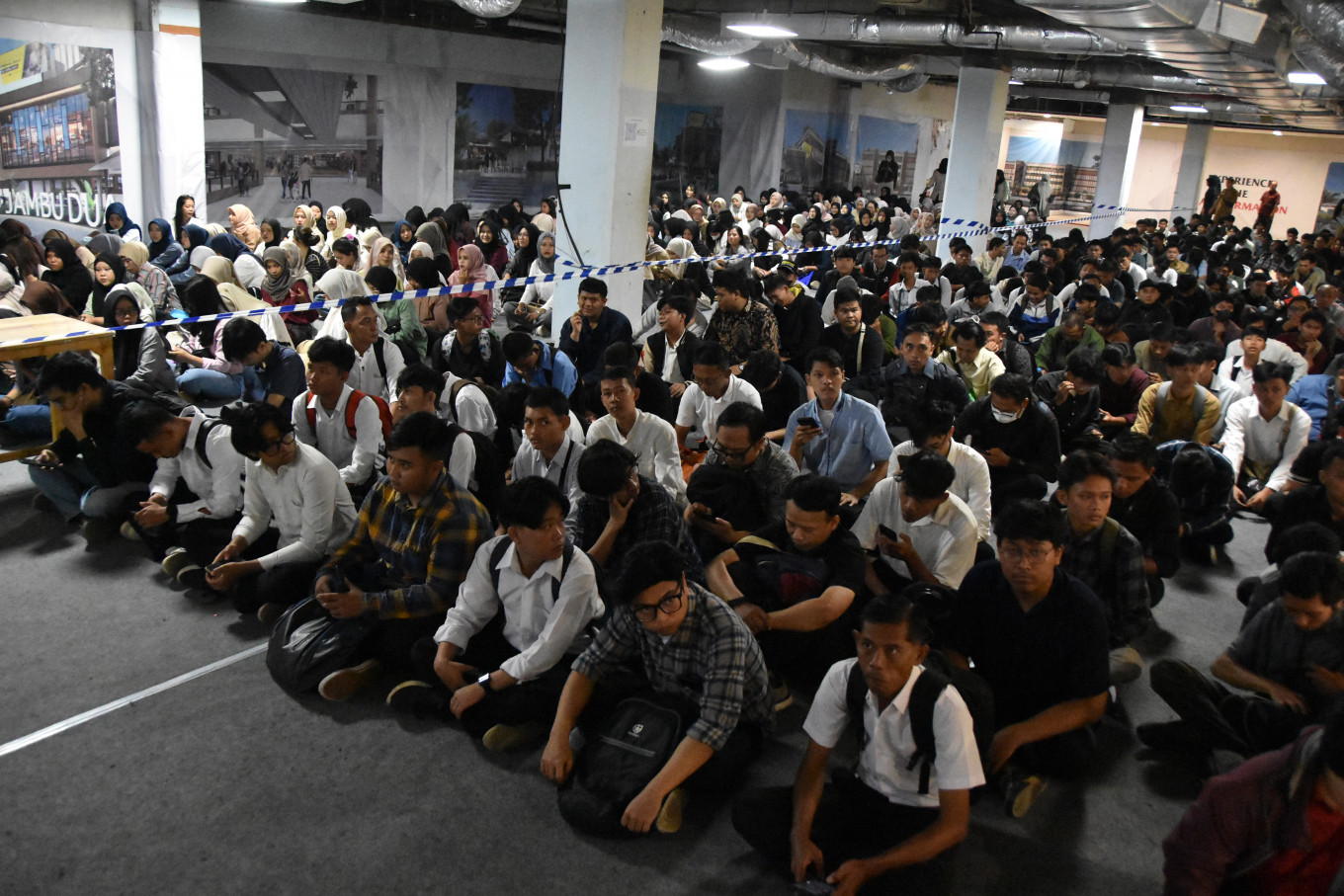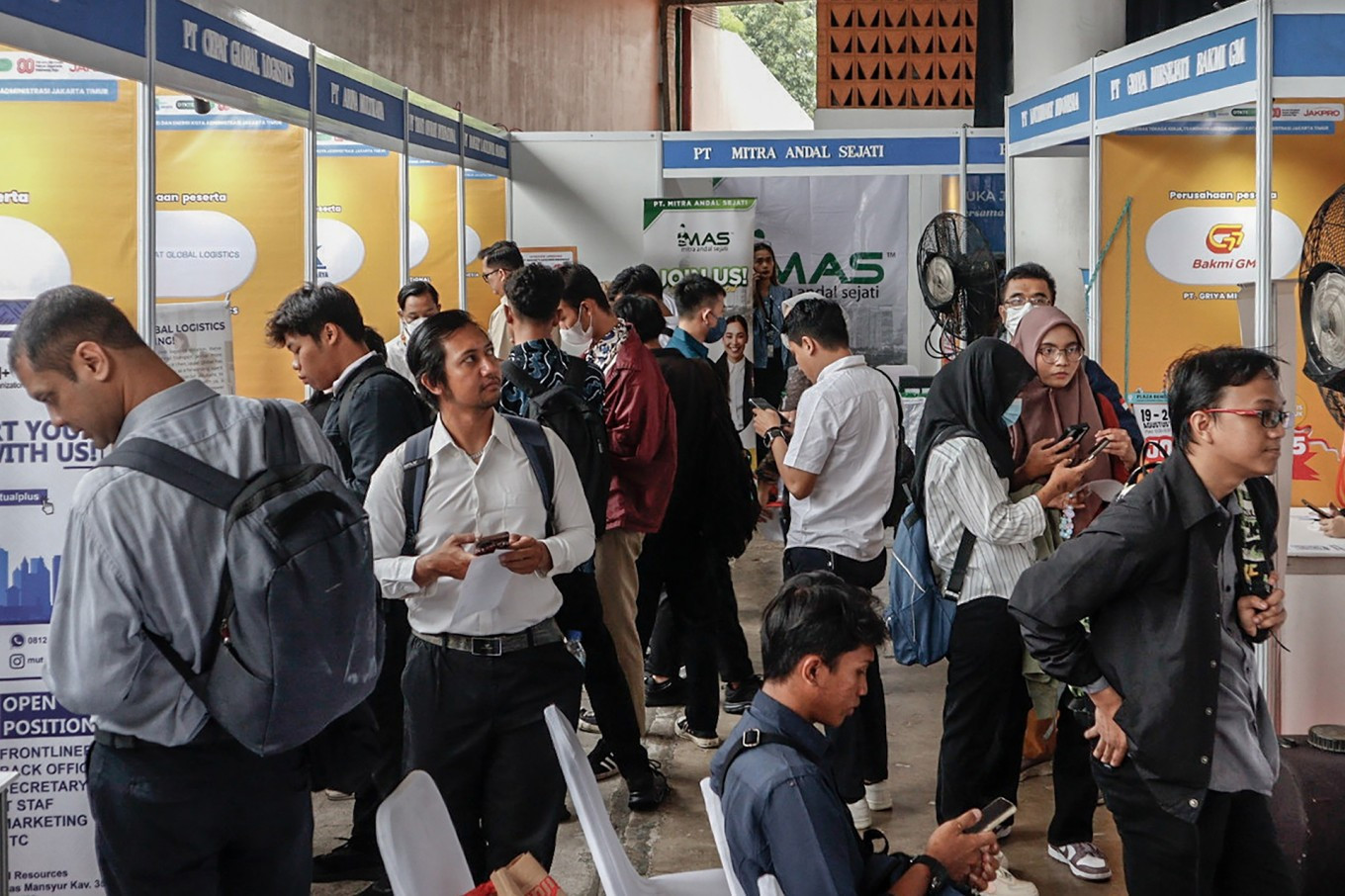
For years, successive governments have touted the country’s demographic bonus, a golden window where the working age population outnumbers the nonproductive population, as the definitive ticket to achieving high-income status by 2045. However, without a sufficient number of high-quality jobs for young people, this demographic windfall risks rapidly devolving into a national burden.The structural cracks are already showing. The October 2025 edition of the World Bank's East Asia and Pacific Economic Update highlighted Indonesia’s youth unemployment rate of 17.3 percent: among the highest in Asia that trails only India.
Recent data from Statistics Indonesia (BPS) paint an equally troubling picture: The unemployment rate among Indonesians aged 15-24 has crept up to 16.36 percent from 16.16 percent a year ago.
Even those fortunate enough to find jobs face a precarious reality: only 40.58 percent is in the formal sector. The vast majority remain trapped in informal employment characterized by unsteady incomes, zero safety nets and nonexistent career pathways.
If this trend hardens, youth unemployment will leave deep, permanent scars on the economy. A jobless youth is not merely a missing worker but also a missing taxpayer, a delayed homeowner, a postponed parent and an untapped potential contributor to the national pension system.