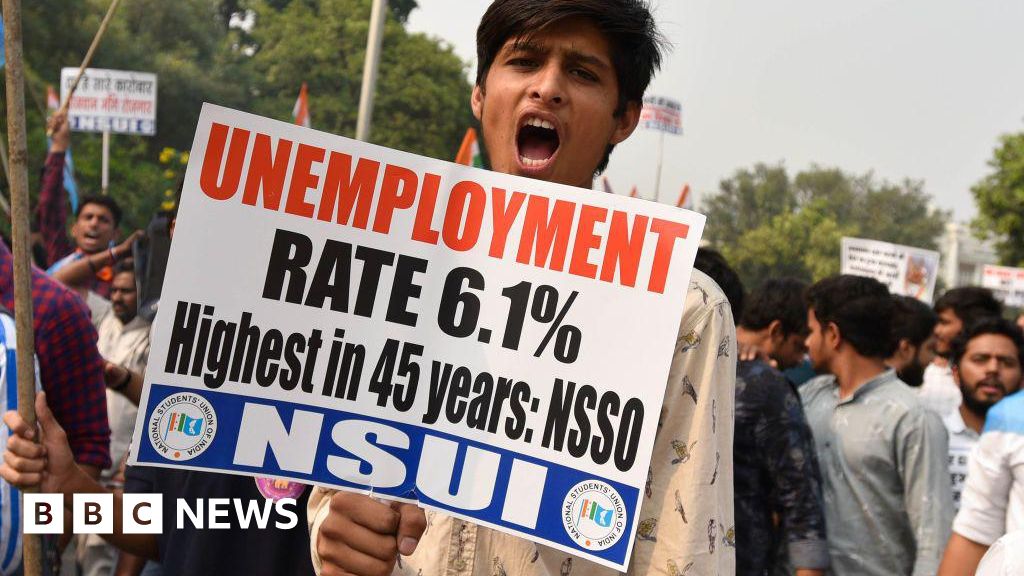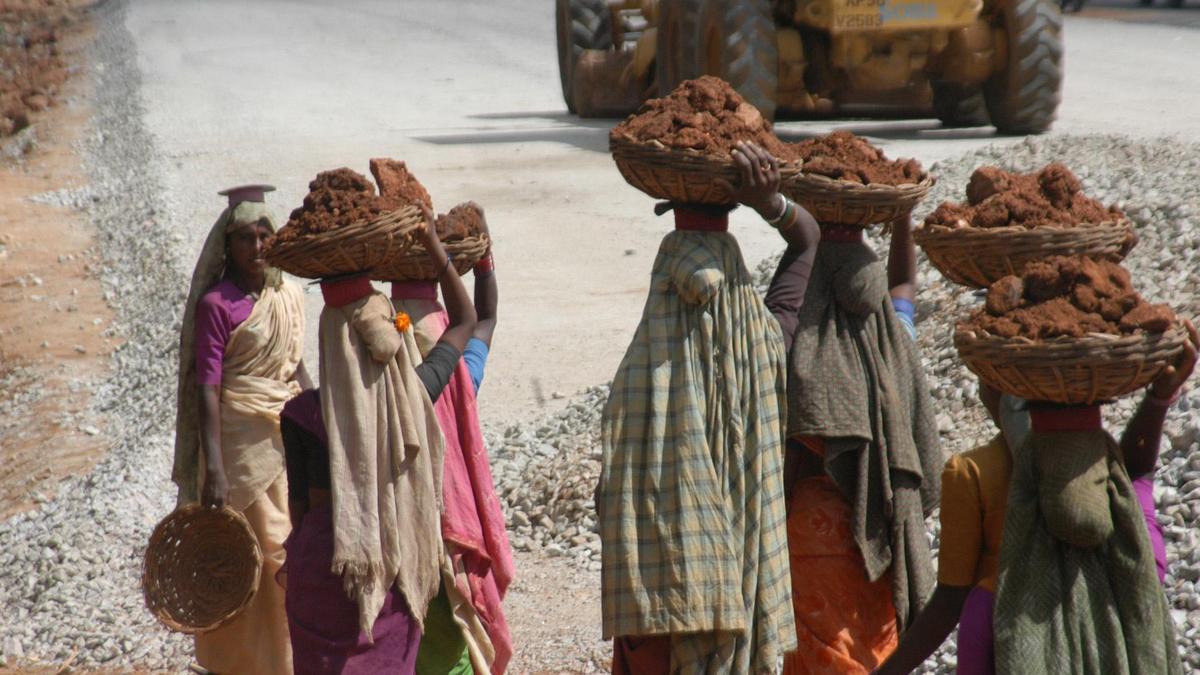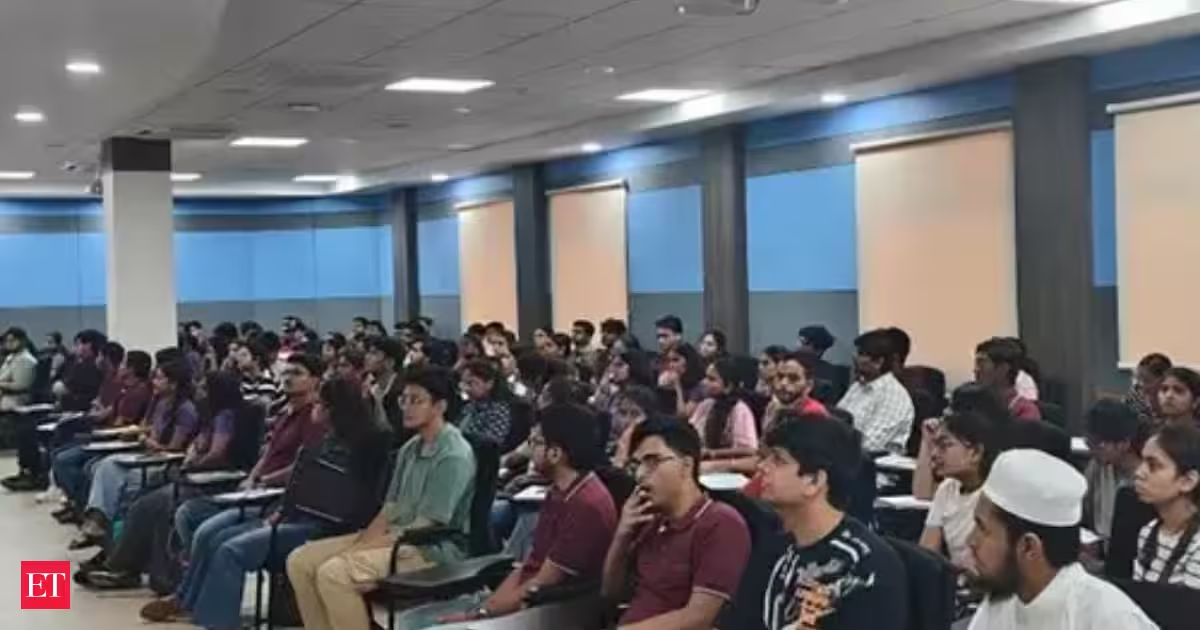
India has the world's largest youth population. 367 million people, almost a third of our working-age population, are between the ages of 15 and 29, of whom 263 million are not in education and are ready to work. India is investing in the education of its young population more than ever, yet many are engaging in work that does not match their skills or ambitions. This is the quiet reality of underemployment. It presents a major problem, contributing to low confidence, stagnant wage growth, and lower productivity, thereby limiting the full realisation of our demographic dividend.Graduate (Getty Images/iStockphoto)The average age of an Indian is 28, younger than China, younger than the West, and just right to sustain economic growth for at least another five years before the proportion of working-age Indians starts to fall after 2030. This should have been our moment. A demographic dividend that economists have been discussing for years. Progress is evident on the education front. Higher education enrolments have grown dramatically over the past 40 years, especially for women. Gross tertiary enrolment is now around 28%, broadly in line with countries with similar per capita incomes. The young people in India have never been better educated and connected. But, as Azim Premji University's State of Working India 2026 report states, this growth has not been matched by a smooth integration into meaningful employment.Every year, India produces around five million graduates. However, on average, only 2.8 million found employment from 2004-05 to 2023. This means that, of the 63 million graduates between 20 and 29 years old in 2023, about 11 million were unemployed.We are producing about five graduates for every two jobs that match their education level. The rest are either out of work, underemployed, or working in the informal sector where their degrees are not relevant.These patterns point to a structural disconnect. The traditional reliance on degrees as the primary signal of readiness to work is increasingly misaligned with the needs of fast-growing industries like skills, flexibility, problem-solving, and specific domain knowledge. Young people are entering a job market where expectations are growing, but opportunities remain stagnant, and well-paid employment, especially salaried positions, remains limited. Many queues for better opportunities, prepare for competitive exams, or accept informal or lower-productivity work while waiting.Why does this gap exist? The structural mismatch between what universities teach and what industries need has never been wider. Enrolments have grown dramatically, from 1,644 institutions in the early 1990s to almost 70,000 today, with private institutions driving most of this growth. Gender gaps have narrowed, and access has widened, driven by the inclusion of more disadvantaged backgrounds. The Indian middle-class dream for decades was simple. A degree guarantees a stable, secure job that enables upward mobility. That promise is now cracking. We are witnessing a credential inflation, where a degree no longer confirms capability, but only participation. We have an entire generation preparing for government exams, taking up informal gigs, or working in family businesses well below their potential. Nearly 41% of young male job seekers in one study did not find meaningful employment even after three years of searching. To close this gap, collaboration and a forward-thinking approach are needed. Educators cannot operate in isolation from the market. We must develop curricula in real-time using market data. What are the emerging skills? What jobs will be replaced by AI? What new jobs are being created?Let us look at the global technology revolution. As AI continues to impact entry-level white-collar jobs in business services and computing, the types of jobs available to graduates will continue to evolve. We need to equip students with the skills they will need for the jobs of today and the tasks of tomorrow. That means making job readiness a core part of the higher education system, shifting from degree to competency-based milestones.Policymakers, too, have an important role. We need incentives for employers that invest in earn while you learn programmes, apprenticeships, and internal testing. We need to create a formal economy that values productivity and rewards performance.The silent crisis of underemployment demands a loud response. It demands that employers stop requiring five years of experience for junior positions and look for real talent. It demands that colleges teach more current skills and industry-oriented courses. And it demands that policymakers treat employability and assessment infrastructure as a national priority.India has a choice to make. We can keep churning out millions of graduates into a void, and miss out on the opportunity to capitalise on our demographic dividend while China and the West age. Or we can choose to build strong links between education and employment through smarter assessments, skill-based hiring, and collaboration. The talent is there. The aspiration is there. It is time we built the systems to match them. (The views expressed are personal)This article is authored by Dibya Ranjan Mahapatra, CEO, Eduquity Career Technologies.
Realise demographic dividend through better graduate outcomes
This article is authored by Dibya Ranjan Mahapatra, CEO, Eduquity Career Technologies.
808 words~4 min read