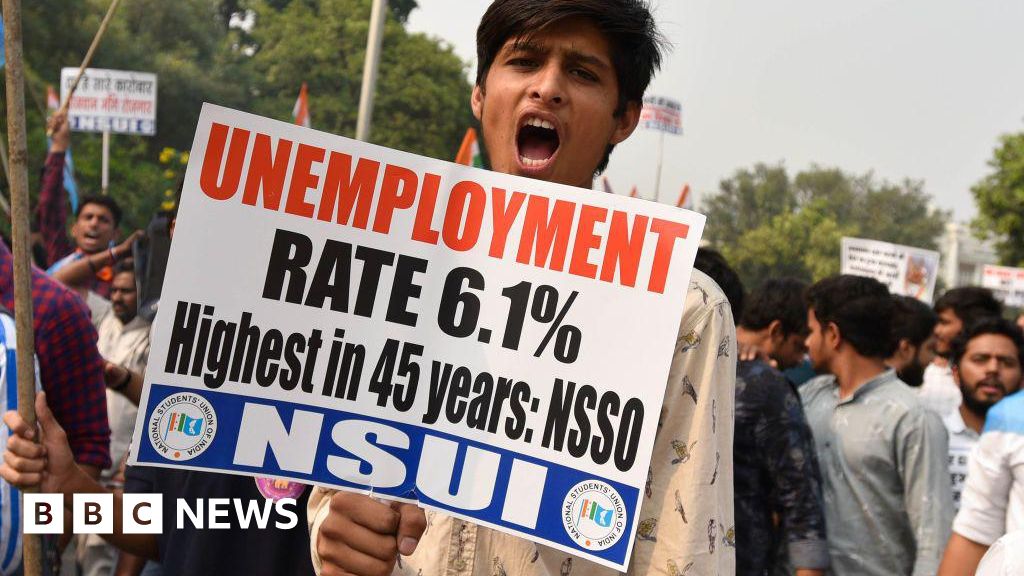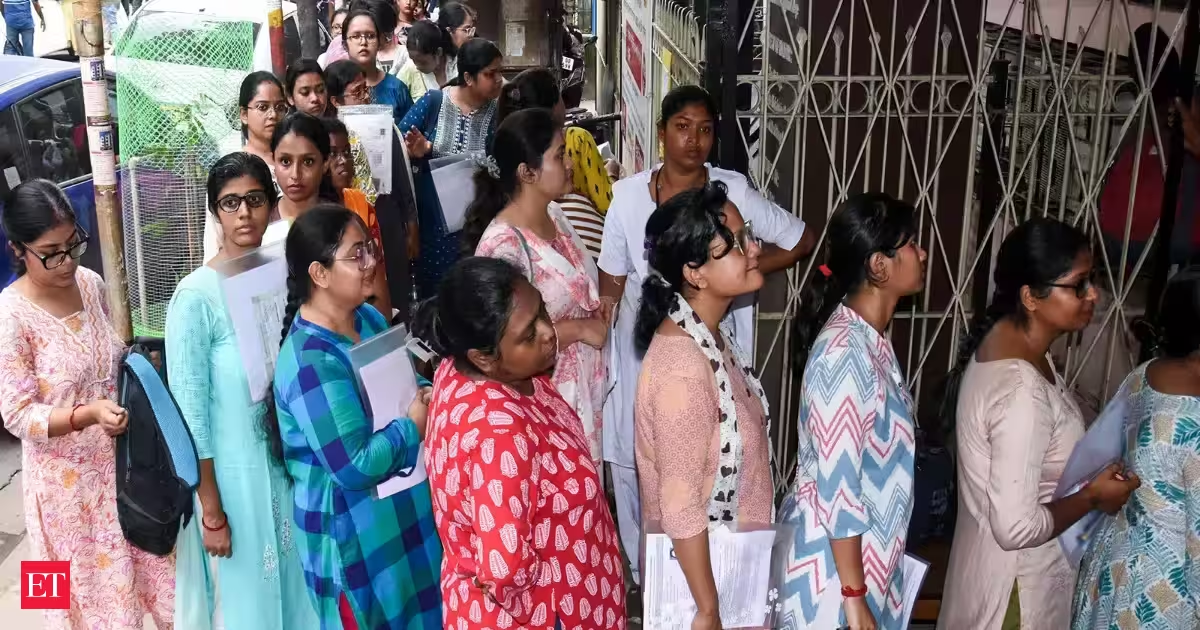
Every year, about 7-10 million young Indians enter the labour market. They are better educated than any generation before them — the average years of formal schooling for those aged 15 and above has reached 10 years nationally — and with hopes and expectations to match. This raises key questions: Can India’s economy productively absorb the current generation of new workers, including youth and women? Under what conditions? And how can India ensure that its demographic potential translates into meaningful employment and economic growth?The recently released Periodic Labour Force Survey (PLFS) 2025 report offers some key insights. It points to measurable progress across several dimensions, while also underlining some challenges that must be addressed to fully leverage India’s demographic dividend.Encouraging trends in employmentThe Labour Force Participation Rate stands at 59%, the Workforce Participation Rate at 57%, and the unemployment rate at 3%. These are robust headline indicators. Youth unemployment has declined since 2024, with gains for rural and urban youth. Monthly PLFS bulletins through 2025 also point to improving trends in women’s participation. Female LFPR in rural areas rose across successive months through September 2025, reaching its highest level since May. These trends show a sustained and directional improvement across multiple survey rounds.The quality of employment has also improved. The share of regular wage and salaried employment increased from 22% to 24%, with gains recorded for both men and women. Correspondingly, the share of self-employment declined from 58% to 56%. Since formal salaried employment is associated with higher earnings and access to social protection, such as paid leave, this shift in the nature of employment is among the more important signals in the 2025 data.Wage trends reinforce this pattern, particularly for women. In regular salaried employment, female earnings grew by 7%, compared to 6% for men. In self-employment, female earnings rose by 9% against 8% for men, while in casual labour, women’s wages increased by 5%, even as male wages largely remained unchanged.At the same time, there remains scope to further narrow gender gaps in absolute earnings. Analysis of the data indicates that women earn about 76% of male wages in salaried work, around 69% in casual labour, and just 36% in self-employment. While disparities remain substantial, the shift towards salaried employment is beginning to offer more tangible economic gains for women.Structural transformation is also creating better employment opportunities. Agriculture’s share of employment has declined to 43%, while manufacturing and services have grown to around 12% and 13%, respectively. Young people, particularly young women, are increasingly entering manufacturing and service sectors. Caste- and gender-based occupational segregation among younger cohorts is measurably lower than among older ones, reflecting the cumulative effects of expanded access to education and rising social mobility now beginning to translate into more inclusive labour market outcomes.Gaps in skills and job creationThe first is the education-to-employment transition. India has significantly expanded tertiary education enrolment, making higher education more accessible across income groups. Yet gaps remain. For instance, between 2004 and 2023, roughly 5 million graduates entered the labour market annually, but only about 2.8 million secured employment of any kind.Limited access to formal skills training also poses a challenge. Only 4% of individuals aged 15-59 have received formal vocational or technical training. Yet among those who have, workforce participation is substantially higher — 83% for men and 51% for women — underscoring the strong link between skills training and employment, which needs to be both harnessed and scaled up.Another challenge lies in women’s sustained workforce participation. While most men outside the labour force cited education as the primary reason, women pointed to childcare and household responsibilities, revealing structural constraints rooted in the unequal distribution of unpaid work. For instance, urban self-employed men work approximately 17.5 hours more per week than women, and in regular salaried employment, the gap is about 7.9 hours per week, reflecting a persistent double burden of paid and unpaid labour that women experience disproportionately. While the monthly PLFS data shows some improvements, India’s gender gap in labour participation remains among the widest in the world.The fourth challenge is the NEET group. Around 25% of those aged 15-29 fall into this category. Moreover, these individuals are not counted in unemployment figures because they are no longer actively looking for work, which means that the true extent of underutilised labour is not being captured. Without timely intervention, this disengagement can lead to young people becoming detached from the workforce in the long term, resulting in lost incomes, lower productivity, and slower economic growth.Looking ahead, India is nearing the peak of its demographic dividend, with the share of the working-age population expected to begin declining after 2030. We are only one policy cycle away from this peak, highlighting the urgency of targeted policy response to the challenges outlined. Further, the context in which this window of opportunity is open is perhaps more demanding than any before it: artificial intelligence is reshaping skill requirements, the green transition is changing sectoral employment patterns, and geopolitical shifts are redrawing global supply chains.The way forwardThese changes present significant opportunities - but only if India’s workforce is sufficiently skilled and engaged in productive employment, to leverage those opportunities.The PLFS 2025 data points to a labour market that is moving in the right direction — gradually formalising, generating wage gains, and expanding opportunities for women and youth. However, translating these gains into meaningful and productivity-led economic growth will require more targeted interventions: scaling industry-relevant skills training, enabling women’s workforce participation through gender-responsive interventions, and strengthening pathways to stable job employment with expanded social protection and a focus on green sectors. Targeted programmes like apprenticeships will also be crucial to re-engage NEET youth as active contributors to the economy.(Phalasha Nagpal is Livelihoods and Gender Lead, Oxford Policy Management)
India’s labour market shows gains, but challenges persist
India's labour market shows improving employment trends and challenges, emphasizing the need for targeted interventions for sustainable growth.
954 words~4 min read