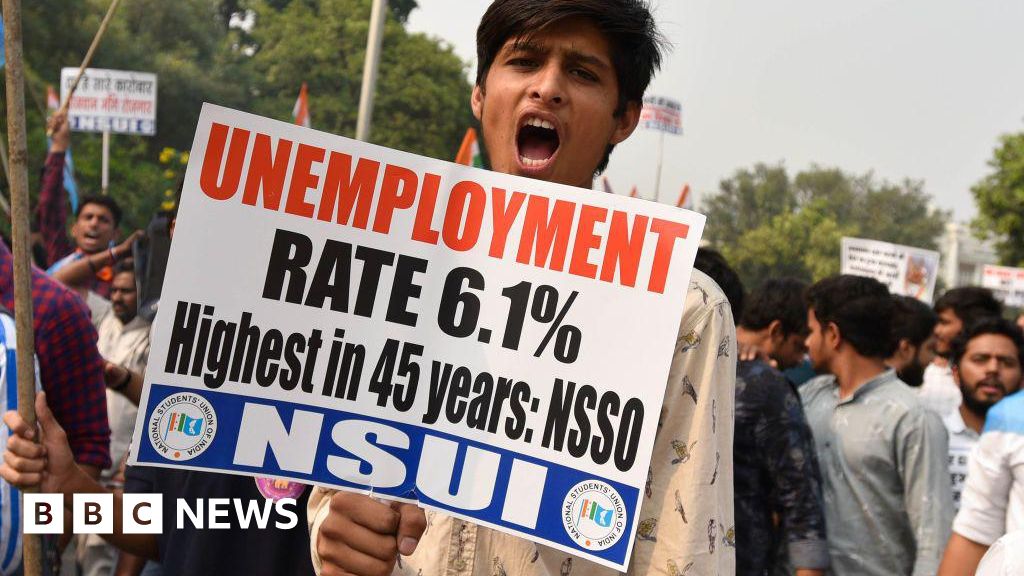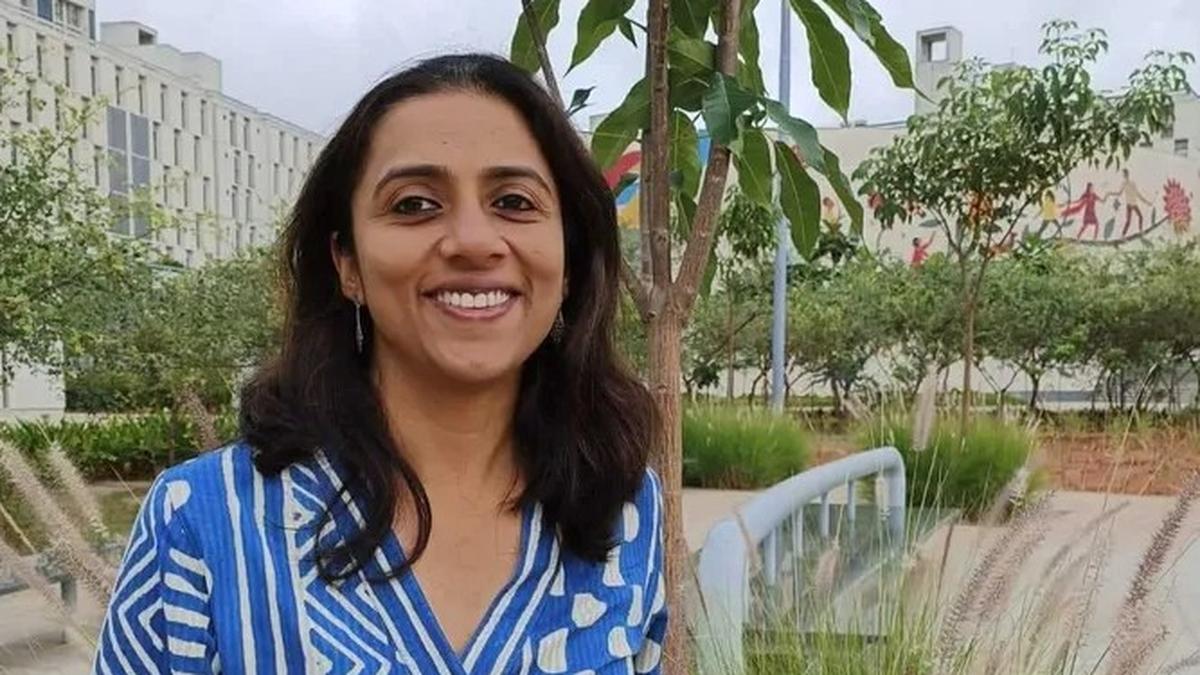
India is creating more graduates, but not enough jobs — leaving a growing number of young people educated and unemployed. If we compare young workers across generations and track their lifetime earnings, it suggests that the growth of earnings has slowed down for more recent generations, said Rosa Abraham, associate professor of Economics, Azim Premji University, and lead author of the ‘State of Working India 2026’ report, in an interview with The Hindu.
Excerpts:
Q: India, as per the report, is nearing the peak of its demographic dividend. What are the top three risks that could turn this into a demographic burden, especially for fast-growing States like Karnataka?
A: Firstly, an inability to create good jobs for an increasingly educated and aspirational young population, secondly, getting old before we get rich — i.e., we do not create the social security systems that can sustain an increasingly elderly population, and lastly, inadequate attention to migration dynamics. If States do not actively coordinate to make migration ‘work’ for them — facilitating worker movements from young and less developed States to older and more economically developed States — then we risk exacerbating distress and precarious migration.