Academia
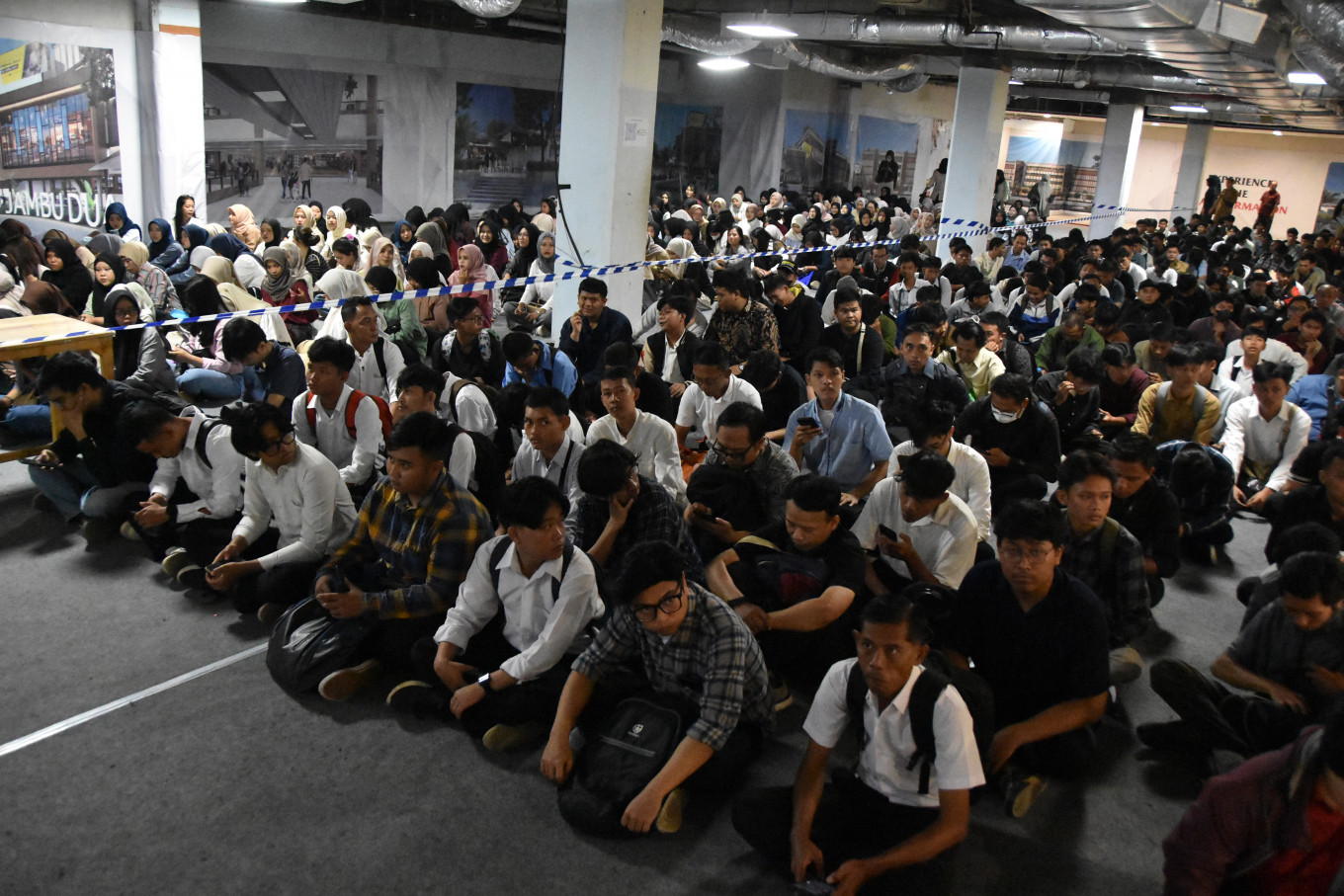
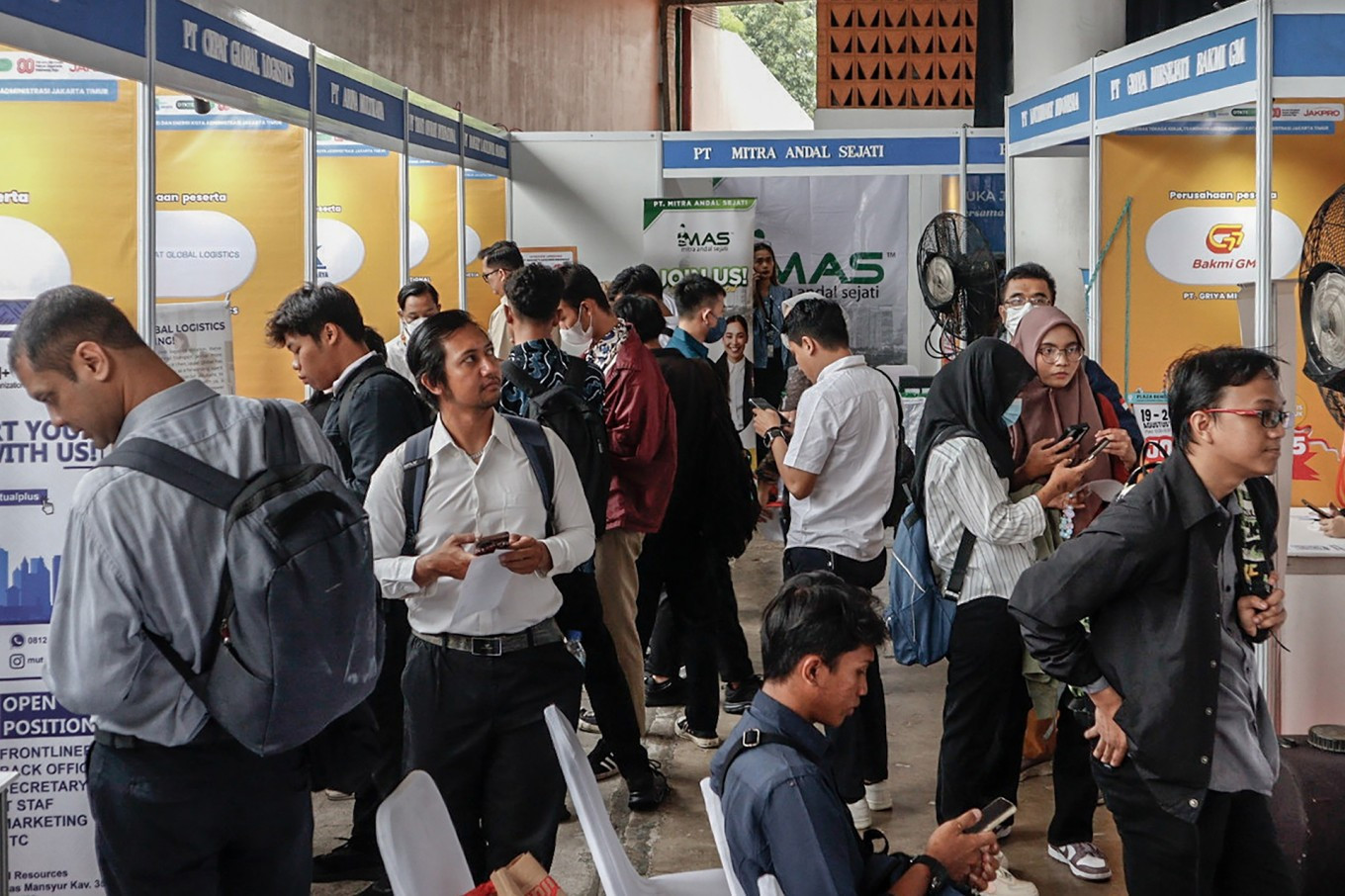
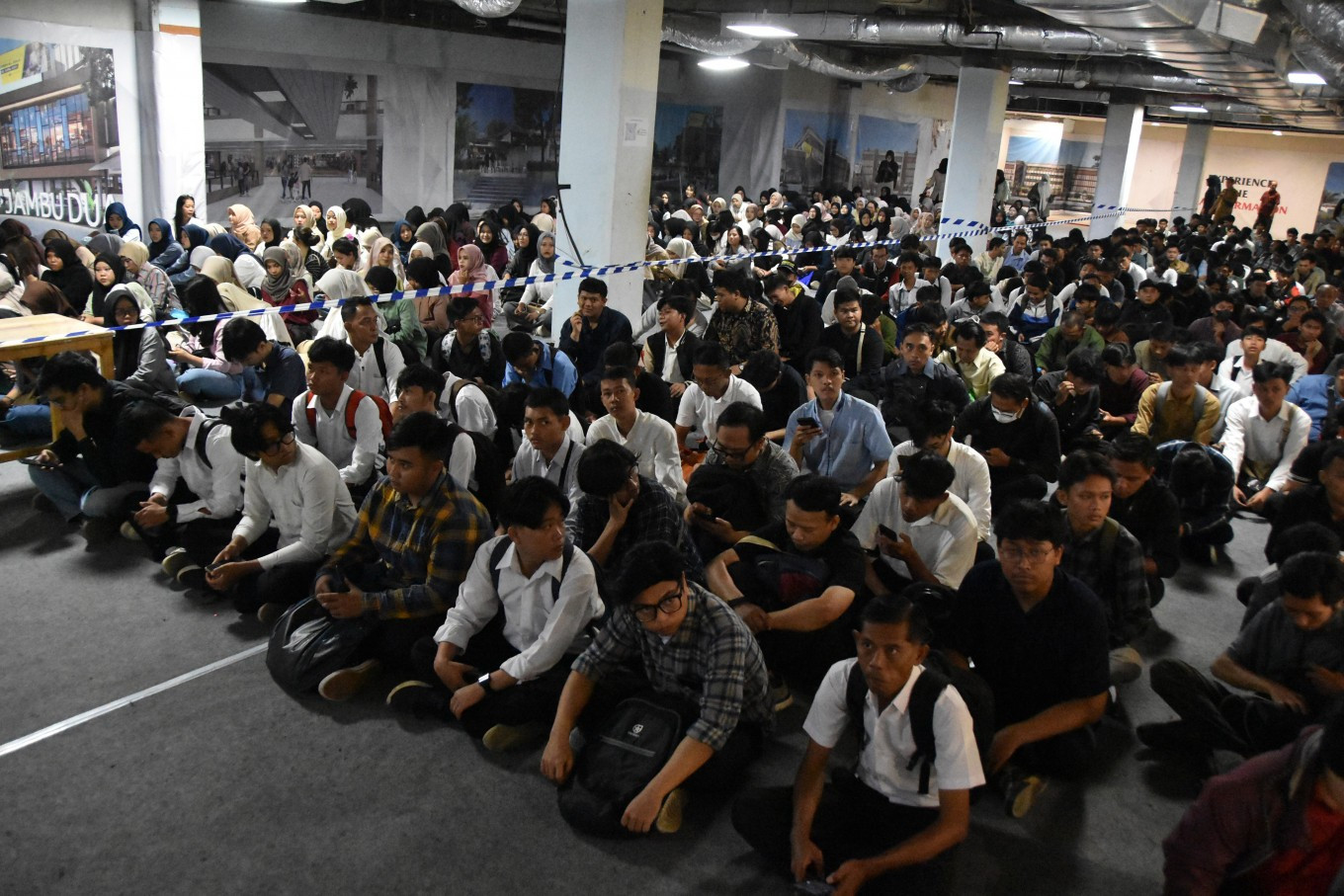
Jobseekers wait in line during the opening of the 2026 Bogor Job Fair at Plaza Jambu Dua in Bogor, West Java, on June 8, 2026.) (Antara/Arif Firmansyah)
Indonesia’s labor market resembles a polished façade concealing deeper cracks. Official figures show headline unemployment falling, yet the recovery has not created enough quality jobs for the country’s growing educated workforce. Education has long been seen as the first step up the social ladder, opening the way to secure employment and a better life. Today, however, more than 1 million university graduates are unemployed, exposing a troubling reality: A degree no longer reliably opens the doors it once promised.The contrast becomes clearer in the latest data from Statistics Indonesia (BPS). The open unemployment rate edged down to 4.65 percent in May 2026, while the number of unemployed people fell by around 24,000 over three months to 7.22 million. Yet more than 1 million of those without work, or 14.3 percent, held a university degree. Their share has nearly doubled from around 8 percent in August 2022.
The unemployment rate among people with at least a bachelor’s degree has also moved in the opposite direction, rising from 4.80 percent in 2022 to 5.39 percent in 2025. The divergence suggests that Indonesia’s labor market may be improving in aggregate, but it is not creating enough suitable jobs to keep pace with the country’s expanding pool of university-educated workers.