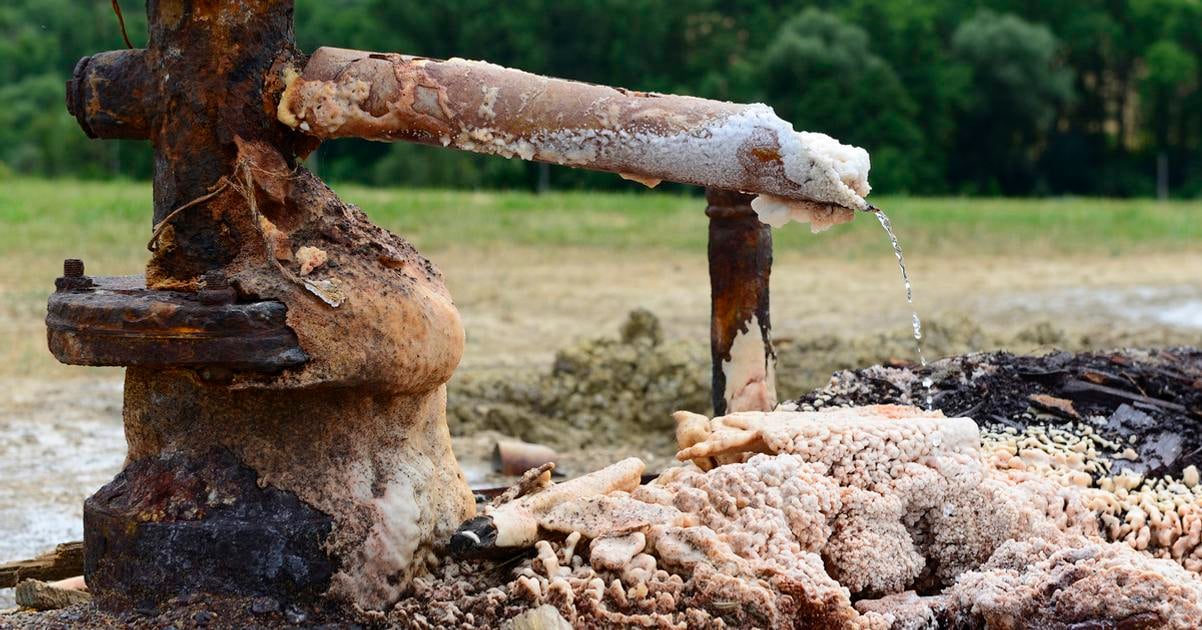
One can withstand toxic heavy metals while the other survives extremely salty water using an adaptation never before seen by scientists.
There are millions of bacterial species in the world, yet until recently only one had been officially described in Slovakia. Now, scientists from the Department of Microbiology at the Faculty of Science at P.J. Šafárik University in Košice have reported the discovery of two new species in Slovakia that were previously unknown to science.
One species has adapted to an environment rich in heavy metals, while the other has evolved to survive in extremely salty water. In addition to providing insights into how bacteria evolve in isolated and extreme environments, the discoveries could also have potential biotechnological and environmental applications.
The description of the first species was recently published in the journal Archives of Microbiology.
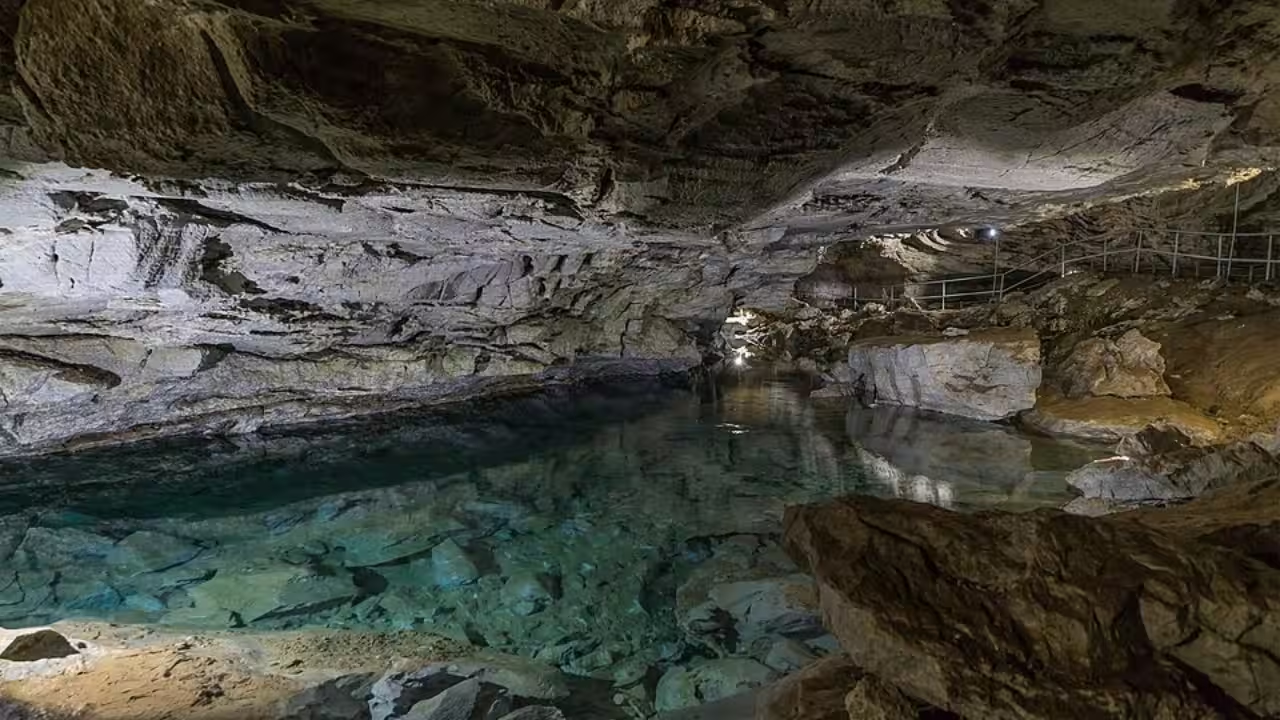
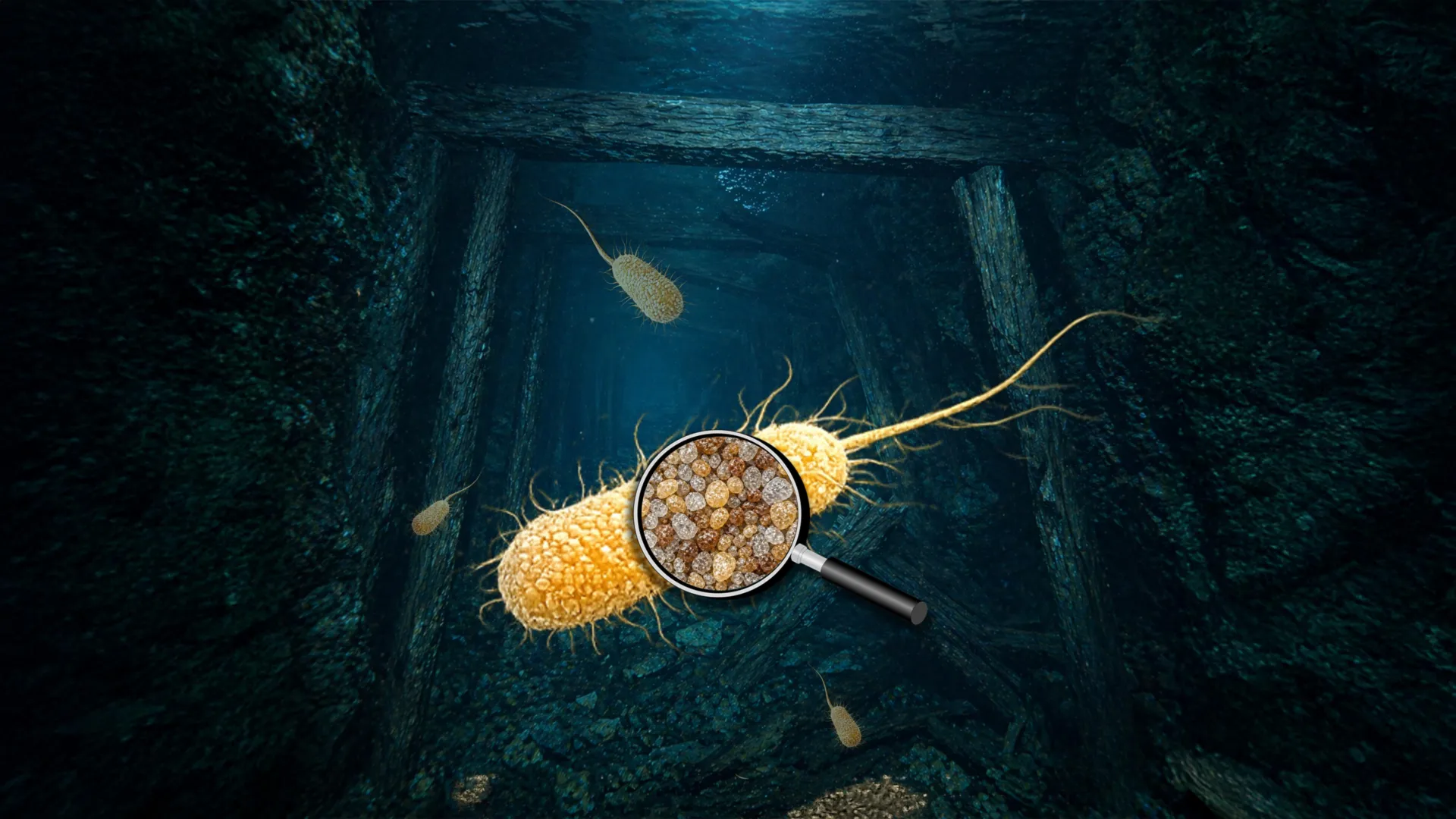
The species, named Pollutimonas rozaliensis, was found in the Rozália gold mine in the village of Hodruša-Hámre in the Žarnovica district of central Slovakia, hence its name. Having evolved in an environment rich in heavy metals, it has developed resistance to them. According to the scientists, it could potentially be used in the future to help remove heavy metals from the environment.