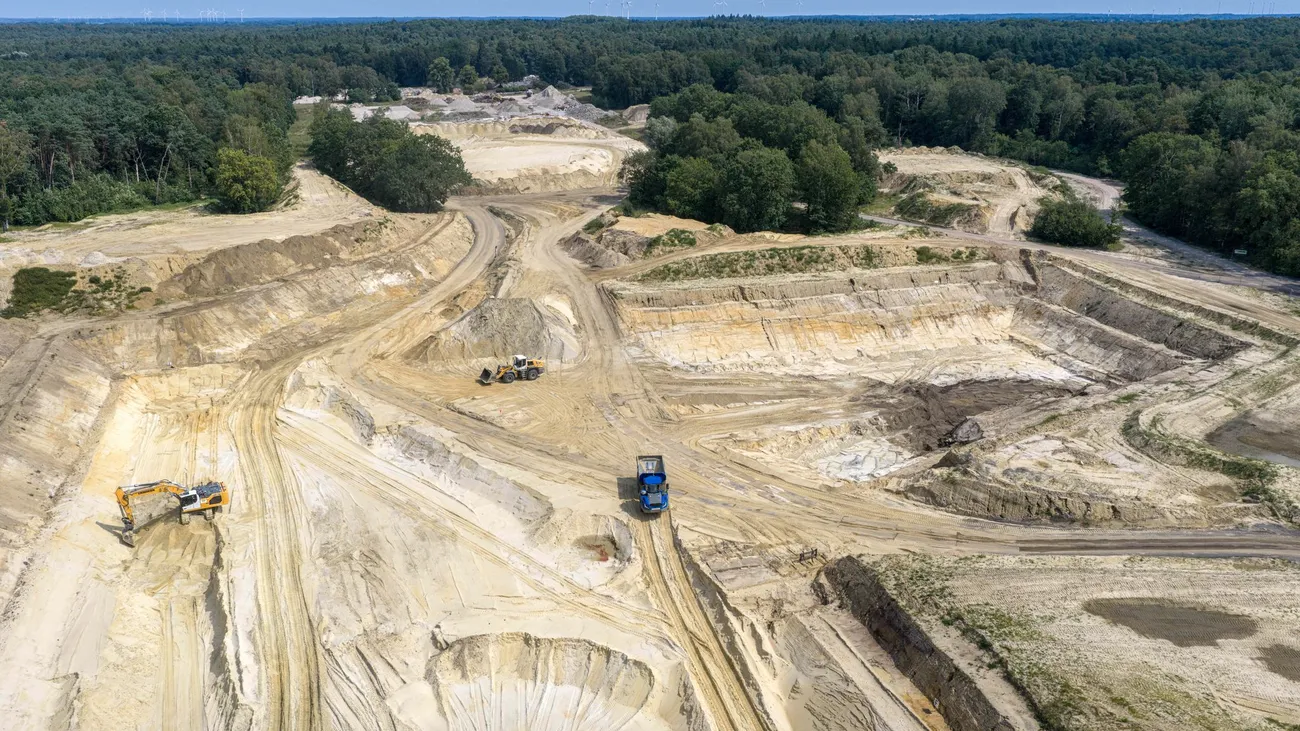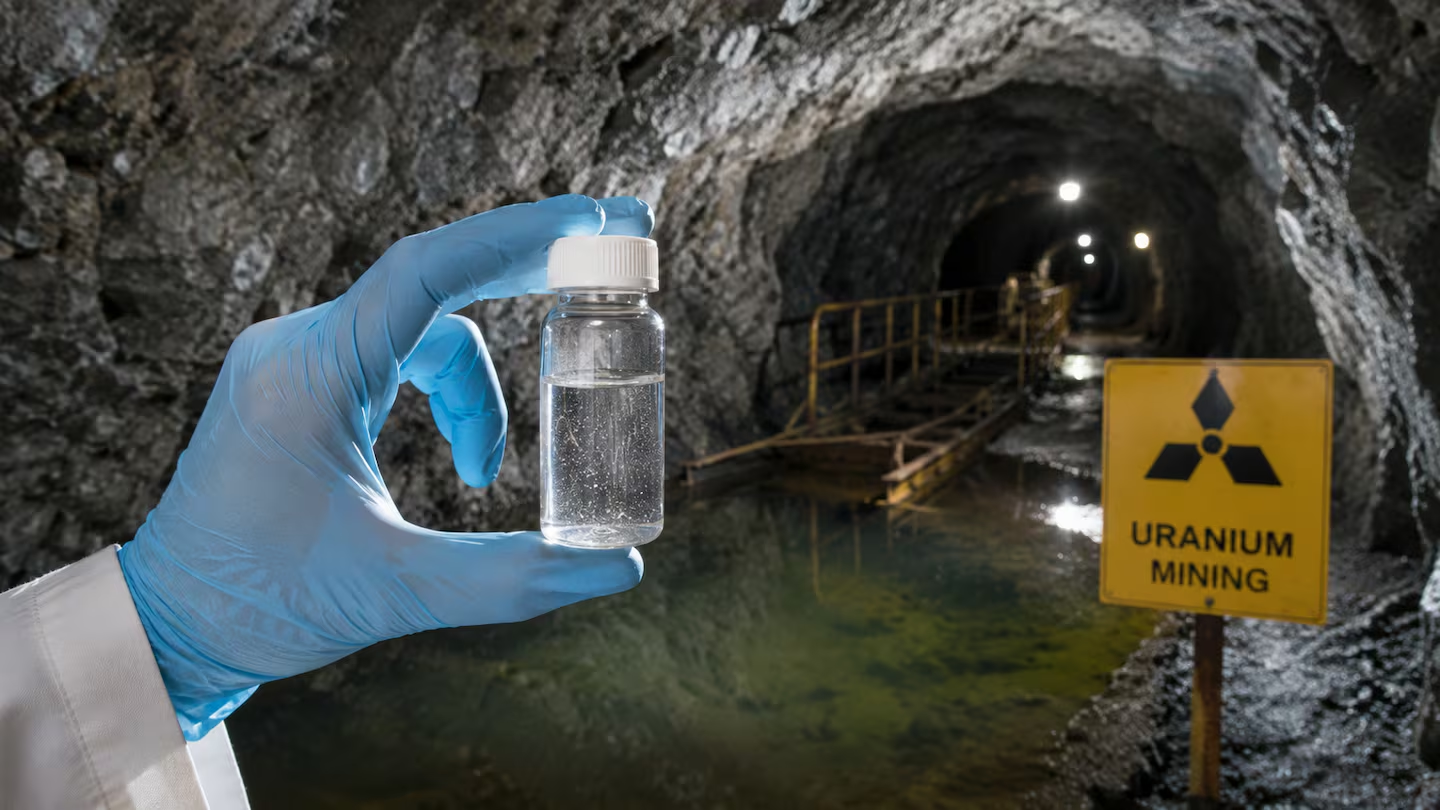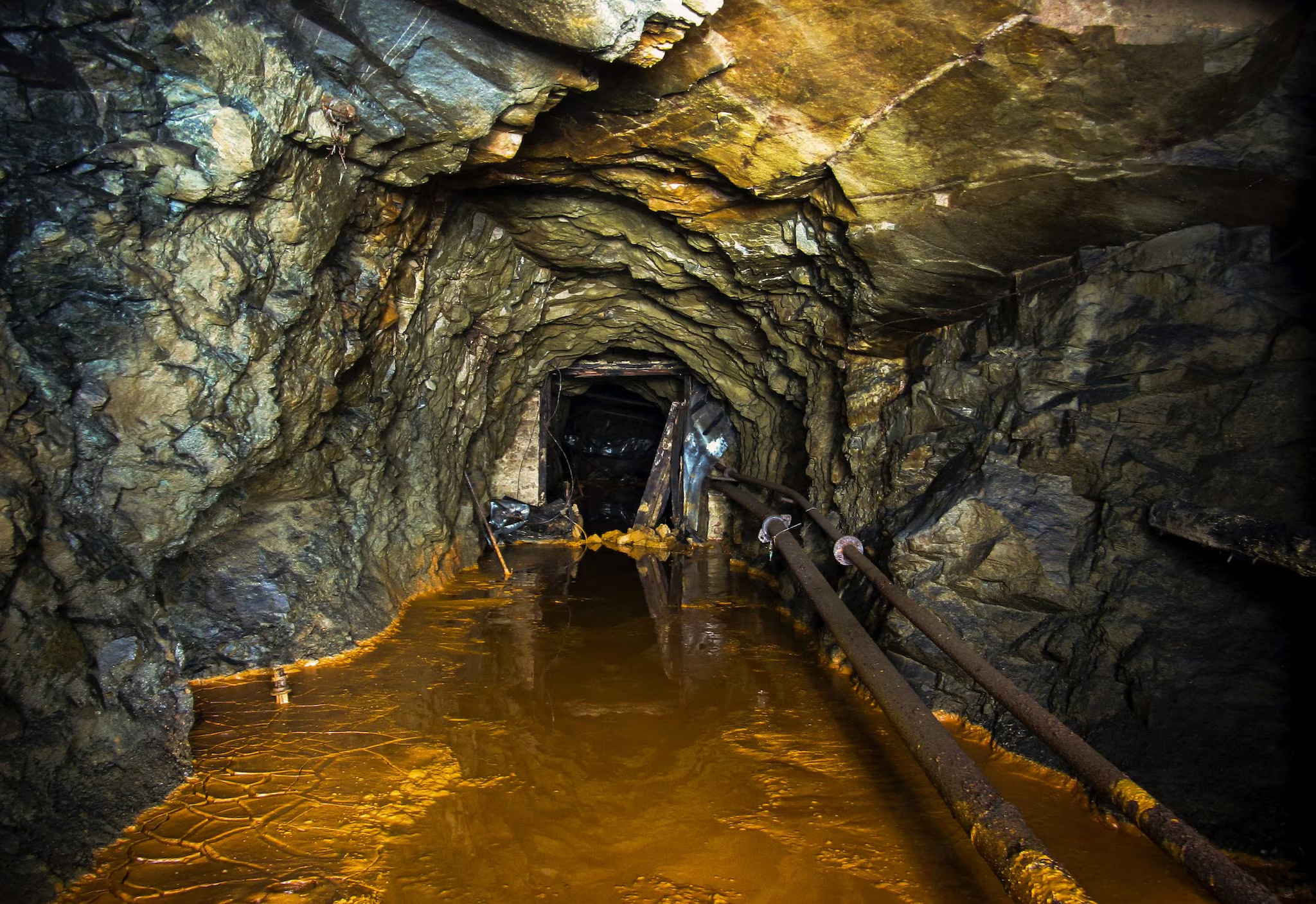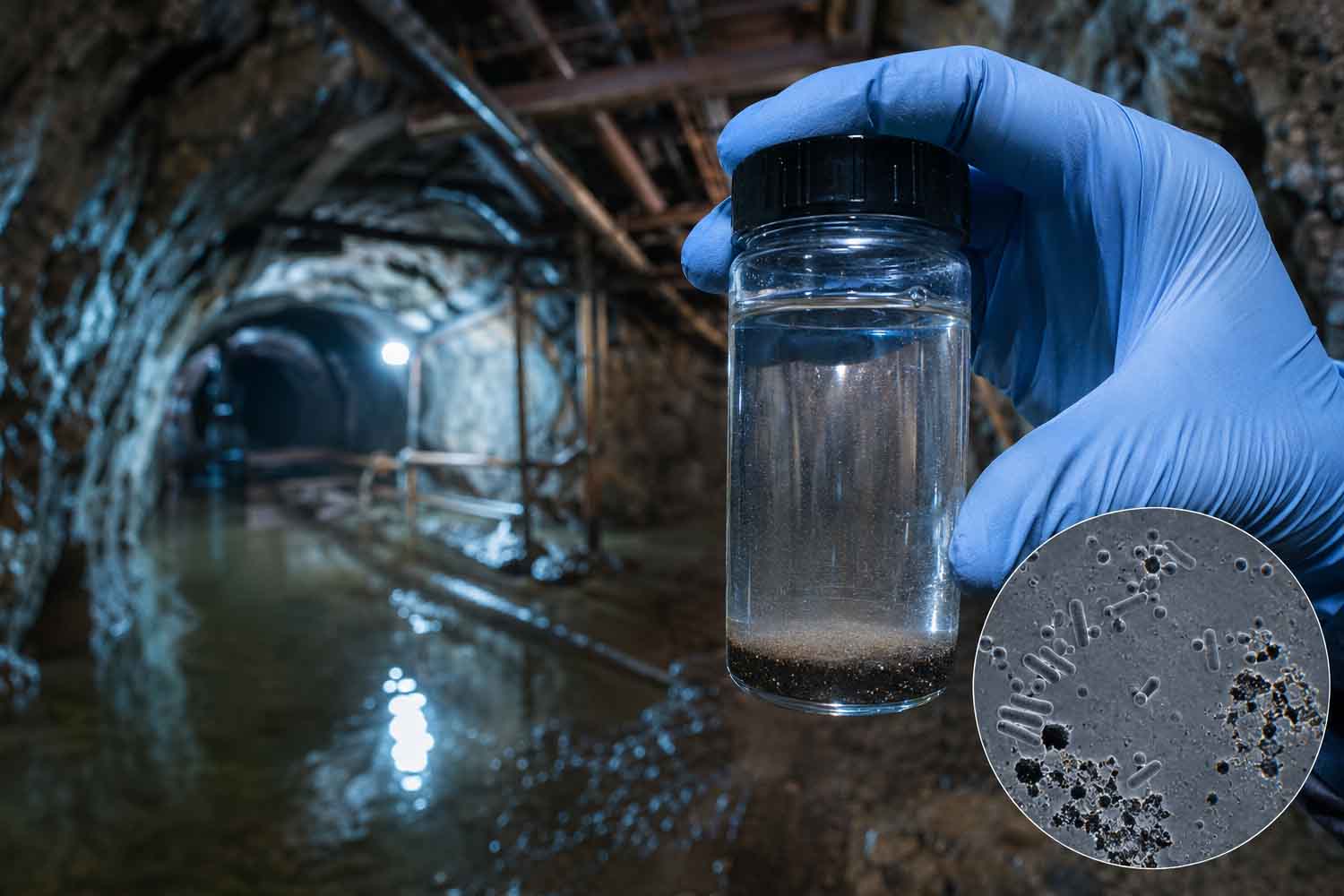
Uranium, a radioactive heavy metal, is typically locked inside minerals in soil. However, mining and other environmental processes can change uranium into forms that dissolve in water. Once it becomes mobile in this way, it can spread through the environment and create problems because of its toxicity.
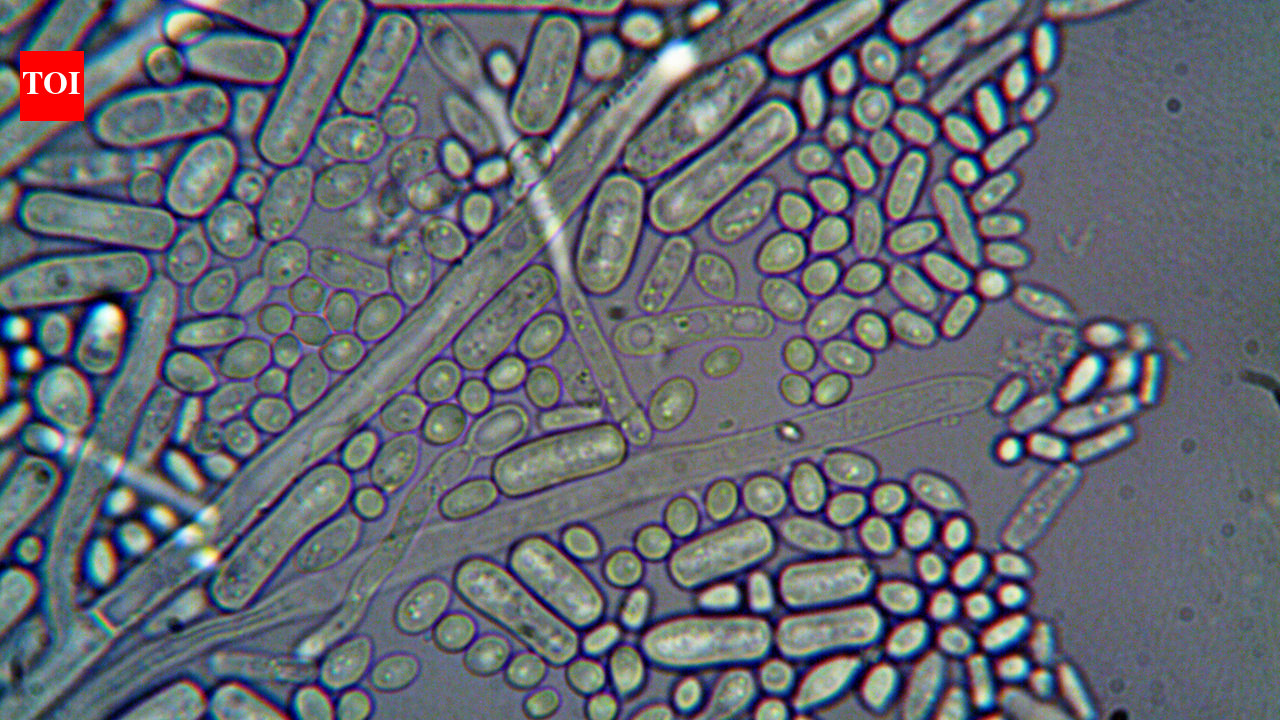
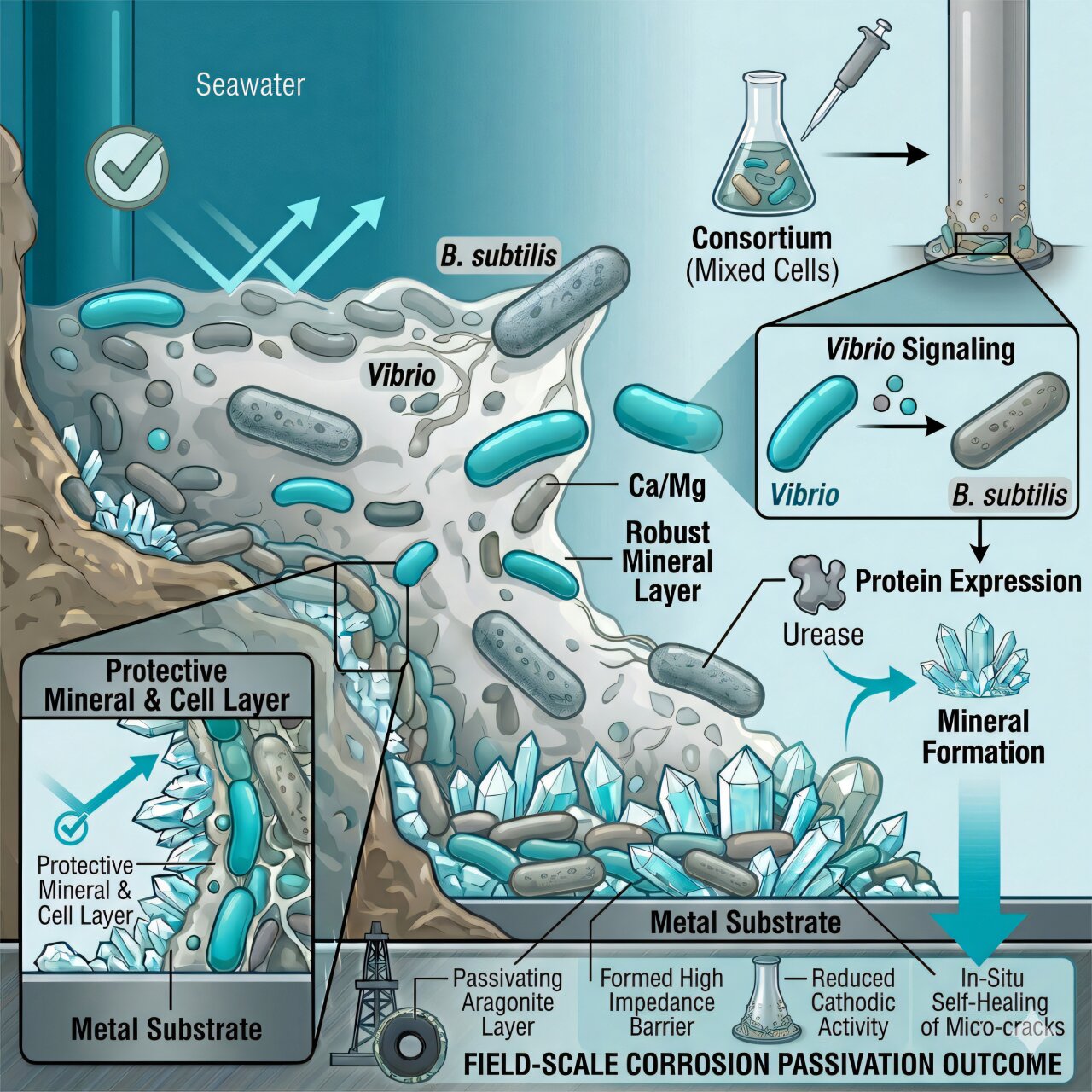
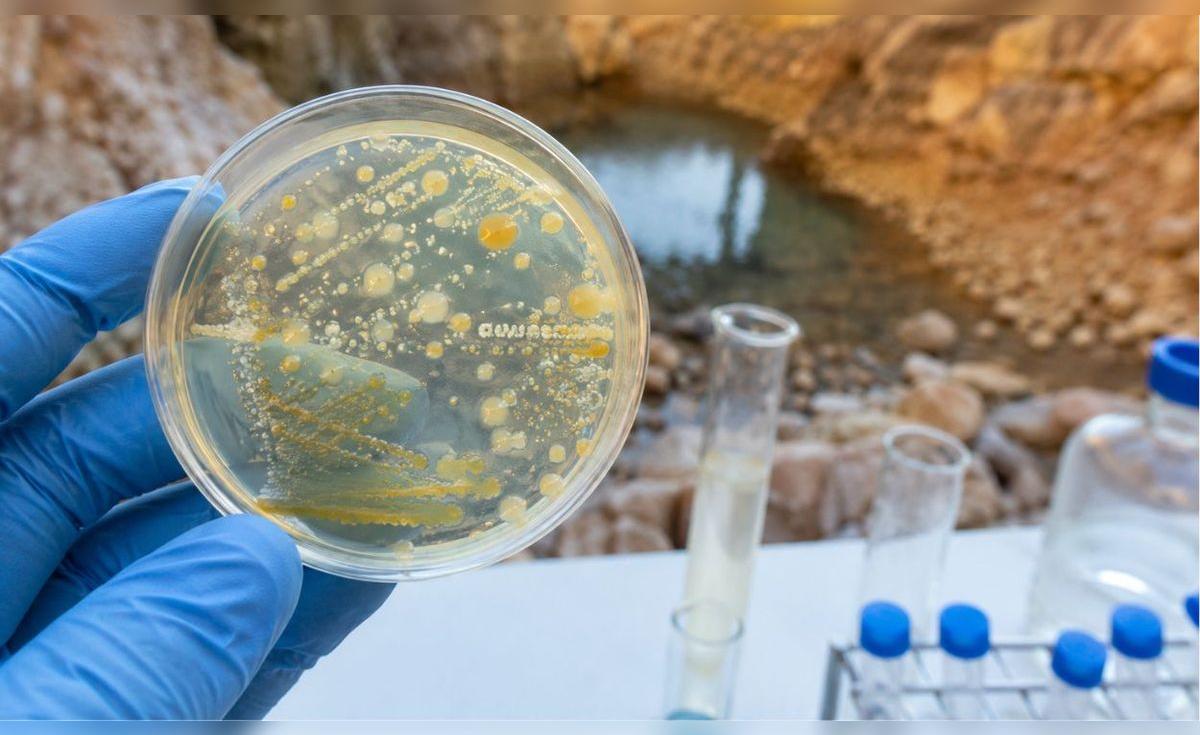
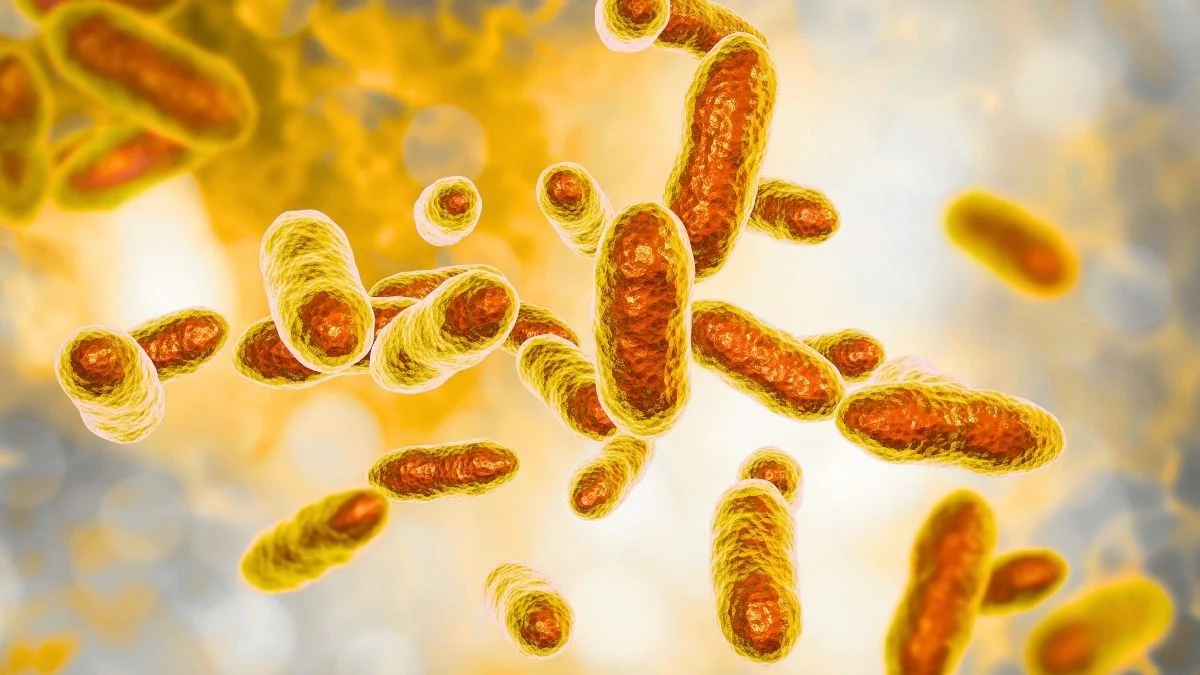
Researchers at the Helmholtz-Zentrum Dresden-Rossendorf (HZDR), working with Wismut GmbH and scientists from the University of Granada, have now shown for the first time that bacteria can transform uranium dissolved in water into a stable chemical compound when glycerol is available as a food source. During this process, the uranium enters a chemical state that had previously been considered only temporary.
The findings, published in Nature Communications, could contribute to future research into using bacteria to help clean up environments contaminated with uranium.
How Bacteria Interact With Uranium
Bacteria found in soil and water are essential parts of natural ecosystems, and some species are capable of processing substances that can be harmful to humans and other organisms.