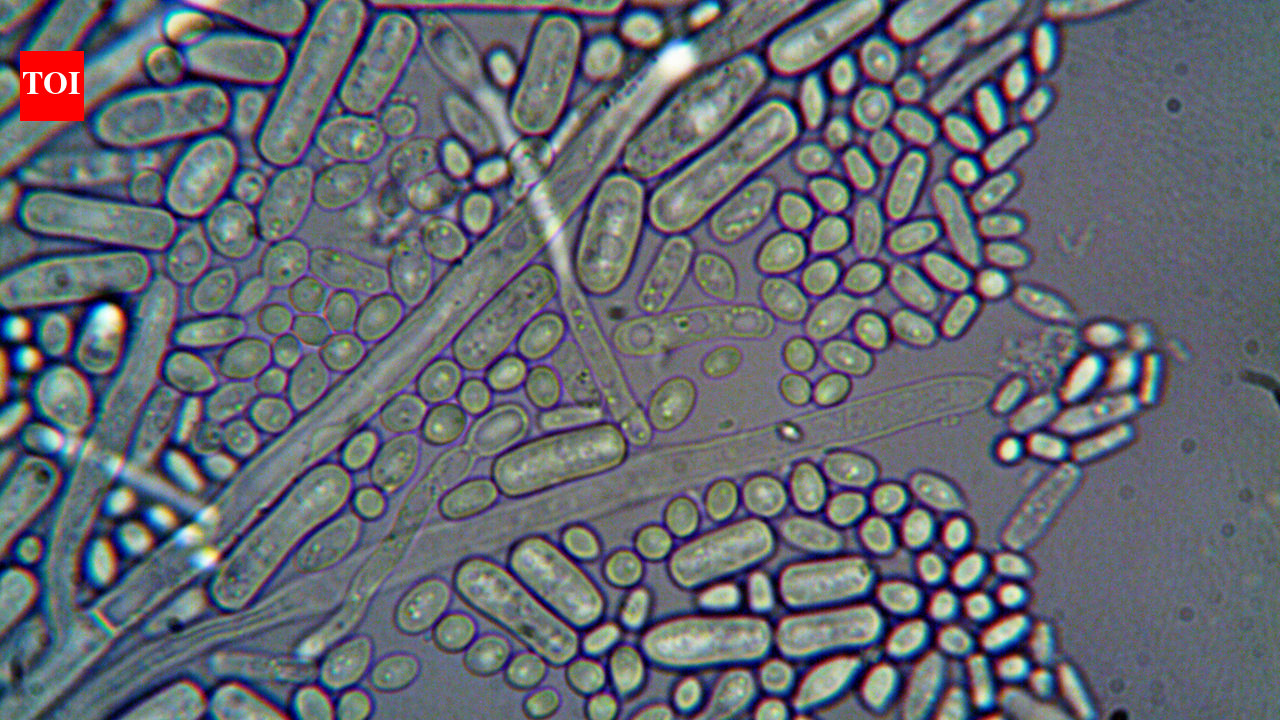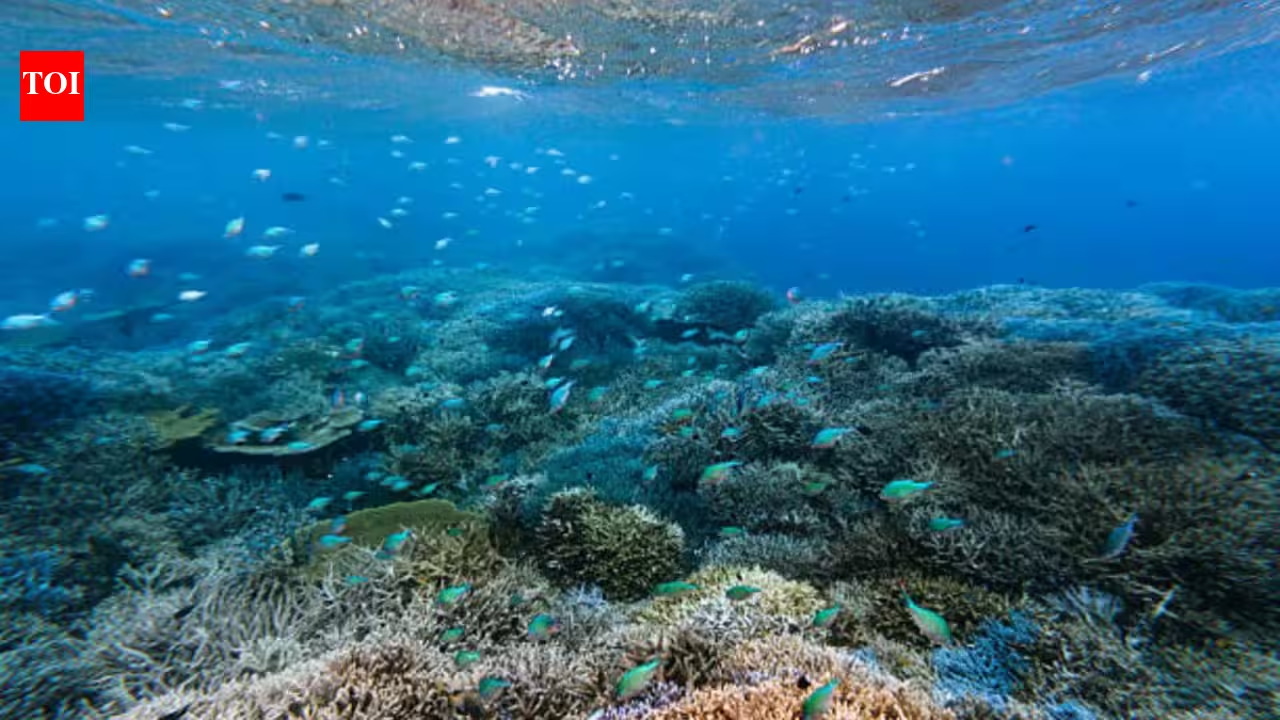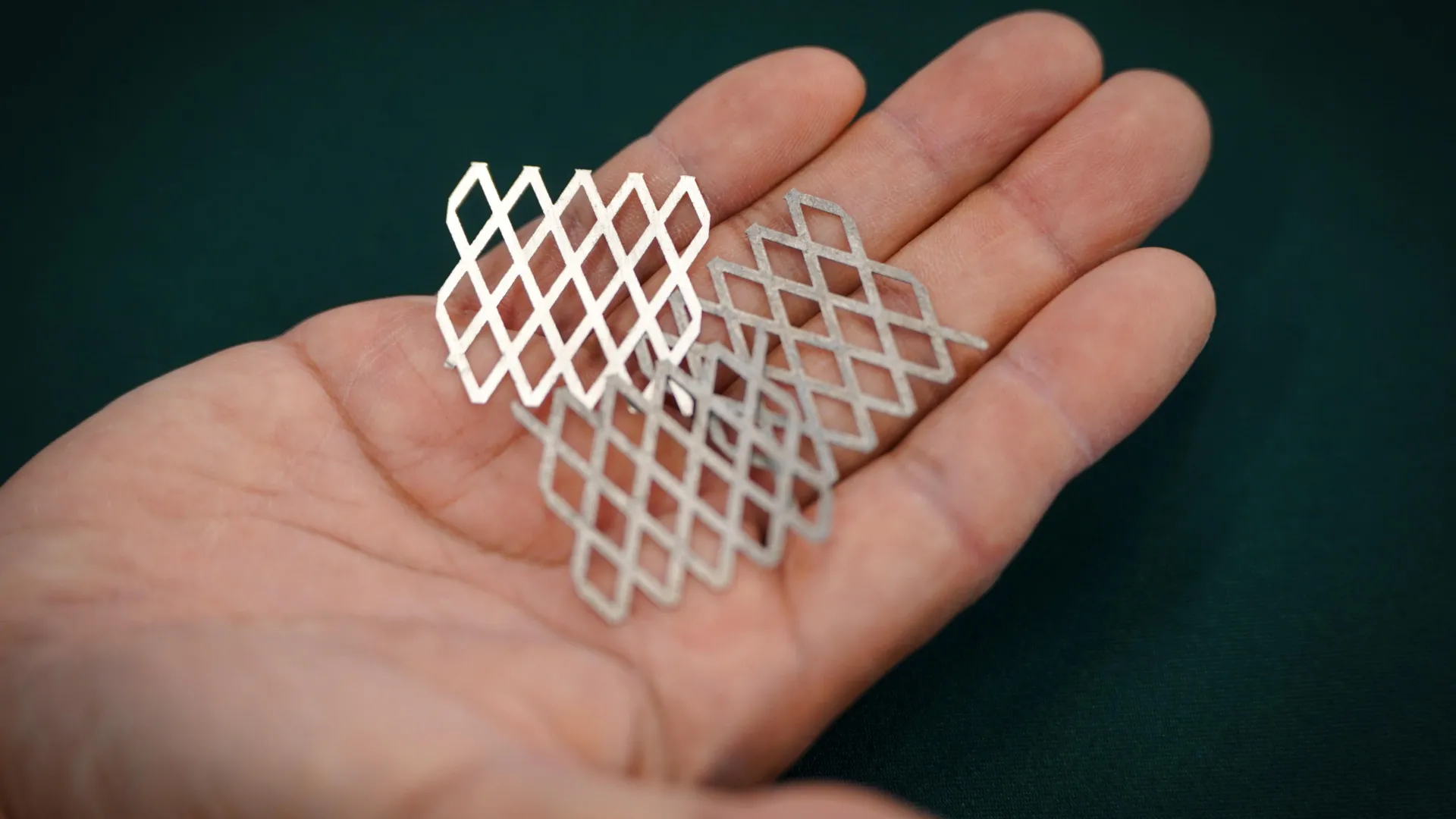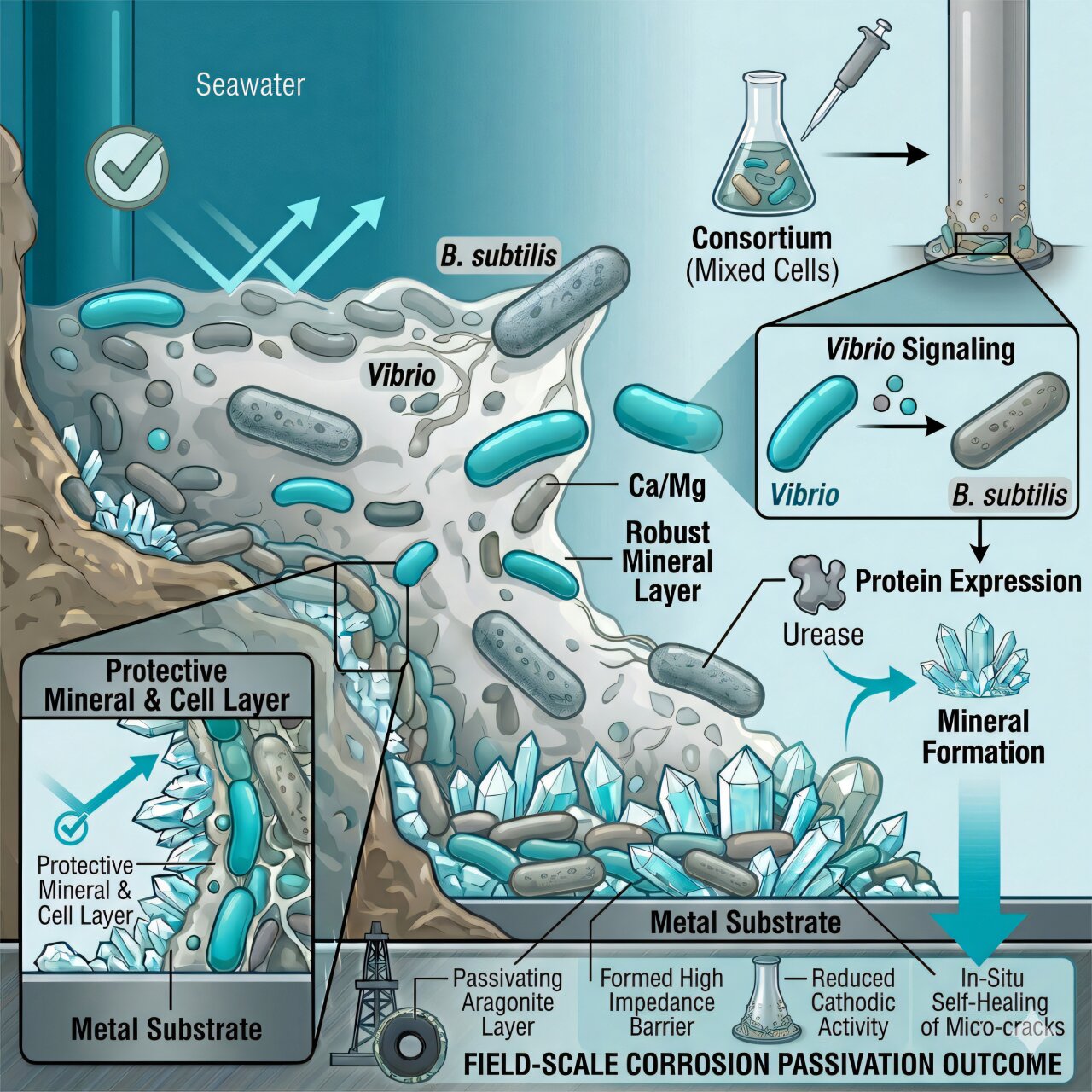
Graphical abstract. Credit: Cell Reports Physical Science (2026). DOI: 10.1016/j.xcrp.2026.103419
Researchers at Reichman University have developed a biological method for protecting marine infrastructure from corrosion caused by prolonged exposure to seawater. The study, published in Cell Reports Physical Science, presents an environmentally friendly alternative to the chemical corrosion inhibitors currently used to protect metals—materials that can be both polluting and costly.
The study, led by Avichay Nahami and Dr. Prem Anand Murugan of the Scojen Institute for Synthetic Biology at Reichman University's Dina Recanati School of Medicine, created a consortium of bacterial species, including Bacillus subtilis and other bacteria naturally found in seawater.
The researchers discovered that these bacteria work cooperatively to form a dense, durable and naturally occurring protective layer on the surfaces of metals commonly used in marine and electrochemical infrastructure, including steel and iron.
Experiments conducted as part of the study demonstrated that this protective coating significantly slows the corrosion process that causes metals to rust and deteriorate in seawater. The researchers also found that each bacterial species plays a distinct role: Some create the conditions necessary for the process, while others produce an enzyme that enables the formation of the mineral protective layer.