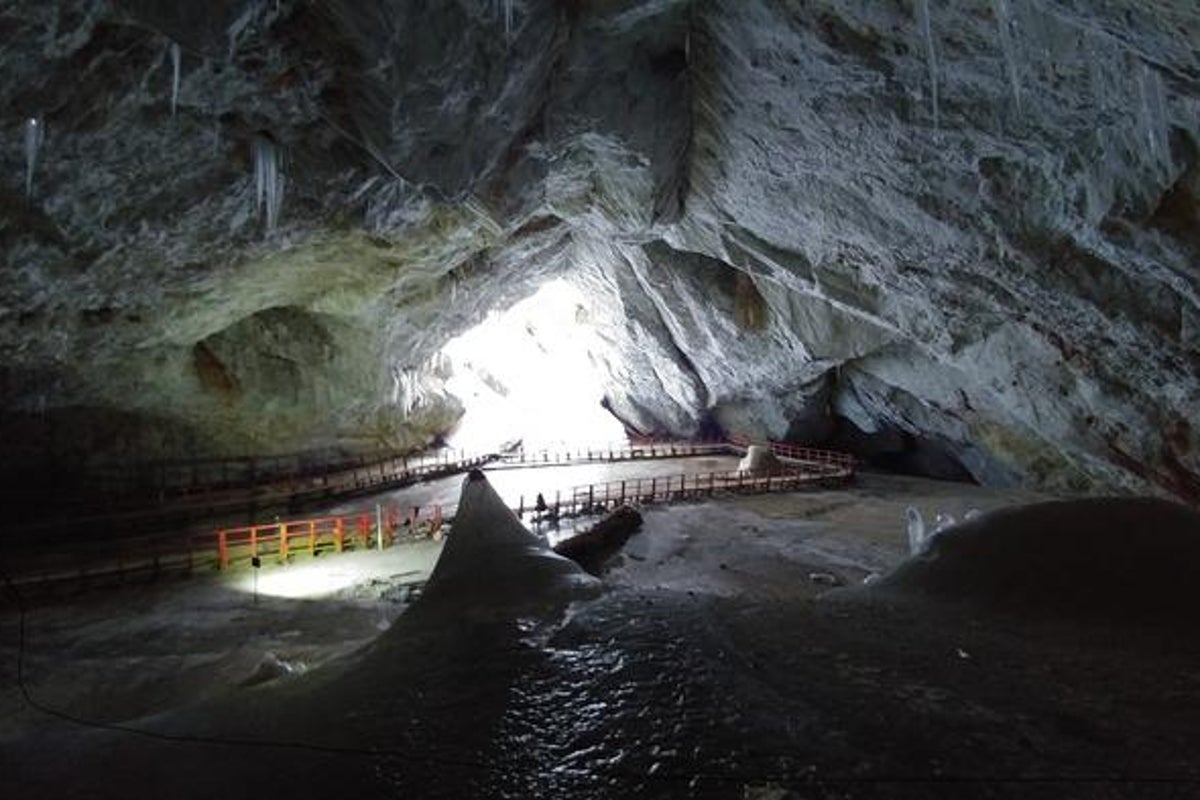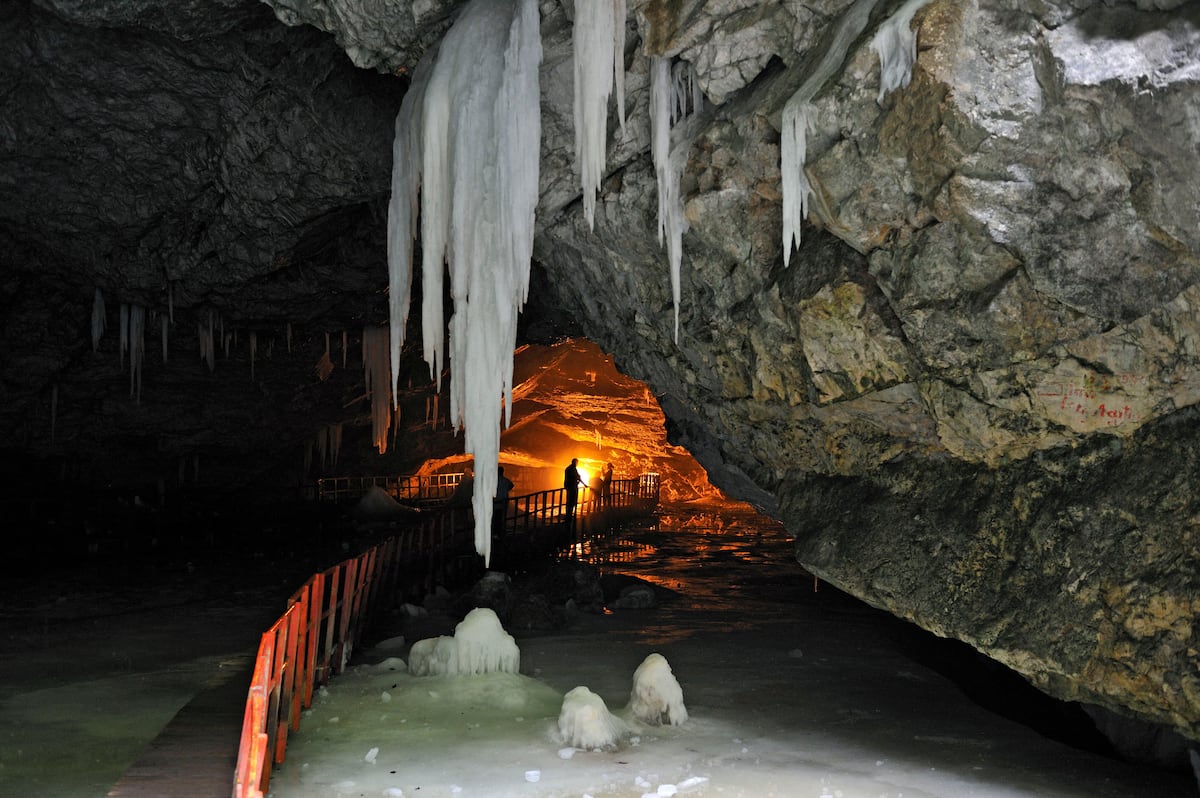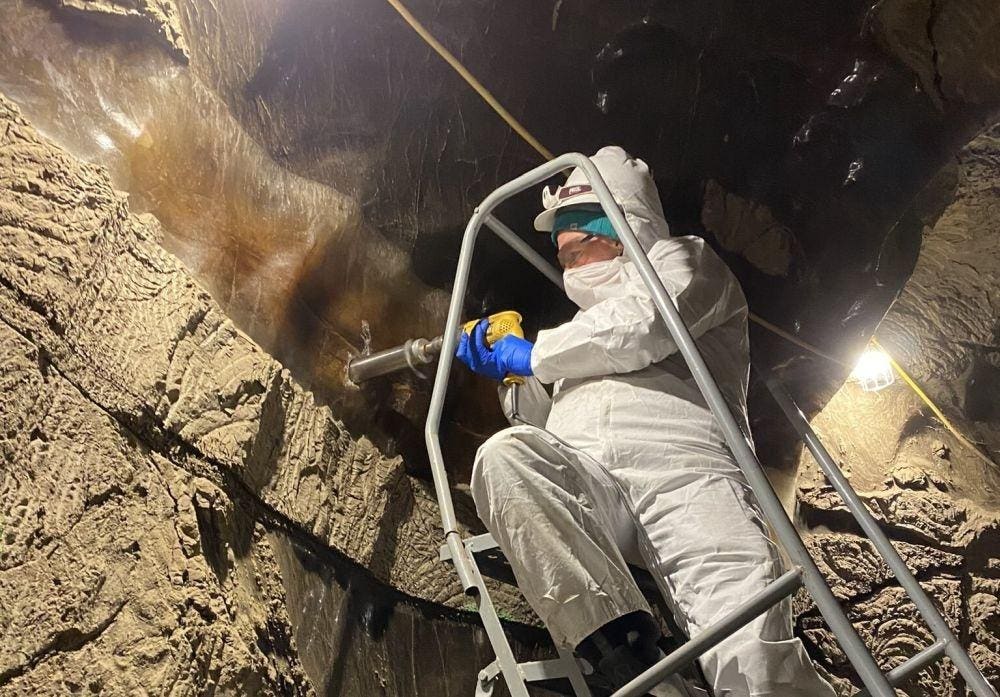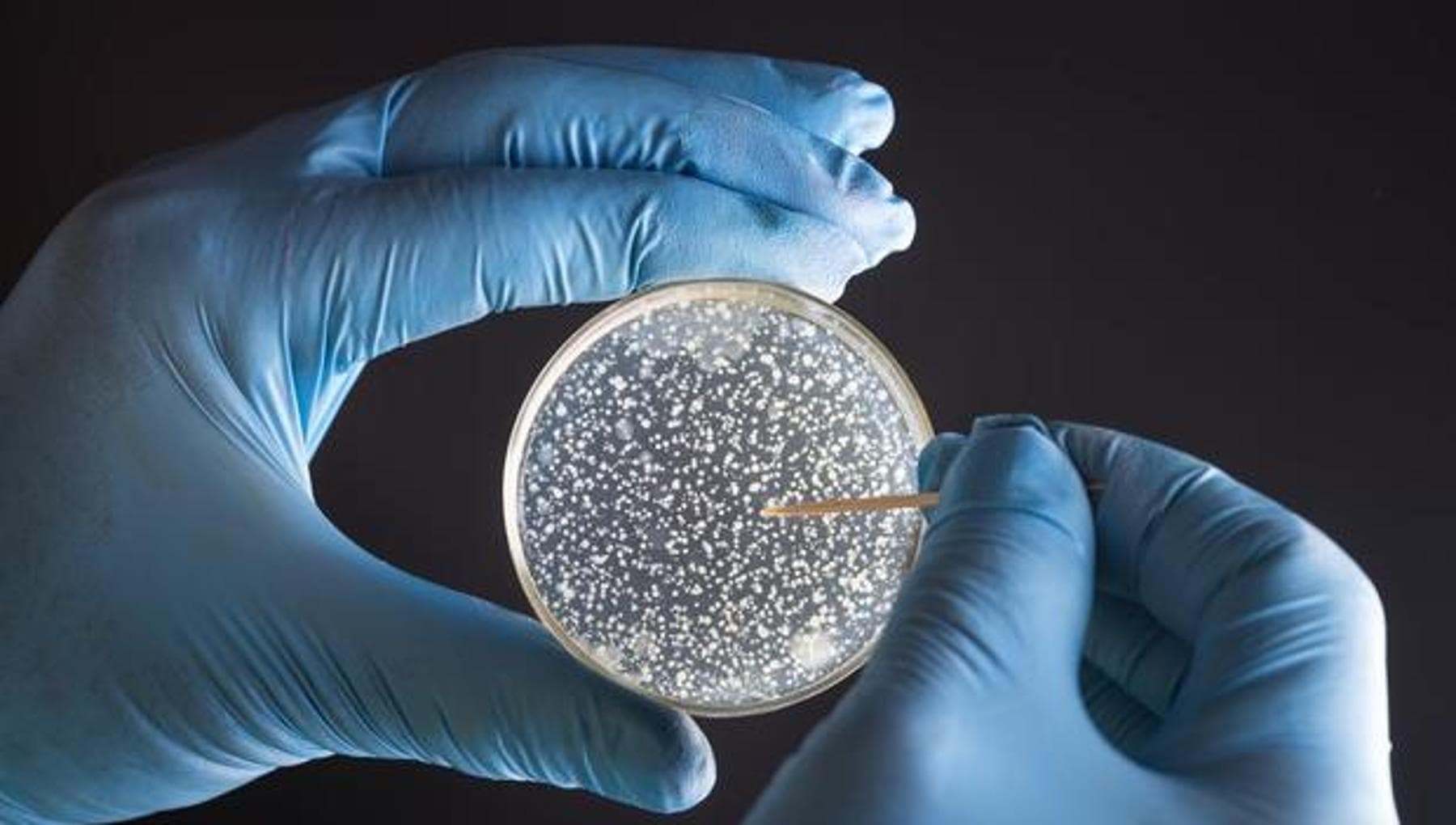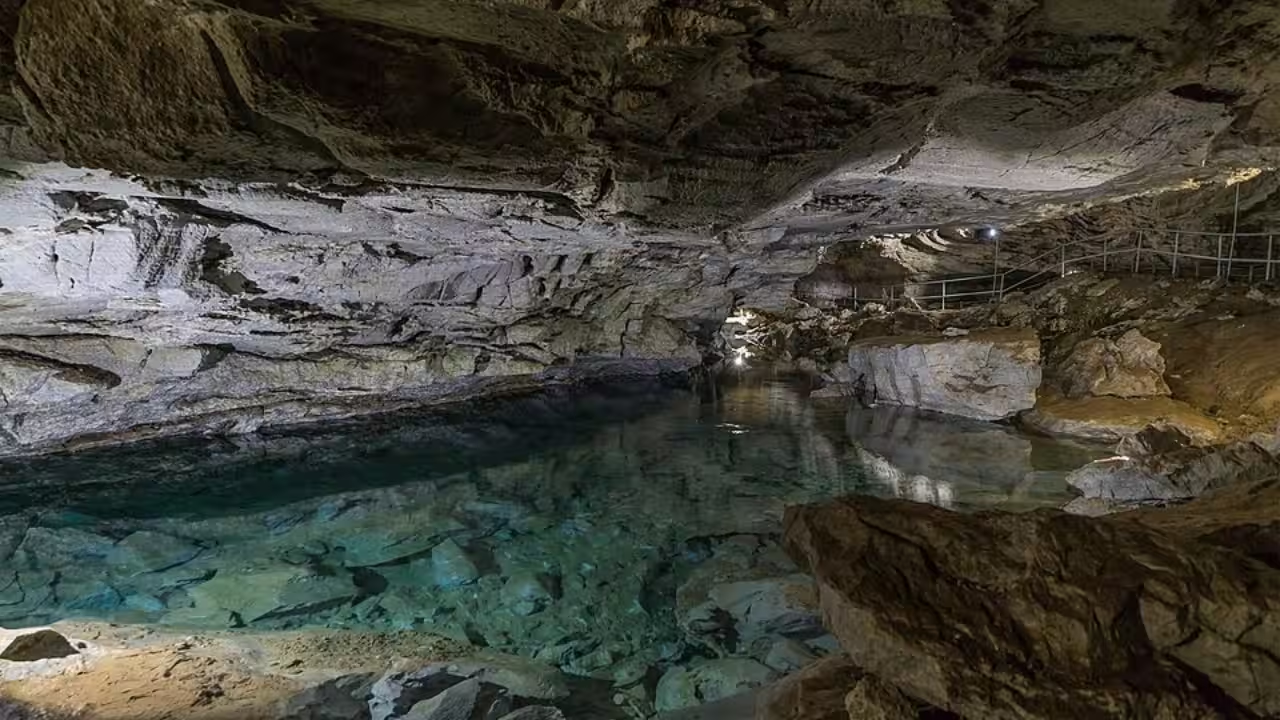
Representative image of an ice cave. Image credit: Wikimedia CommonsScientists studying microorganisms trapped in one of Europe’s oldest underground glaciers have discovered a bacterium with remarkable survival abilities and unexpected medical potential. According to a study published in Frontiers in Microbiology titled First genome sequence and functional profiling of Psychrobacter SC65A.3 preserved in 5,000-year-old cave ice: insights into ancient resistome, antimicrobial potential, and enzymatic activities, researchers isolated a strain of Psychrobacter from a 5,000-year-old layer of ice in Romania’s Scarisoara Ice Cave. The genetic analysis revealed that the bacterium was resistant to 10 of the 28 antibiotics tested, belonging to 8 classes, despite living in an environment untouched by modern medicines. Researchers say the discovery may offer new insights into how antibiotic resistance evolved before humans began using antibiotics.According to the researchers, the bacteria named Psychrobacter SC65A.3 were recovered from an ancient ice core which was preserved inside the cave’s permanent frozen environment. The study also notes that the Scarisoara Ice Cave has maintained layers of ancient ice for thousands of years, making it a valuable archive for studying microorganisms that evolved under extreme environmental conditions. Notably, the scientists have emphasised that the bacterium discovered is not a threat in itself, but rather serves as a natural model for understanding microbial evolution and antibiotic resistance.Ancient resistance predates modern antibioticsAccording to the study, laboratory testing showed that Psychrobacter SC65A.3 resisted more than 10 modern antibiotics, with genome sequencing further identifying more than 100 genes associated with antibiotic resistance. These findings indicate that many resistance mechanisms evolved naturally in microbial ecosystems long before antibiotics became a part of modern-day healthcare. Therefore, rather than believing that antibiotic resistance was created solely for human medicine, these findings suggest that resistance is an ancient biological phenomenon.Representative image of an ice cave. Image credit: Wikimedia CommonsFurthermore, researchers claim that the same bacterium that displayed extensive antibiotic resistance also demonstrated the ability to inhibit the growth of several disease-causing bacteria, including antibiotic-resistant strains commonly known as superbugs. Notably, genome analysis identified genes capable of producing bacteriocin, a naturally occurring antimicrobial compound that bacteria use to suppress competing microorganisms. Additionally, researchers identified 45 genes linked to cold adaptation, allowing the microorganisms to survive in permanently frozen environments while still maintaining normal cellular functions. Scientists believe that such cold-active enzymes could prove to be valuable in industrial processes that require biological activity at low temperatures.Why the discovery mattersAccording to researchers, the findings demonstrate that ancient microorganisms preserved in extreme conditions remain a valuable source of biological information instead of simply fulfilling scientific curiosities. By comparing these discovered bacterial genomes with modern microbes, researchers can have a better understanding of how resistance genes evolved naturally and distinguish the ancient evolutionary process from today’s antibiotic use. As noted by Frontiers News, the discovery underscores the scientific importance of preserving natural archives like Scarisoara Ice Cave, which continue to reveal microorganisms carrying traits shaped over thousands of years of evolution. Thus, rather than raising concerns over ancient pathogens, the study might help the researchers to develop the next generation of antibiotics, especially at a time when drug-resistant infections remain one of global health’s most pressing challenges.
Frozen for 5,000 years in a Transylvanian ice cave, these bacteria shrug off 10 modern drugs, yet scientists found genes that could kill deadly superbugs
Scientists studying microorganisms trapped in one of Europe’s oldest underground glaciers have discovered a bacterium with remarkable survival abilities and unexpected medical potential. According to a study published in Frontiers in Microbiology titled First genome sequence and functional profiling of Psychrobacter SC65A.3 preserved in 5,000-year-old cave ice: insights into ancient resistome, antimicrobial potential, and enzymatic activities, researchers isolated a strain of Psychrobacter from a 5,000-year-old layer of ice in Romania’s Scarisoara Ice Cave.
524 words~2 min read