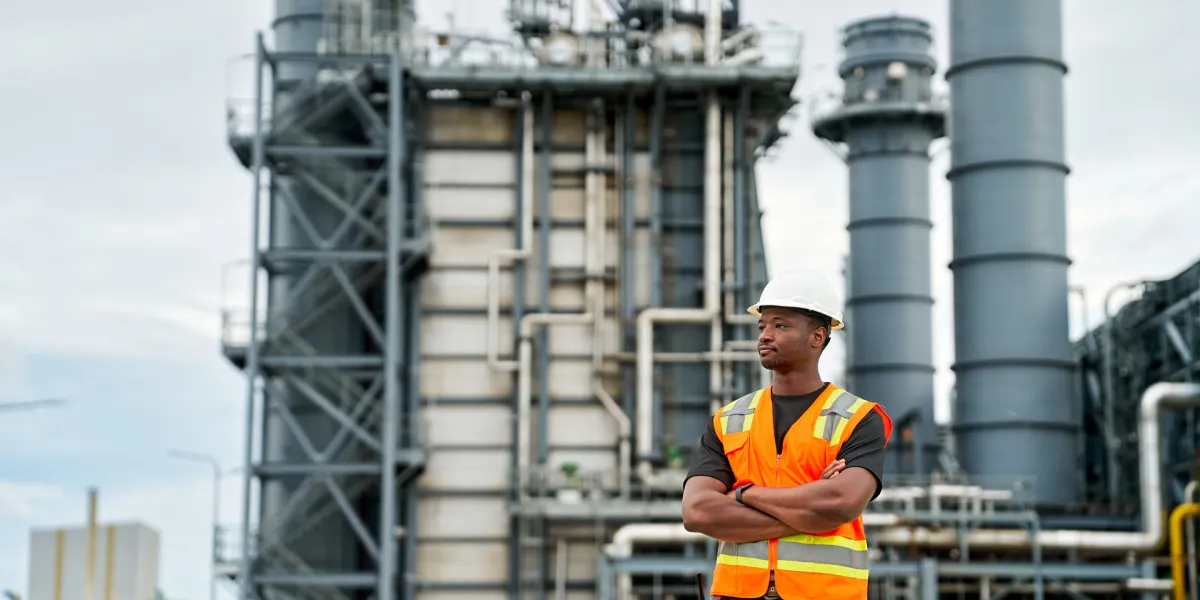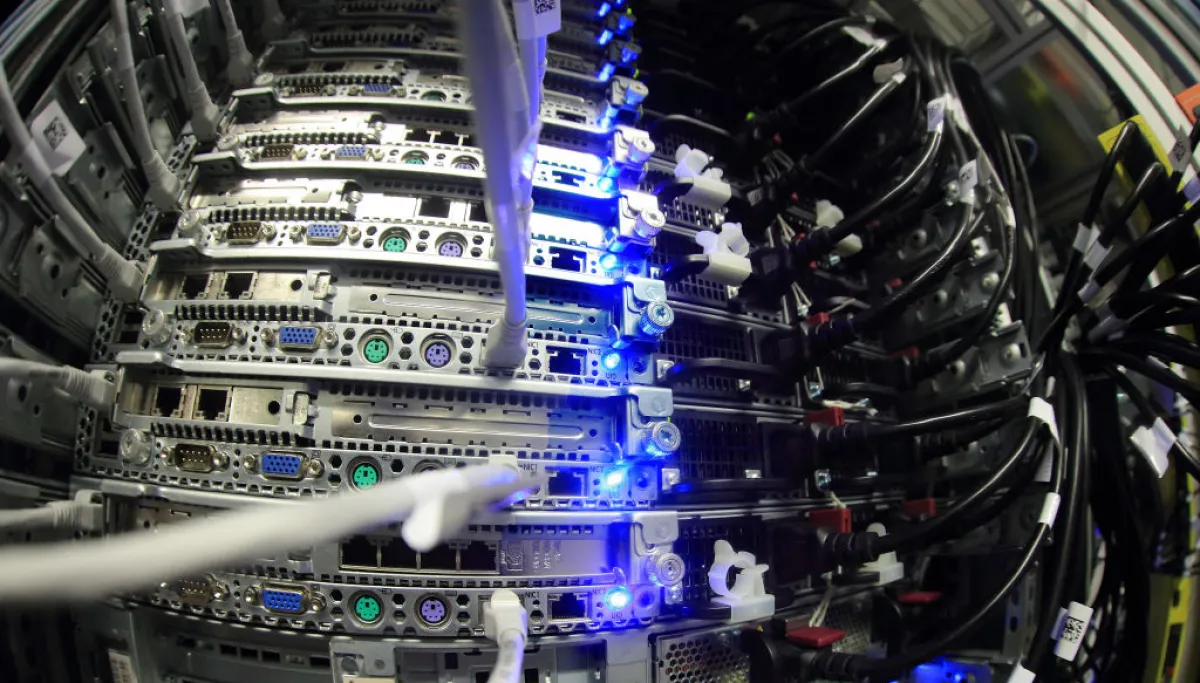
America is entering its next industrial revolution. Artificial intelligence, advanced manufacturing, automation, data centers, energy infrastructure, and semiconductor investment are converging to expand the nation’s productive capacity on a historic scale. This is larger than a technology boom. It is the beginning of a transformation in what America can produce, how efficiently it can produce it, and how broadly that opportunity can travel throughout the economy.Industrial revolutions do not begin with a government declaration. They begin when a breakthrough technology attracts capital, requires new infrastructure, reorganizes production, and creates demand across industries that may initially appear unrelated. Those characteristics defined the revolutions powered by steam, railroads, electricity, and mass production. They are appearing again.Steam power freed factories from the physical limits of human, animal, and water power. Railroads connected producers with resources, workers, and national markets. Electrification did more than replace one source of power with another. Companies redesigned factories, reorganized work, introduced new equipment, and created products and industries that had not existed before.
While everyone watched chatbots, the next industrial revolution arrived
America is entering a new industrial revolution as AI fuels massive investments in power grids, manufacturing, and infrastructure.
733 words~3 min read