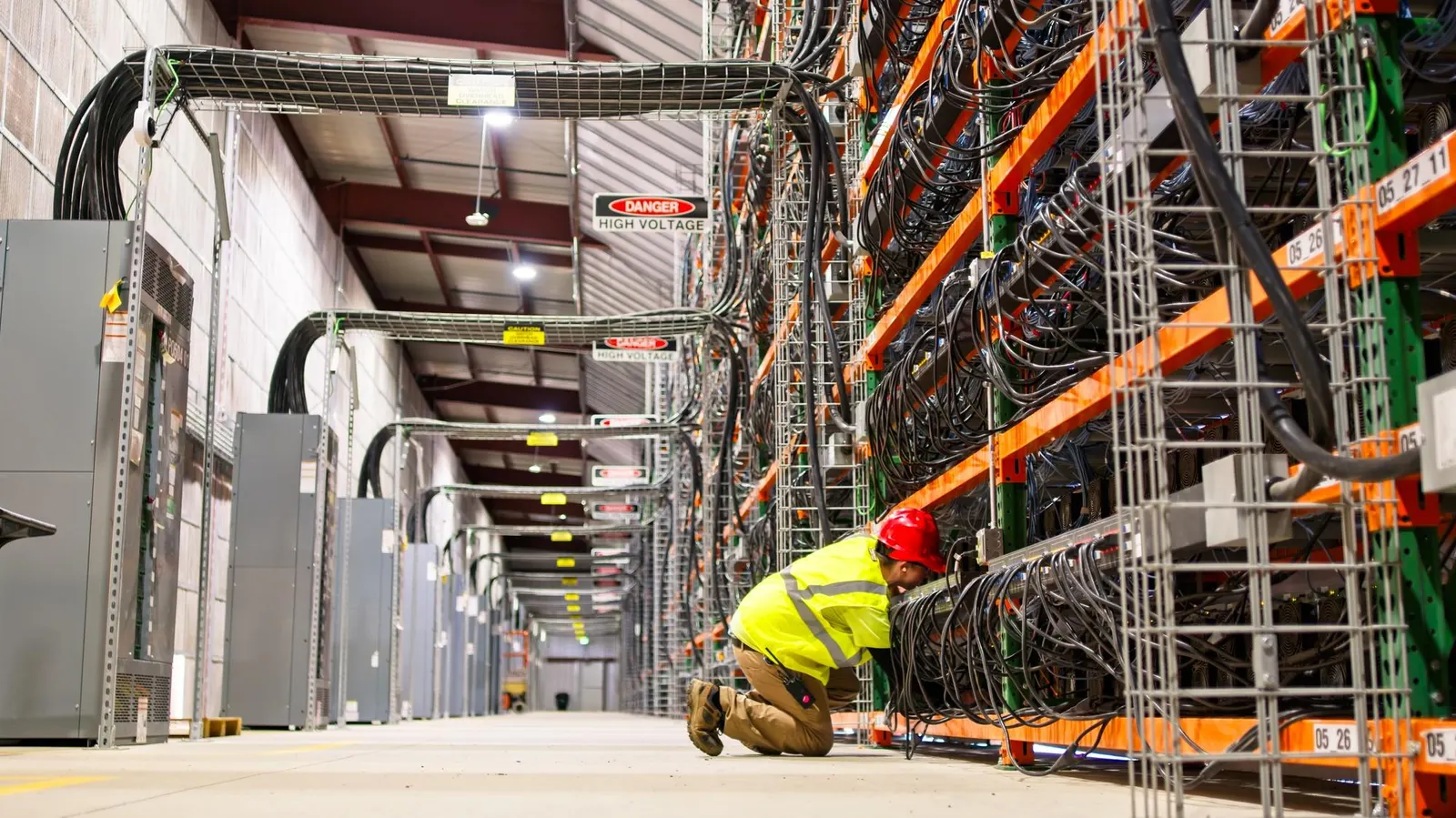
CEOs have warned that AI will wipe out white-collar and entry-level jobs, but demand for the tools is already creating new opportunities. America’s energy sector is thriving during the world’s latest tech transformation—but there aren’t enough workers to meet the demand.
The U.S. power and grid value chain will need around 500,000 additional workers by 2030, according to a recent report from Goldman Sachs. And seeing as these roles often require three to four years of training, it creates a years-long skilling obstacle in training up a workforce to meet growing demands.
The energy apprenticeship pipeline only had 45,000 entrants in 2024, but really needs 65,000 professionals flowing in yearly to close the labor supply gap. And increasing demand for AI—which necessitates an even greater pool of power—could widen the gap even further.
“Power is a critical bottleneck—but increasingly, the requisite labor presents a structural constraint of its own,” the report explains. “The technical workforce that constructs, wires, cools, and secures this infrastructure is in acute demand, and training cannot happen at the pace capital is being committed.”
America’s energy sector employed roughly 8.5 million workers as of 2024, who took home a median wage of $58,810 a year, according to the U.S. Department of Energy. However, there are more lucrative career opportunities on the table, like traditional fuel production paying an average salary of $65,400, or power plant operators, who take home around $103,600 annually. Plus, energy jobs often don’t require a costly college degree—specialized training and on-the-job experience are king.