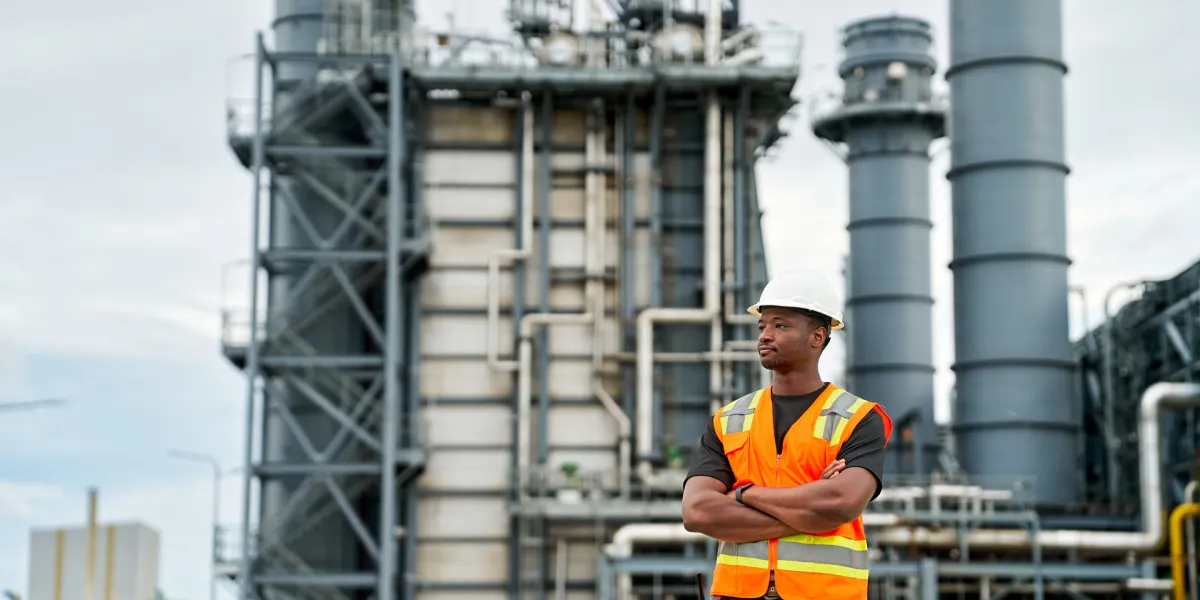
America’s AI future won’t be stopped by China, energy shortages, or a lack of investment. It will be stopped by a lack of workers.
That reality hit hard at the Energy & Innovation Summit in Pittsburgh last month, hosted by Senator Dave McCormick, Carnegie Mellon President Farnam Jahanian, and a remarkable roster of business executives, industry leaders, and federal cabinet secretaries. Pennsylvania sits at the center of this future—with the Marcellus Shale, leading universities, and advanced manufacturing hubs powering some of the nation’s most ambitious energy projects.
While headlines celebrated $90 billion in new private investment for energy and data infrastructure, they missed the bigger story: the federal government is finally cutting the red tape holding back $1 trillion in stalled projects—but we don’t have enough workers to build them.
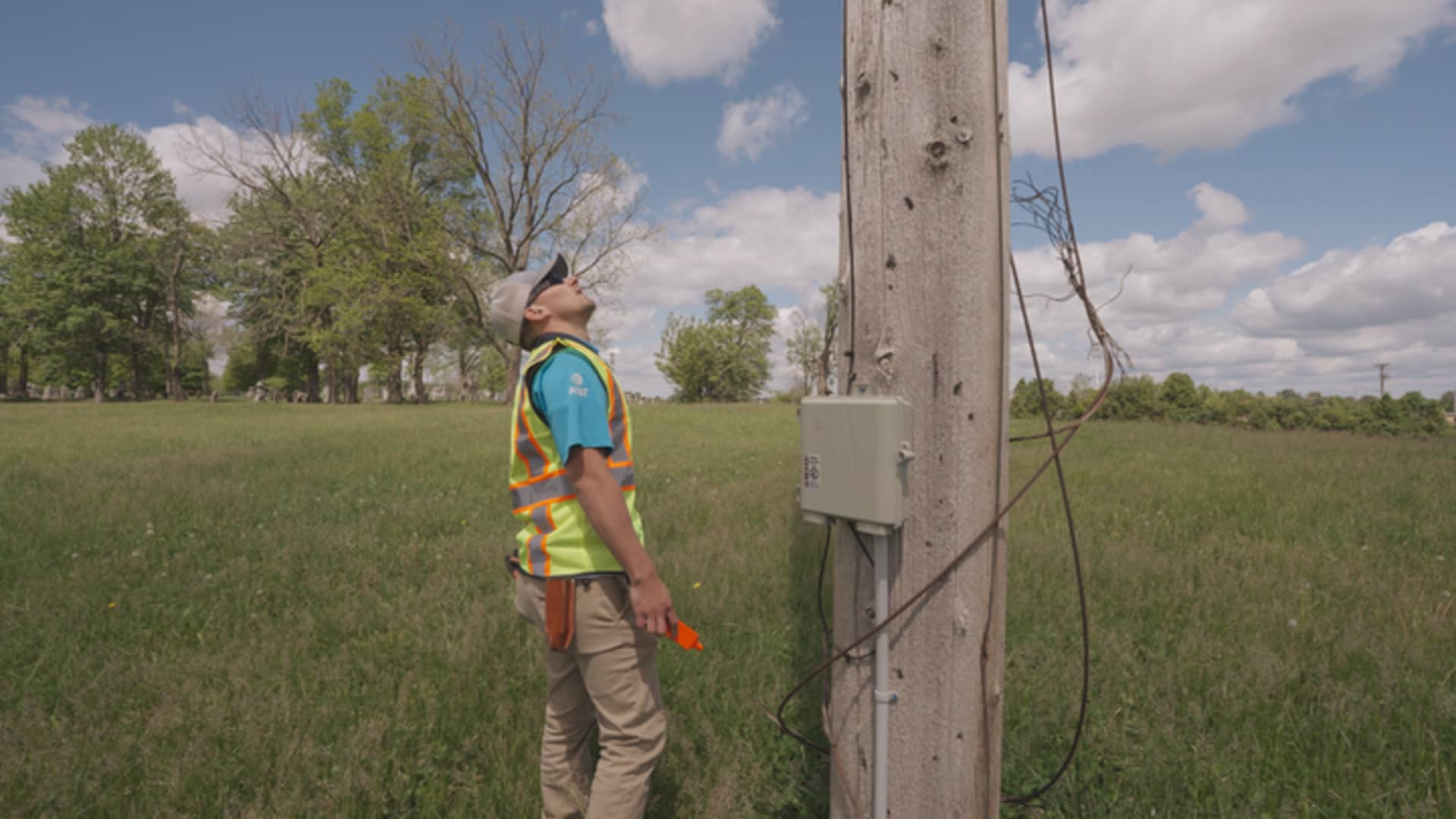
The story extends far beyond Pittsburgh. Across rural counties from Appalachia to the Midwest, new data centers, logistics hubs, and energy projects are breaking ground—only to run into the same roadblock: too few workers to get the job done. The U.S. faces a projected shortfall of 6 million workers over the next decade. Lightcast data shows there are currently 1 million job openings in construction, manufacturing, transportation and warehousing. Even worse, 24 million people in today’s labor force are over 60 and nearing retirement, with significant portions of these industries aging rapidly, creating a dangerously thin talent pipeline just as demand surges.