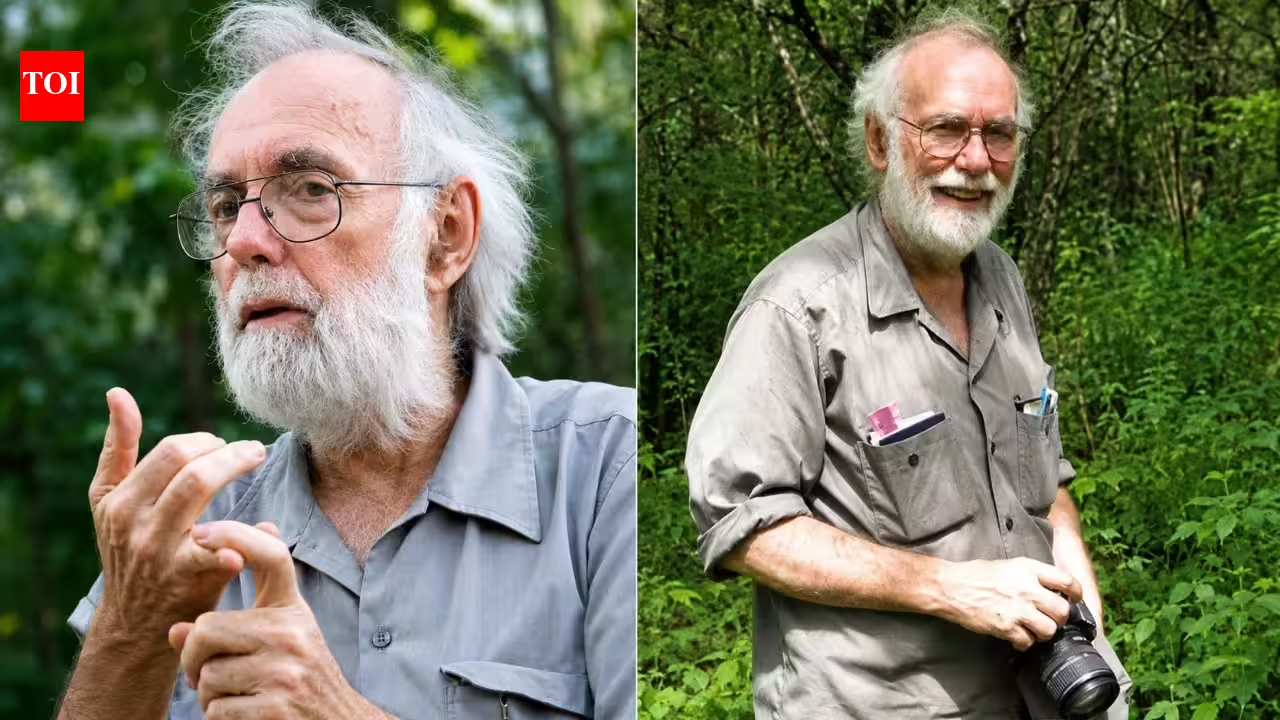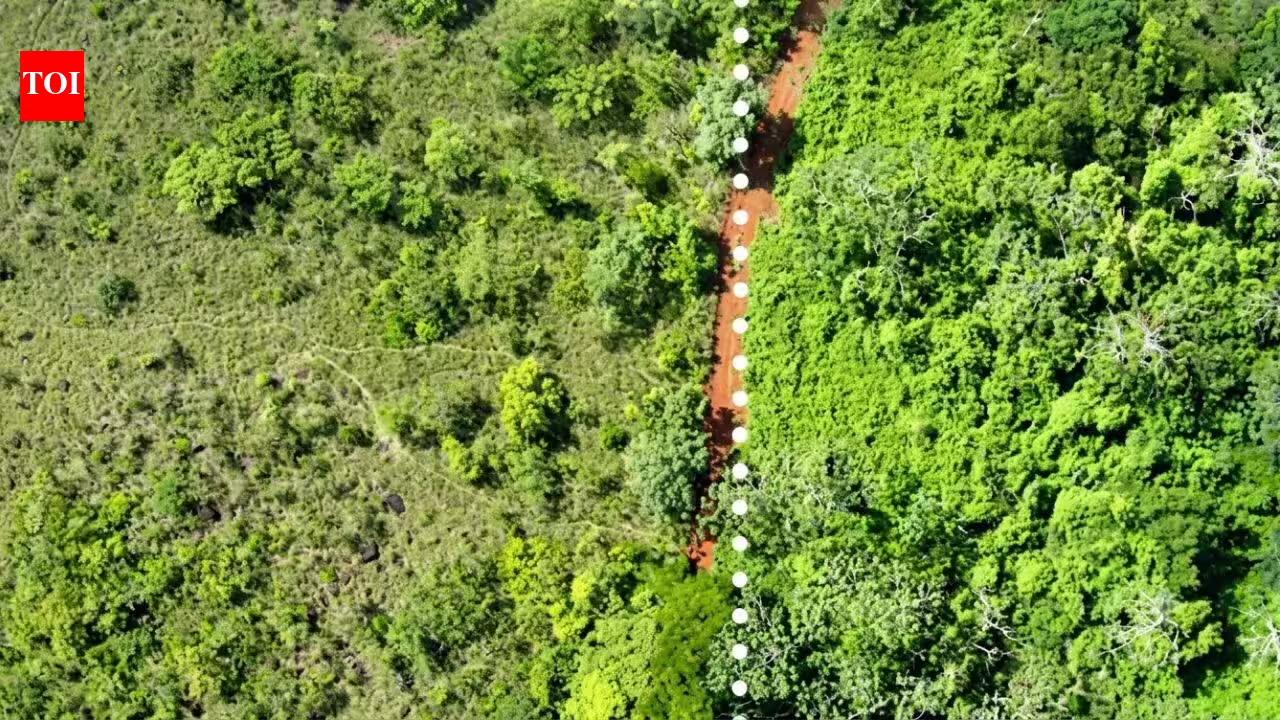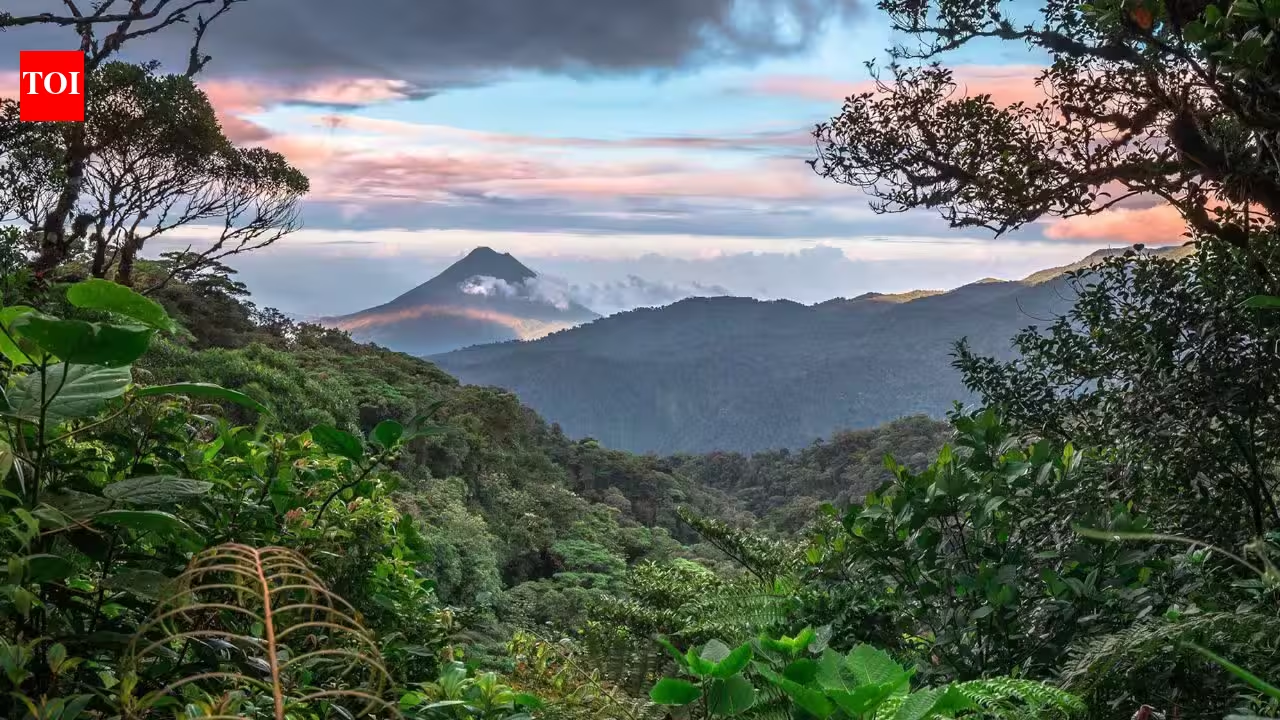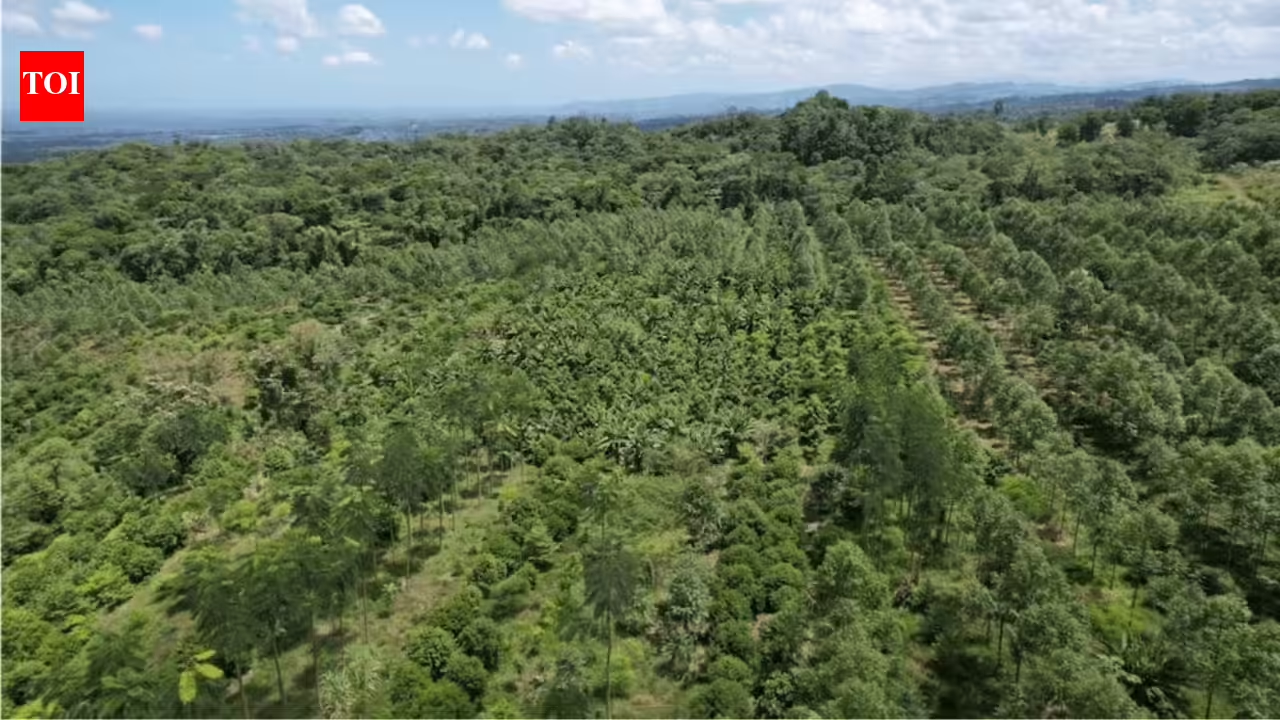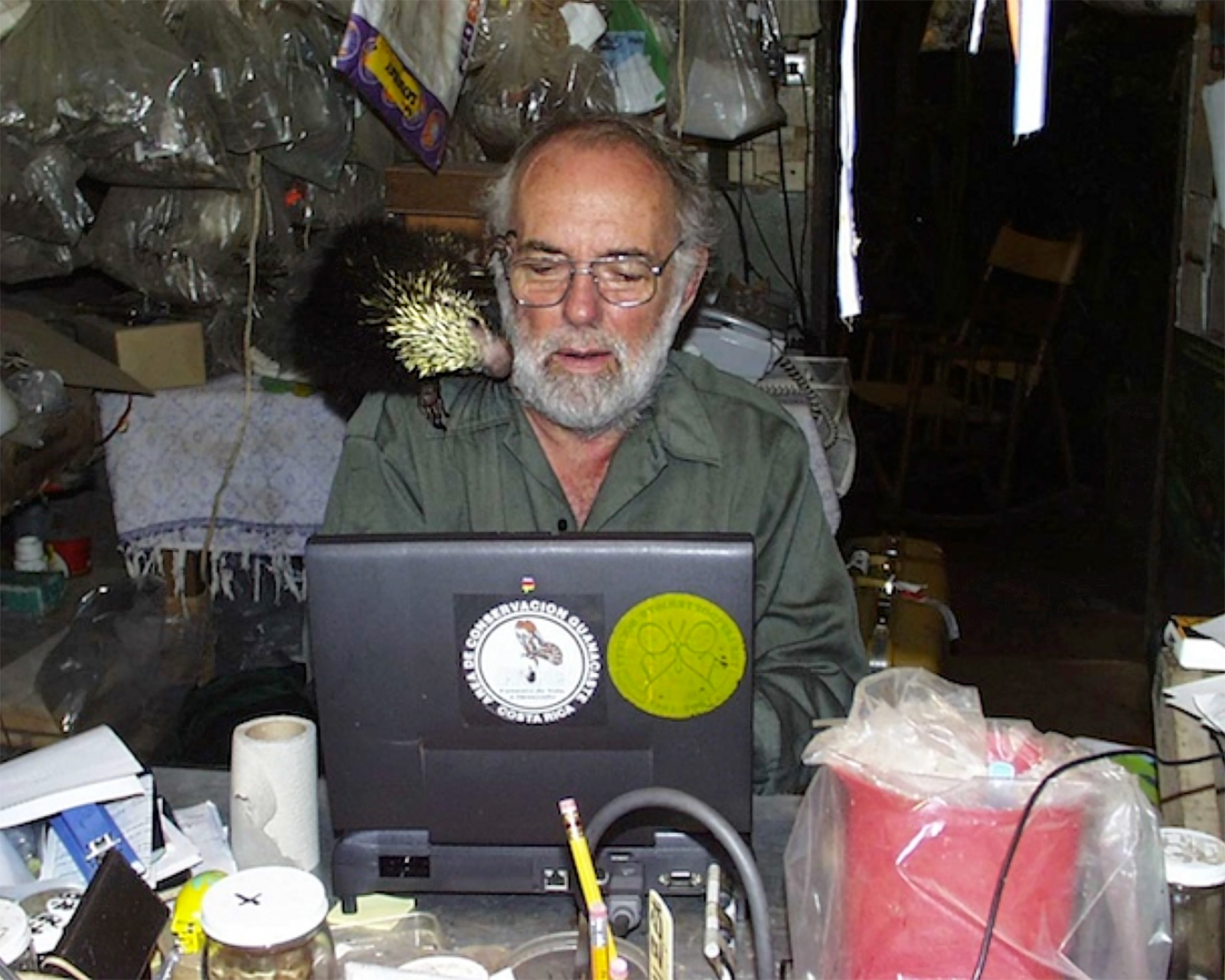
Daniel Janzen’s scientific work helped reshape ecologists’ understanding of tropical forests, especially the relationships among plants, insects, pathogens, predators, and seeds.With Winnie Hallwachs and Costa Rican partners, he helped turn degraded ranchlands in Guanacaste into a protected, working landscape that now connects ecosystems from the Pacific coast to cloud forest and Caribbean rain forest.ACG’s parataxonomists, educators, field staff, directors, and neighboring communities have made the project durable through their day-to-day work, linking conservation to local employment, education, and scientific expertise.Janzen and Hallwachs’s more recent work on DNA barcoding and bioliteracy aims to help Costa Rica identify, study, and value the extraordinary diversity of life within its borders.
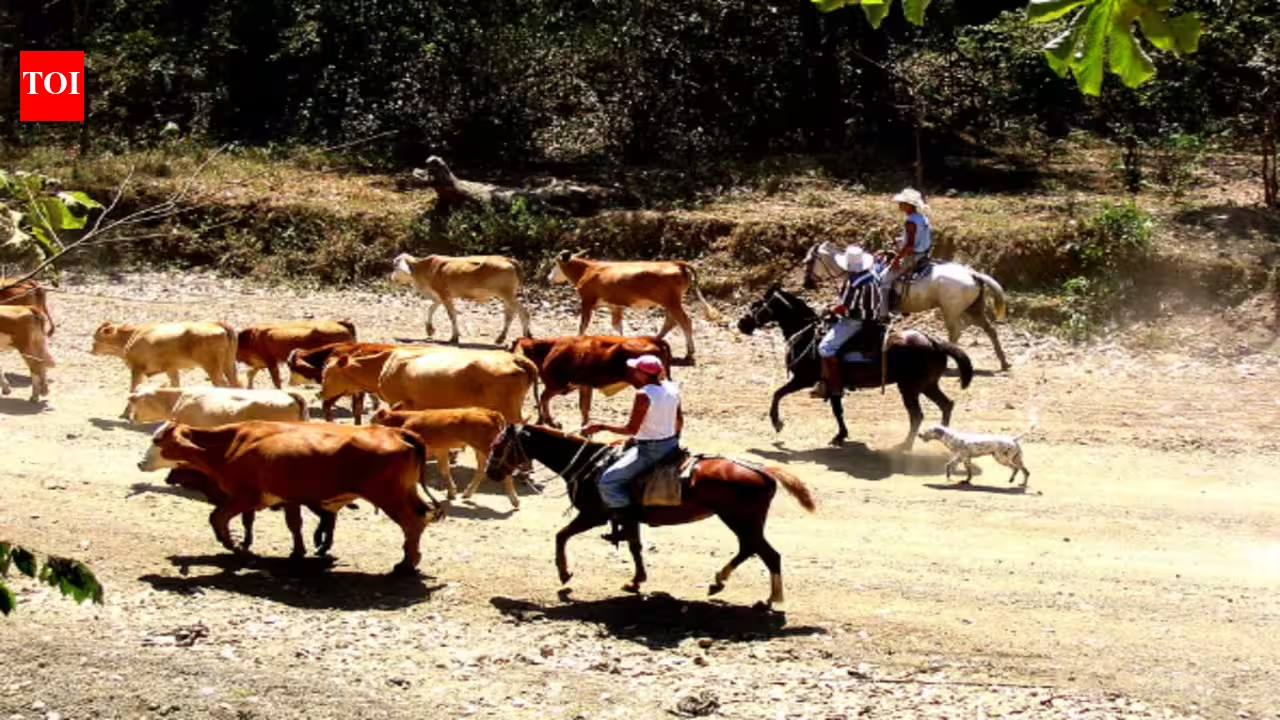
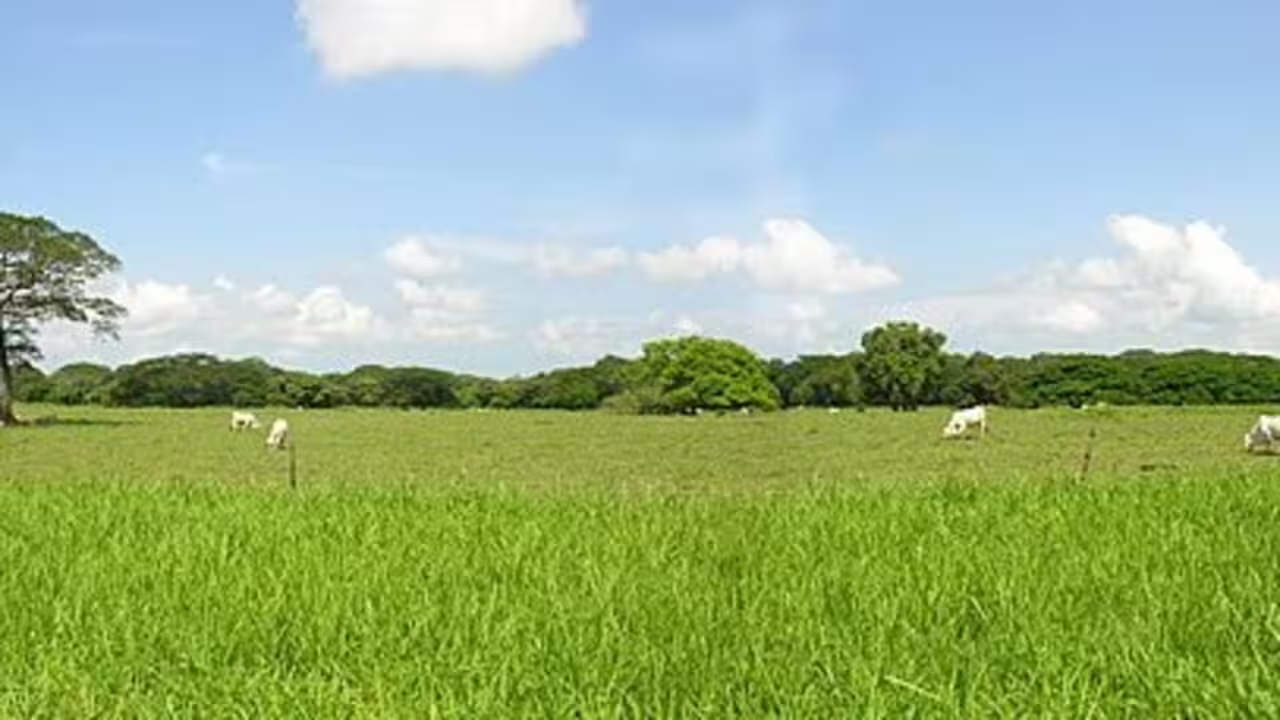
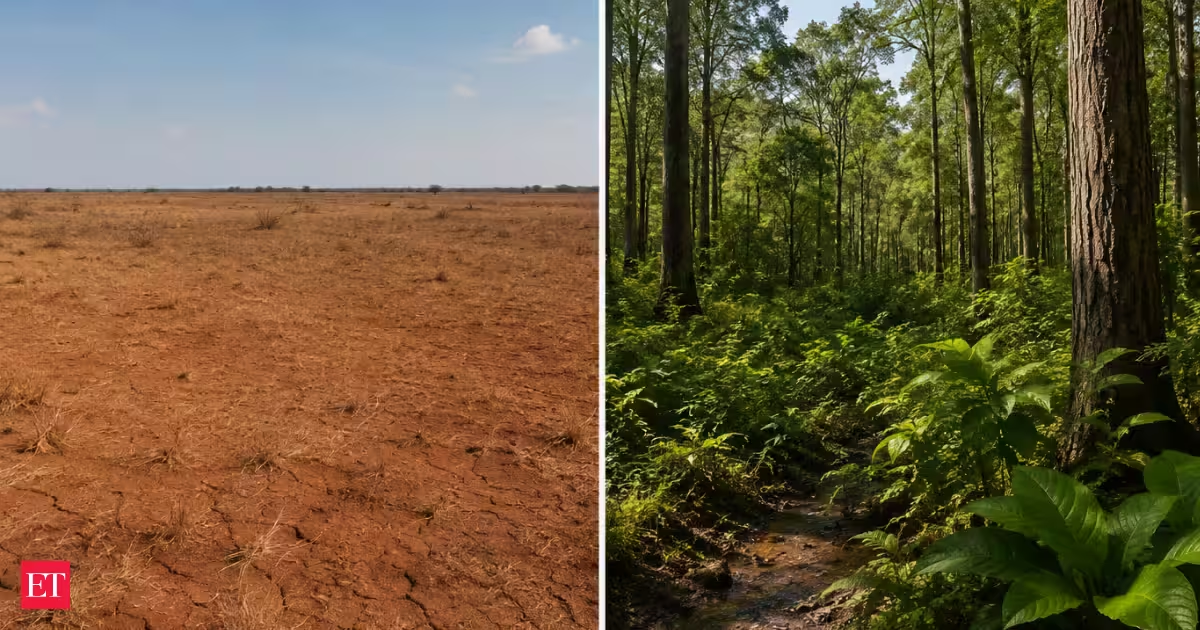
In northwestern Costa Rica, the forest did not return all at once. First the cattle were removed. Then the fires had to be stopped. Introduced grasses made the old ranchlands burn too easily. Fence lines had to be watched. Seeds had to arrive by wind, birds, bats, and the stomachs of passing animals. People had to believe the land could become something other than pasture, and then stay long enough to see it happen.