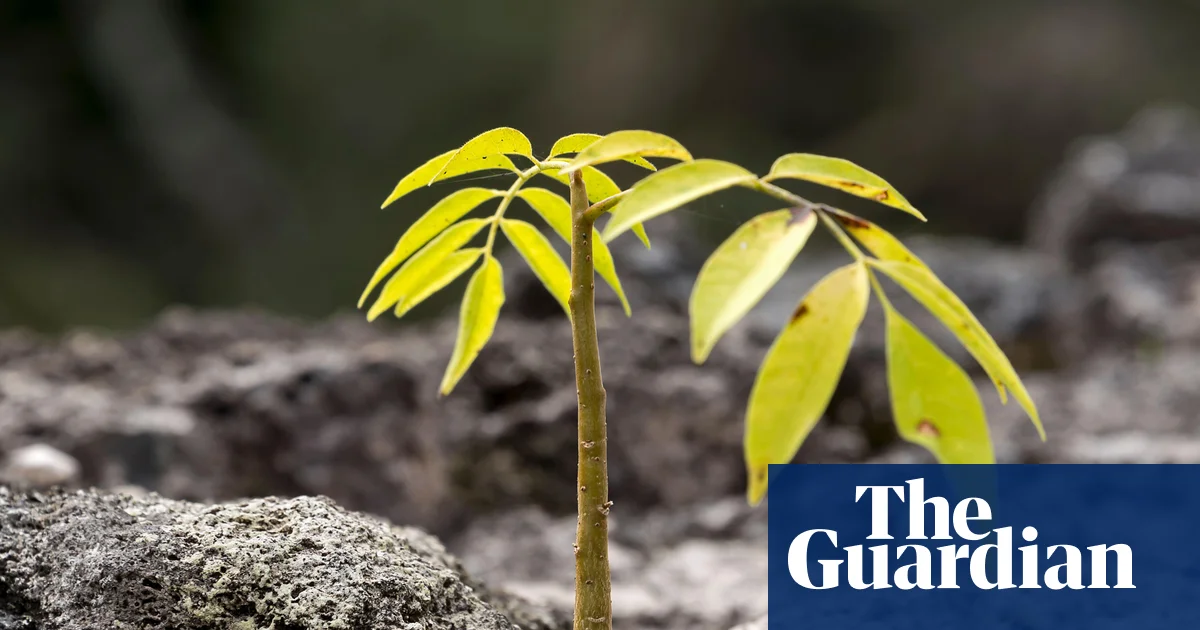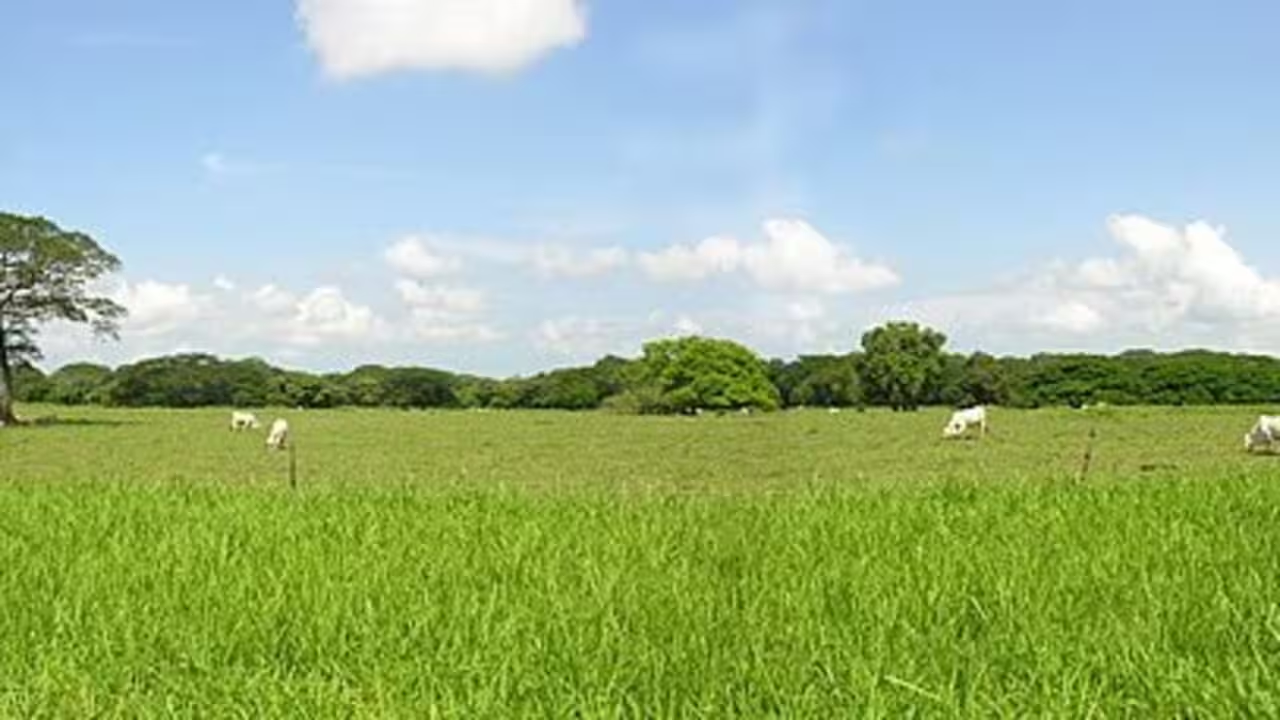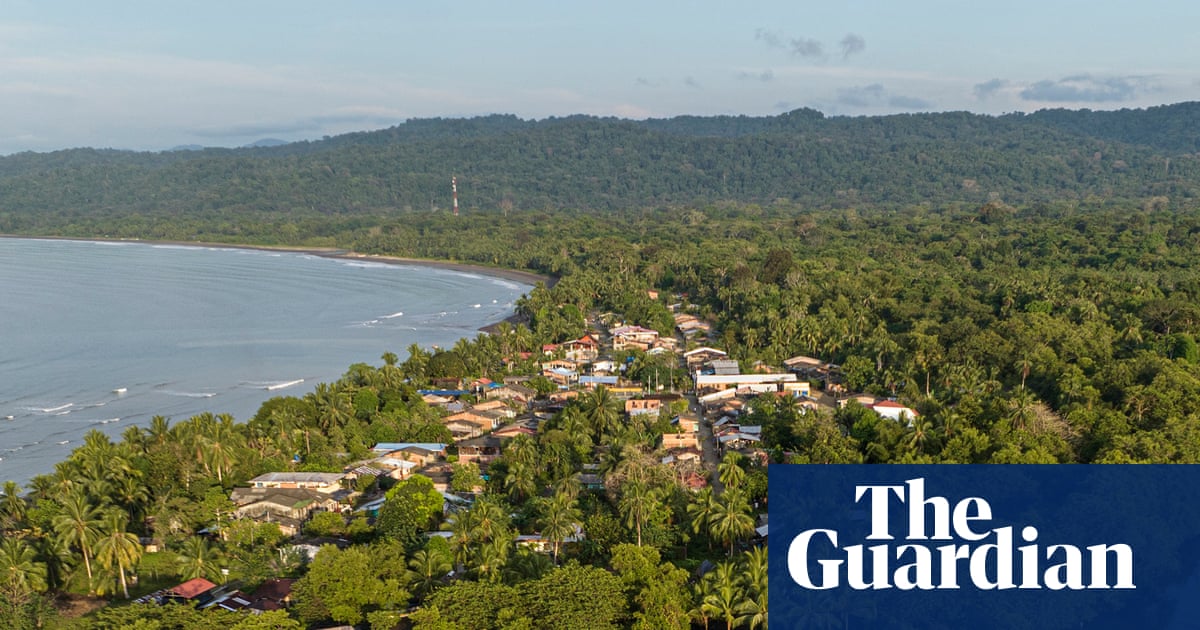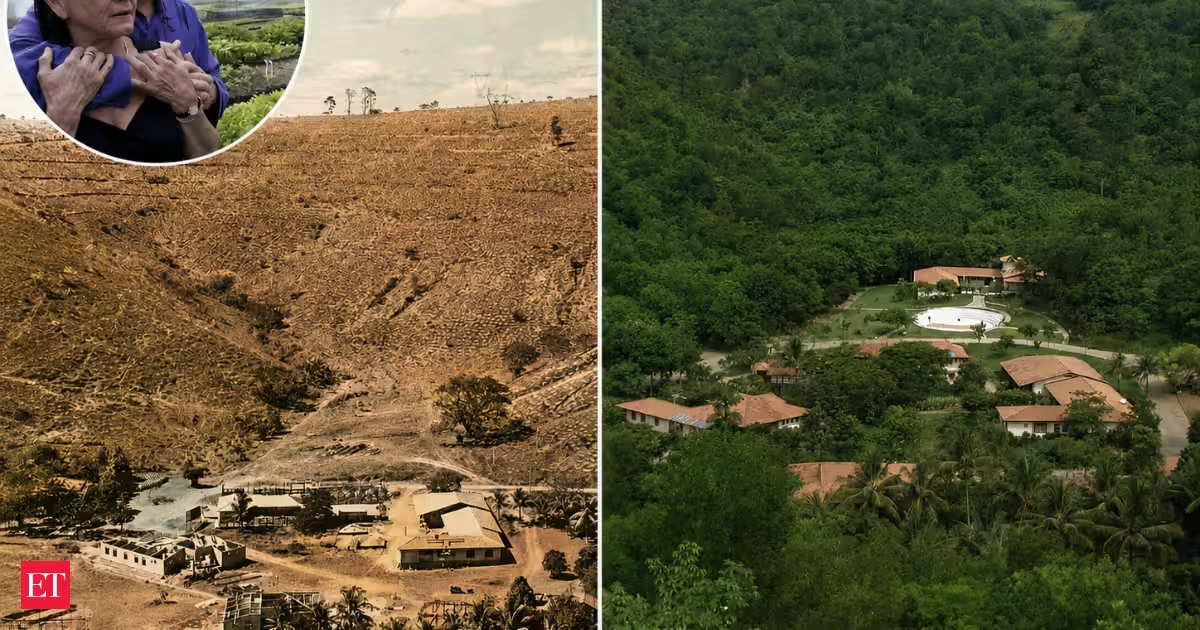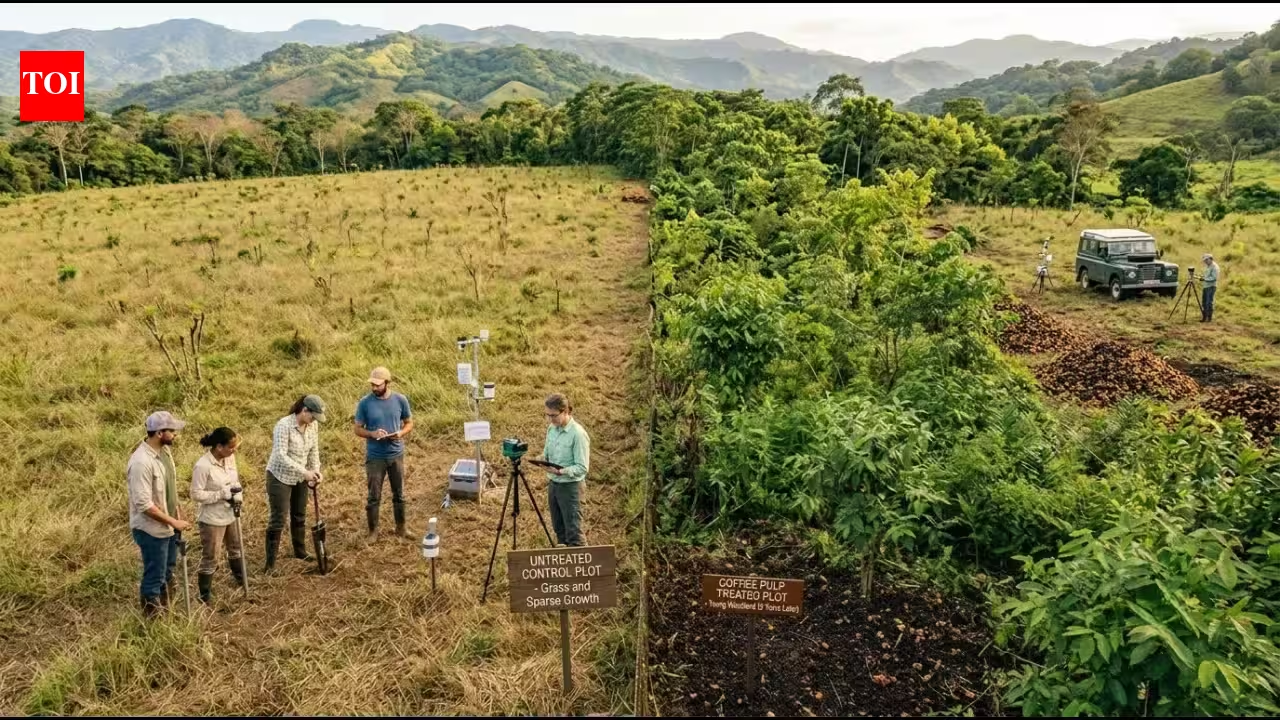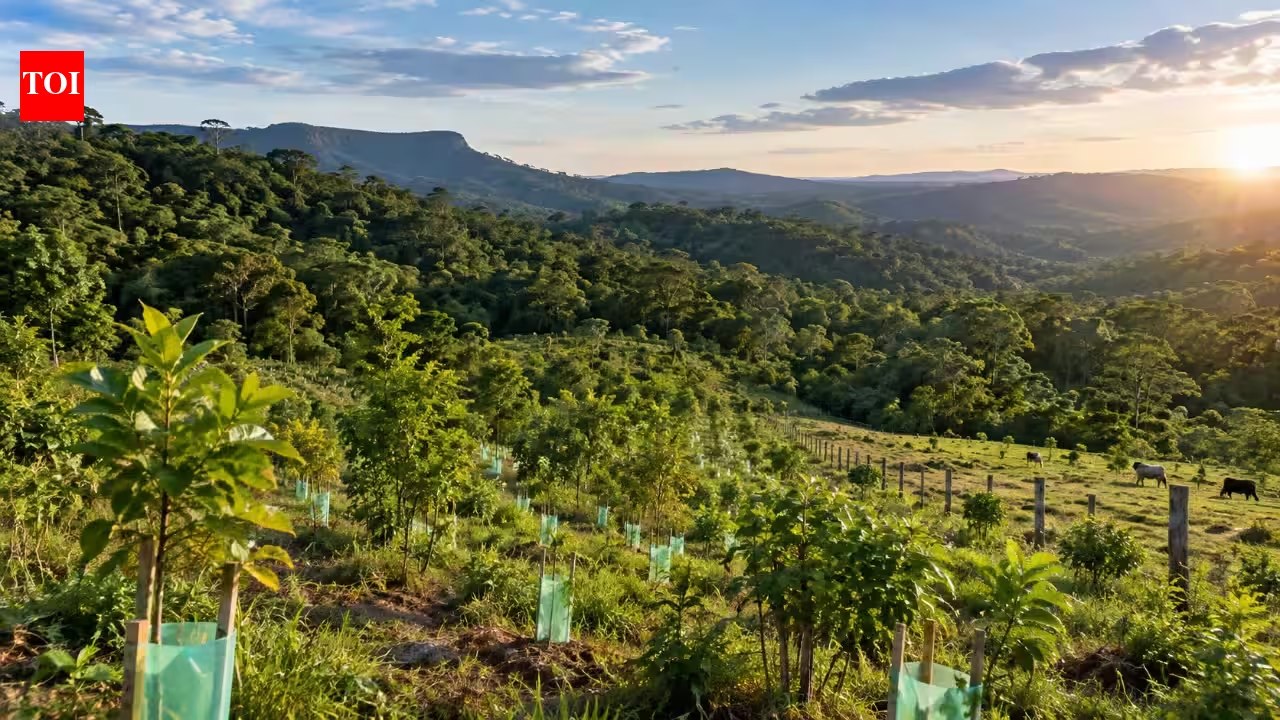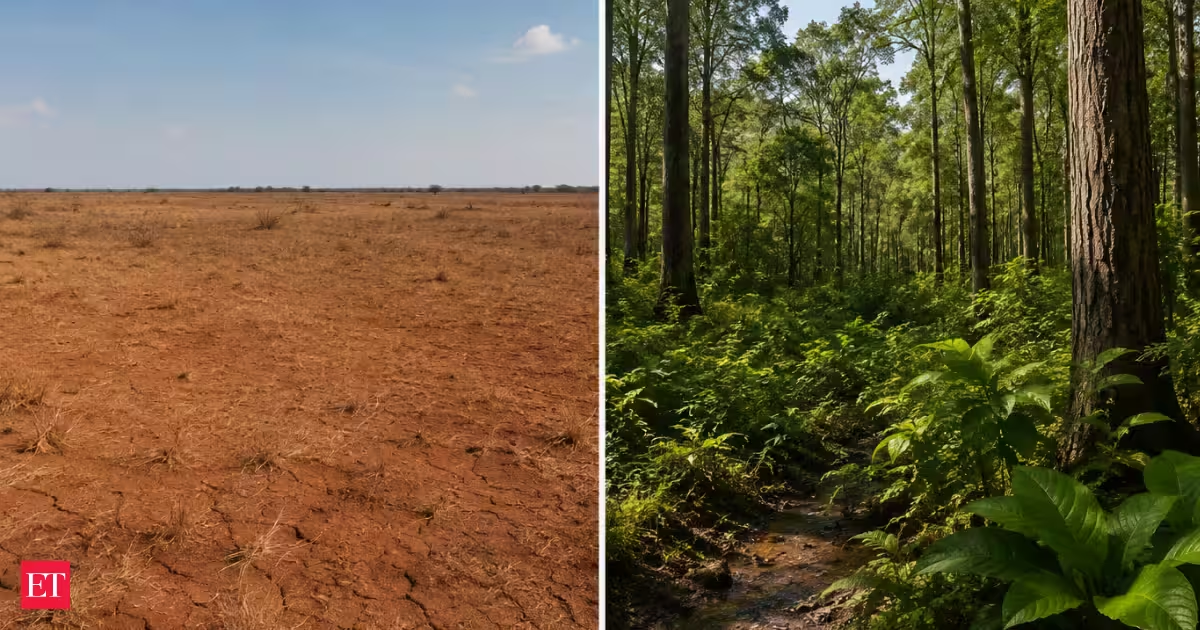
Think of the flattest, most forgotten piece of land you can imagine. No trees, no birds, soil so acidic the farmers had given up on it for good. That was Los Llanos, the eastern savanna of Colombia in the late 60s. According to the on-the-ground report from The Ecologist, a young Colombian dreamer named Paolo Lugari looked at this "wet desert" and decided it was the perfect place to prove sustainable living could work anywhere. In 1971, he founded a small community there called Gaviotas. Today, decades later, that same dead land is a thriving rainforest.The desert of the mindGaviotas tried crop after crop, and almost all failed. According to a report from Good News Network, the soil measured pH at around 4, about as acidic as black coffee. Lugari was told by agronomists that nothing useful would grow there. He famously answered that the only real deserts are those which exist in our minds.So the community turned to something unexpected: Caribbean pine, native to Central America and the Caribbean, not the South American savannah. It wasn't an obvious fit, and that's why it's such a good story.A fungus made the differenceThe only survivors were the pine saplings. The change began when the Gaviotans inoculated the roots with a mycorrhizal fungus called Pisolithus tinctorius, which helps pine roots extract nutrients from soil too poor to support them on their own. That boost helped the trees take root, and the community eventually planted about 8,000 hectares, or roughly 30 square miles, of pine forest, according to the same Ecologist report.Los Llanos, Colombia's eastern savanna: the "wet desert" agronomists once wrote off as too acidic to farm. Image Credits: Wikimedia CommonsWhat researchers actually measuredThis is more than just a good story. In one field experiment in the Gaviotas plantations, researchers compared cattle-grazed savannah soil with soil under pine stands 4, 7, 10, 12, and 15 years old. According to a 2005 study by Cortés-Pérez, Dueñas, and Cardozo in the Revista de la Academia Colombiana de Ciencias Exactas, Físicas y Naturales, the plantations shifted grassland toward a layered shrub, small-tree, and canopy structure as plant diversity increased with age.Simply put, they found that the pines changed the ecosystem's basic structure, not just its appearance.Shade first, rainforest secondAs the pines grew tall enough to cast shade, the ground below them cooled and retained more moisture, mimicking a natural forest floor. Seeds, perhaps dormant in the soil, or blown in on the wind or dropped by birds, began to germinate beneath the canopy. In fact, more than 180 native plant species eventually appeared on their own, none of them hand-planted, reports the Ecologist study. Gaviotas also became a source of bottled drinking water, and the increased forest cover also increased local rainfall by about 10 percent by the mid-2000s.The pines proved useful as well. Their resin is sustainably harvested and turned into a material called colofonia, used in everything from paint to cosmetics, providing the community with an income stream that didn’t involve cutting down the forest that had grown back around it.Planted for resin, now shade a rainforest understory that nobody seeded. Image Credits: Wikimedia CommonsThe idea holds up elsewhere tooGaviotas is not an accident. In a peer-reviewed study published in Biodiversity and Conservation, Cavelier and Tobler found that abandoned pine and cypress plantations elsewhere in Colombia’s Andes still had fewer plant species than a nearby intact rainforest, even decades later, but that native forest species were already beginning to reestablish underneath them. This is in line with the larger pattern observed at Gaviotas: an exotic plantation can serve as a nurse crop, helping native species reoccupy land that had ceased to support much of anything.Why this matters if you've never been to ColombiaFor those who scroll past climate headlines feeling like the damage is already done, Gaviotas is a useful gut check. Degraded land can be restored. Sometimes all it takes to push an ecosystem back towards life are slow, unglamorous choices, a resilient tree species and a helpful fungus, rather than some flashy new invention. It matters close to home as well. The U.S. has its own overworked land, from abandoned mining sites in Appalachia to over-farmed land in the South-east, where foresters and land managers are already experimenting with similar nurse-crop strategies.The takeawayNobody planted that rainforest. They planted pines for resin, added a fungus to help them survive, and then they stepped back. The forest did the rest. It's a reminder that restoration doesn't always need a master plan; sometimes it just needs the right first move and enough patience to let nature take it from there.
On a savanna so acidic that experts called it dead, a Colombian community planted a forest of Caribbean pines for resin; under their shade, a rainforest nobody planted came back on its own
Discover how a Colombian community transformed a barren, acidic savanna into a vibrant rainforest by planting Caribbean pines and using mycorrhizal fungi, demonstrating the power of sustainable land restoration.
766 words~3 min read