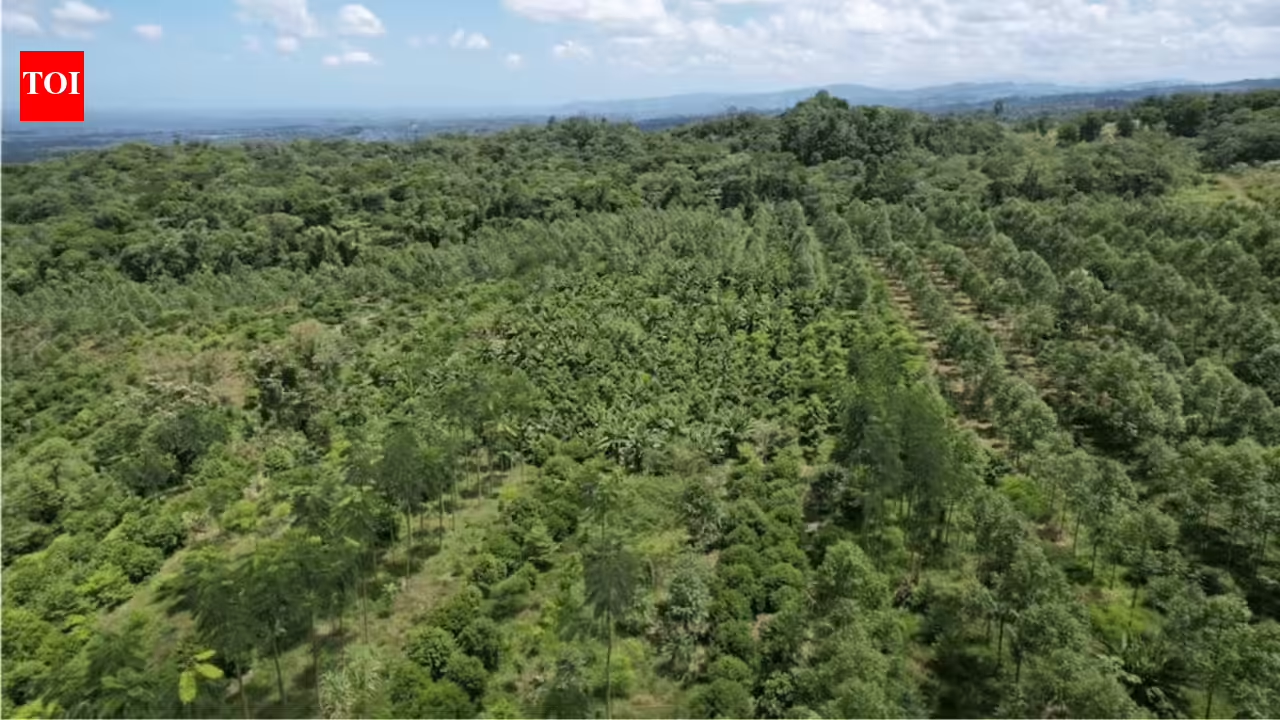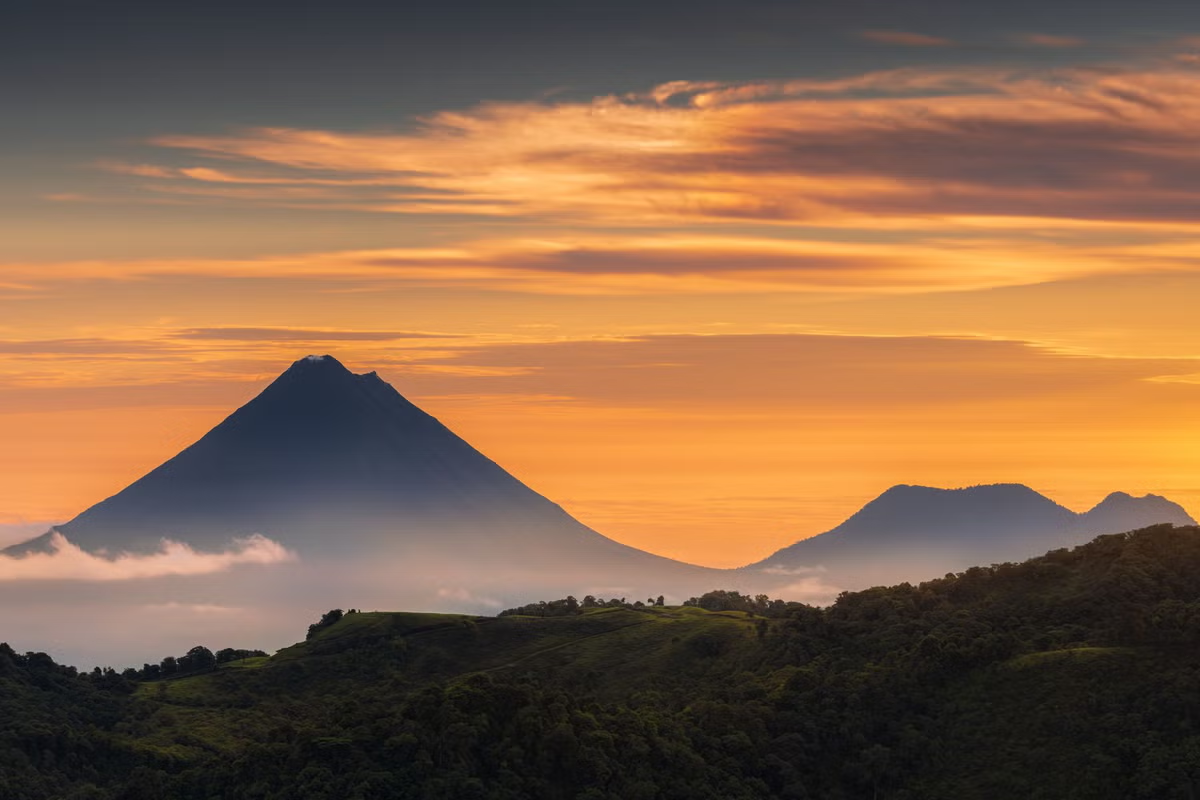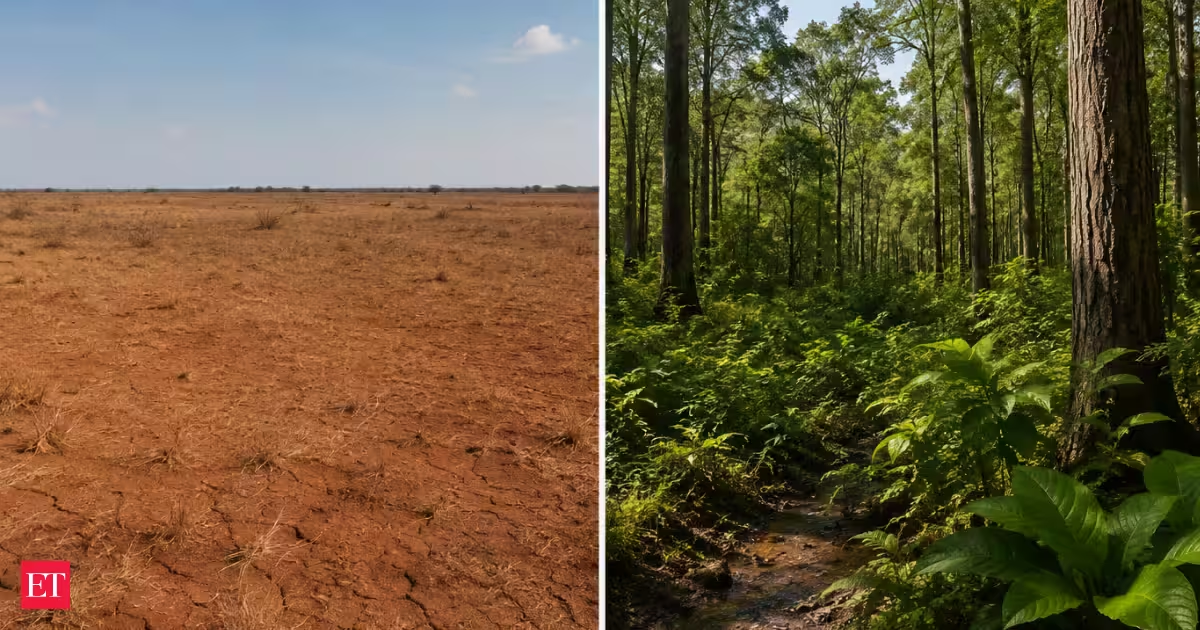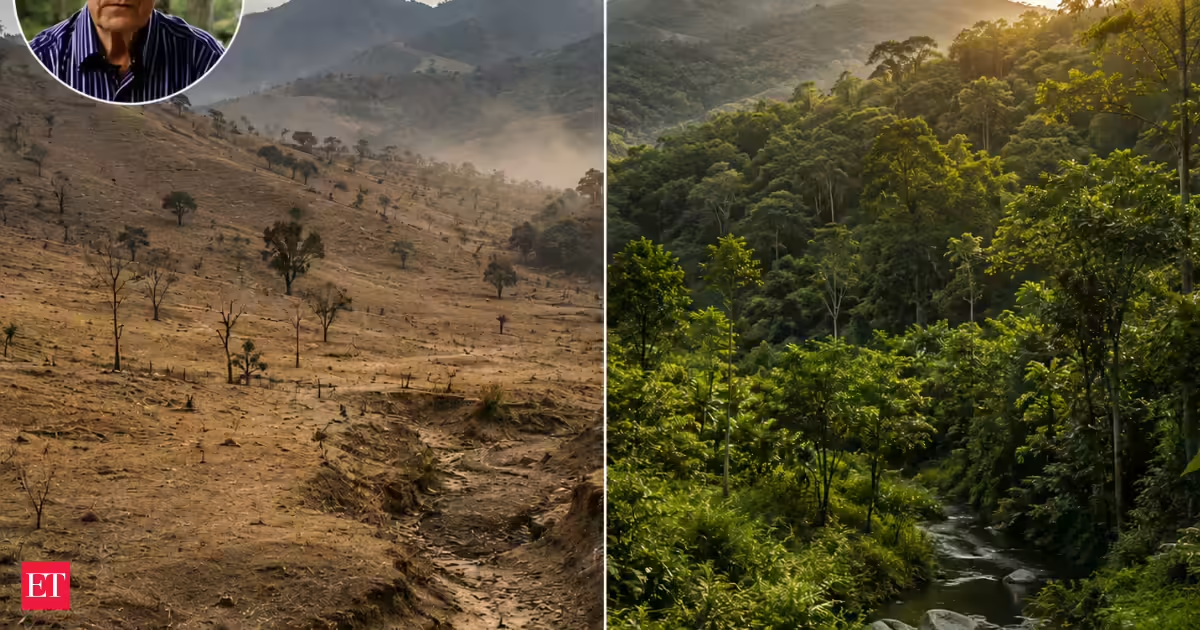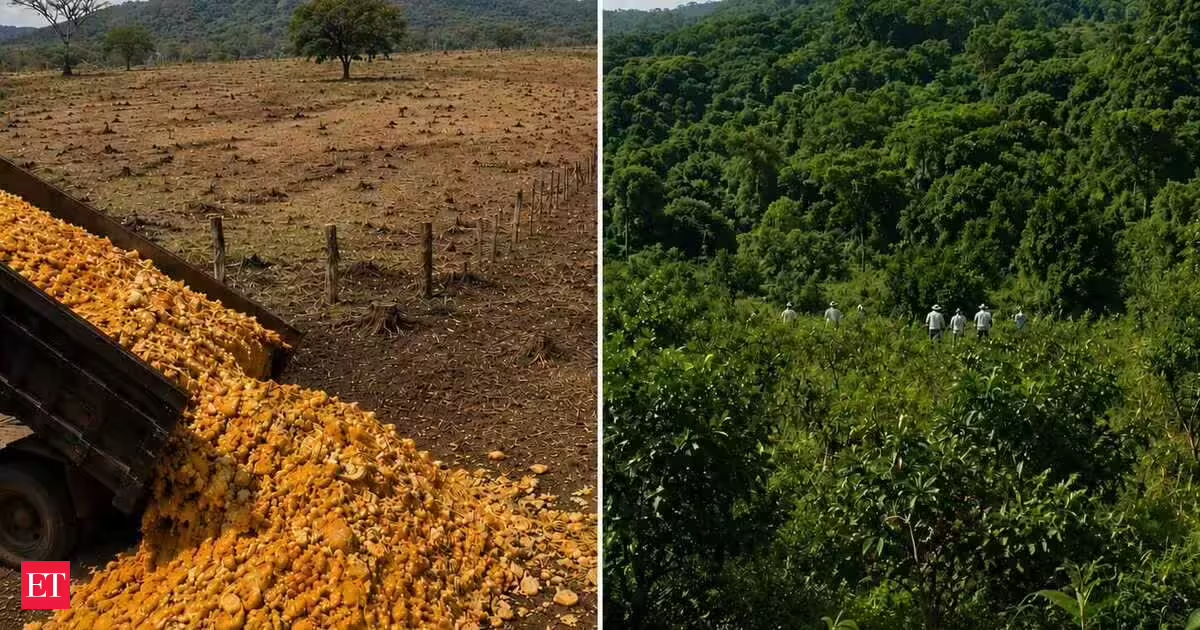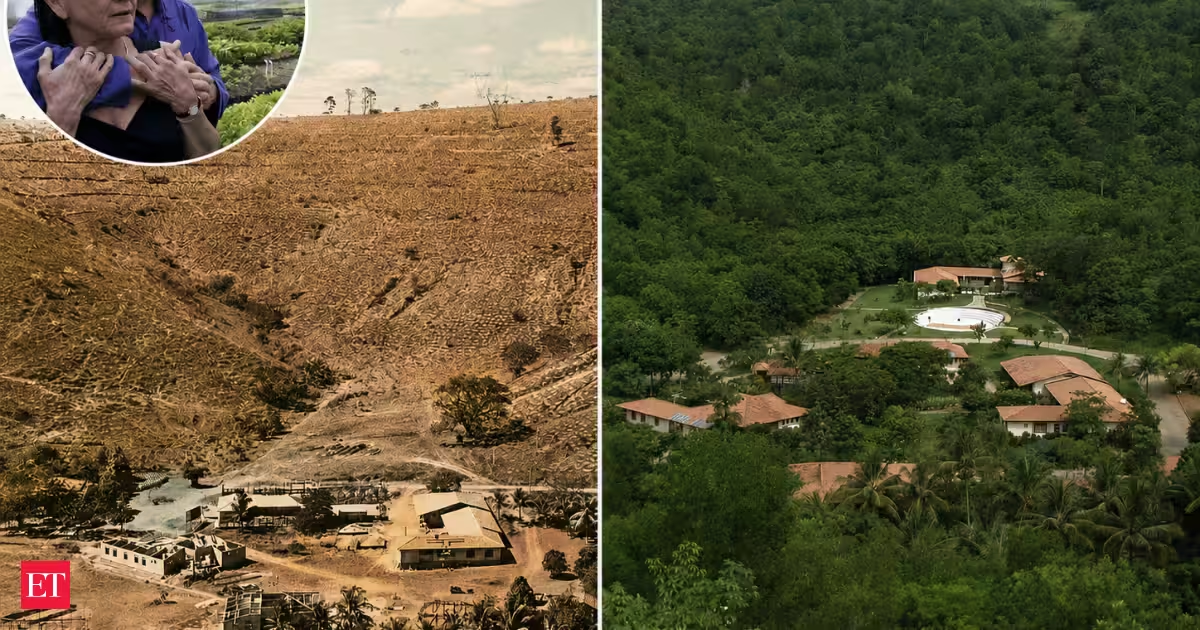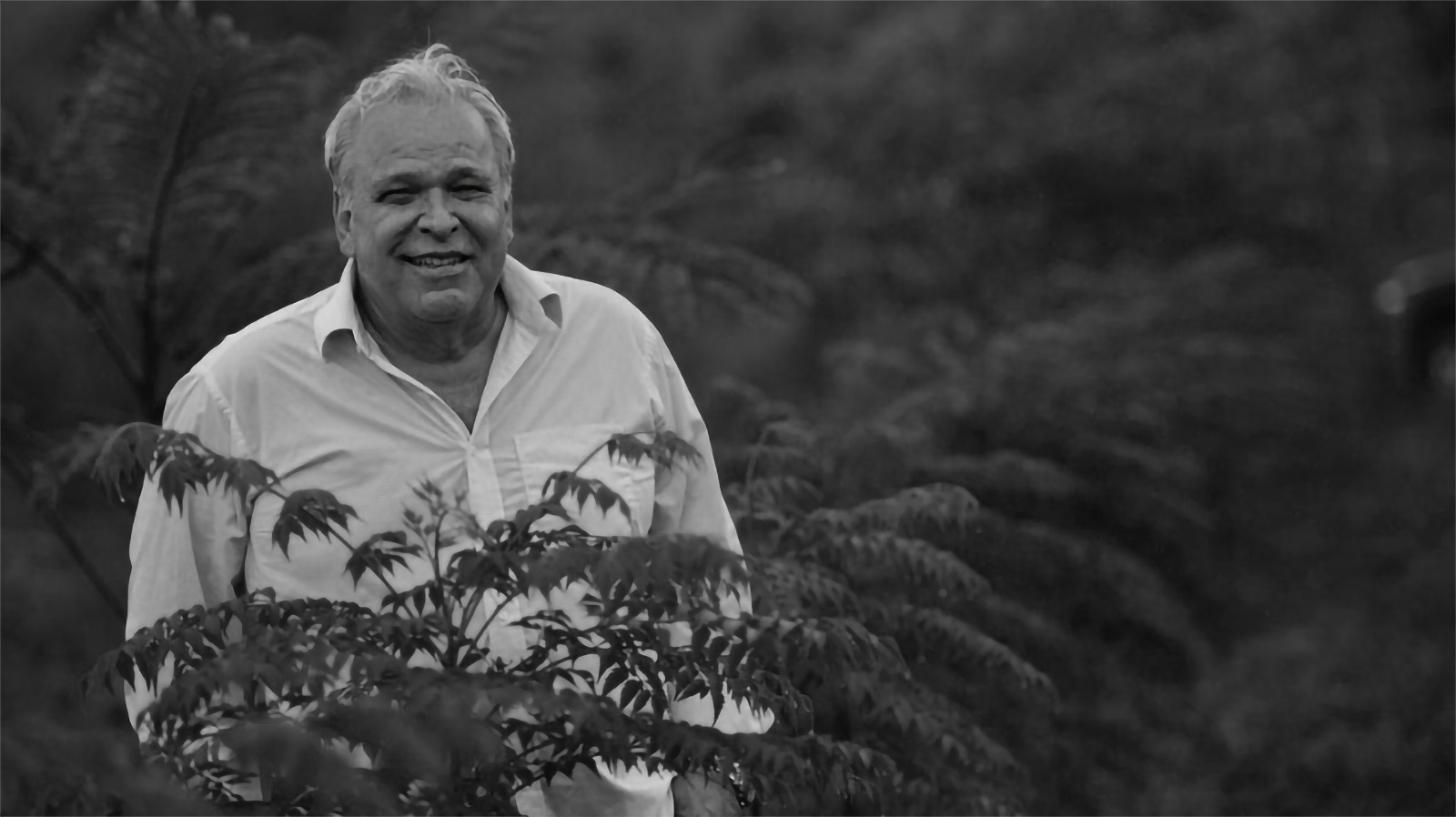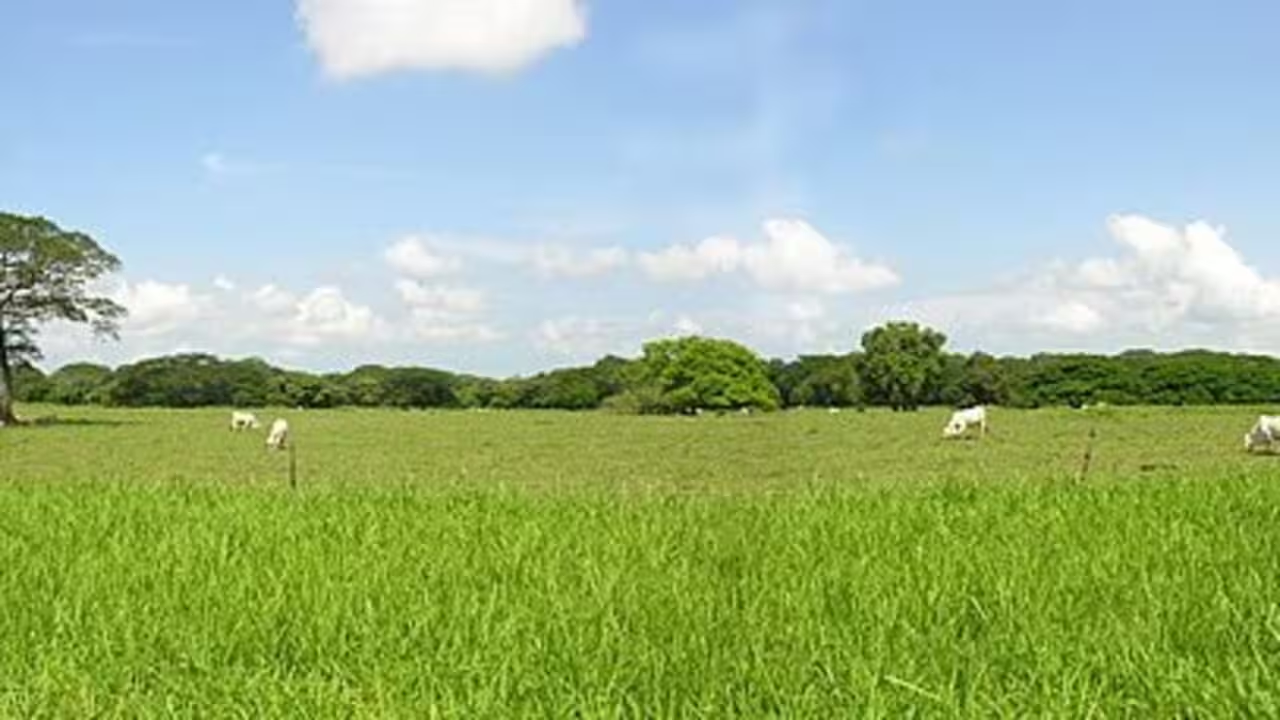
Cattle graze on former pastureland in Guanacaste, Costa Rica, where conservation efforts have helped forests reclaim land once cleared for ranching. Image Credits: Wikimedia Commons.In the 1980s, tropical ecologist Daniel Janzen faced a problem that seemed to have no simple solution. In northwestern Costa Rica, forests that had once covered much of the landscape had been cleared for cattle ranching, leaving behind vast stretches of pasture. Rather than attempting to rebuild the forest tree by tree, Janzen helped develop a more radical approach: protect the land, stop the fires and allow the forest to return on its own.The experiment began on land that had been heavily altered by cattle ranching and repeated burning. The UNESCO entry notes that the property was inscribed in 1999 and later expanded to include the 15,000-hectare Santa Elena area, bringing together a mosaic of protected lands and seas. It also highlights the site’s exceptional biodiversity: roughly 7,000 plant species, more than 900 confirmed vertebrate species, and an estimated 20,000 beetle species, alongside major nesting populations of sea turtles.From cattle pasture to a forest restoration experimentFor generations, much of Guanacaste’s landscape was shaped by cattle ranching. Forests were cleared to create pasture, while fires were regularly used to prevent trees and other vegetation from reclaiming the land. Over time, these practices transformed large areas of tropical dry forest into open grasslands, leaving only fragmented patches of woodland surrounded by fields and pasture.Janzen’s idea was to reconnect these isolated forest fragments by acquiring and protecting the surrounding land. The project included the purchase of former agricultural and pastureland, including an area of almost 10,000 hectares that became the Pocosol sector. The recovery was slow. In the early stages, the former pasture remained dominated by grasses and other vegetation associated with cattle ranching. But without regular burning and grazing, native plants began to return. Over time, shrubs and young trees grew, creating conditions that allowed the forest to expand.The approach was based on an important ecological principle. Forest restoration does not always require humans to plant every tree. In some landscapes, natural regeneration can do much of the work if the forces preventing recovery are removed.Nature begins rebuilding the landscapeGuanacaste’s restoration was about more than increasing the number of trees; it was about reconnecting ecosystems that had been divided by agriculture and ranching. As forest returned, it created a continuous landscape linking different habitats and allowing wildlife to move between them. The conservation area extends from the Pacific coast through dry forests and up towards the volcanic highlands. Its habitats support a wide range of plants and animals, including rare and threatened species. A regenerating forest, by contrast, gradually develops layers of vegetation and interactions among plants, animals, fungi and microorganisms.According to a study published in Forest Ecology and Management, tropical dry forests in Costa Rica regenerate through a succession of stages that can span more than a century. The first stages of regrowth may therefore look modest, even though they represent the beginning of a much longer ecological process.Wind turbines stand across Guanacaste's hills, highlighting the region's landscape of grasslands and restored natural habitats. Image Credits: Wikimedia Commons.letting forests returnThe Guanacaste project is an example of large-scale ecological restoration because it challenged the assumption that damaged land must always be rebuilt through intensive human intervention. In many cases, the most important action may be to remove the pressures that prevent nature from recovering. That does not mean simply abandoning degraded land. The restoration effort required land acquisition, fire control, conservation management, scientific research and long-term protection. Local communities and institutions also became part of the effort to ensure that the protected landscape could survive beyond the initial project.UNESCO describes the Guanacaste Conservation Area as containing important habitats for biological diversity, including some of the best remaining dry-forest habitats between Central America and northern Mexico. What forests need is time and protection. Such a case occurred in Costa Rica, where a landscape damaged by cattle, pasture and fires received both. This did not mean immediate restoration of primaeval forests, but the initiation of a long-term process during which trees started growing again, habitats were connected, and an ecosystem was restored.
A scientist helped protect thousands of hectares of former cattle pasture in Costa Rica and let the forest recover; today it forms part of a 130,000-hectare World Heritage rainforest.
In the 1980s, tropical ecologist Daniel Janzen faced a problem that seemed to have no simple solution. In northwestern Costa Rica, forests that had once covered much of the landscape had been cleared for cattle ranching, leaving behind vast stretches of pasture.
692 words~3 min read