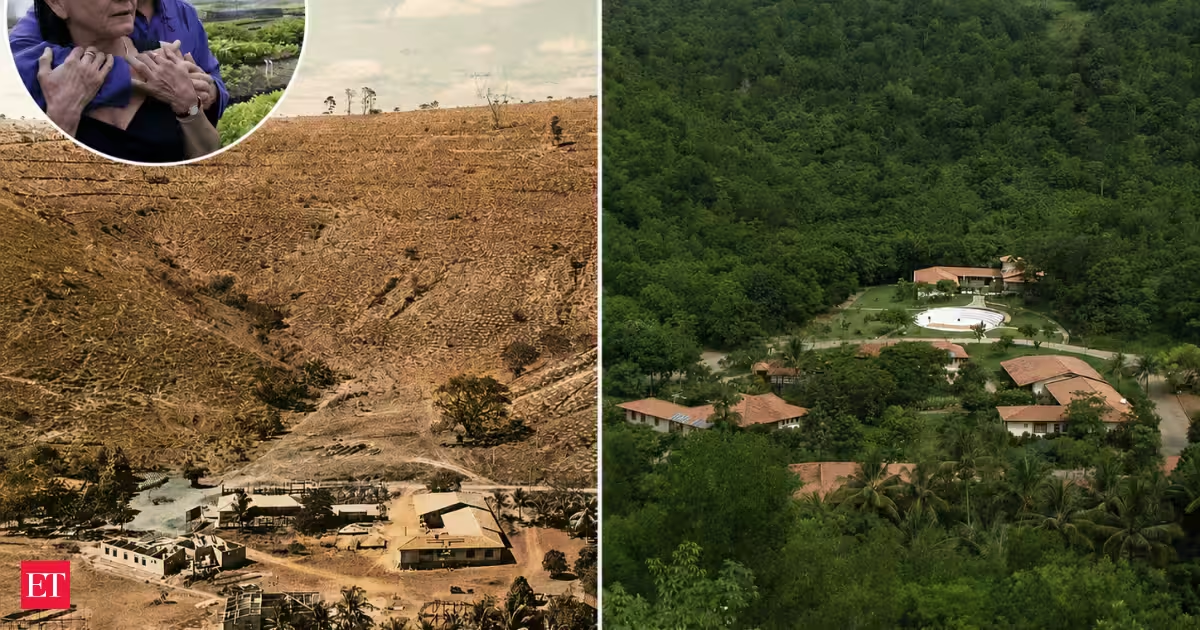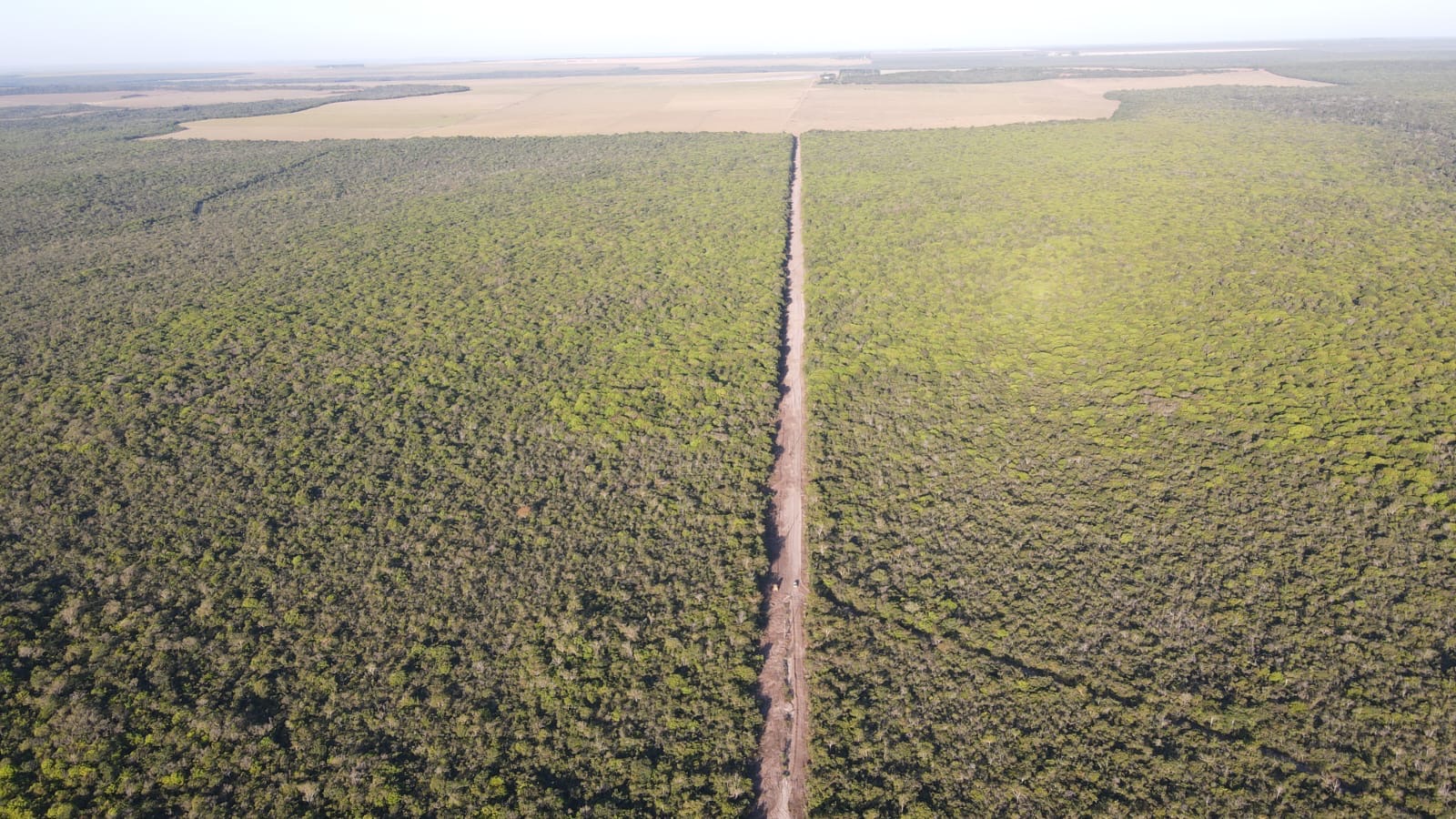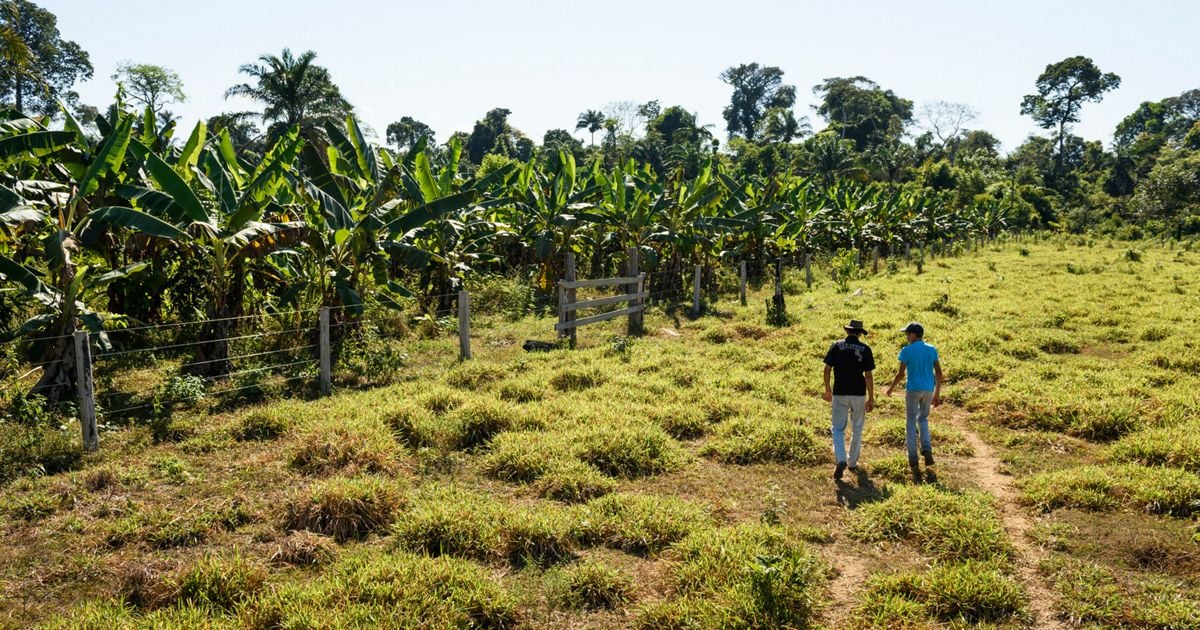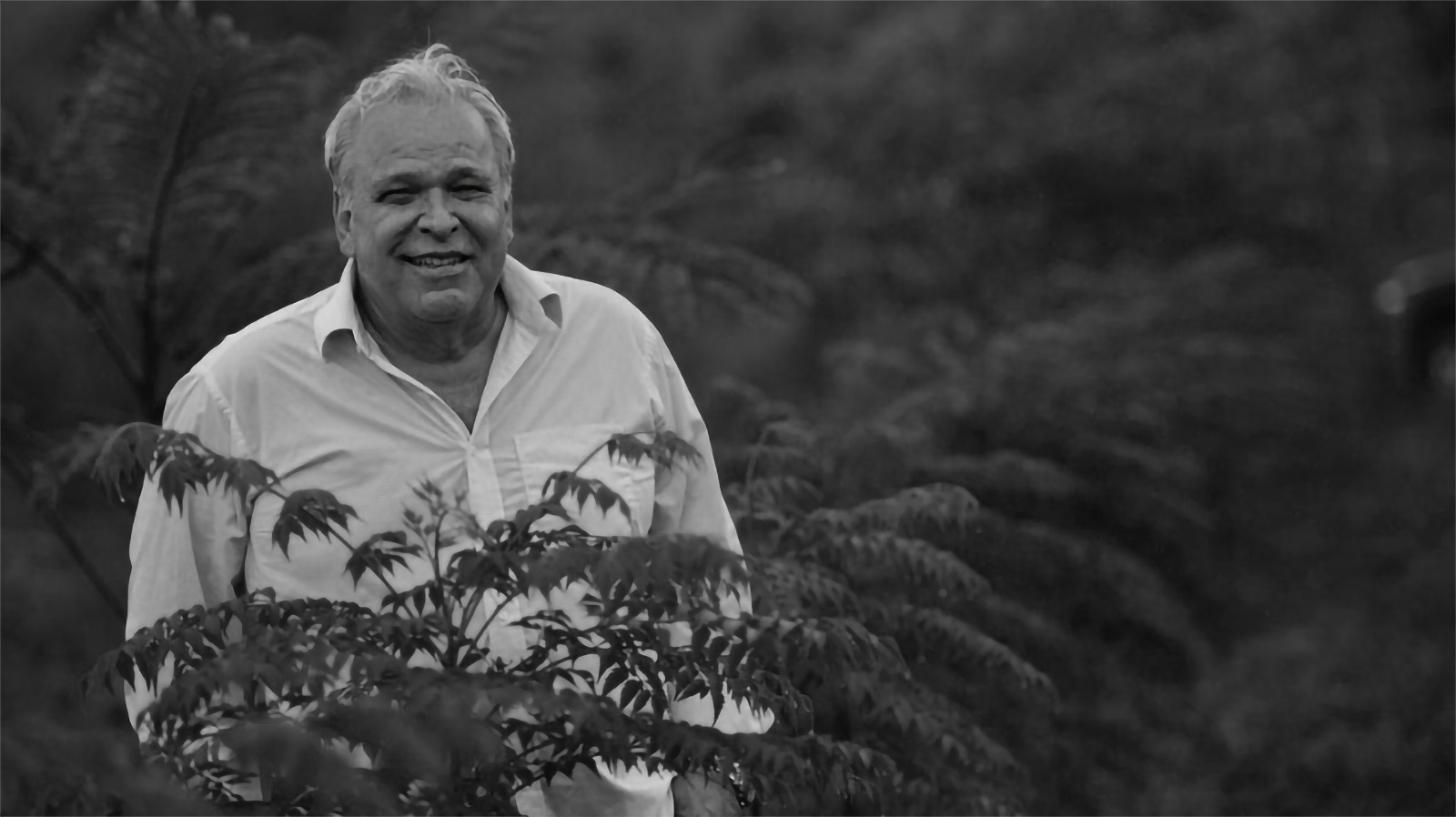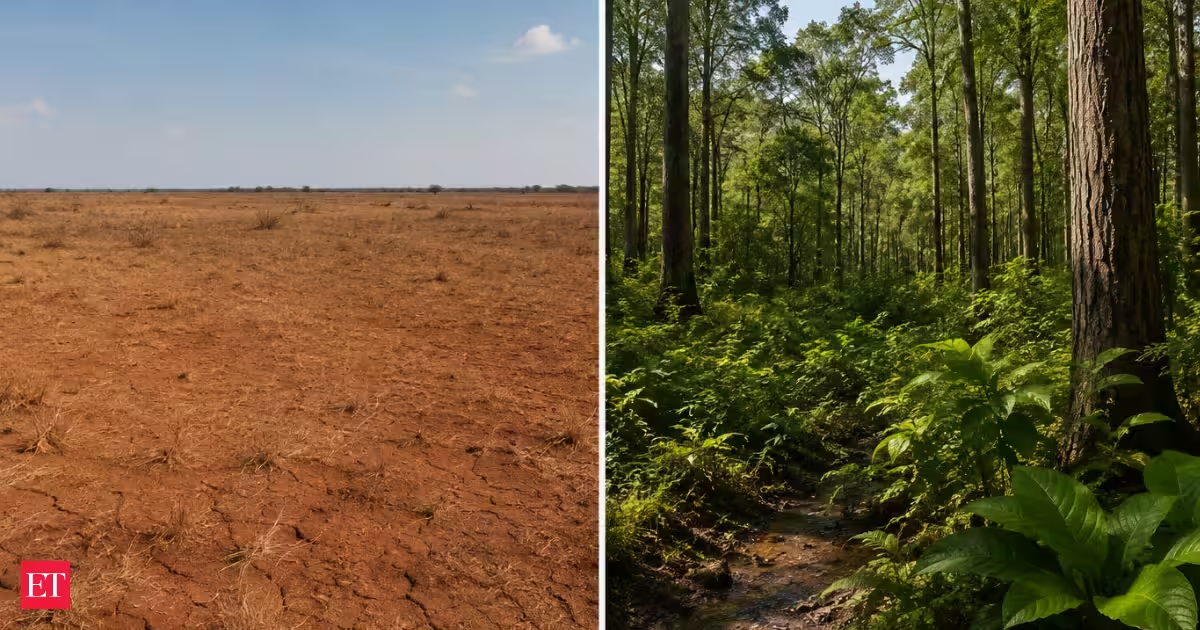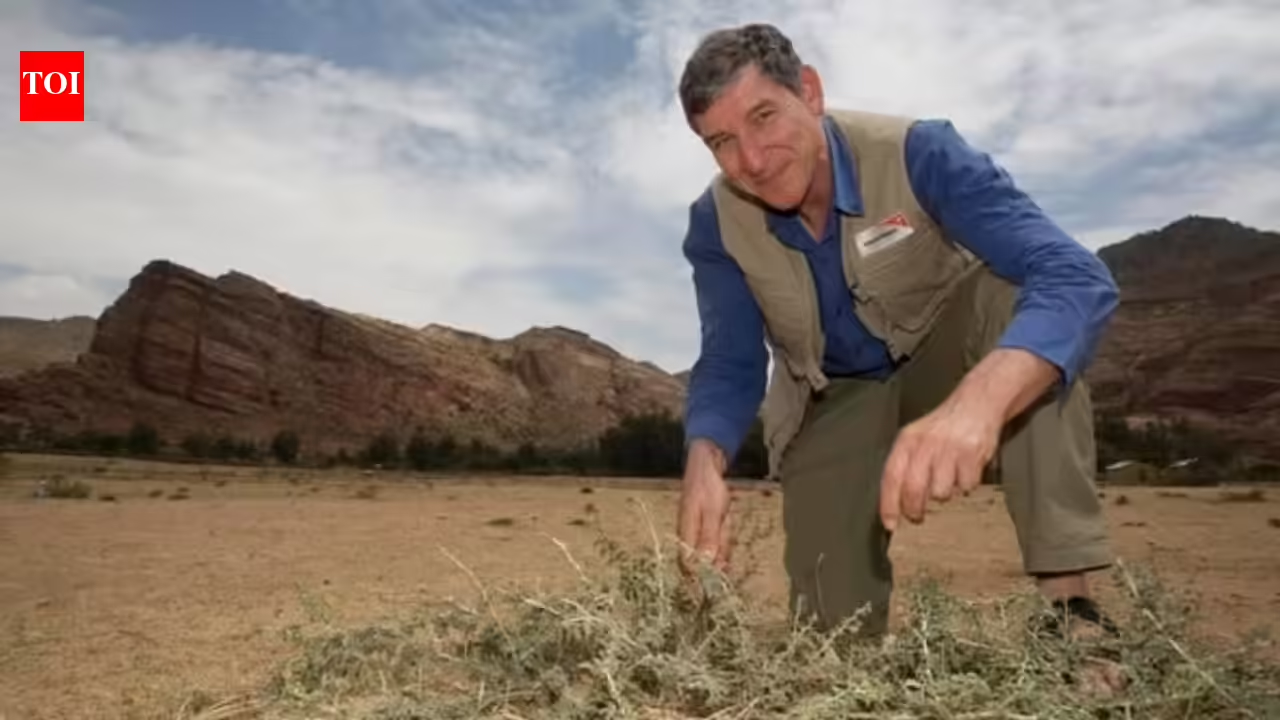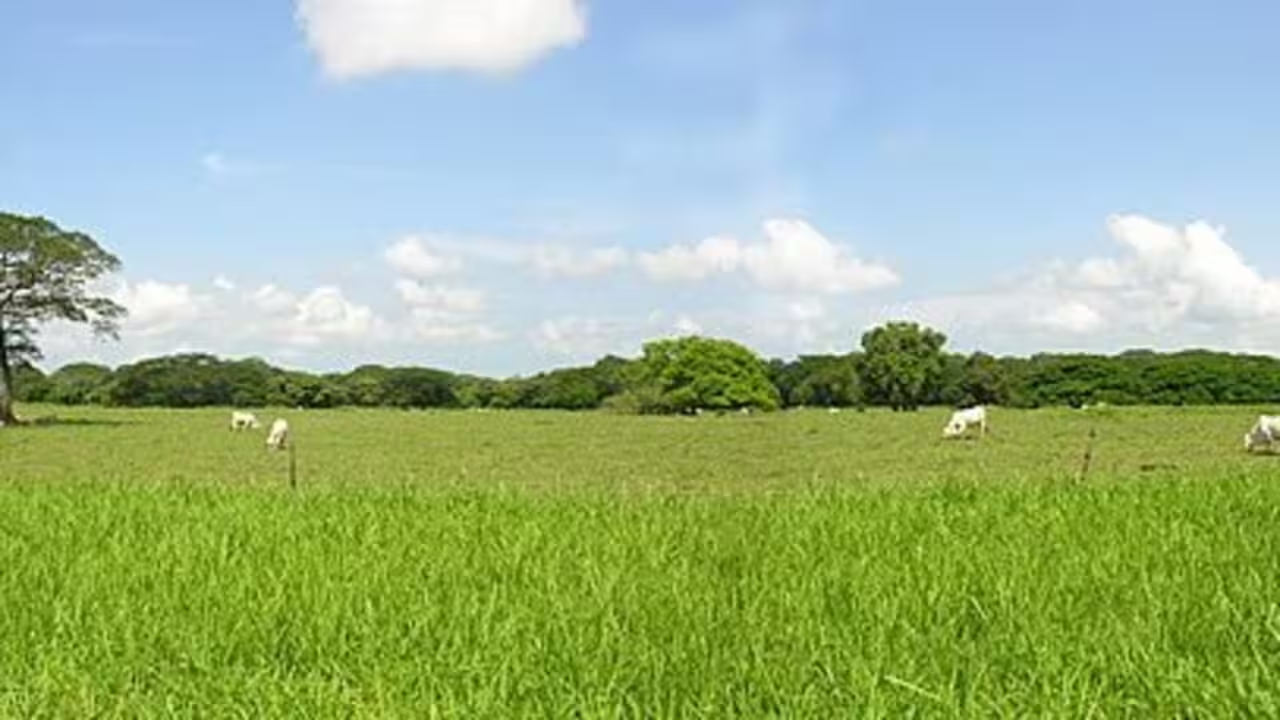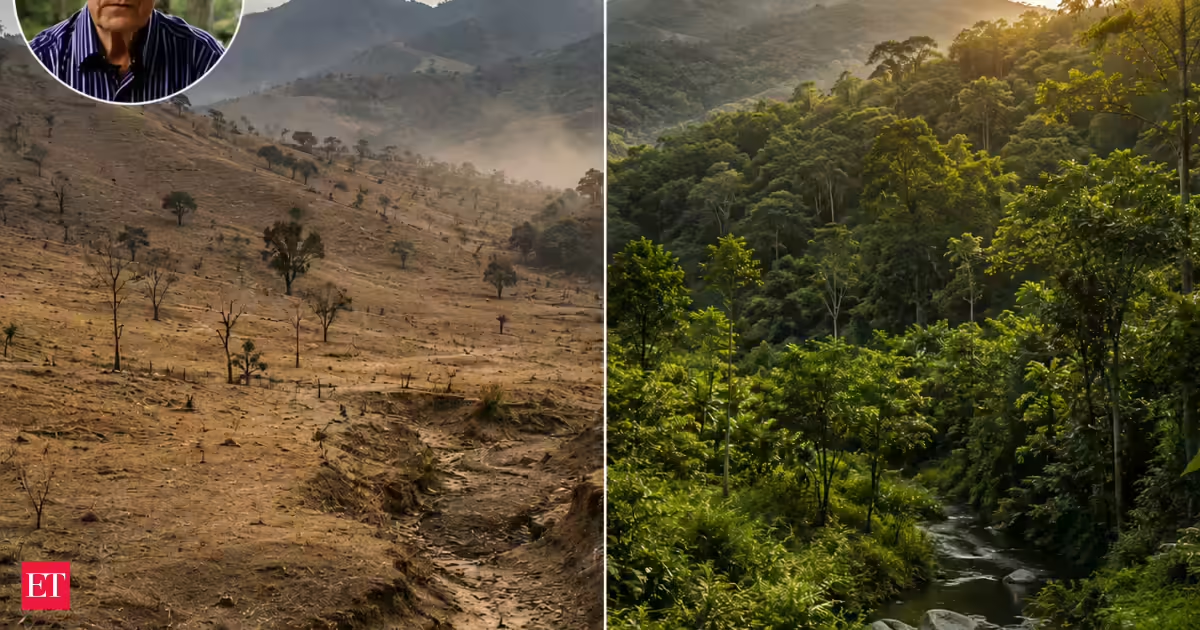
In 1973, a Brazilian farmer named Antonio Vicente did something strange. That year, Brazil's military government was handing out cheap credit. The goal was simple: help landowners expand their cattle grazing. Vicente took that same credit and used it differently. He bought land in the state of São Paulo. He said he wanted to plant a forest there. According to The Guardian, which first told his story, people called him crazy. More than 40 years and 50,000 trees later, over 20 springs have come back to life on his 31 hectares.A loan meant for cows, spent on treesIn the 1970s, Brazil’s government wanted more grazing land, not less. Cheap credit was the mechanism to push that objective. Vicente turned the plan on its head. He saw cattle grazing and rapid city growth spreading across his state, The Guardian reported. He worried about what that would mean for local water supplies. So he planted one instead of clearing forest for grazing.Growing up watching the forest disappearVicente was no man of science. He wasn't an activist either. He had fourteen brothers and sisters. His father was a farm laborer working for the owner, and he was brought up there. He saw his father cut down trees there, first for charcoal, then to make room for cattle, The Guardian reports. He remembered that. Years later, when he had land of his own, he chose to grow trees, not cattle. Almost everyone around him thought it made no sense.Antonio Vicente, now 84, on the land he began replanting in 1973. Image Credits: 60 Second Docs/YoutubeWhy the "mad" idea actually holds up scientificallyFor years, scientists wrestled with a hard question. Do trees planted on depleted land help or harm local water supplies? Trees, after all, drink a lot of water. This question was recently analyzed in a 2025 review published in the journal Forest Ecosystems. Bruijnzeel and colleagues say planting trees on degraded, compacted land can improve water flow in dry months. Healthy soil soaks up rain instead of letting it run off. That may help explain why Vicente's springs dried up after years of nearby grazing and began flowing again once tree roots and fallen leaves helped loosen and shade the soil.The trees came back. So did the waterVicente’s story is not unique. In the Amazon state of Pará, some farmers have reclaimed land used for old plantations and cattle. Their water supplies were restored. A farmer near Belém told the World Resources Institute that water on his land was back to full capacity within six years of replanting. The fish came back also. It’s a small but telling sign Vicente was not just lucky.Brazil's credit programs still tend to favor cattle over forestsThe uncomfortable part is that Brazil's credit programs still tend to favor cattle over forests. When farmers make decisions about how to use their land and take on loans, cattle ranching often wins out over forest restoration. This is exactly the question a 2021 study, ‘Degraded pastures in Brazil: improving livestock production and forest restoration,’ in Royal Society Open Science investigated. This study indicates that a small number of Brazilian towns are responsible for a large percentage of the nation's degraded pastureland.An aerial view of what regrowth looks like: dense canopy and water running through it. Image Credits: 60 Second Docs/YoutubeIn the study’s simulations, Brazilian cattle ranching had an average technical efficiency of 0.81, meaning output could rise by roughly 23% with the same inputs if management improved. The authors also found that 57% of Brazil’s 173 million hectares of pasture were degraded by 2018, and that 25% of degraded pasture was concentrated in just 1% of municipalities.Focusing credit and farm support on that land could help both farmers and forests. The tools are there to duplicate what Vicente did. What is missing is the will to use them on a large scale.What this means for us, thousands of miles awayAccording to The Guardian, Vicente’s home state of São Paulo is Brazil’s wealthiest state. It accounts for about a third of the country’s GDP and is the biggest economy in South America. But it has also experienced some of the worst deforestation in Brazil. That same tension, short-term profit versus long-term health of the land, appears here in the United States as well, in conversations about drought, wildfires and shrinking water supplies out west.Vicente is 84 now. His trees have outlived the “mad” label neighbors gave him decades ago. When asked who his family is, he means more than just the people he raised. He means the forest, seed by seed, that he grew instead of a cattle ranch.
A Brazilian farmer used government credit meant to expand cattle grazing to do the opposite; neighbors called him mad, but 50,000 trees later, more than 20 springs have returned to his 31 hectares
Antonio Vicente, a Brazilian farmer, transformed his São Paulo land by using government credit for trees instead of cattle, successfully reviving over 20 springs and showcasing the importance of forest restoration for water supply.
768 words~3 min read