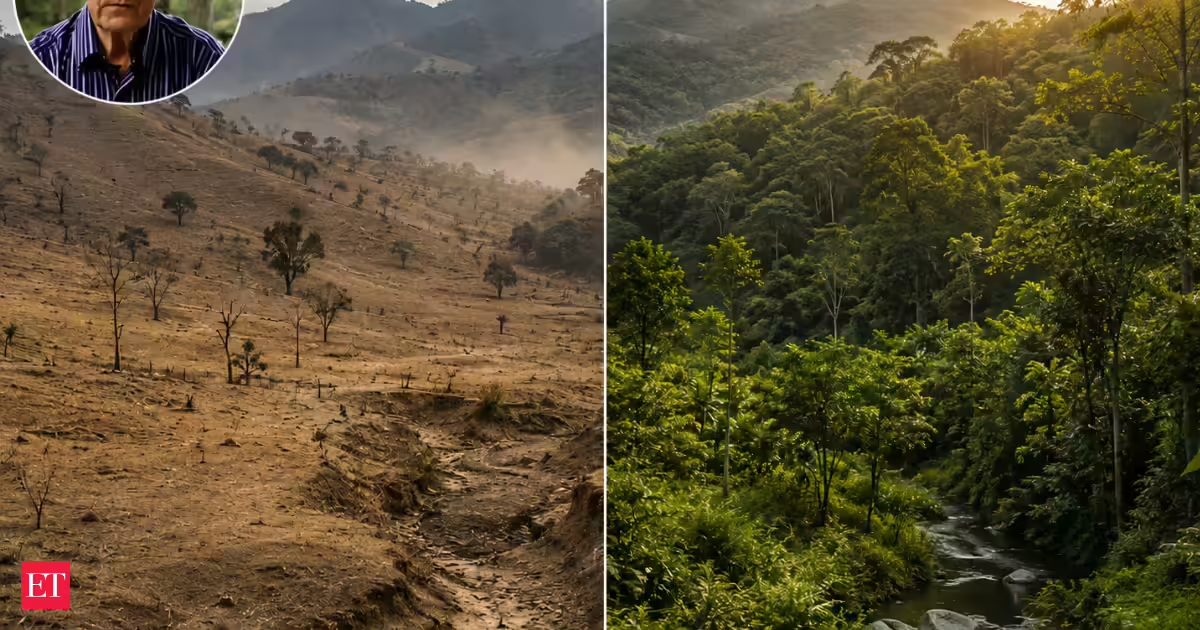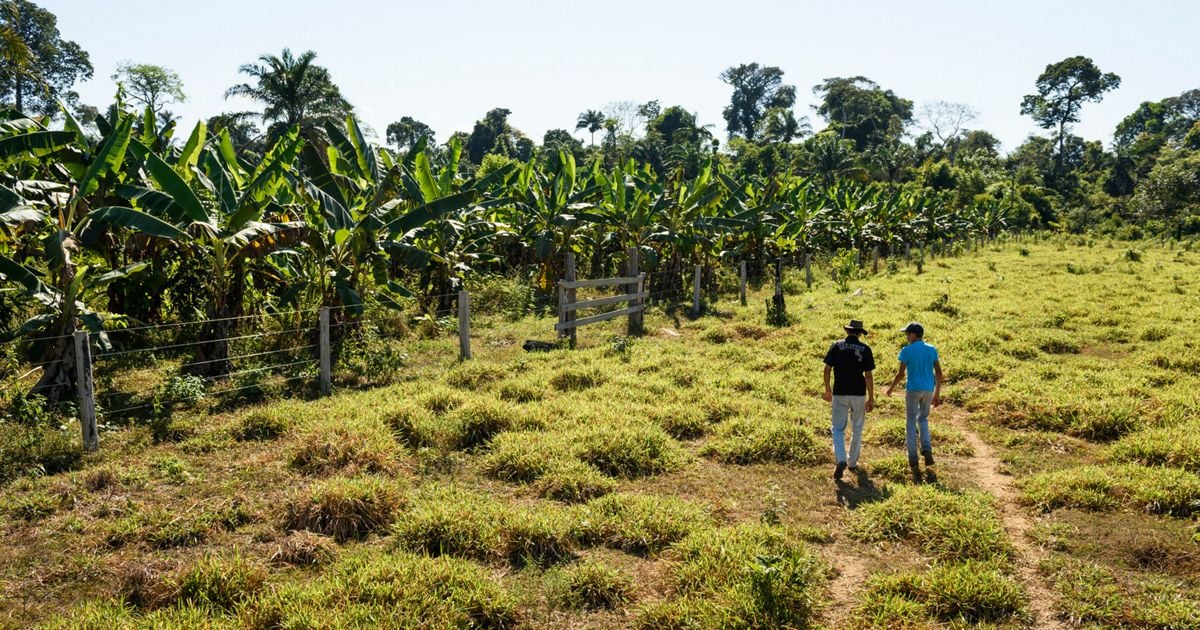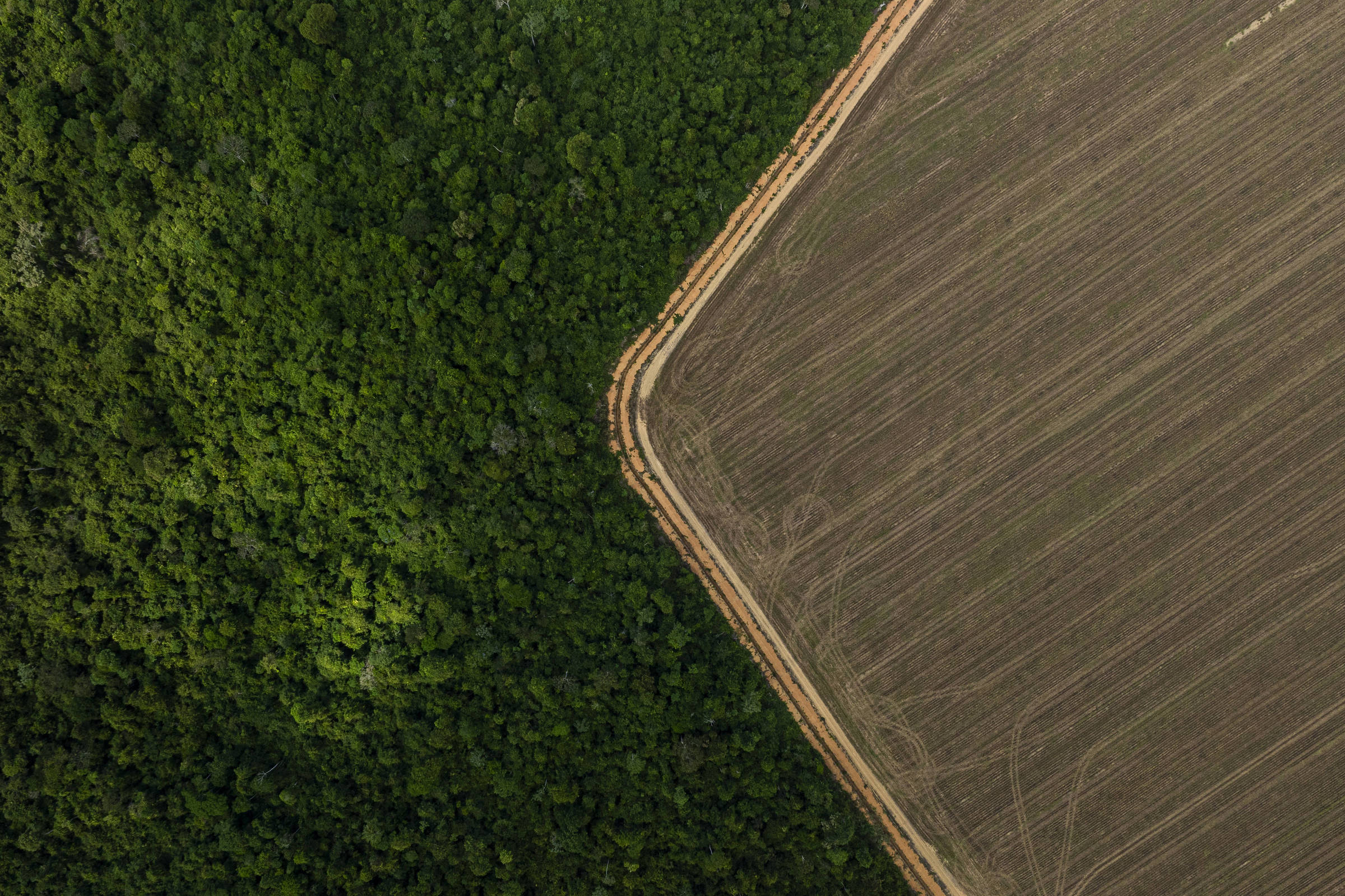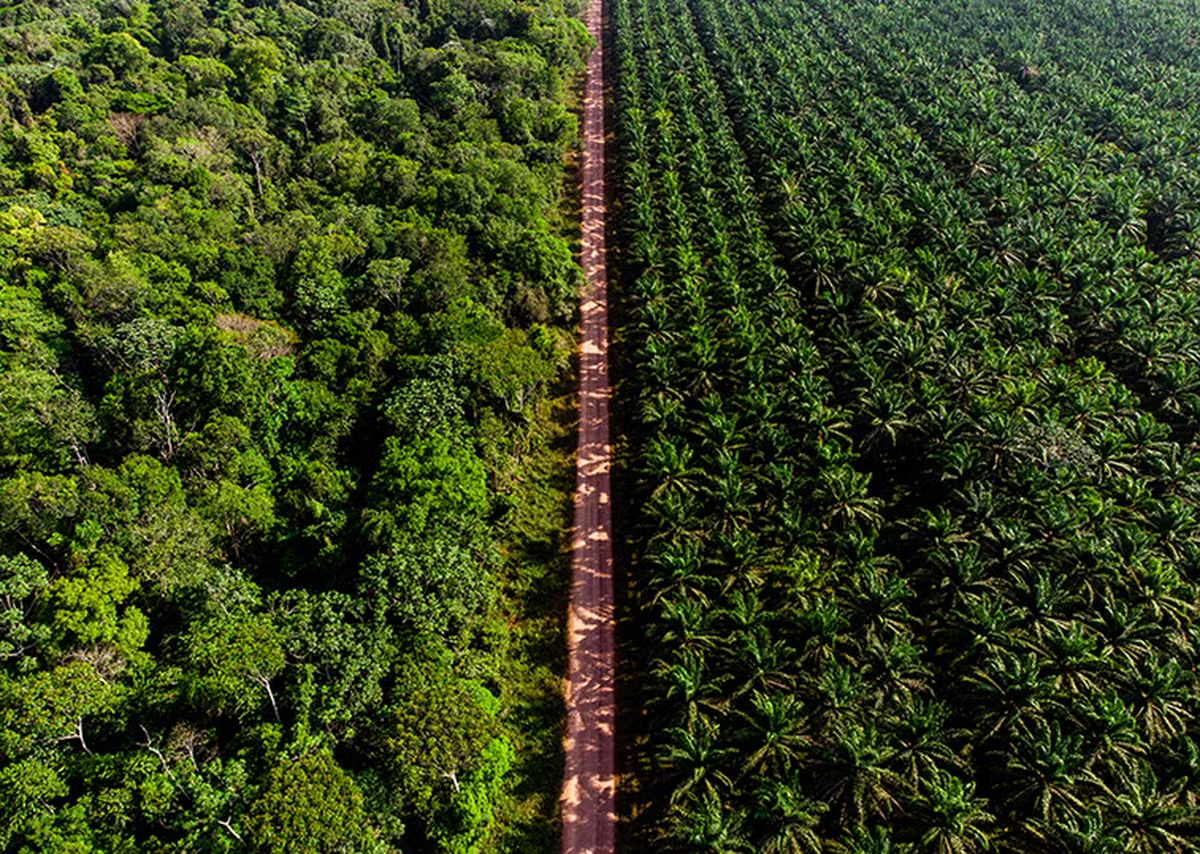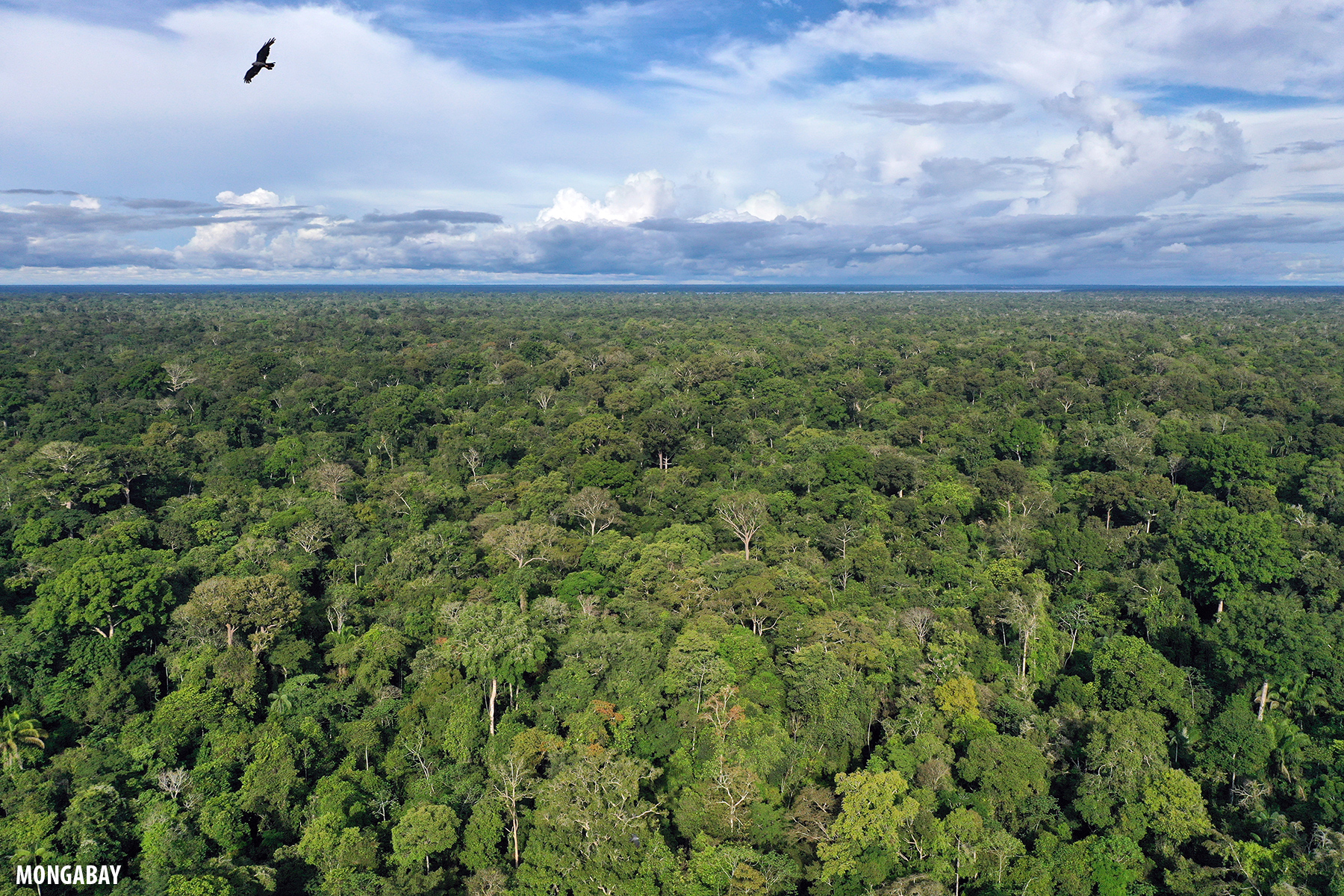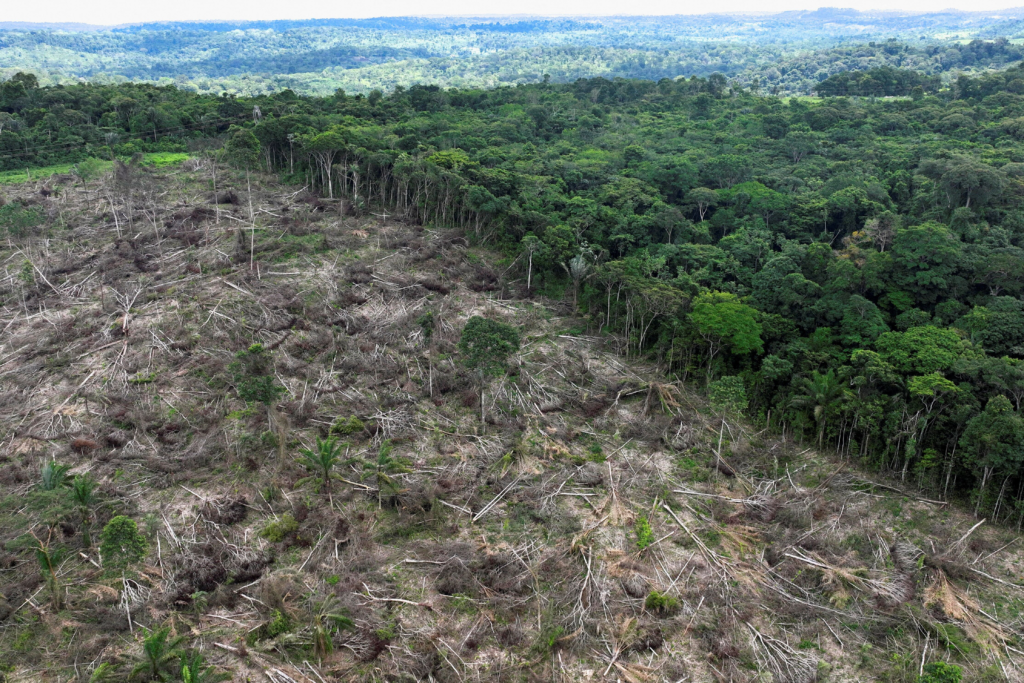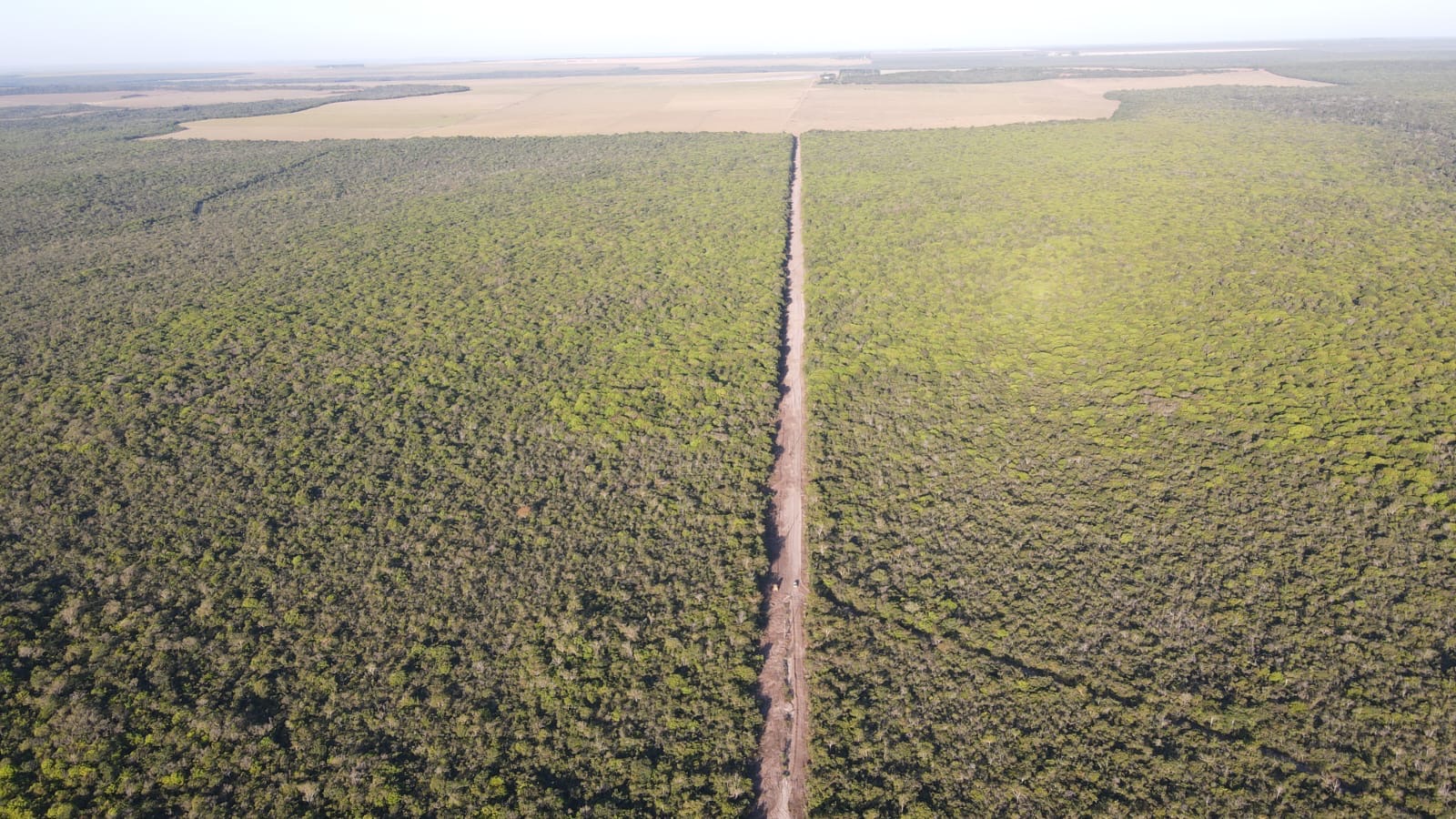
The CONSERV payment for ecosystem services program pays landowners in the Amazon and the Cerrado savanna to protect forests they are legally allowed to convert into plantations or pasture.The program’s pilot phase has avoided over 30,000 hectares (around 74,130 acres) of legal deforestation in the states of Mato Grosso, Pará and Maranhão. Across Brazil, millions of hectares of forest on private land are at risk of being legally cleared.The Amazon Environmental Research Institute (IPAM) is now looking to scale up the project and is evaluating mechanisms that could fund the payments without relying on donations.One solution could be combining the sale of carbon credits, price premiums for commodities and access to cheaper credit to provide long-term incentives for landowners to conserve these forested areas.
Landowner Carlos Roberto Simonetti gets three harvests per year from the corn, soy and cotton plantations on his 17,000-hectare (about 42,000 acres) farm called Fazenda Natureza Feliz, or Happy Nature, in the Brazilian state of Mato Grosso.
Over the course of four years, he would also get what he calls a fourth harvest, this time from the forested areas of his property, located where the Cerrado savanna meets the Amazon Rainforest.