The three Brazilian states whose territory is mostly Amazon Rainforest — and carry the heaviest share of its conservation burden — are among the poorest and most fiscally dependent in the country.Amapá, Acre, and Amazonas operate on budgets so dependent on federal funding that they have almost no ability to act on their own, yet they are also precluded from developing their economies within their vast and federally protected swaths of forest.“It is a design flaw in Brazil’s fiscal constitution, and it is getting worse,” a new op-ed argues. “Brazil cannot credibly lead global climate diplomacy while its Amazonian states remain fiscally trapped.”This article is a commentary. The views expressed are those of the author, not necessarily of Mongabay.
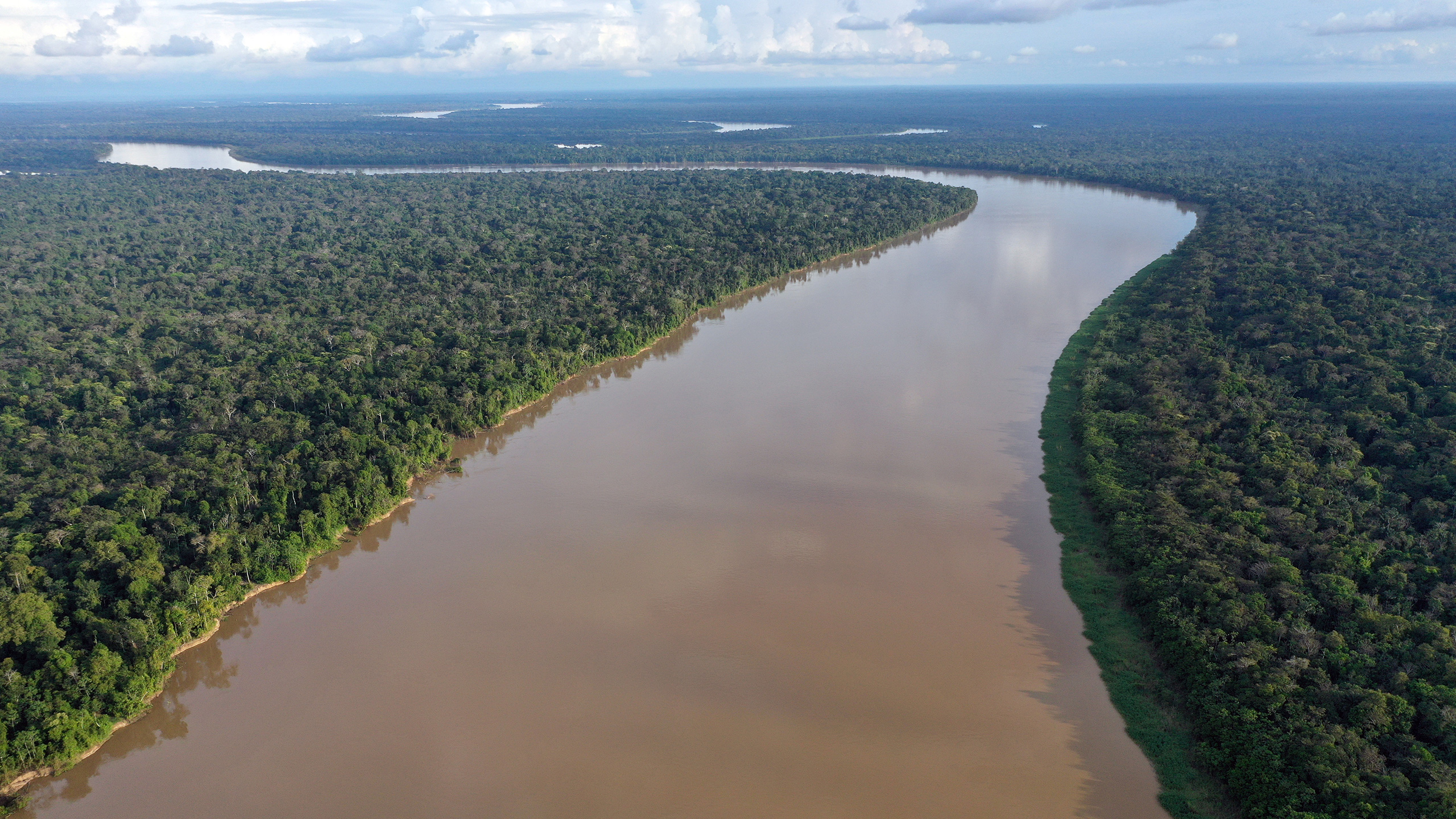
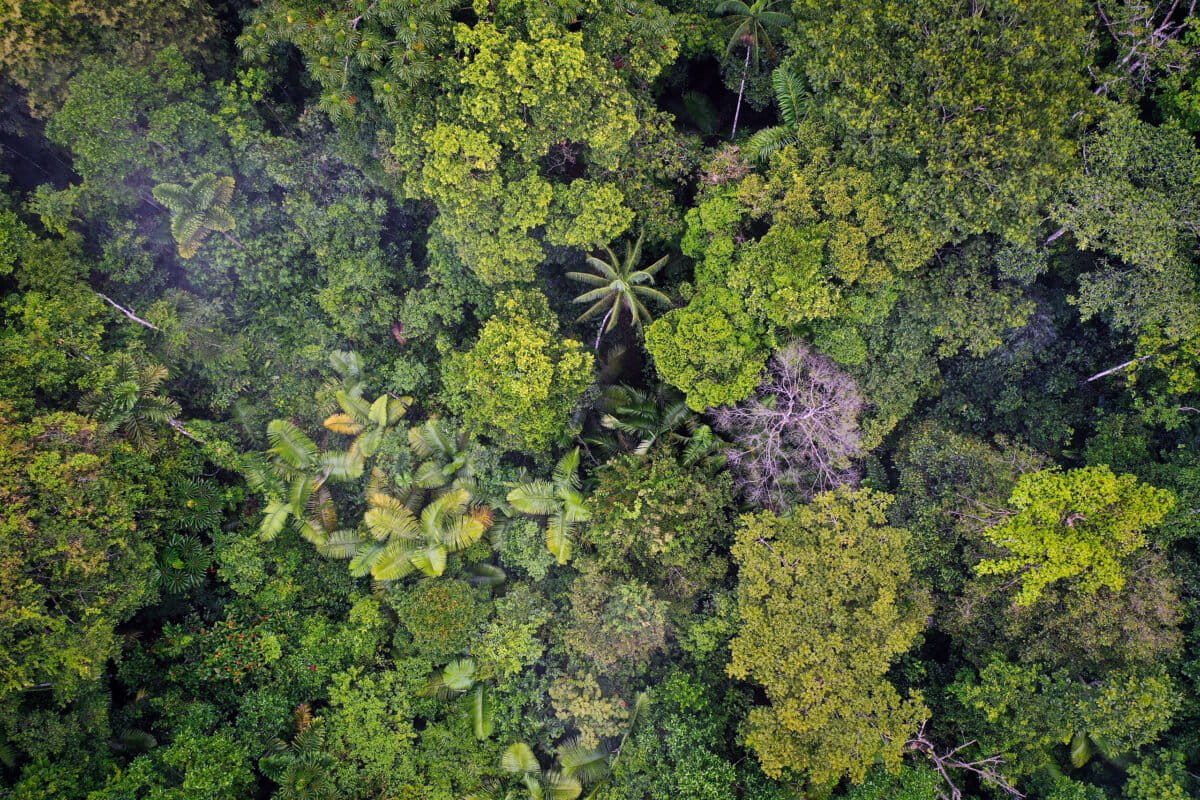
The forests of the Brazilian Amazon are, by any measure, among the most important ecosystems on Earth. They absorb carbon on a planetary scale, regulate rainfall across South America, and shelter biodiversity that science is still cataloging. International negotiations, carbon markets, and diplomatic agreements all rest on the assumption that these forests will remain standing.
Yet while the Amazon spans nine Brazilian states, the three whose territory is most overwhelmingly forest — and which therefore carry the heaviest share of the conservation burden — are among the poorest and most fiscally dependent in the country. The states of Amapá, Acre, and Amazonas operate on budgets so dependent on federal transfers that they have almost no fiscal room to act on their own. That is not a coincidence. It is a design flaw in Brazil’s fiscal constitution, and it is getting worse.