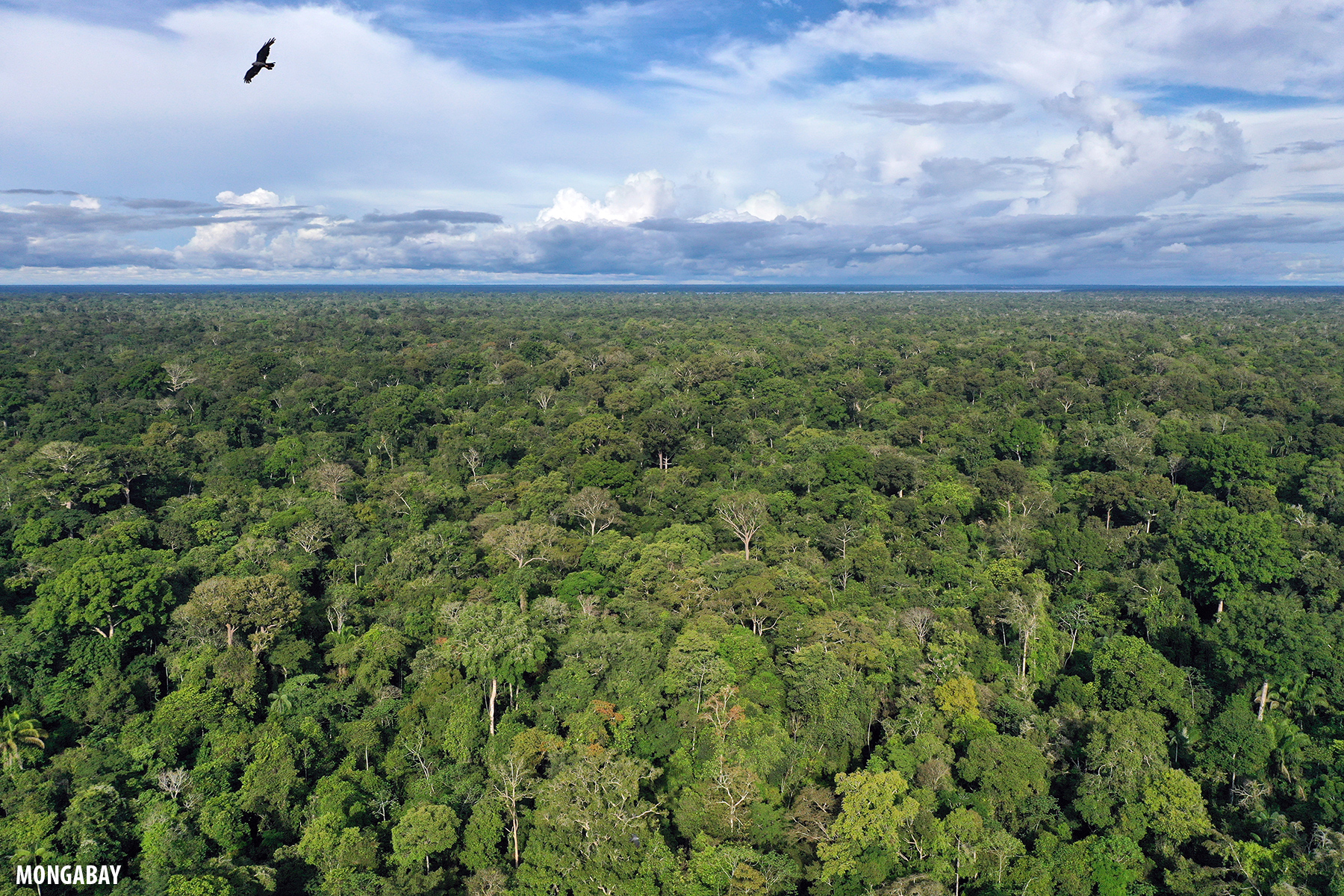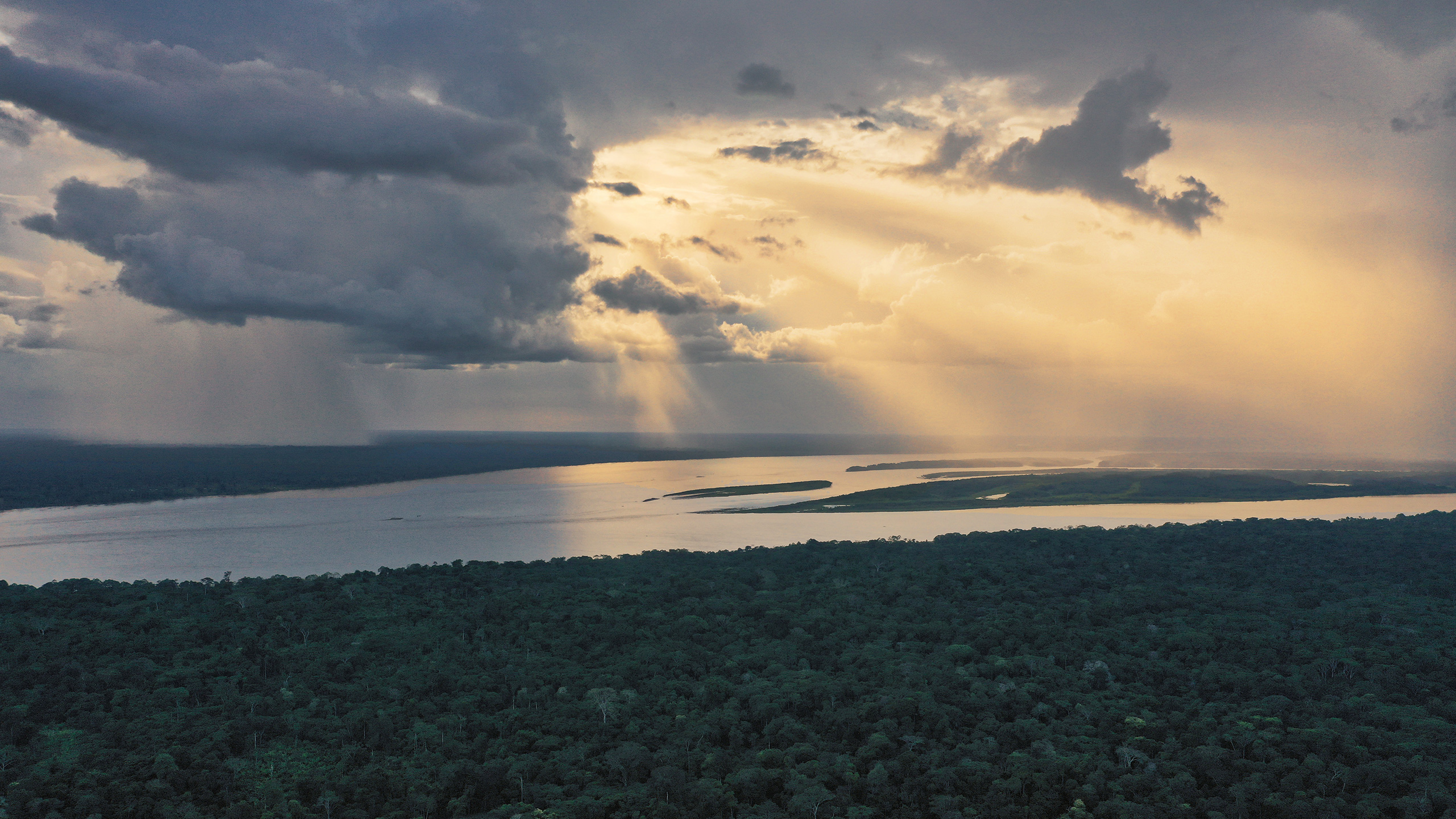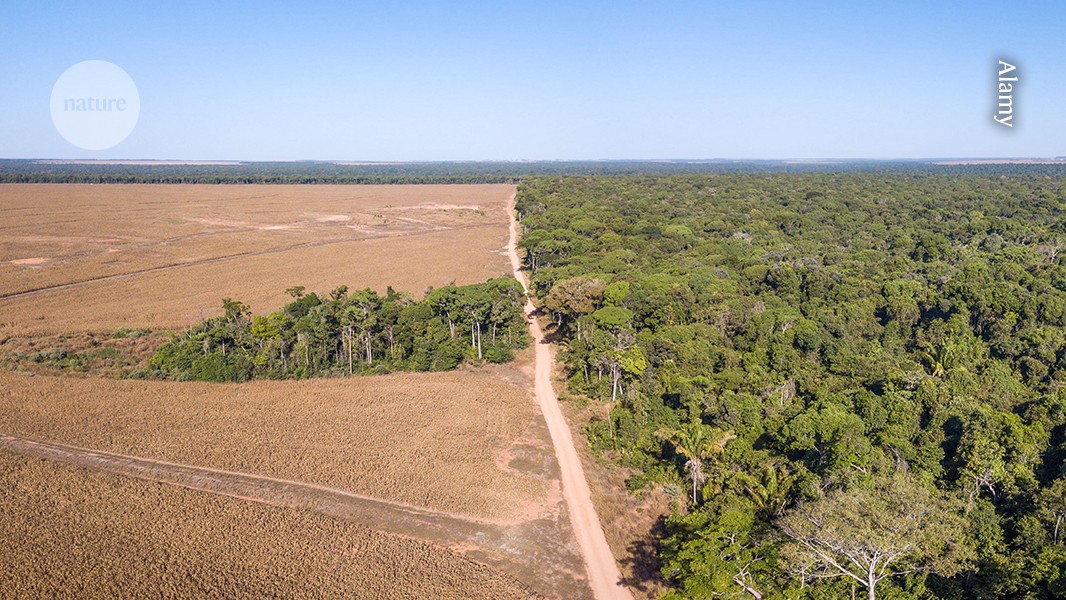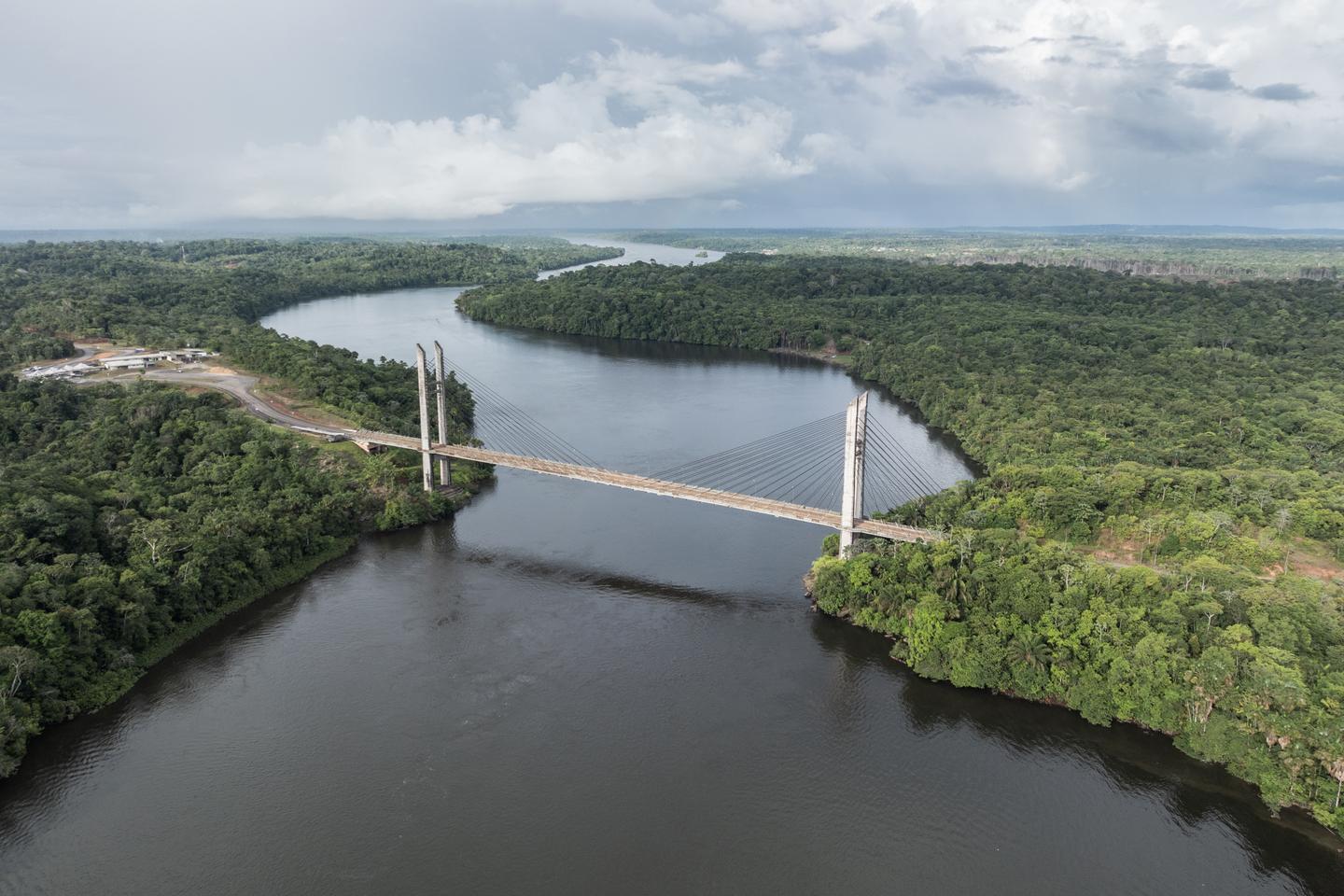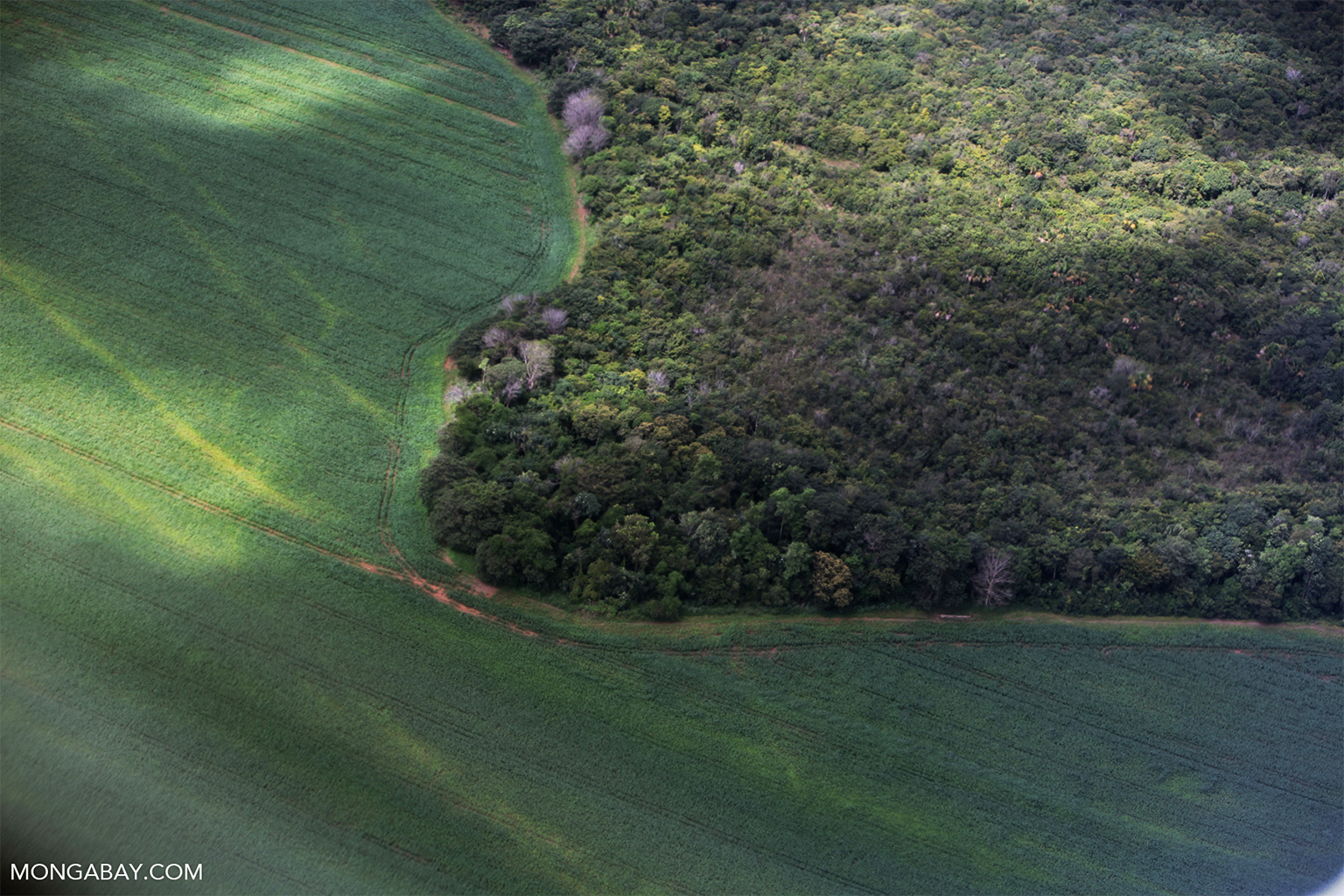
The Amazon’s atmospheric moisture flows known as “flying rivers” provide over 70% of rainfall in parts of southern Peru and northern Bolivia, but they are threatened by deforestation in the Brazilian Amazon.According to a new report by the NGO Amazon Conservation, the lack of protections for areas known as undesignated public forests and road development projects pose a deforestation risk that would disrupt the flying rivers during dry and transition seasons.Research shows that the Amazon is already experiencing longer dry seasons, which in turn affects the forest’s capacity to recycle moisture for the flying rivers.Conservation targeting the forests that are most important for recycling atmospheric moisture could help maintain the flying rivers, the report proposes.
Twenty years ago, a meeting of scientists that included Brazilian climatologist Carlos Nobre coined the term “flying rivers” to describe the water vapor moving from east to west in the atmosphere over the Amazon Basin.
These flows are carried from the Atlantic Ocean by the forest’s continuous recycling of moisture through evapotranspiration, a process where water is transferred from soil and plants to the atmosphere. Sometimes called “aerial rivers,” they provide vital rainfall across South America.