The Amazon is not only a carbon store; it is also a major source of atmospheric moisture that helps sustain rainfall across much of South America.A new Nature study finds that deforestation lowers the warming threshold at which large parts of the Amazon could lose stability.Recent droughts, El Niño conditions, and fire risk show why degraded forests are less able to withstand climate stress and recover afterward.Protecting intact forests, restoring degraded areas, and reducing fire are increasingly important for climate resilience, biodiversity, and South America’s food system.
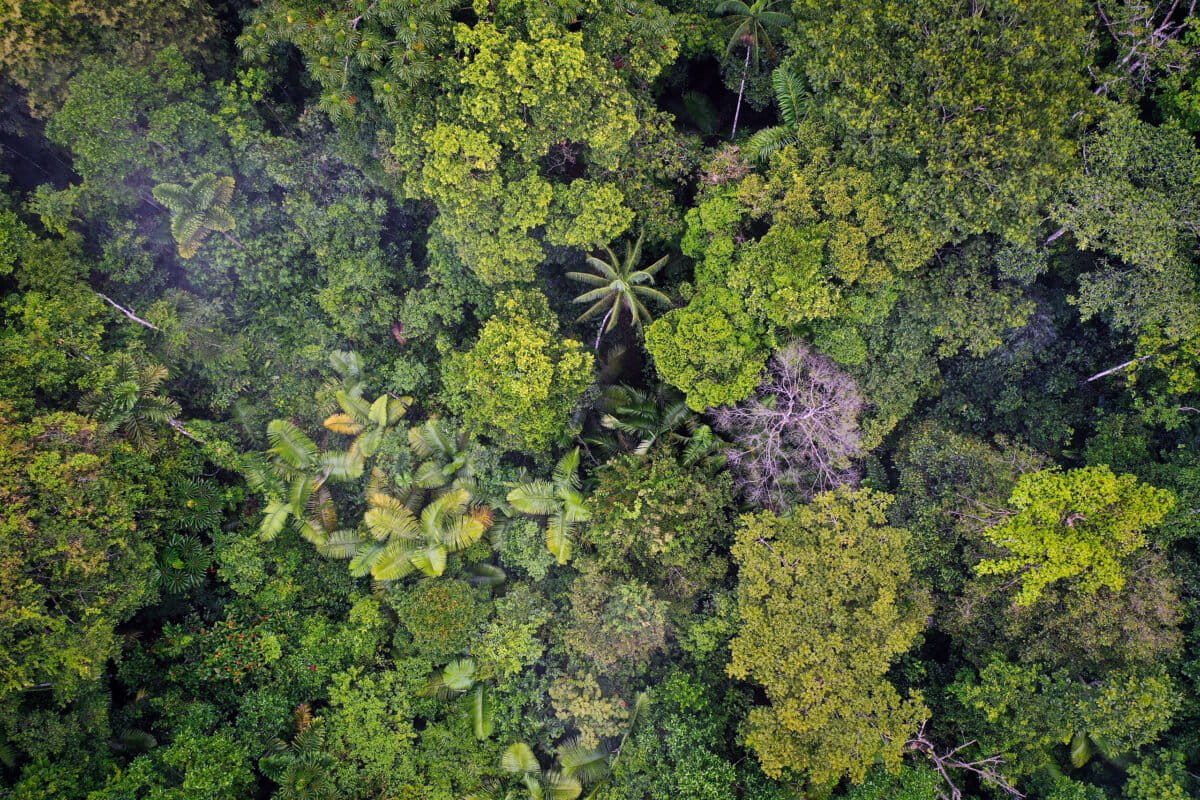
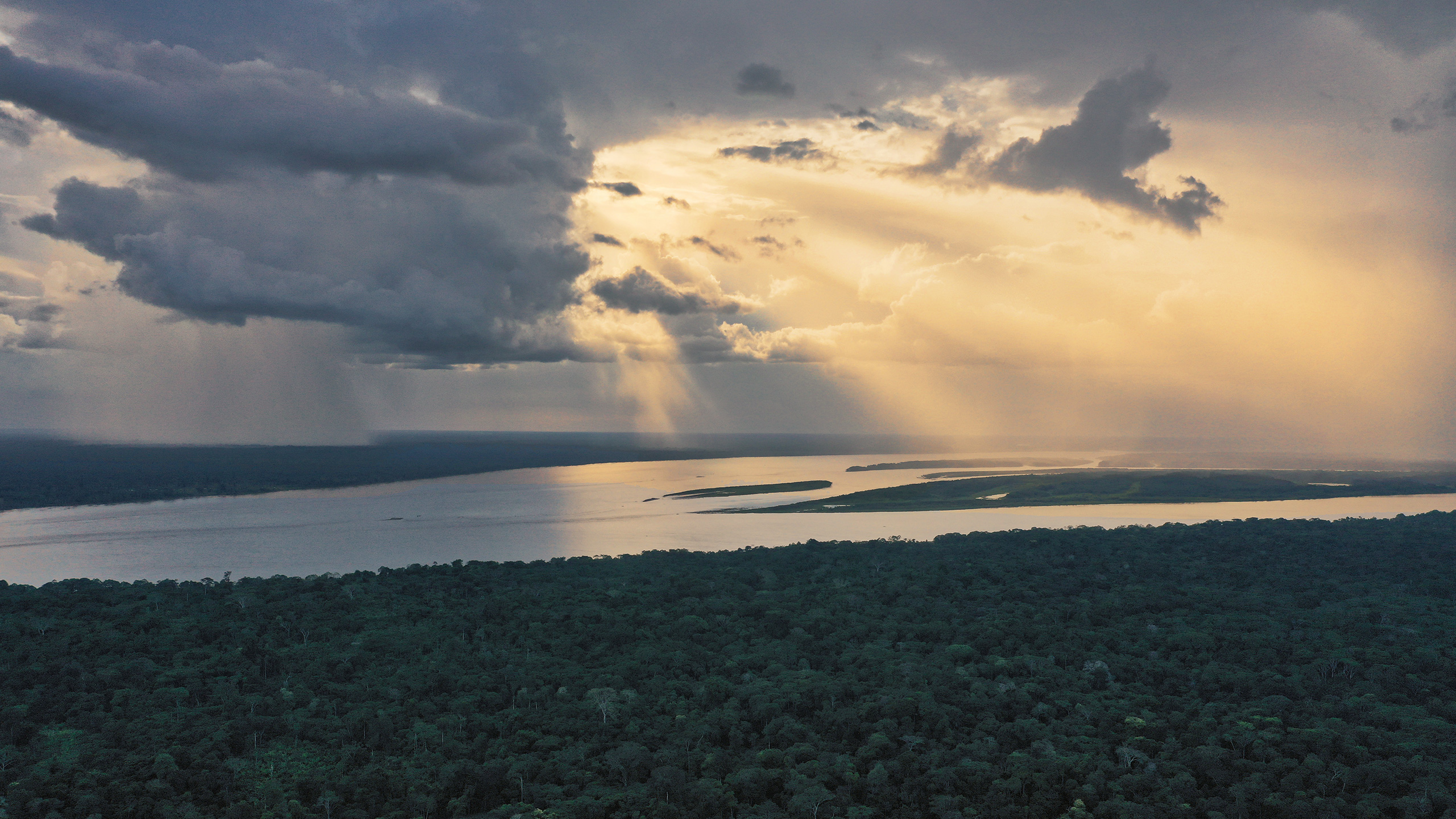
The Amazon is often described in terms of how much carbon it stores. It also moves vast amounts of water. Its trees draw moisture from the soil and return it to the air through transpiration. Some rain caught by the canopy also evaporates back into the atmosphere. That moisture falls again, some of it inside the basin and some of it far downwind. For much of South America, the forest helps sustain rainfall, farming, hydropower, and urban water supplies.
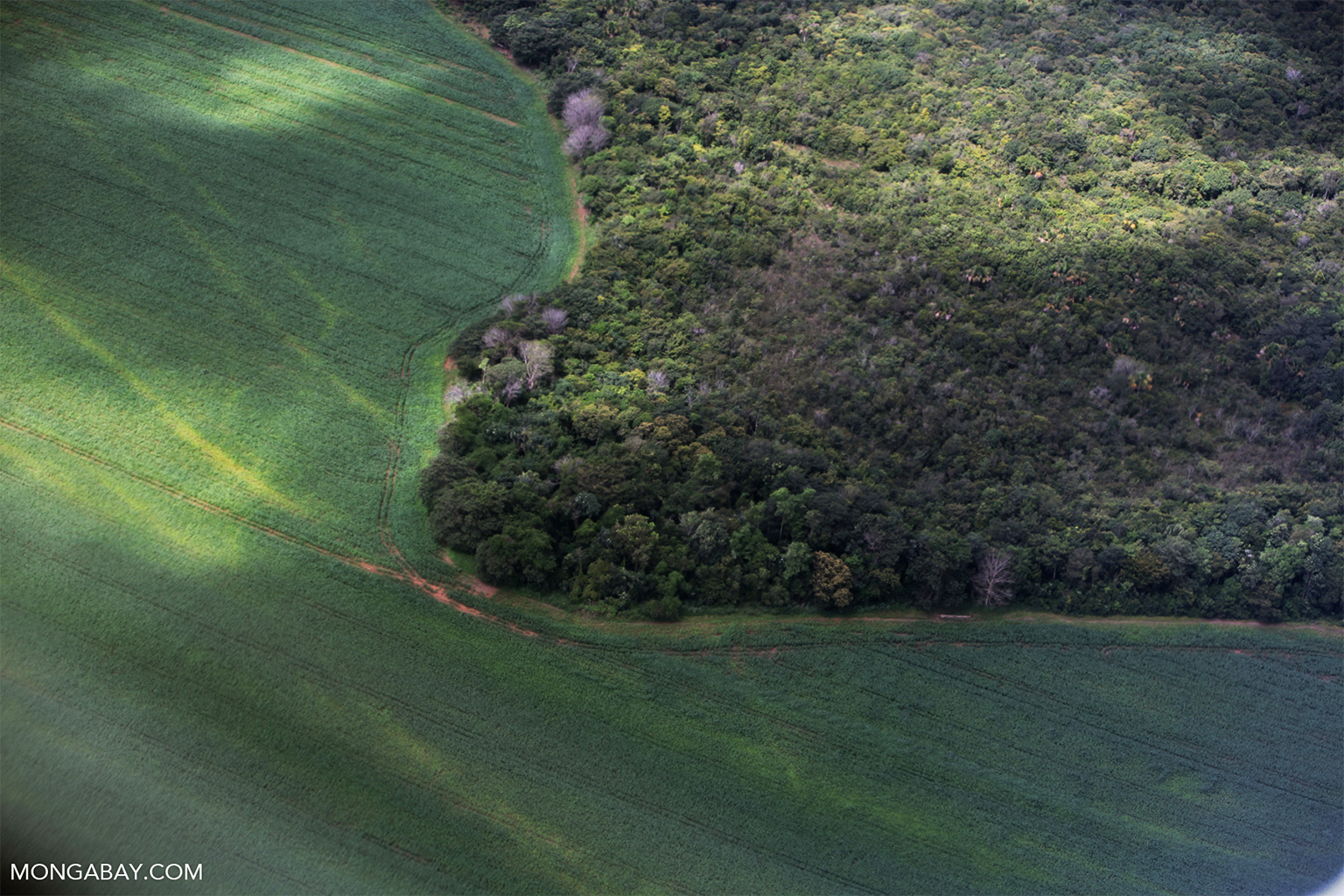
A recent paper in Nature, by Nico Wunderling and colleagues, gives this hydrological role greater weight in the climate case for the Amazon. The authors used a dynamical systems model and atmospheric moisture tracking to estimate how deforestation and warming interact across the basin. Without deforestation, their model finds a critical global warming threshold of about 3.7 to 4.0 degrees Celsius, beyond which up to a third of the Amazon forest risks losing stability. When deforestation is included, the risk becomes much larger at a lower level of warming. Under deforestation of 22% to 28% of the biome and warming of 1.5 to 1.9 degrees Celsius, the model finds a near system-wide transition affecting 62% to 77% of the forest.