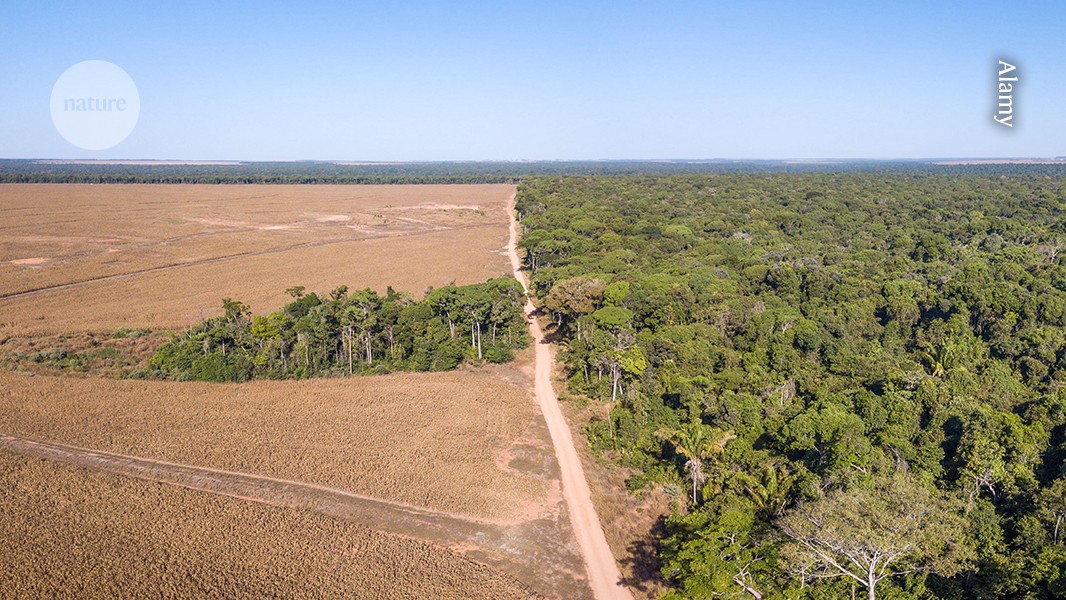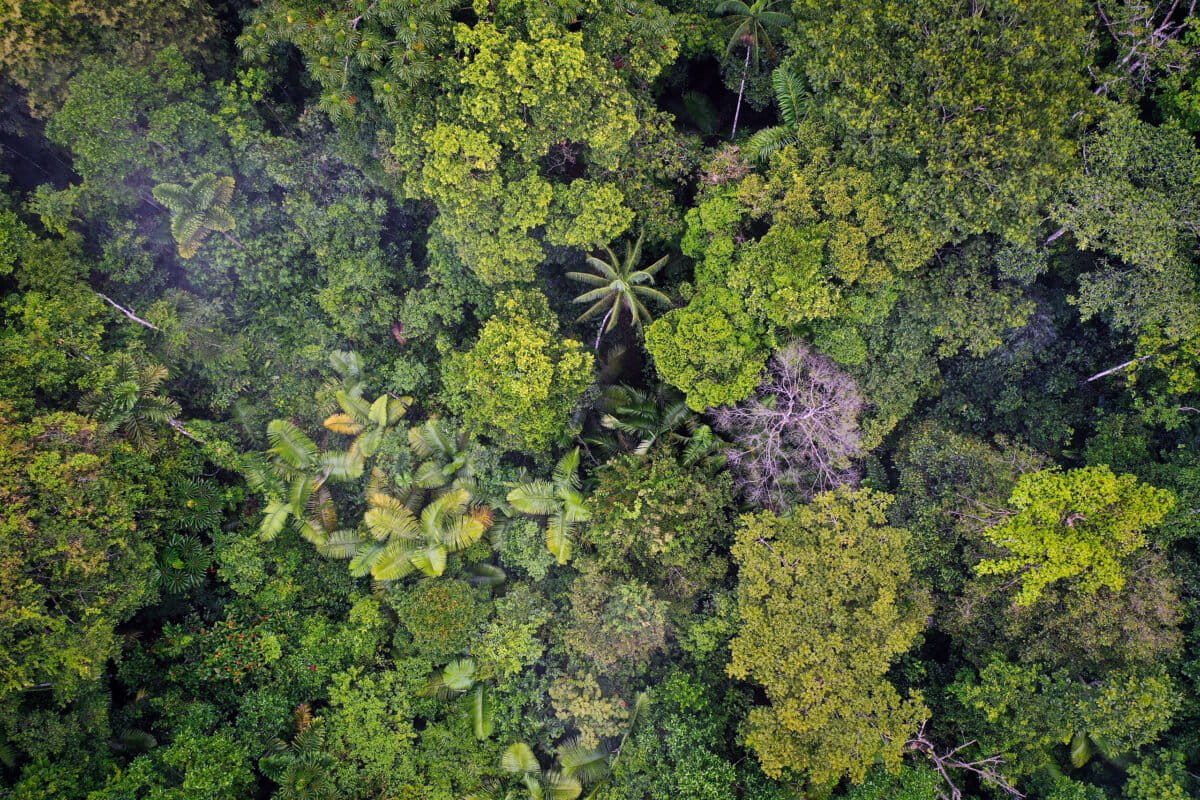
Amazon biodiversity protection depends on more than keeping forests standing; a forest can remain on the map while losing ecological function, governance protections, enforcement capacity, or public support.Six connected gaps shape Amazon conservation: finance and forest economy, governance, enforcement, forest function, Indigenous rights, and narrative.Progress is possible. Brazil has reduced deforestation before, satellite alerts can strengthen enforcement, Indigenous land rights can protect forests, and better finance and monitoring can make protection more durable.The central challenge is making the systems around the forest pull in the same direction: finance that favors protection, governance that reduces impunity, enforcement with consequences, rights that hold on the ground, monitoring that reveals what tree cover hides, and stories that show where action is possible.
In the Amazon, a forest can remain on the map while losing much of what makes it function.
The Amazon rainforest is often discussed through a few familiar measures: deforestation, carbon, protected areas, and tipping points. Each is useful. But they do not fully explain why biodiversity continues to decline even where maps still show forest, laws exist, and international pledges sound ambitious. A territory can be recognized and still be invaded. A satellite can detect illegal clearing and still fail to trigger a penalty. A story can describe crisis and still leave readers unsure what can be done.