A two-decade study conducted in the southeastern Brazilian Amazon found that while degraded forests show high ecological resilience and no sign of transitioning to savanna, species diversity at forest edges halved.Repeated disturbances are replacing fire-resistant specialist trees with fast-growing, generalist species, which have repercussions for the biome’s biodiversity.Although researchers say the forest’s response is a sign of hope, they warn that the new ecosystems that emerge from that forest recovery process can be vulnerable to new climate disturbances.
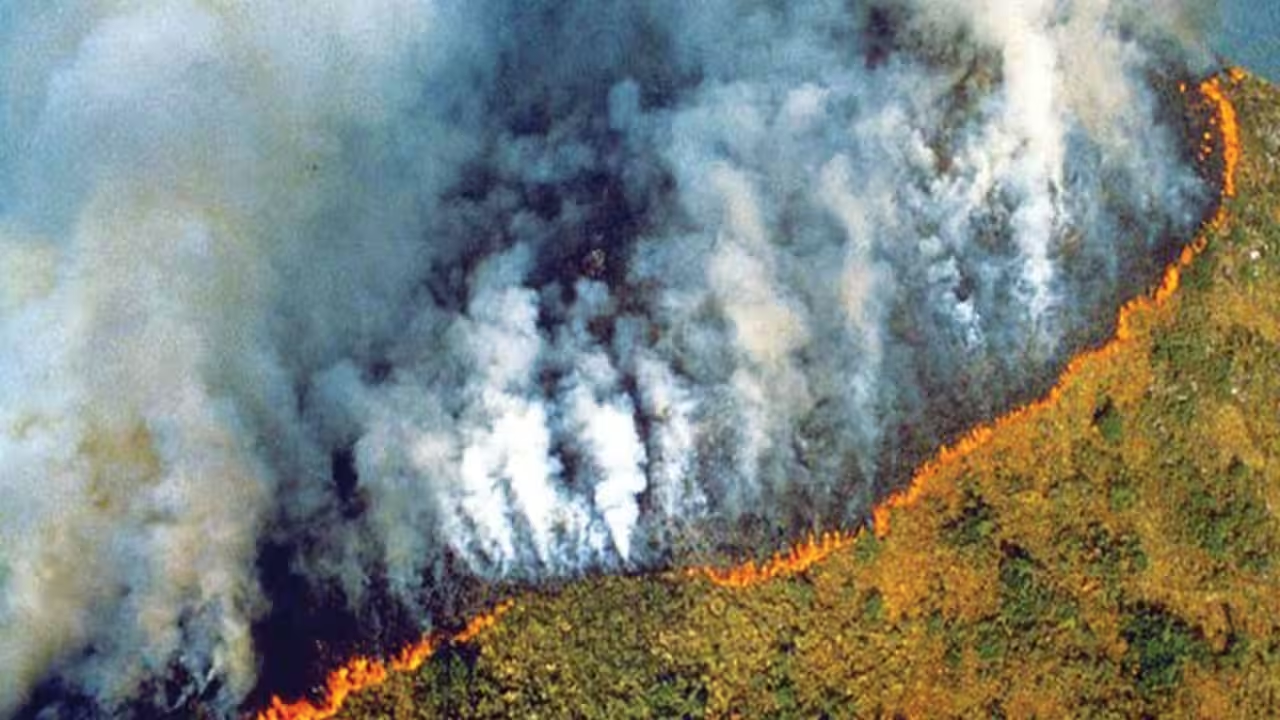
In 2024, the Brazilian Amazon faced one of the worst fire seasons in its history: 15.6 million hectares (38.5 million acres) were burned, an area the size of Portugal, of which 43% consisted of forest vegetation. According to data from MapBiomas, a collaborative network mapping land use in Brazil, the area destroyed by flames was 117% higher than the historical average.
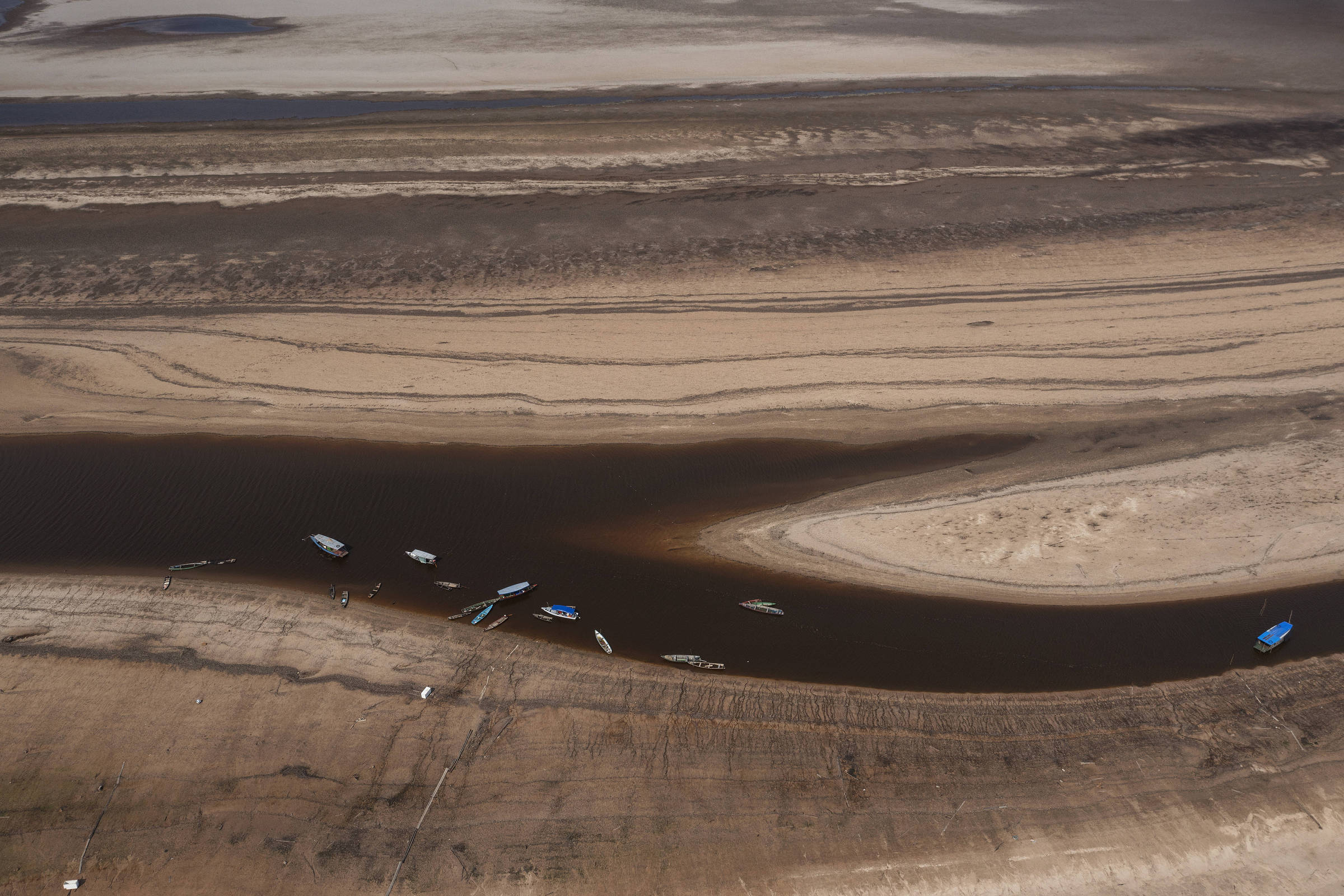
Now, a group of scientists has found a surprising capacity for forest regeneration after fires, although biodiversity loss persisted. The results were presented in a two-decade study in the southeastern Amazon that attempts to predict the risks the world’s greatest rainforest faces as deforestation, reduced precipitation and long-term droughts become more frequent.