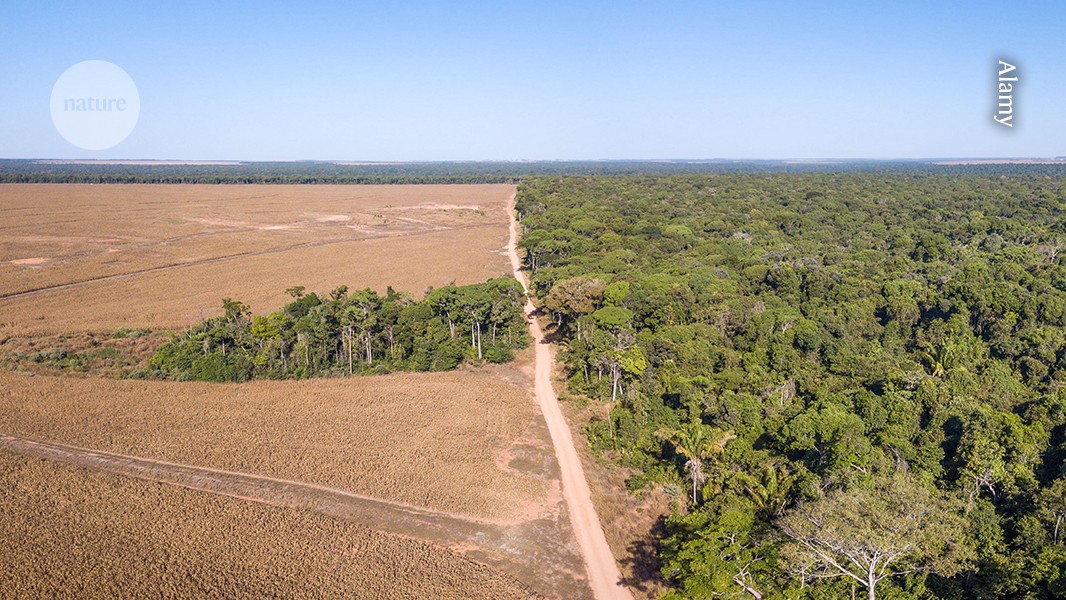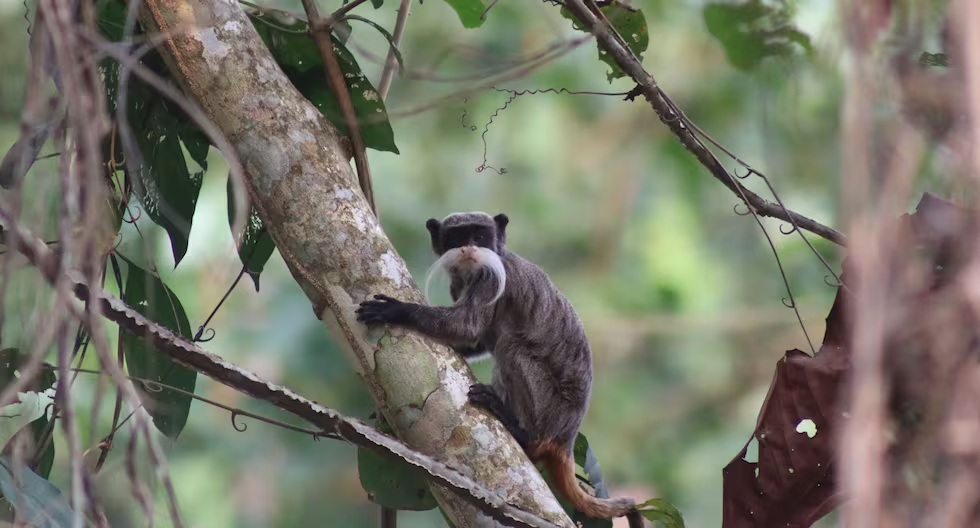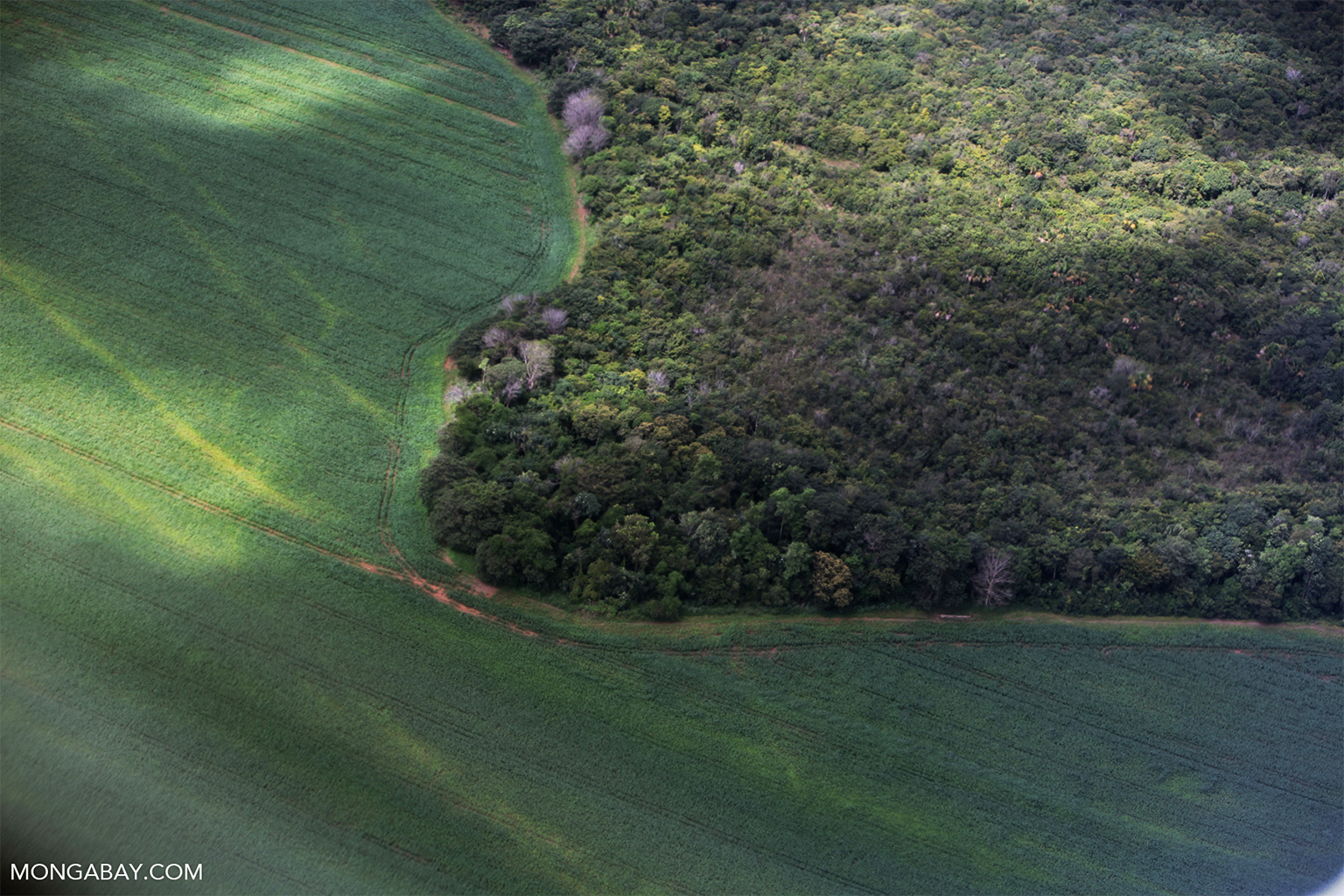
Worsening climate change creates enormous challenges for ecosystems and individual species. As the world warms, plants and animals must quickly migrate to cooler places to stay resilient and survive. But today such migrations are often blocked by deforestation, human infrastructure and lack of conserved lands.In the tropics, vast lowlands can require species to move large distances north or south to escape warming. The most rapid path to climate-resilience is upslope migration, with plants and animals relocating shorter distances uphill to cooler places.A new study has mapped major elevational gradients in the Amazon that offer the best possibility for connectivity and upslope relocation in the biome — overlaying elevational gradients, amount of forest cover, fragmentation and protected areas.This broad-brush research could aid policymakers in identifying the most viable upslope corridors, helping nations and NGOs target best opportunities for land protection to enhance connectivity and aid species survival.
Amazon-based scientists have long known that rapidly rising temperatures mean that places where species live today won’t be where they live tomorrow. For a vast number of species — ranging from insects, birds and primates to all manner of plants — upslope migration could present a potential, though perilous, pathway to resilience and survival during the climate crisis.