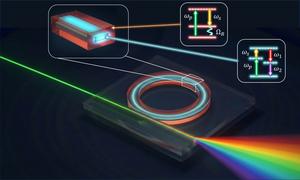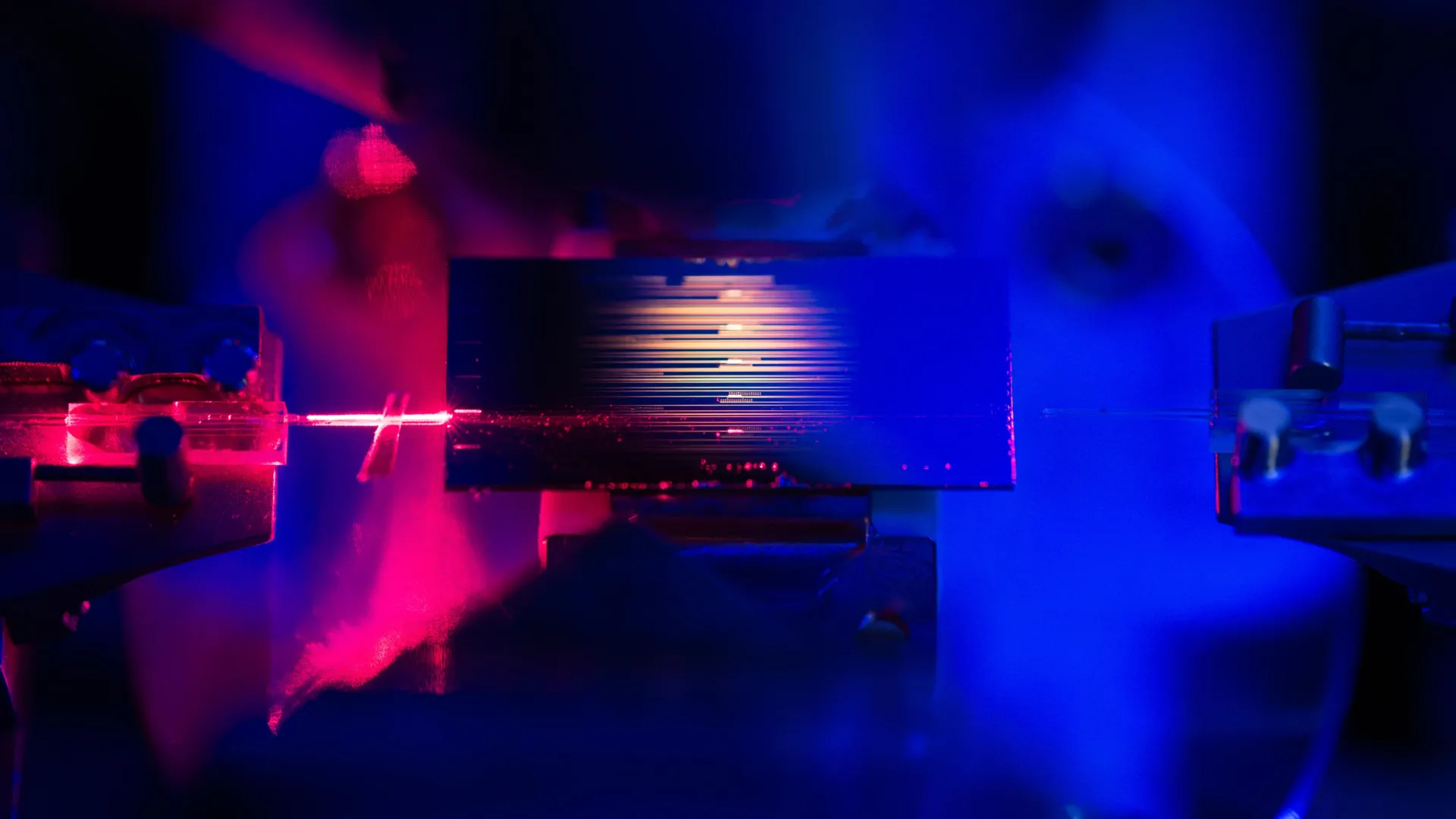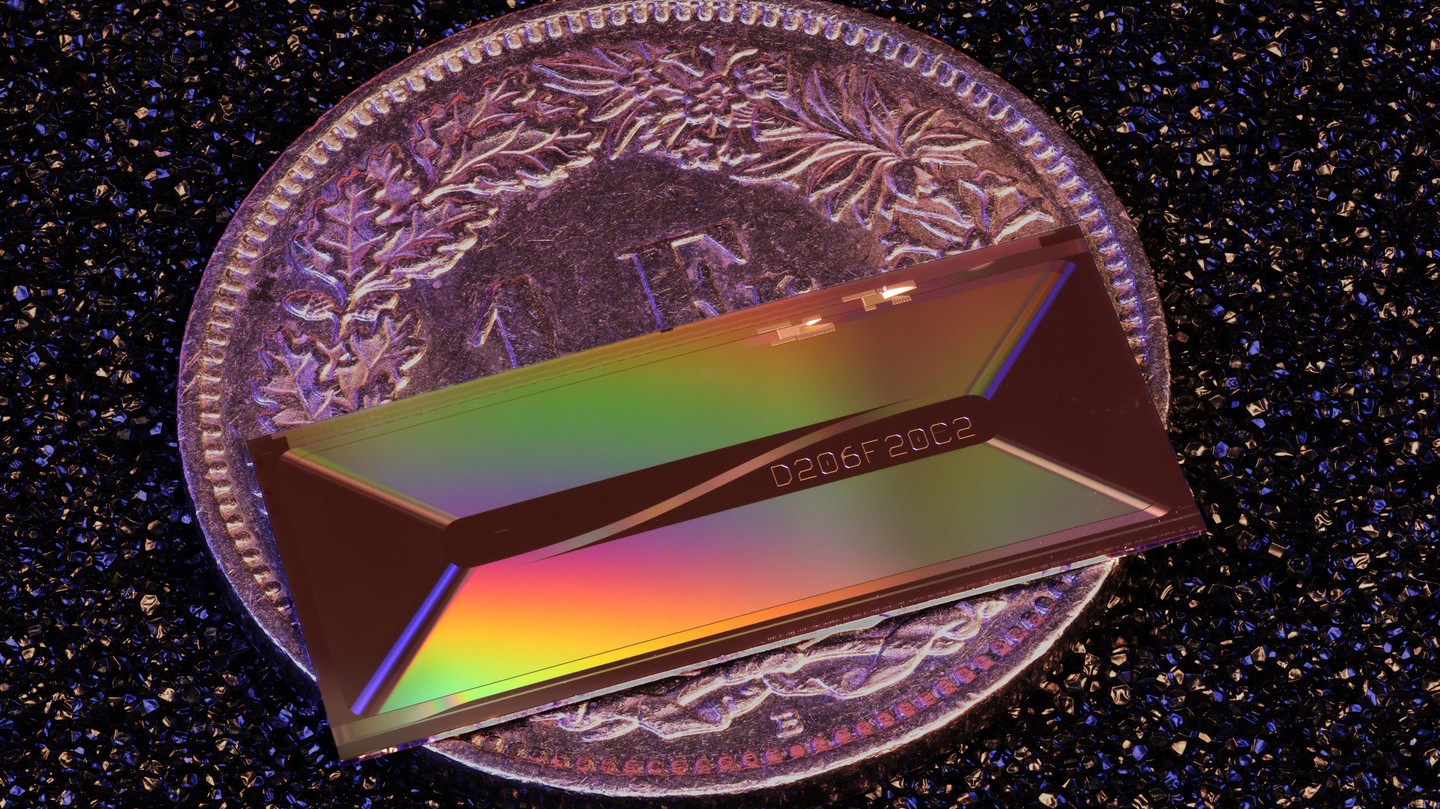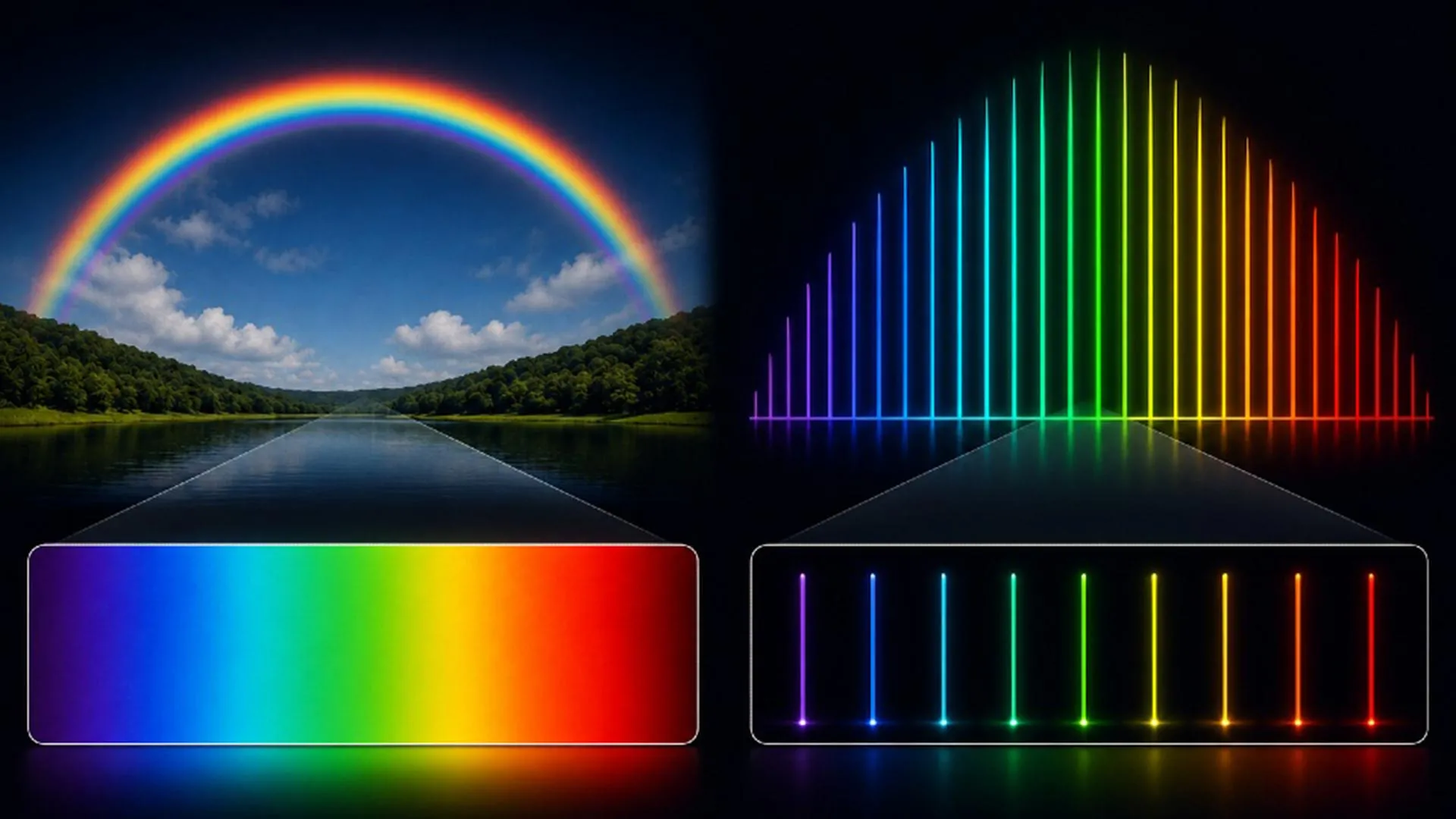
A microchip about the size of a grain of rice can generate a highly organized "rainbow" of light, a capability that could eventually support faster, higher-capacity 6G communications and extremely precise timing for quantum technologies.
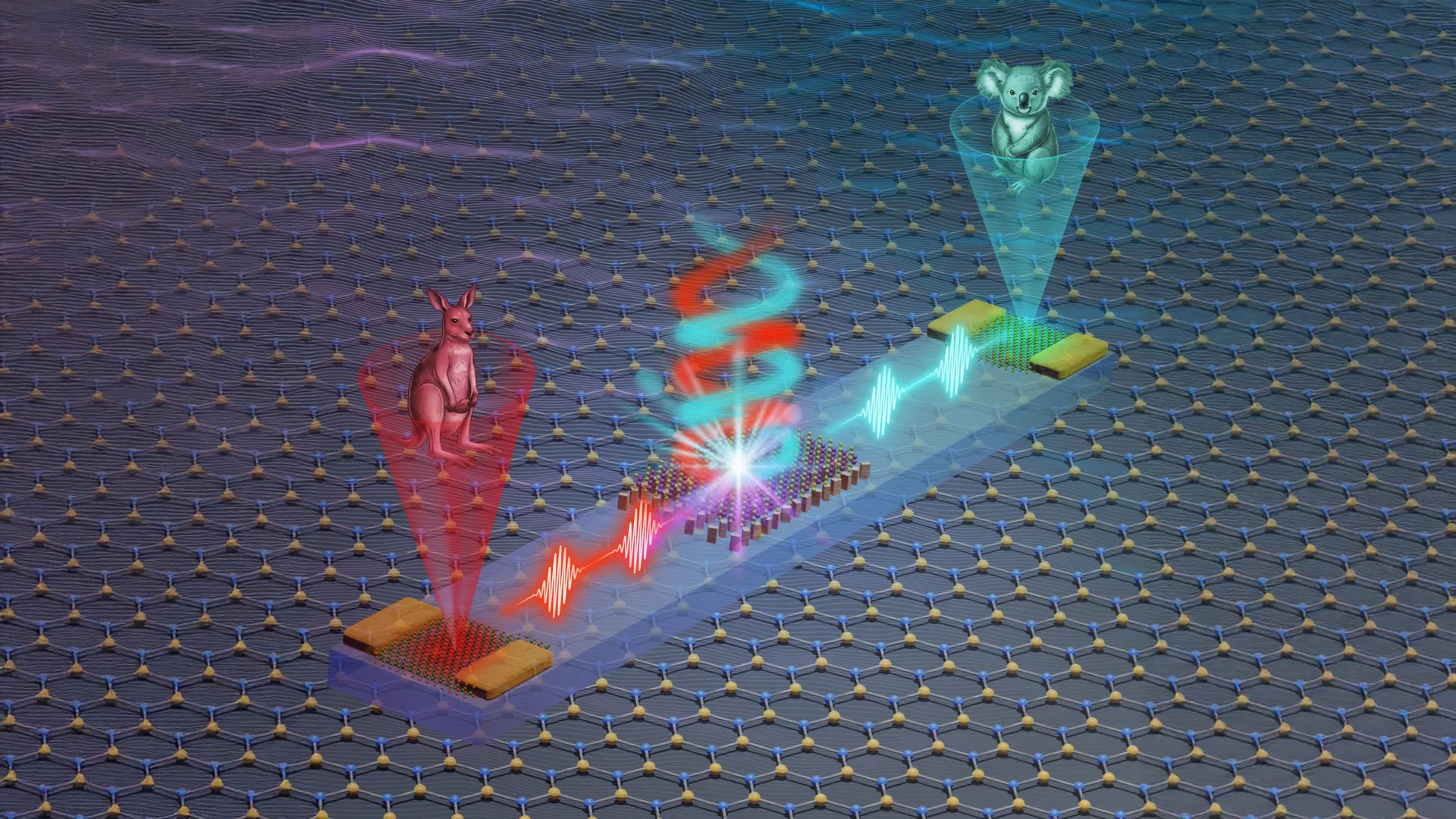
Physicists at Loughborough University, working with an international research team, demonstrated a system that produces a series of precisely spaced light frequencies. Those optical frequencies can then be converted into multiple high-frequency electromagnetic signals known as millimeter waves.
Millimeter waves are attracting growing interest for future communications because they can provide considerably more bandwidth, giving networks more room to transmit data. A major obstacle, however, has been producing these signals with the precision and stability required for advanced applications.
"The world is becoming increasingly data hungry. We want to send and receive more information, faster and in higher resolution, and millimeter waves could help provide the capacity to do that," said Dr. Luke Peters, of Loughborough University's Emergent Photonics Research Centre.
"They could ultimately contribute to faster, higher capacity 6G networks, but the potential goes far beyond communications. These frequencies could also be used in radar systems as well as spectroscopy and astronomical instruments, helping scientists study materials and make extremely precise measurements of the universe.