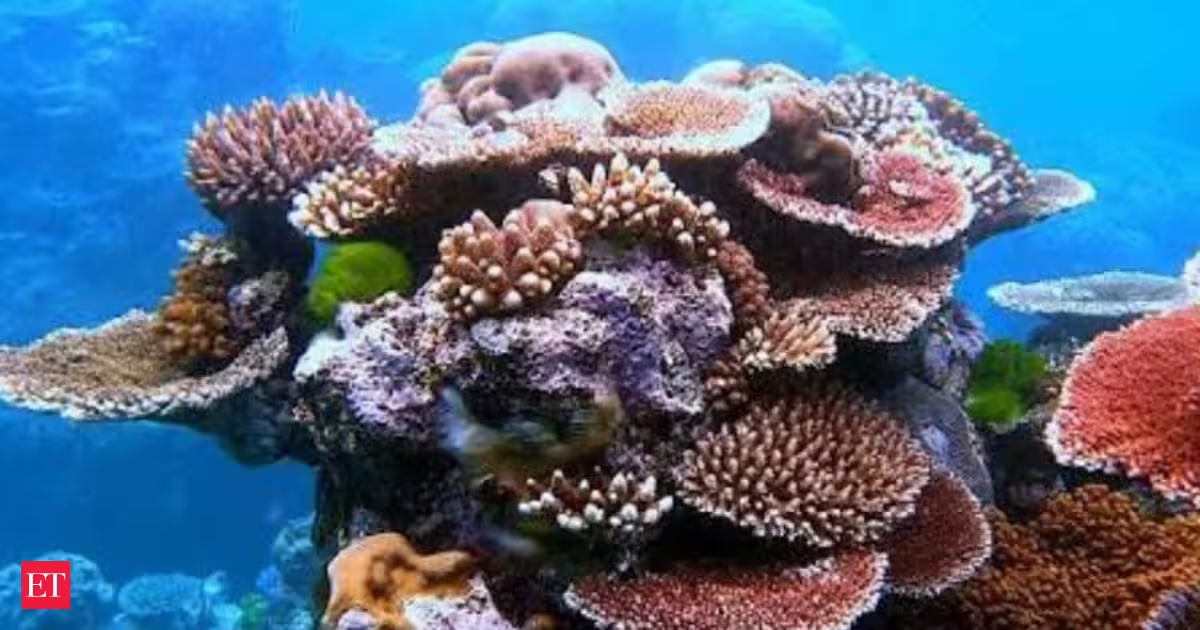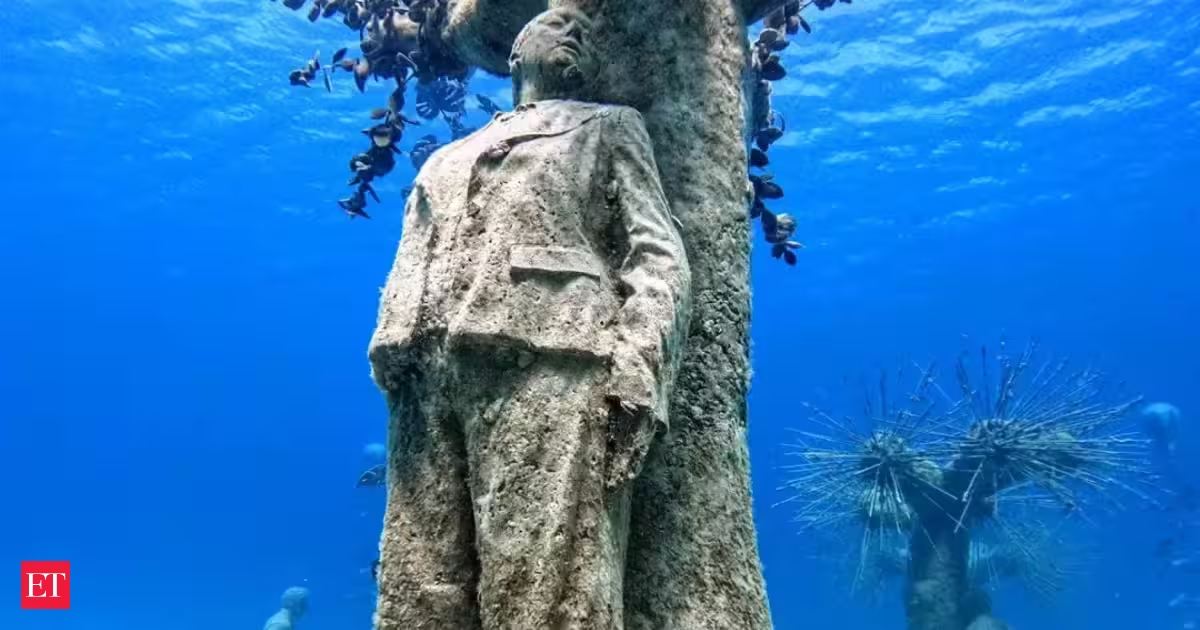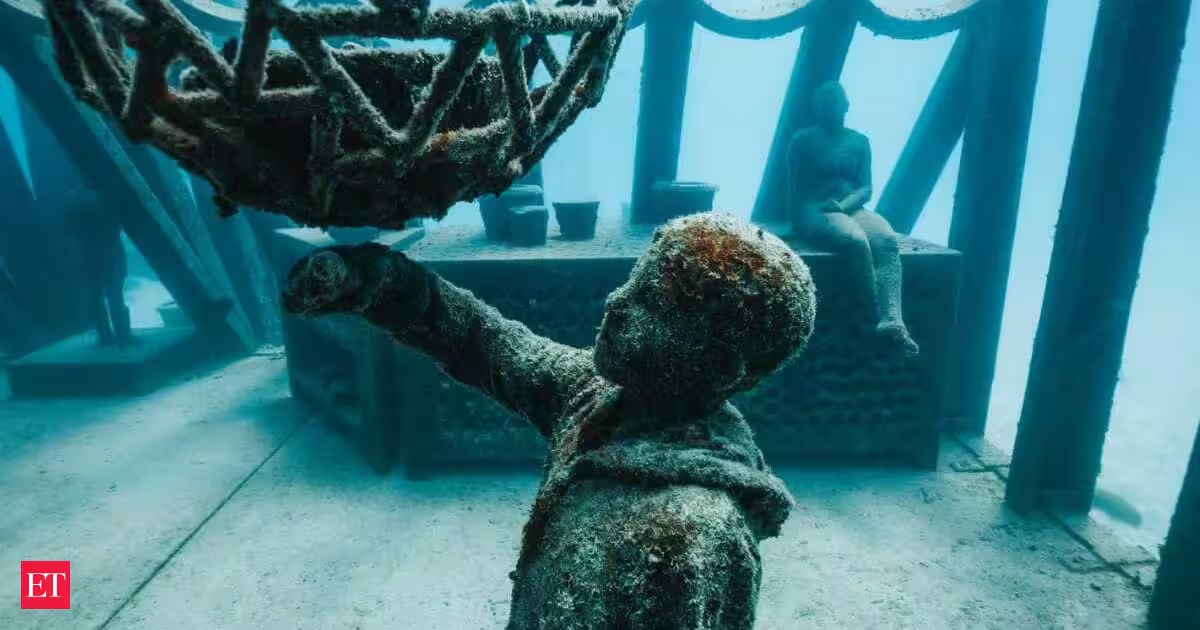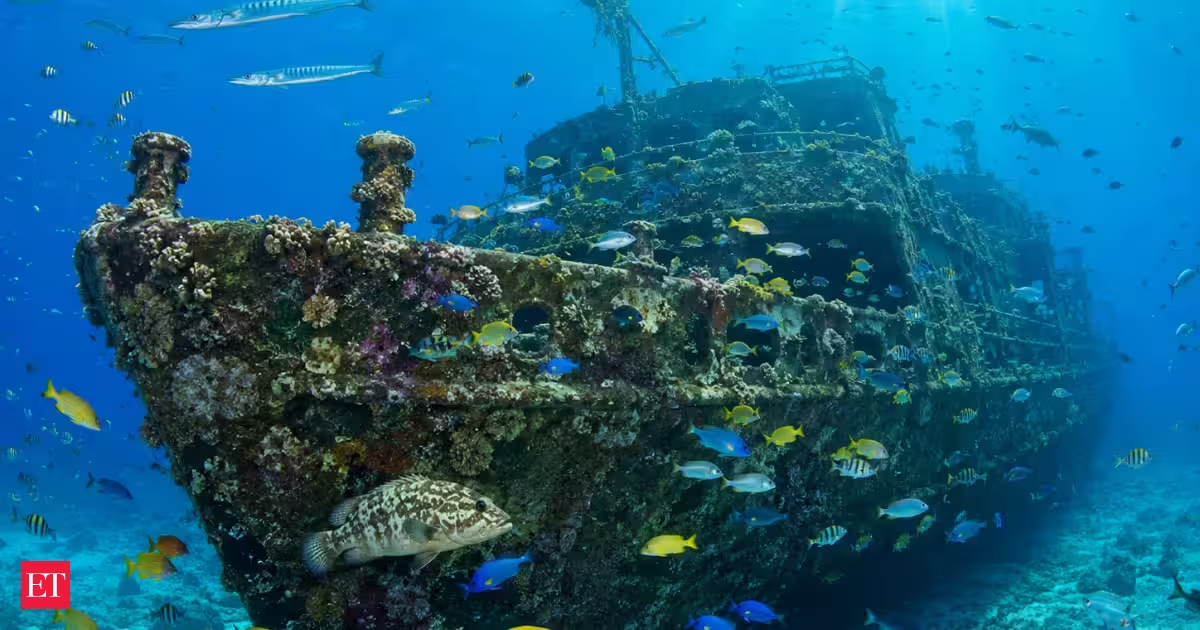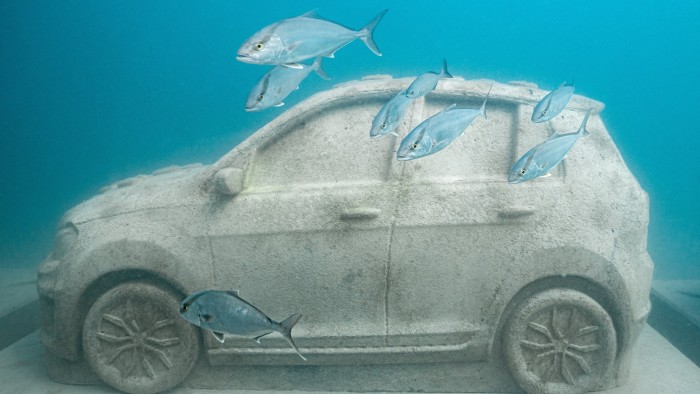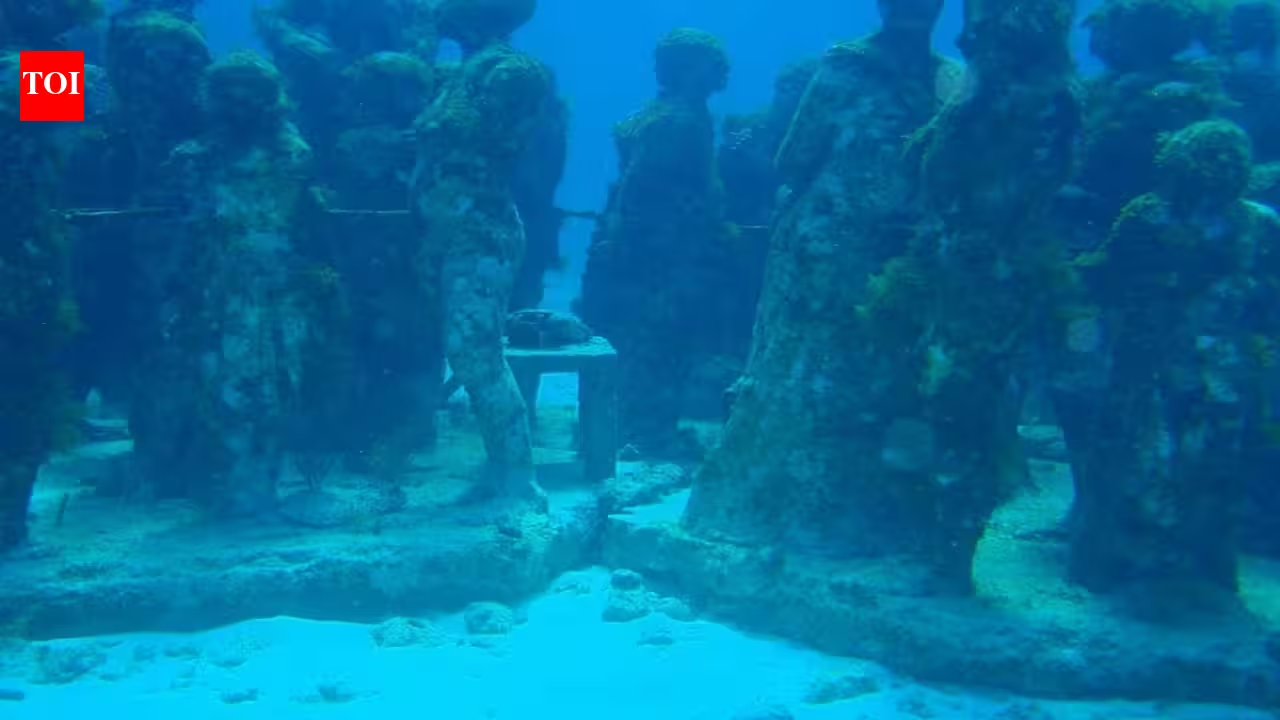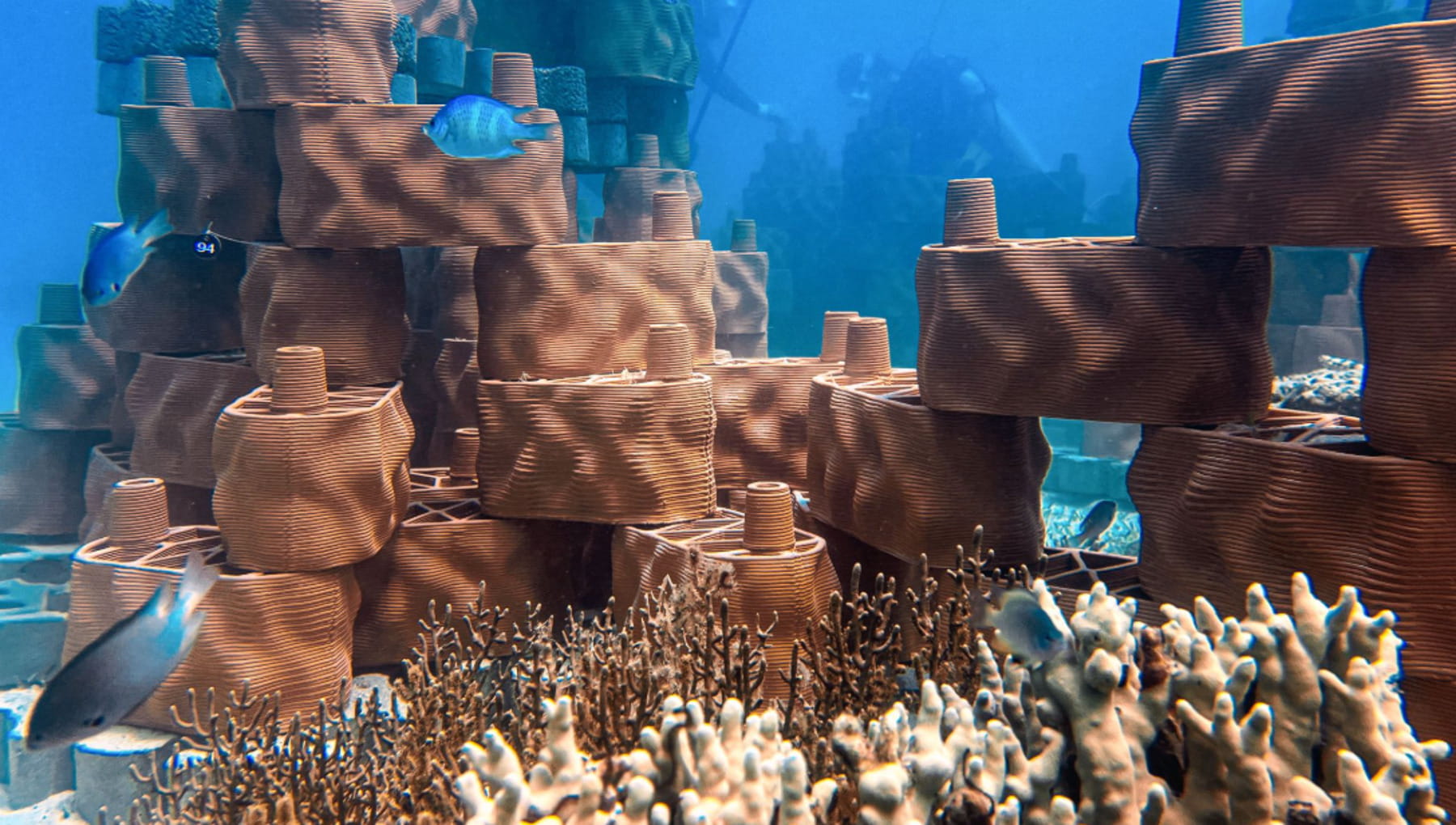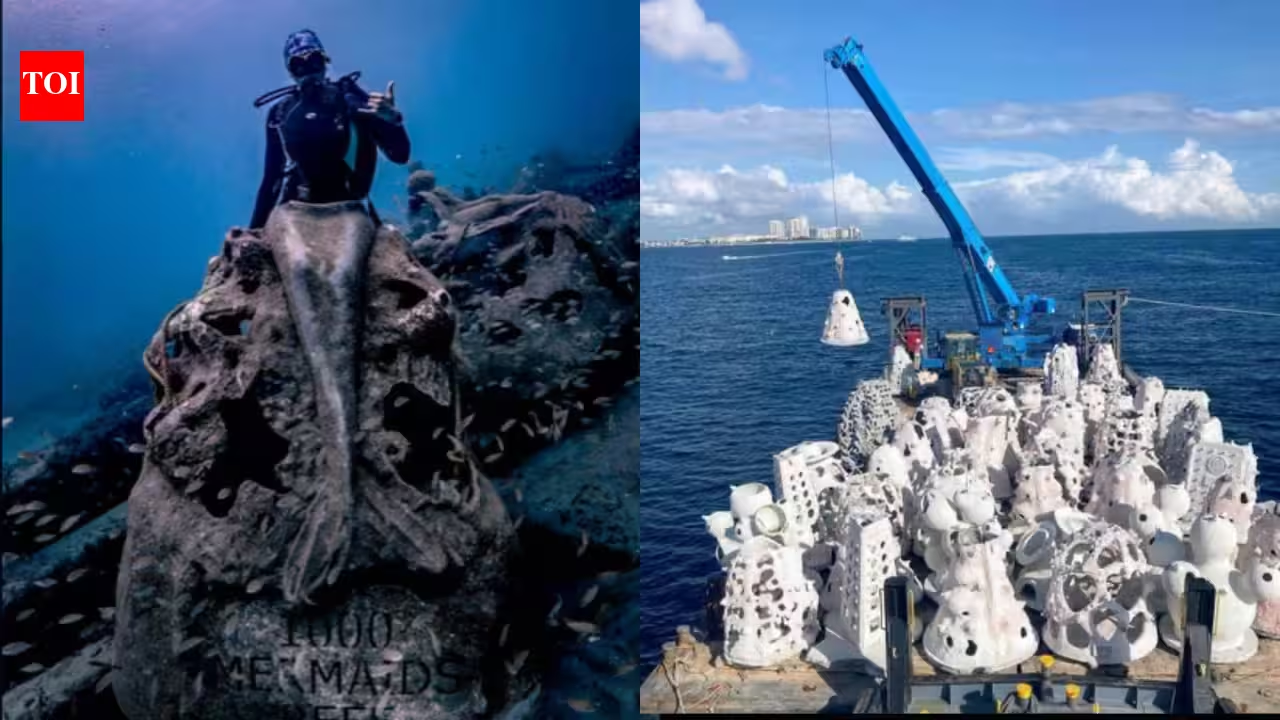
Florida began sinking mermaid-shaped reef sculpturesMore than 300 sculpted reef modules, including ocean-friendly concrete mermaids, now sit on the seafloor off South Florida as part of a growing marine restoration project launched seven years ago. Known as the 1000 Mermaids Artificial Reef Project, the initiative combines public art with habitat creation to help restore damaged marine ecosystems. According to records from Ocean Rescue Alliance International, the non-profit organisation leading the project, the team began placing the structures off Palm Beach County in 2019 and has since expanded south into Broward County. The project uses large reef modules made in partnership with Reef Cells, an engineering company based in Boynton Beach. Each module weighs between 2,200 and 5,500 pounds and is made from pH-neutral, environmentally friendly concrete designed to support marine life. The structures are not simply underwater artworks. They contain holes, textured surfaces and sheltered spaces where fish, lobsters and other marine animals can live and grow.Combining art with reef restorationTo create the sculptures, artists make body casts of real people and use them to produce concrete mermaids, mermen and other ocean-themed figures. The sculptures are attached to heavy reef bases along with other modules designed specifically as fish habitats. The structures also use a patented system called Coral Lok. Developed by architectural sculptor and reef builder Chris O'Hare, the system uses specialised plugs that allow researchers and conservation workers to attach nursery-grown coral fragments directly to the artificial reefs. The system removes the need for underwater epoxy or other potentially harmful adhesives. "We focus all of our projects around the restoration of marine habitat," said Shelby Thomas, a marine biologist and founder of Ocean Rescue Alliance International, in an interview about the group's work. "When we create art projects, it is a small fraction art, and a majority is focused on habitat creation and marine resource restoration." Thomas said the artwork has a purpose beyond its appearance. It helps attract public interest and funding for marine conservation. "I ultimately started [ORAI] because I realized the biggest threat to humanity was the disconnection from nature. I knew from a social-physiological perspective we must create connection to have sustained change," Thomas said. "And so, I fell in love with art and its ability to connect people to the ocean and sustainably fund large-scale restoration."Cities support artificial reef projectsLocal governments across South Florida have supported the artificial reefs as a way to encourage marine tourism while reducing pressure on fragile natural reefs. According to official documents from the City of Hollywood, its Community Redevelopment Agency worked with Ocean Rescue Alliance International to create a 20-module reef about one mile offshore in water 35 to 40 feet deep. The first installation included five types of art sculptures, including a mermaid tail that swimmers could pass through, a vintage diver suit module and several mermaid statues. After the deep-water project, the city expanded its work with the organisation to create sites closer to shore. The City's offshore reef guide describes the "Guardians of the Reef" installation, which was placed in water about 10 feet deep across four locations, including areas near North Beach Park, Harry Berry Park and Keating Park. Because the sites are shallow, snorkelers and other beachgoers can swim out from shore to see the sculptures. Visitors do not need charter boats or advanced diving equipment.The Florida Reef Tract stretches for more than 360 miles along Florida's southeastern coast and is the only barrier reef system in the continental United States. According to environmental information from Ocean Rescue Alliance International, the natural reef supports billions of dollars in economic activity each year through fishing and tourism. It also helps reduce wave energy by up to 97 per cent during major storms. However, the reef has suffered major damage from Stony Coral Tissue Loss Disease, rising ocean temperatures and physical damage caused by human activity. Artificial reefs can help by giving recreational divers alternative sites to visit, reducing pressure on fragile natural coral areas. Over time, the concrete structures become covered with coralline algae, sponges and soft corals, gradually turning the sculptures into living marine communities. The 1000 Mermaids project continues to add new modules along Florida's coast, with more installations planned in international locations, including Mexico and the Caribbean.
In 2019, Florida began sinking mermaid-shaped reef sculptures; the project now has more than 300 habitat and art modules in South Florida
More than 300 sculpted reef modules, including ocean-friendly concrete mermaids, now sit on the seafloor off South Florida as part of a growing marine restoration project launched seven years ago. Known as the 1000 Mermaids Artificial Reef Project, the initiative combines public art with habitat creation to help restore damaged marine ecosystems.
707 words~3 min read