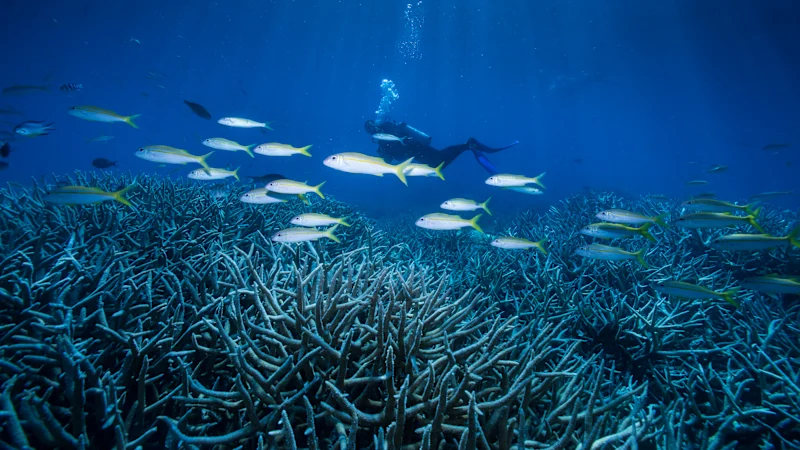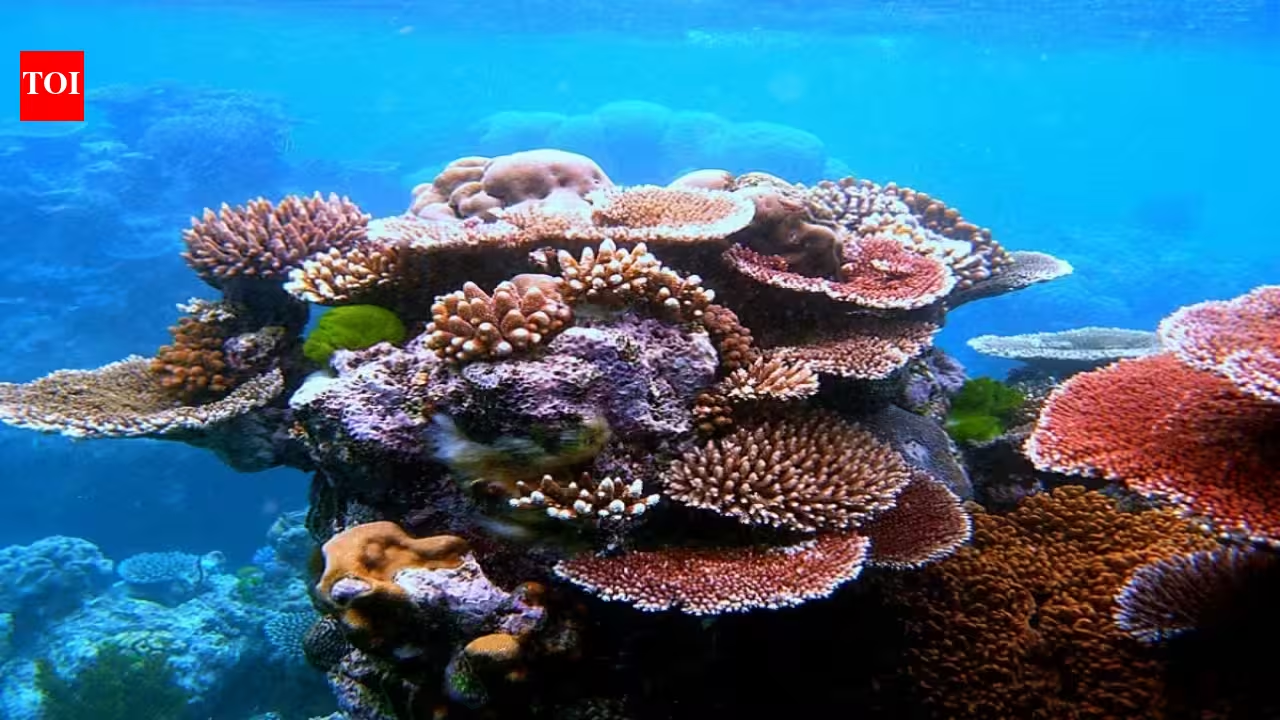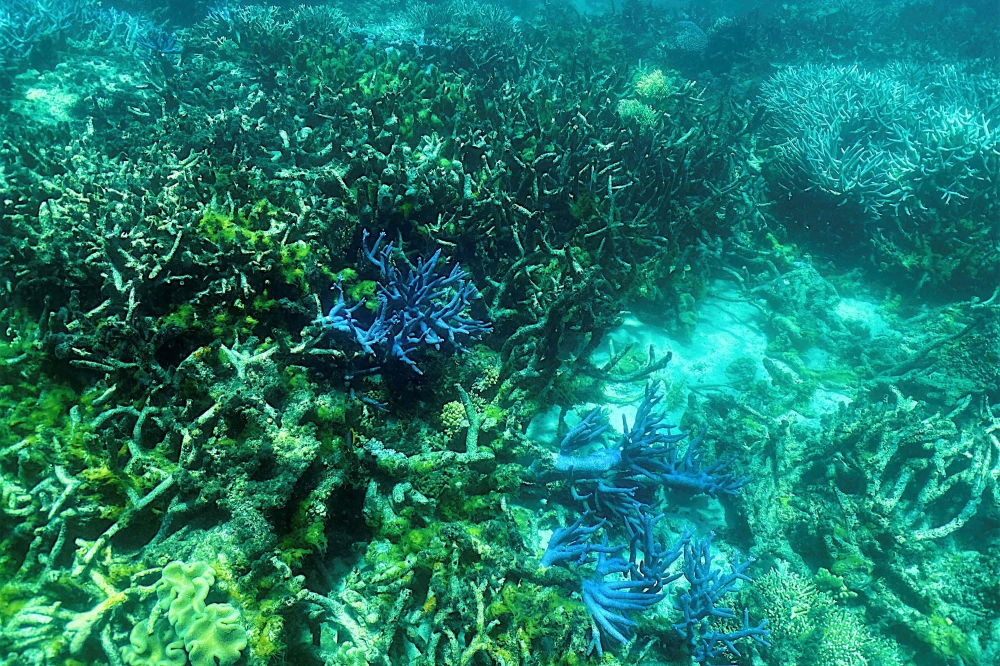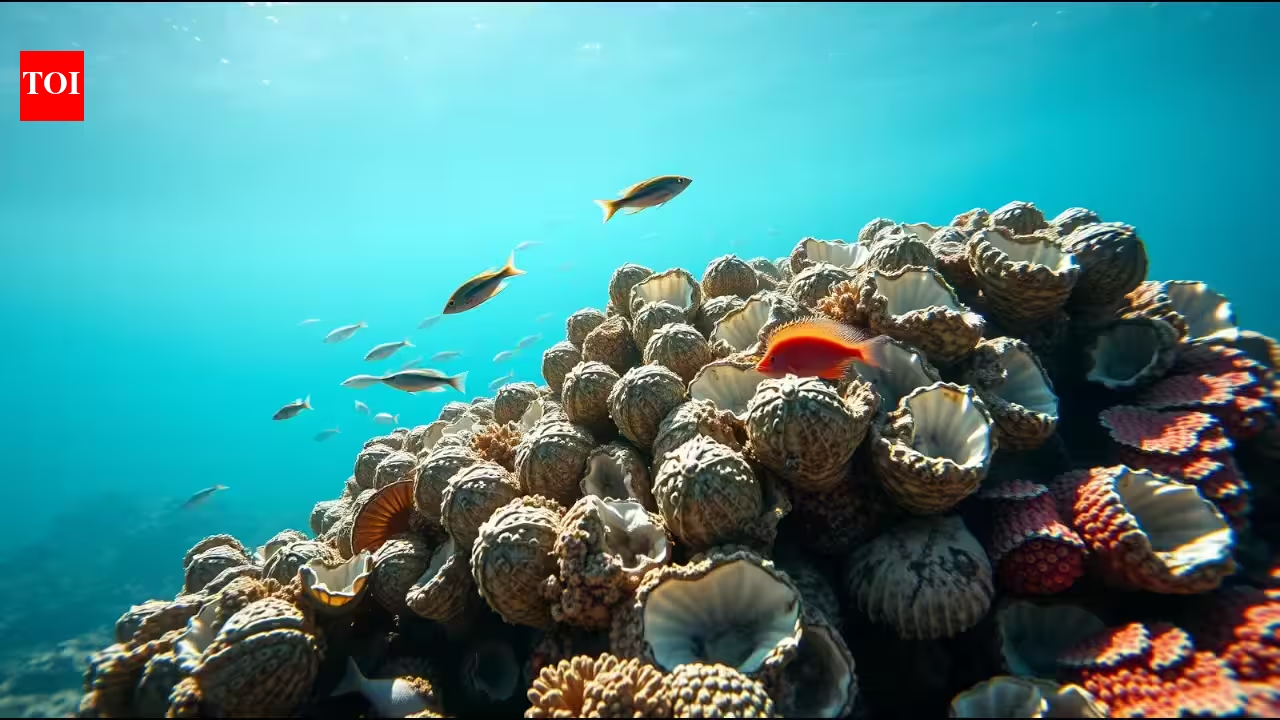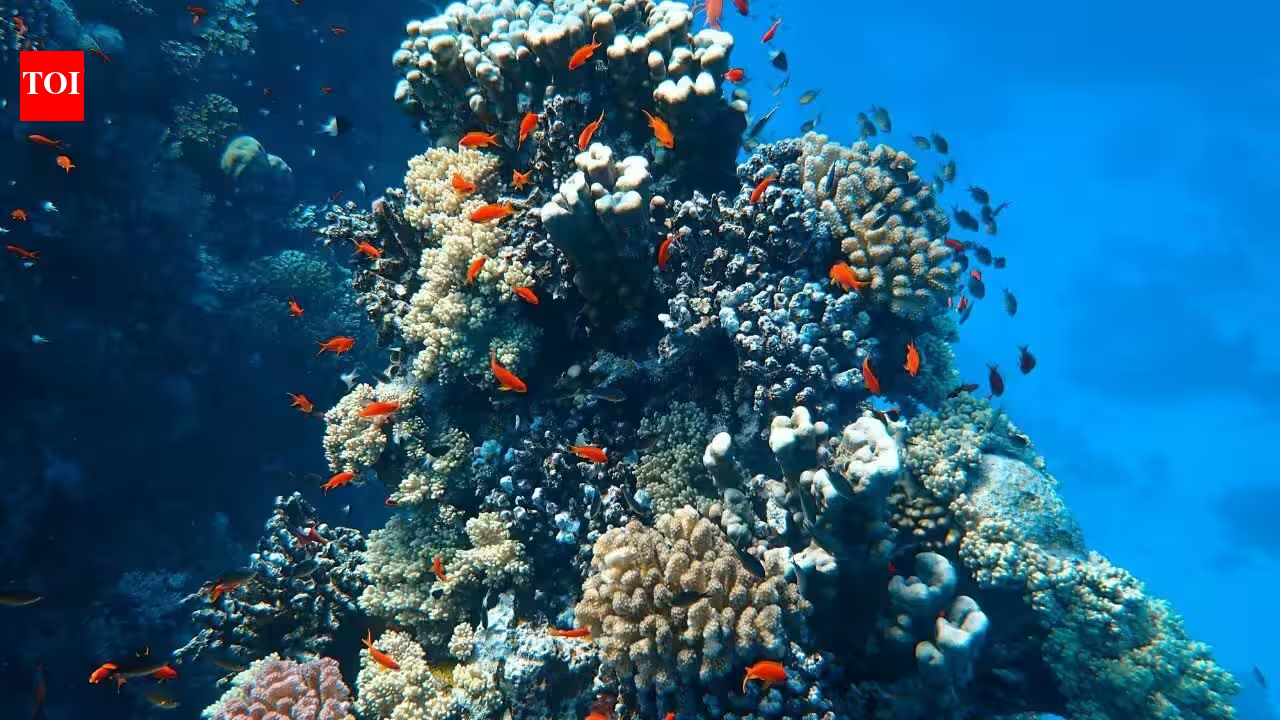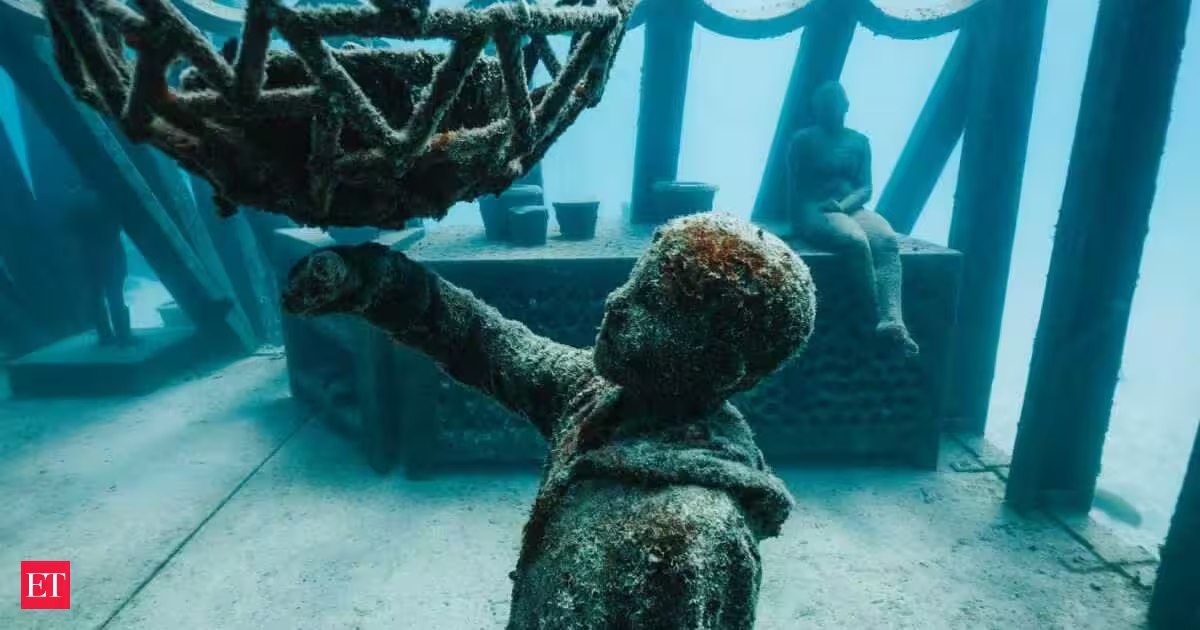
In 2019, Australia lowered a 58-ton concrete greenhouse into the Great Barrier Reef; the 12-metre underwater structure became a living artwork and coral habitatSynopsisNestled beneath the waves near John Brewer Reef in Australia lies an innovative Coral Greenhouse sculpture crafted from pH-neutral cement, designed to foster marine life. Observations reveal a remarkable increase in fish populations since its installation, highlighting its role in raising awareness and securing funding for essential reef conservation efforts. This project exemplifies proactive measures against pressing environmental challenges.Listen to this article in summarized formatThe Coral Greenhouse at John Brewer Reef, Australia. Image credits: Wikimedia CommonsIn John Brewer Reef, off the coast of Townsville, Australia, exists a greenhouse with no windows, no door, and no street address you could put on an envelope to send a postcard to. To visit this particular greenhouse, you'd need a boat, an oxygen tank, and be prepared to dive into the Coral Sea around 55 feet below sea level. There, resting inside the natural harbor lies a 12 meters tall concrete structure weighing around 58 tons, inside which there are two dozen human-sized figurines, based on real schoolchildren, tending to a bunch of trays full of corals as if participating in an odd science fair experiment.The John Brewer Reef. Image credits: @moua_museum_of_underwater_art/InstagramThis structure is called the Coral Greenhouse, and it is one of the most notable parts of the Museum of Underwater Art, unveiled in December 2019 with an extremely modern-day proposition: see the beauty before it is gone. Indeed, the idea comes with a sense of urgency. According to the National Oceanic and Atmospheric Administration, the world is experiencing its fourth global coral bleaching event in history, with corals in the Atlantic, Pacific, and Indian oceans suffering from heat stress.A building designed to disappearWhat makes it odd is not that it is under water but the fact that it was not originally designed to look like that on its inauguration day. Jason deCaires Taylor, an artist from Britain, constructed the structure using pH-neutral cement and corrosion-proof stainless steel purposely to allow algae, sponges, and coral polyps to grow on it in the coming days. Its purpose is not one of creating a monument but a scaffold, such that after some time, the "structure" will disappear under the marine life forms it aims to regenerate. It is indeed odd because this is an architectural structure that succeeds through consumption.Does it actually work, or is it just a really elaborate photo op?It is backed by facts, in this case. A 2022 peer-reviewed article titled "Engineering, Ecological and Social Monitoring of the Largest Underwater Sculpture in the World at John Brewer Reef, Australia" in the Journal of Marine Science and Engineering found that there had been changes in fish populations monitored once or twice a year between 2018 and 2022. The 2018 figures come from a baseline survey conducted before the structure was installed in December 2019, giving researchers an "empty seabed" starting point to measure against. There were only 12 different species of fish, along with 65 fish in total in 2018, which increased to 46 species and 365 individuals by 2022.As far as invertebrates go, researchers found no significant change in overall abundance or diversity across the same period, though this refers to the broader invertebrate community counted in transect surveys, not the corals themselves. Separately, coral transplantation and recruitment onto the structure were tracked as a distinct success story: of 131 corals transplanted onto the Coral Greenhouse in March 2020, survivorship stood at over 91% after a year, and both hard and soft corals naturally recruited onto the structure at measurable densities over the following two years. The process of transforming a concrete sculpture garden into a living fish habitat in just a few years is pretty remarkable.The quiet partThe Coral Greenhouse roughly occupies an area of seafloor equivalent to the surface of a basketball court. The Great Barrier Reef occupies an area of 133,000 square miles. However many sculpture gardens cannot replace reductions in emissions and neither do the researchers studying the site think that they can. In fact, as marine scientists who studied the museum since 2018 explained in an article for The Conversation, the Great Barrier Reef’s managers have traditionally not focused on creating artificial reefs as part of reef restoration efforts, but have focused on controlling the crown-of-thorns starfish population and better adherence to water quality standards, with the underwater sculpture sites being used only as pilot projects demonstrating the methods of restoration.An underwater view of broken corals. Image credits: Wikimedia CommonsArt can attract funding and raise awareness and give someone from Ohio the reason to care about the reef that he or she will never touch with their own hands. But art cannot undo ocean warming by a degree Celsius. The Coral Greenhouse is not meant to be just a tourist destination. It’s a rare case where concern has been transformed into an actual tangible experience, one that you can visit fins and all. It’s unlikely to save the reef, but it’s one of the few cases of people actually doing something, rather than just despairing over it on Twitter.Read More News on(Catch all the US News, UK News, Canada News, International Breaking News Events, and Latest News Updates on The Economic Times.) Download The Economic Times News App to get Daily International News Updates....moreless
In 2019, Australia lowered a 58-ton concrete greenhouse into the Great Barrier Reef; the 12-metre underwater structure became a living artwork and coral habitat
Discover the transformative Coral Greenhouse in Australia's Great Barrier Reef, a concrete habitat promoting coral growth and fish populations amidst global warming. Unveiled in 2019, this underwater art piece serves as a living reminder of the beauty of marine life and the urgent need for ecological conservation.
890 words~4 min read