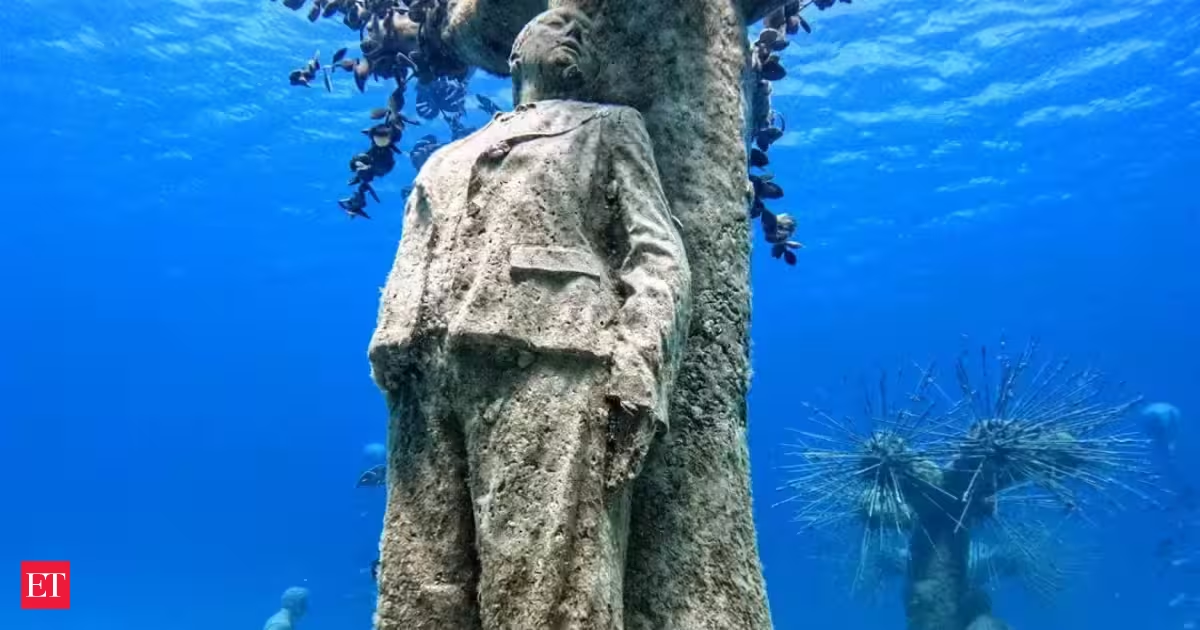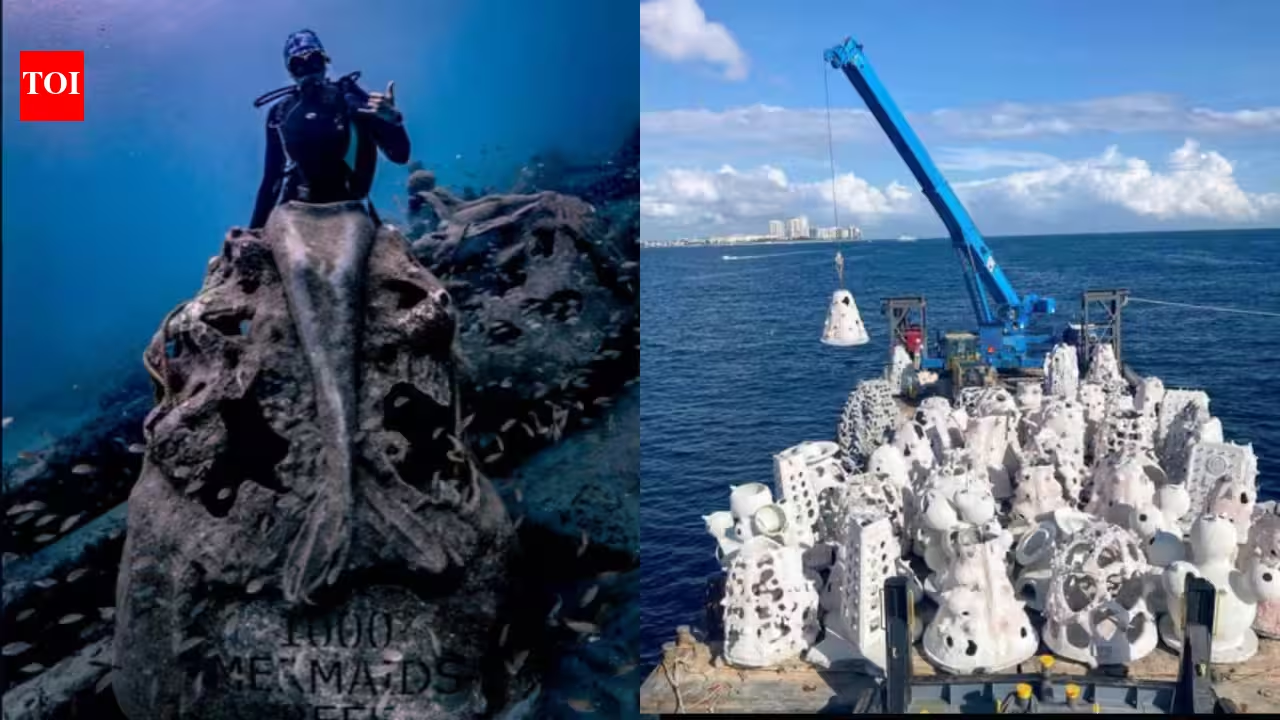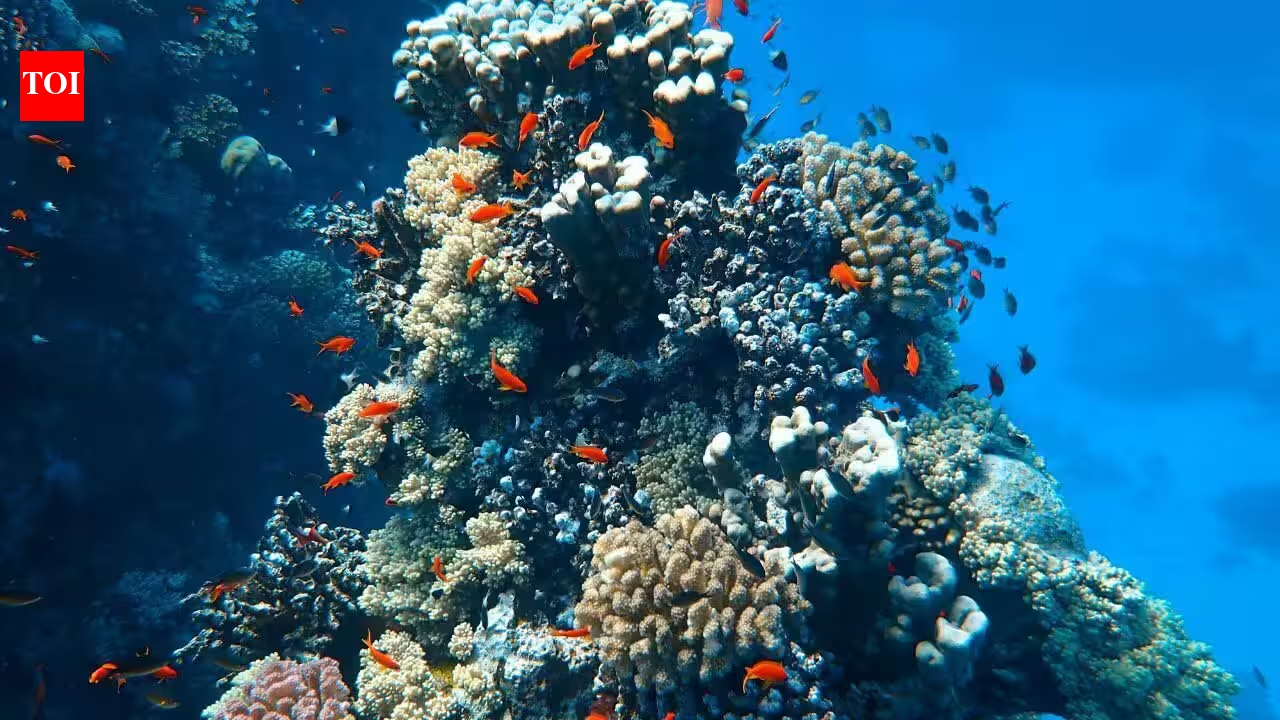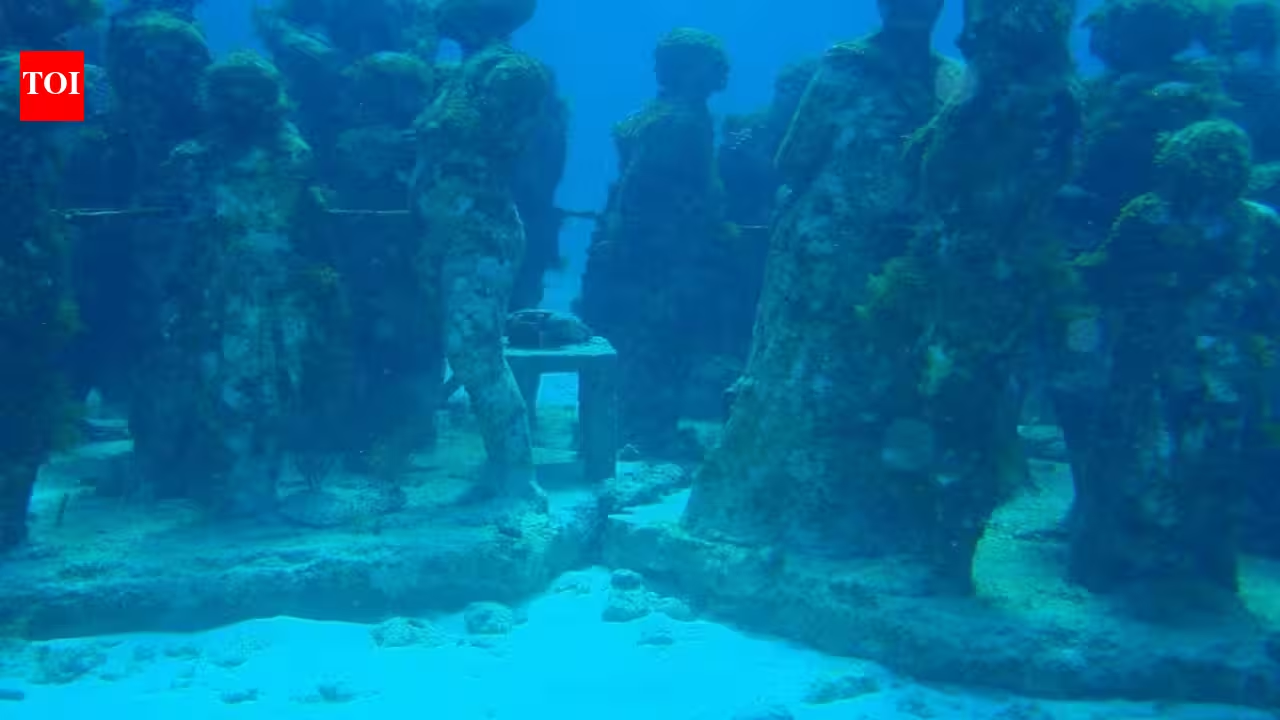
Life-size human statues covered in marine growth at Mexico's Museo Subacuático de Arte (MUSA). Credits - Wikimedia Commons In 2009, an unusual collection of human figures began appearing beneath the Caribbean Sea near Cancún and Isla Mujeres. The sculptures were not placed there simply as an underwater attraction. They were made from marine-grade concrete and designed to become surfaces where algae, sponges and corals could settle. The project became the Museo Subacuático de Arte (MUSA), an underwater museum designed to attract divers and snorkelers while adding structures to an area already under pressure from heavy tourism. The University of Texas Marine Science Institute describes MUSA as an artificial reef project made up of hundreds of sculptures, with the first installations dating to 2009. Over time, the figures were expected to change as marine life gradually covered the concrete.The project was created in response to a simple problem. Cancún's natural reefs draw large numbers of visitors, and repeated diving and boat activity can add pressure to fragile marine habitats. MUSA offered another place for people to go underwater without putting every visitor on the same natural reef. At the same time, the statues gave marine organisms something solid to settle on in areas where there was otherwise little hard surface.How the statues became part of the reefThe museum expanded gradually rather than appearing all at once. The museum eventually expanded to hundreds of sculptures spread across several underwater galleries, with the largest collection at Manchones, off Isla Mujeres. The official MUSA Manchones gallery lists 473 sculptures at the site. Some show people standing in groups or sitting alone, while others are built around everyday scenes. One of the best-known works, The Silent Evolution, brings together hundreds of human figures arranged across the seafloor.What makes the statues unusual is that they were never intended to stay looking new. Marine-grade concrete provides a rough surface that organisms can colonise as water moves around the figures. Algae can appear first, followed by sponges, corals and other small marine life. As that growth spreads, faces become less distinct, clothing disappears under layers of organisms and the figures begin to resemble pieces of the reef itself. The University of Texas Marine Science Institute has documented marine growth covering parts of the sculptures, making some of them harder to recognise over time.The placement of the sculptures also matters. They sit in underwater areas where drifting organisms can settle on the artificial structures. Fish and other small animals can then use the spaces around them for shelter. This does not make the statues a replacement for a natural coral reef, but it gives life another surface on which to grow and move. The museum's creators have also presented the project as a way to shift some visitor traffic away from more sensitive natural reef areas.Disgraced politicians' representation at Mexico's Museo Subacuático de Arte. Credits - Wikimedia Commons When artwork starts changing on its ownThe sculptures were designed to become part of their surroundings, but the exact changes were left to the sea. Unlike a painting that remains largely unchanged after it is finished, an underwater sculpture can be altered by algae, sponges, corals and other organisms that settle on its surface. Algae, sponges and corals gradually alter its colour, texture and shape. A face that was sharply defined when the sculpture entered the water can become almost unrecognisable years later. A face that was sharply defined when the sculpture entered the water can become almost unrecognisable years later.That change is part of what makes MUSA different from a conventional museum. Visitors may arrive expecting to see a collection of human statues, only to find that many of them have become covered with marine life. The project has effectively created a living display in which the surrounding ecosystem becomes part of the artwork. In some areas, marine growth has become so heavy that it can be difficult to separate the original design from what has accumulated on top of it. MUSA operates different galleries for divers and snorkelers, including the shallow Punta Nizuc area. The official MUSA site lists 33 sculptures at Punta Nizuc, where visitors can see the figures from the surface more easily than at the deeper Manchones gallery. That gives the project another practical function: visitors can experience an underwater attraction without every trip taking place directly on natural reef structures.There are limits to what the project can achieve, too. An artificial structure may attract marine organisms without developing into the same ecosystem as a natural reef. Its effects can also vary depending on water conditions, location and the organisms already living nearby. MUSA is better understood as a mix of art, tourism and habitat creation rather than a substitute for coral-reef conservation.More than 15 years after the first sculptures were submerged, the strangest part of MUSA is no longer the sight of hundreds of human figures underwater. It is what has happened to them since. The concrete people have slowly been covered by the organisms that live in the sea, turning a collection of sculptures into a changing underwater landscape. The project has since become a place where human-made structures and marine life continue to reshape each other. The visitors may arrive to look at the statues, but the sea has never been a passive backdrop. Over time, it has altered the artwork itself. In MUSA, a sculpture is never really finished; the reef keeps changing it.
Beginning in 2009, Mexico submerged hundreds of life-size sculptures; the underwater figures were designed to attract marine life as well as visitors
In 2009, an unusual collection of human figures began appearing beneath the Caribbean Sea near Cancún and Isla Mujeres. The sculptures were not placed there simply as an underwater attraction.
902 words~4 min read