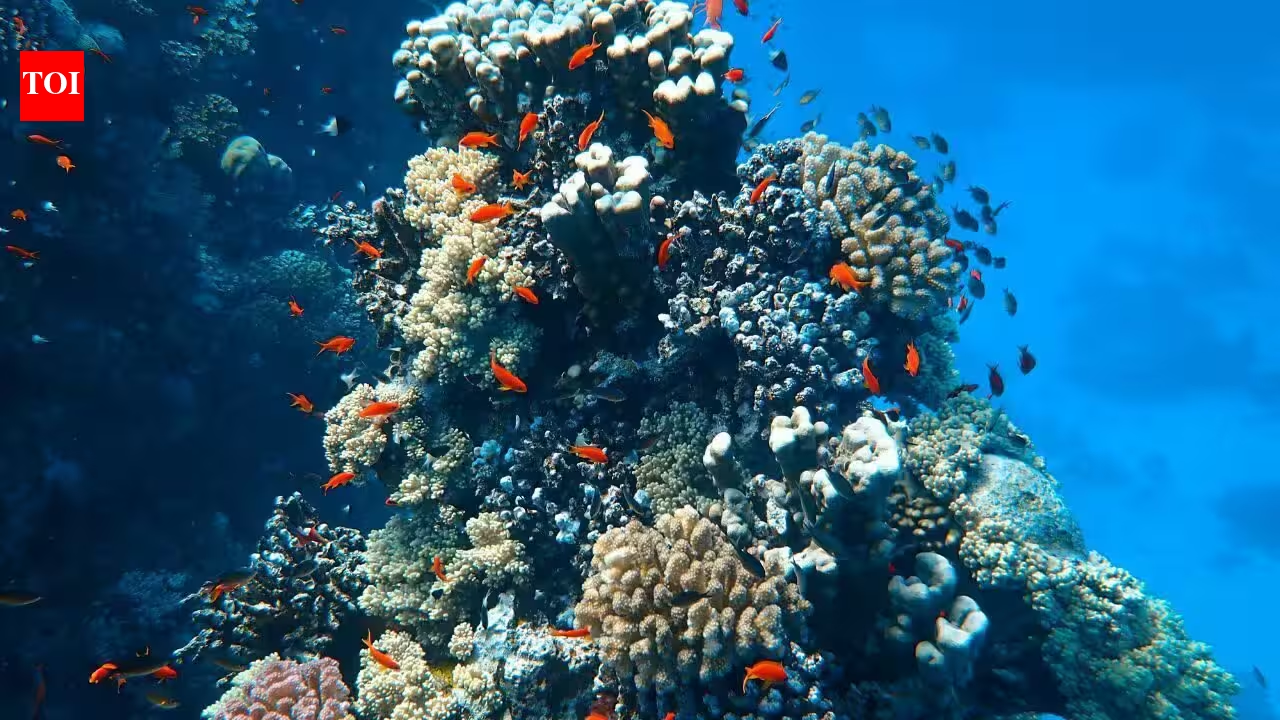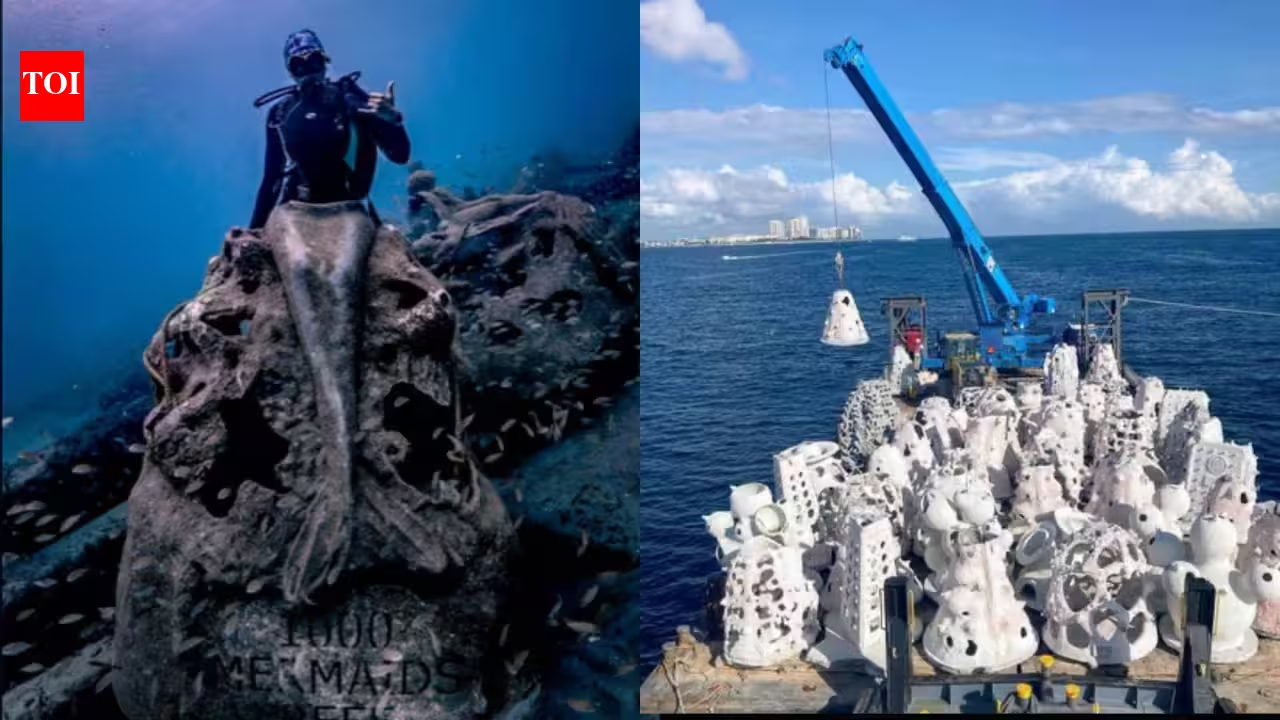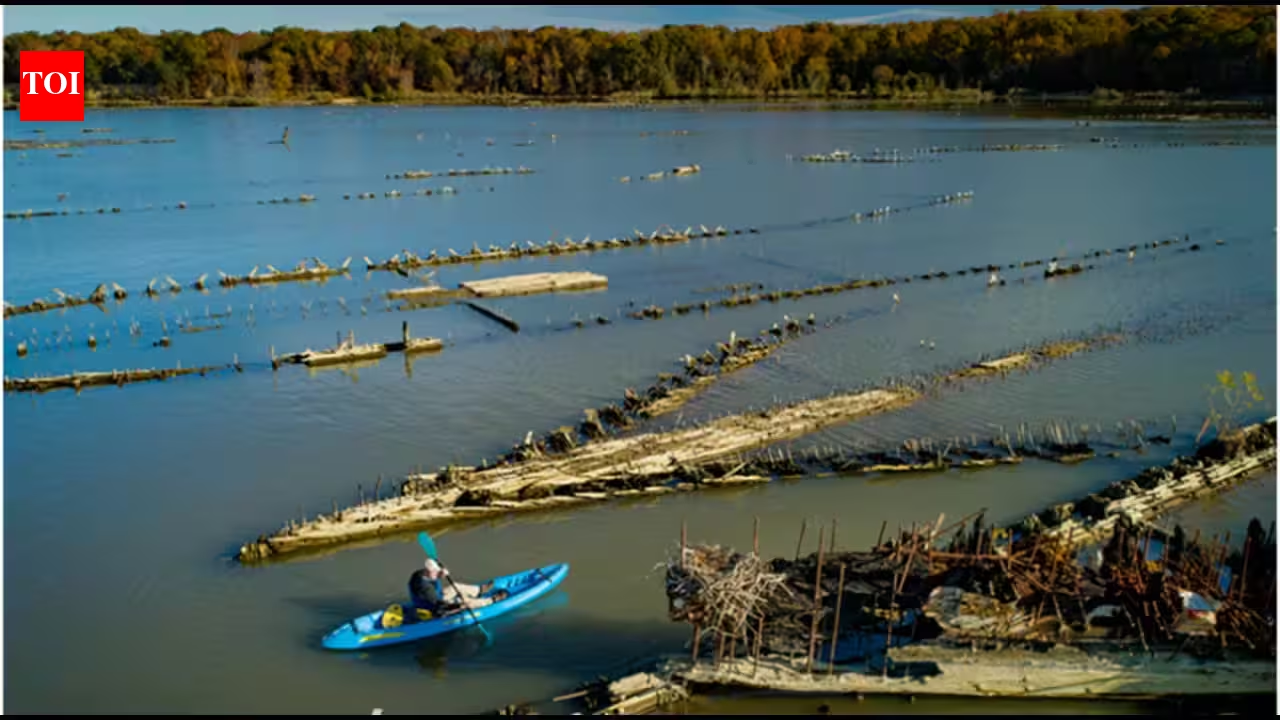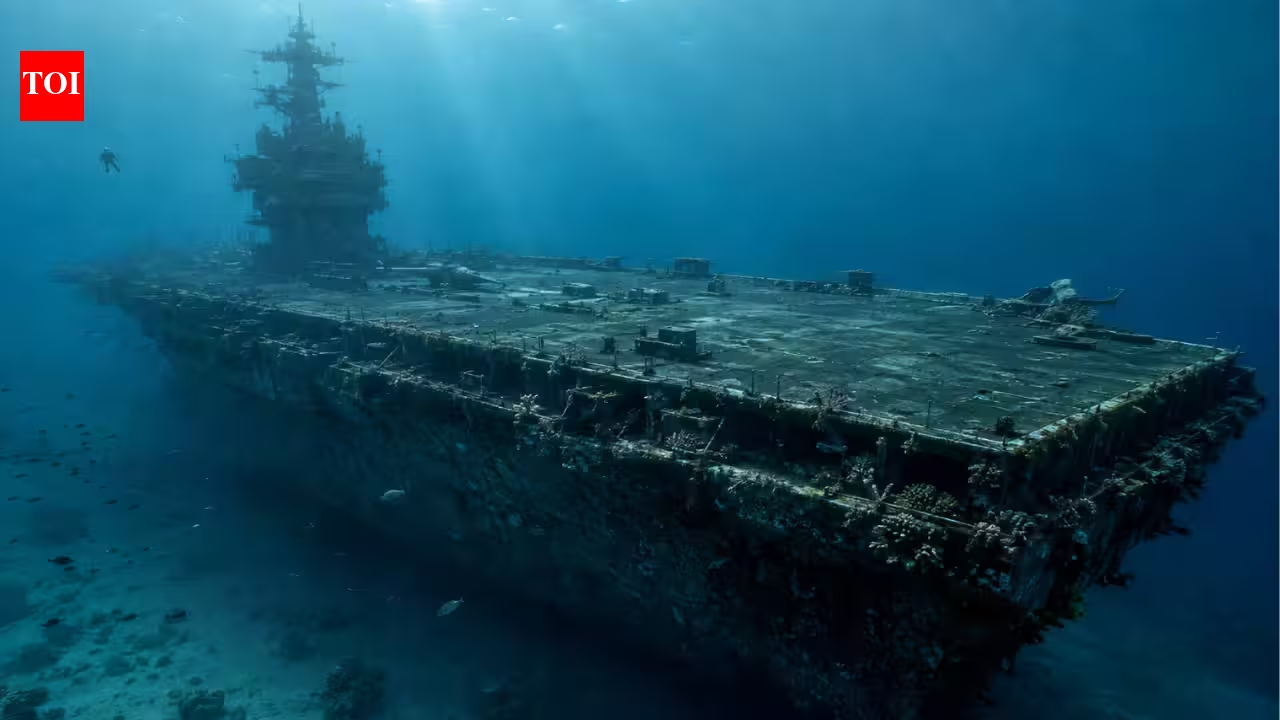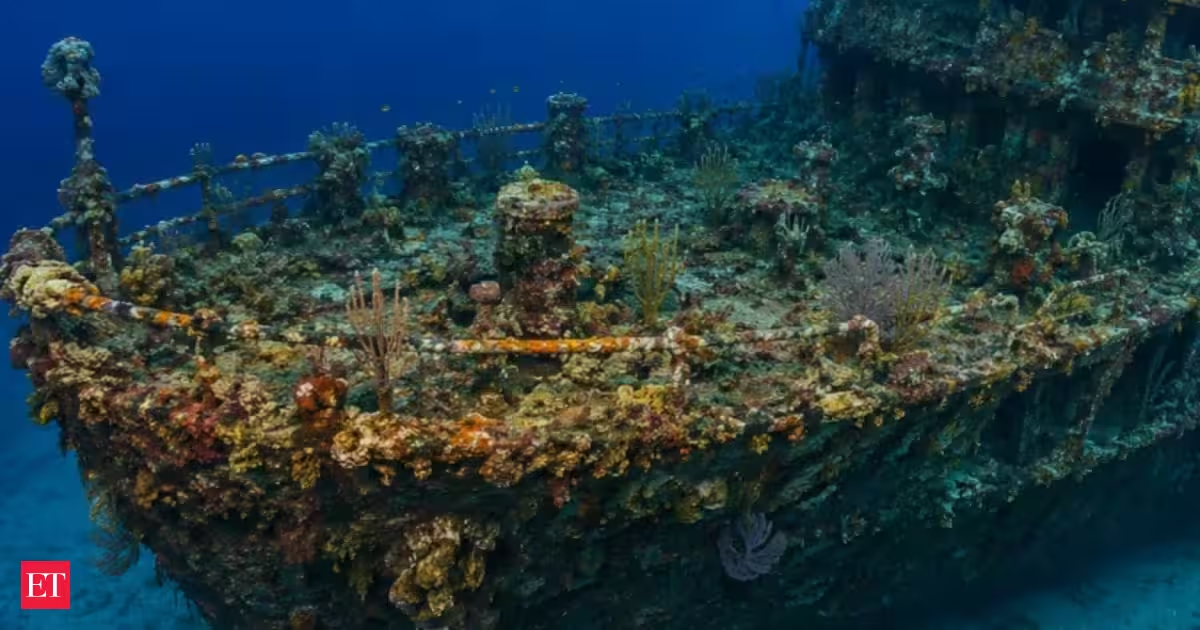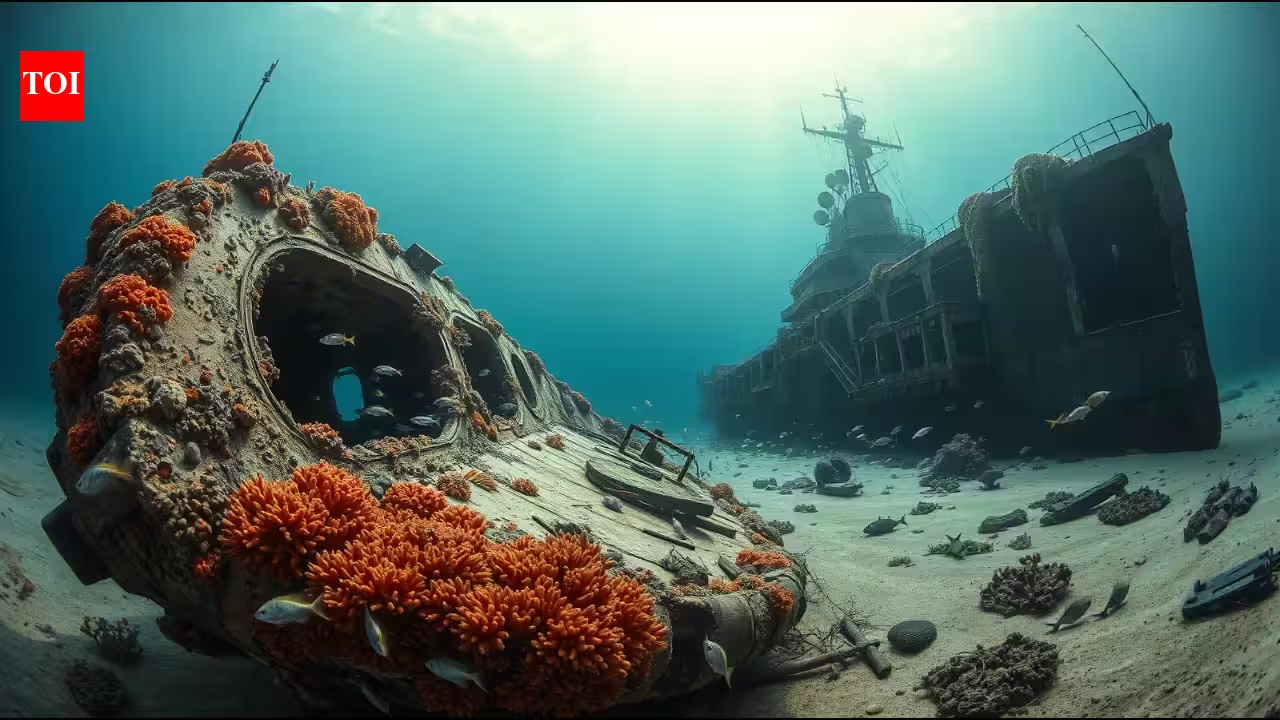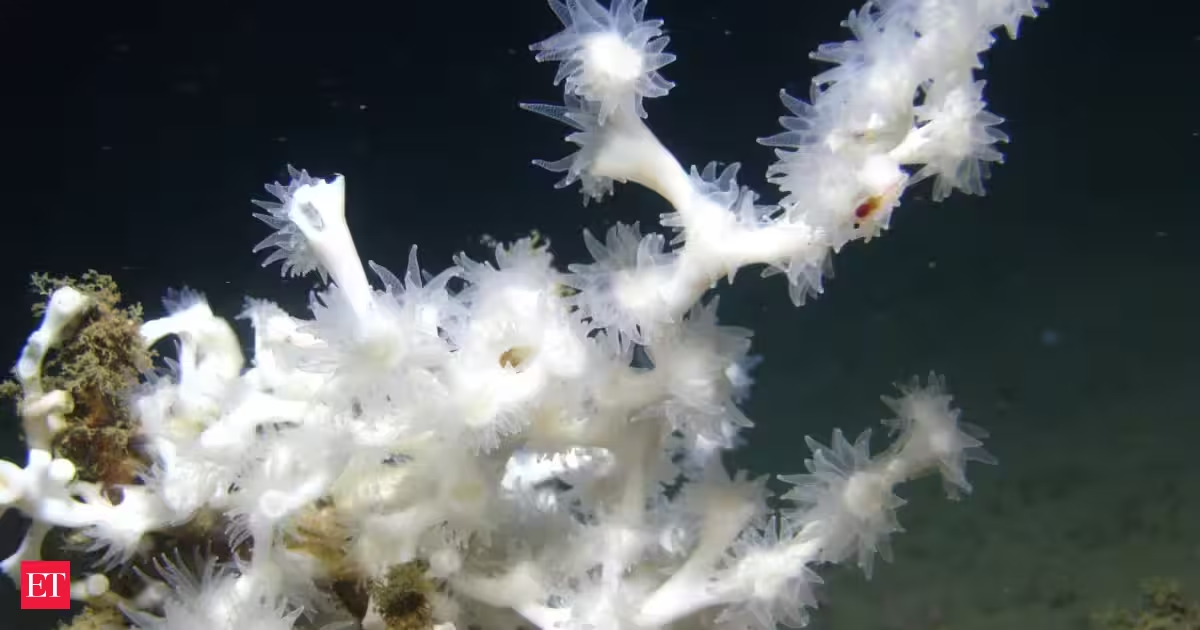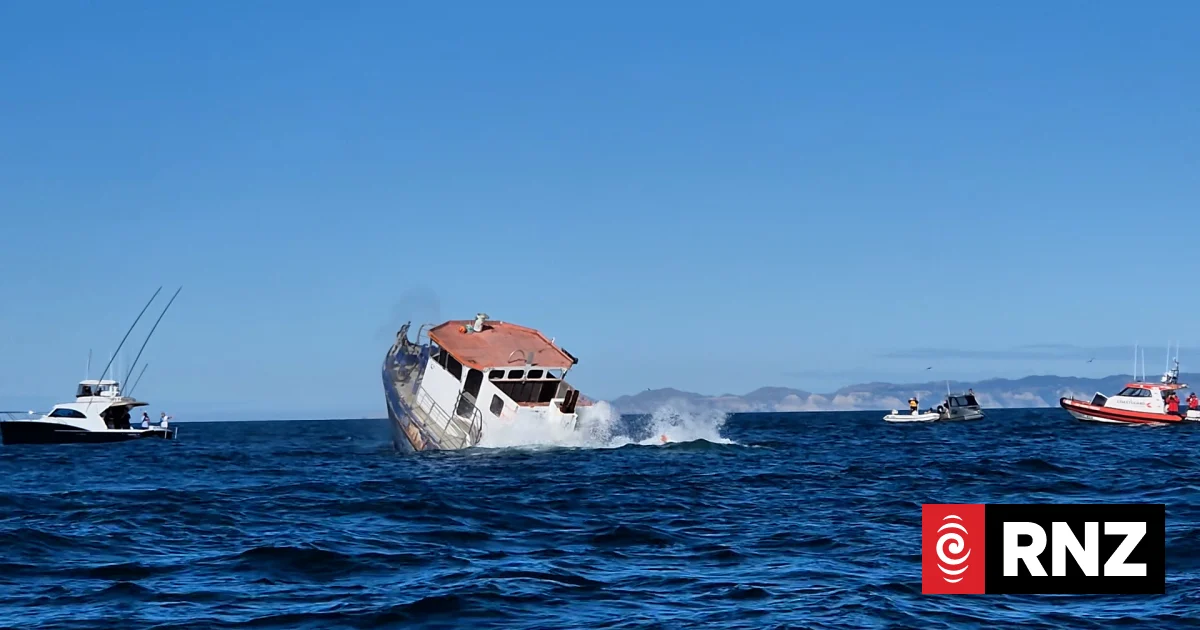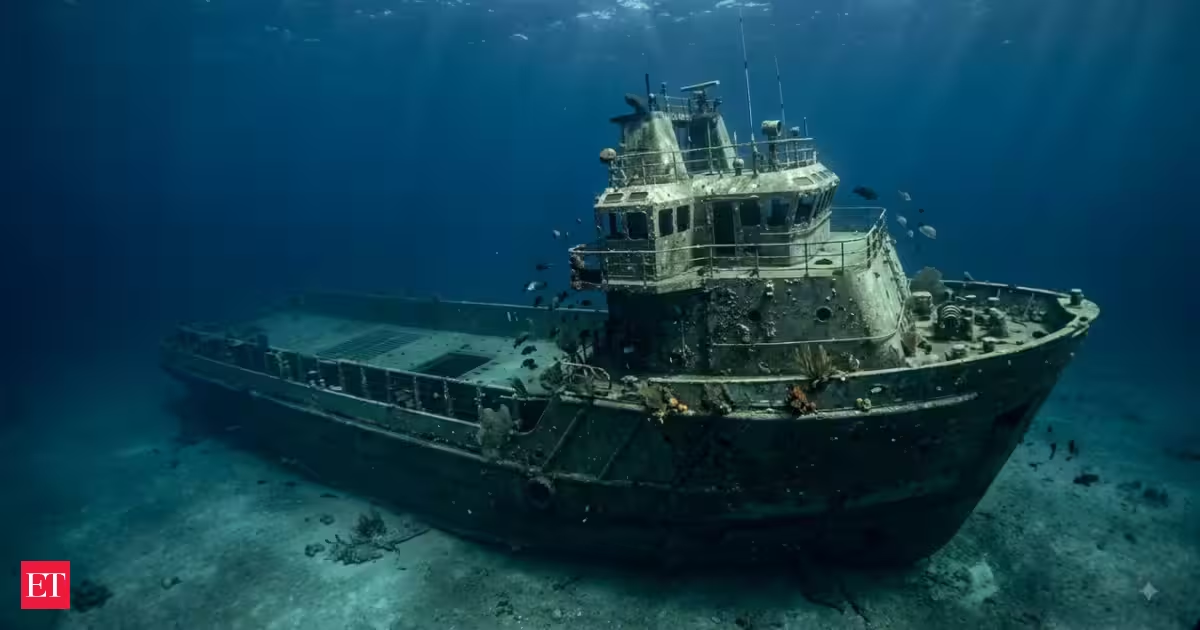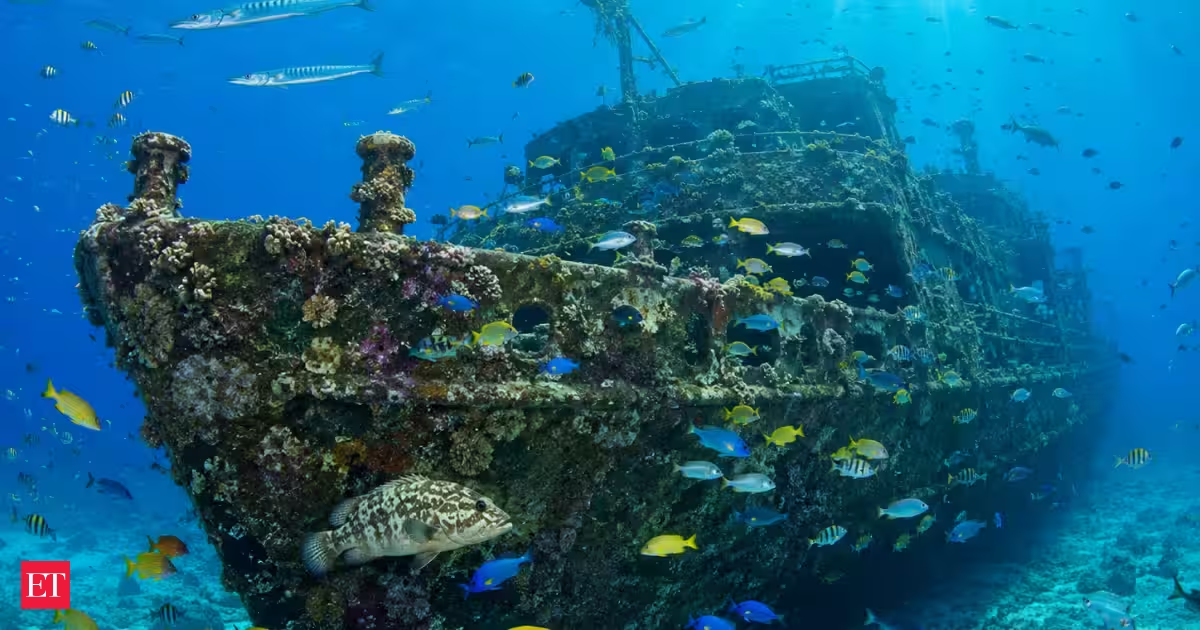
Six miles off Key Largo, Florida, there’s a shipwreck that divers travel from around the world to see. It didn't sink in a storm or a battle. People sank it on purpose. According to NOAA's National Ocean Service, the USS Spiegel Grove was intentionally sunk in June 2002 to become an artificial reef, and at 510 feet long, it was, at the time, the largest ship ever deliberately sunk for that purpose. That's roughly the length of one and a half soccer fields, resting quietly on the seafloor.The ship that refused to sink on scheduleSpiegel Grove had a full working life before becoming a reef. Commissioned on June 8, 1956, according to the Naval History and Heritage Command, the Spiegel Grove served the U.S. Navy for 33 years as a landing ship dock, transporting troops and equipment through the Cold War era. The Navy decommissioned the ship on October 2, 1989, and it spent the next twelve years in the Navy's 'mothball fleet' at the James River Reserve Fleet in Virginia, according to the Naval History and Heritage Command.That next chapter almost didn't go as planned. On May 17, 2002, it flooded early and sank on its own as crews were preparing the ship for its official sinking near Key Largo, just hours ahead of schedule. It was upside down, its bow sticking out in fifty feet of water. The incident made international news. Salvage teams spent about three weeks fully sinking the ship, and according to the Reef Environmental Education Foundation, it came to rest on its starboard side on the seafloor by June 10, 2002.The 510-foot USS Spiegel Grove served the U.S. Navy for over three decades before its second life underwater. Image Credits: Wikimedia CommonsWhy sink a warshipDeliberately sinking a Navy ship in the ocean may sound strange, but there is real logic behind it. Hard surfaces help marine life grow, and old ships, once stripped of fuel and hazardous materials, can provide them. The Spiegel Grove now rests in some 130 feet of water, with an 84-foot-wide deck. Its cavernous spaces have slowly been colonized by sponges, corals and hydroids, turning the vessel into a habitat for marine life.Did sinking it actually help the ocean and the local economySoon after Spiegel Grove settled to rest, NOAA partnered with the Florida Fish and Wildlife Conservation Commission to monitor what would happen next. A socioeconomic monitoring study summarized by NOAA's Office of National Marine Sanctuaries found that diving activity in the area before and after the ship went down was beneficial to both the local economy and local ecology. A report from the University of Florida’s Institute of Food and Agricultural Sciences has a more detailed breakdown of those numbers. The report found that after the Spiegel Grove sank, there was a 13.7 percent decrease in the use of nearby natural reefs by divers and snorkelers, and about a 16.7 percent decrease in dive charters to those natural reefs. At the same time, the total amount of diving and snorkeling in the area grew. Thus, the new wreck relieved some pressure on delicate natural reefs while also supporting the local dive industry.A diver explores the wreck alongside a US flag, photographed in 2007. Image Credits: Wikimedia CommonsA separate line of research reinforces the same pattern seen at Spiegel Grove: a 2016 PLOS ONE study by Peter Simard and colleagues found that artificial reefs in the eastern Gulf of Mexico drew significantly more boat traffic than nearby natural reefs, echoing earlier findings, cited in that same paper, that the Spiegel Grove and USS Vandenberg had already shown similar increases in local diving activity and economic benefit in the Florida Keys. Researchers are quick to note that such results can vary from location to location, so this is not a panacea. But here, the data matches what Key Largo dive shops had hoped for.What divers find down there todayEven when it settled, the story of the ship kept twisting. Hurricane Dennis came through in July 2005 and righted the wreck once more. Today the top deck of the ship is about 85 feet below the surface and has become one of the most popular dive sites in the nation. Look for big groupers, barracuda, jacks, spadefish, and the occasional nurse shark cruising past coral-covered crane arms and long echoing corridors. If you are a beginner, you're not going to want to go here because it's big and deep. Most dive shops in the Keys will require an advanced certification before they will take divers down.The bigger pictureThe Spiegel Grove is a reminder that ocean conservation doesn’t always mean taking a hands-off approach. Sometimes it means deliberately sinking a 500-foot ship, correcting an accidental flip, and then spending years tracking what happens next with real data. The research suggests the project has had lasting benefits more than 20 years later, and for anyone who loves the ocean, that’s a pretty good reason to plan a dive trip.
In 2002, Florida sank a 510-foot Navy ship off Key Largo; the USS Spiegel Grove became one of the world's largest purpose-built ship reefs
Discover the fascinating story of the USS Spiegel Grove, the largest ship intentionally sunk to create an artificial reef, its impact on marine life, and the local economy.
826 words~4 min read