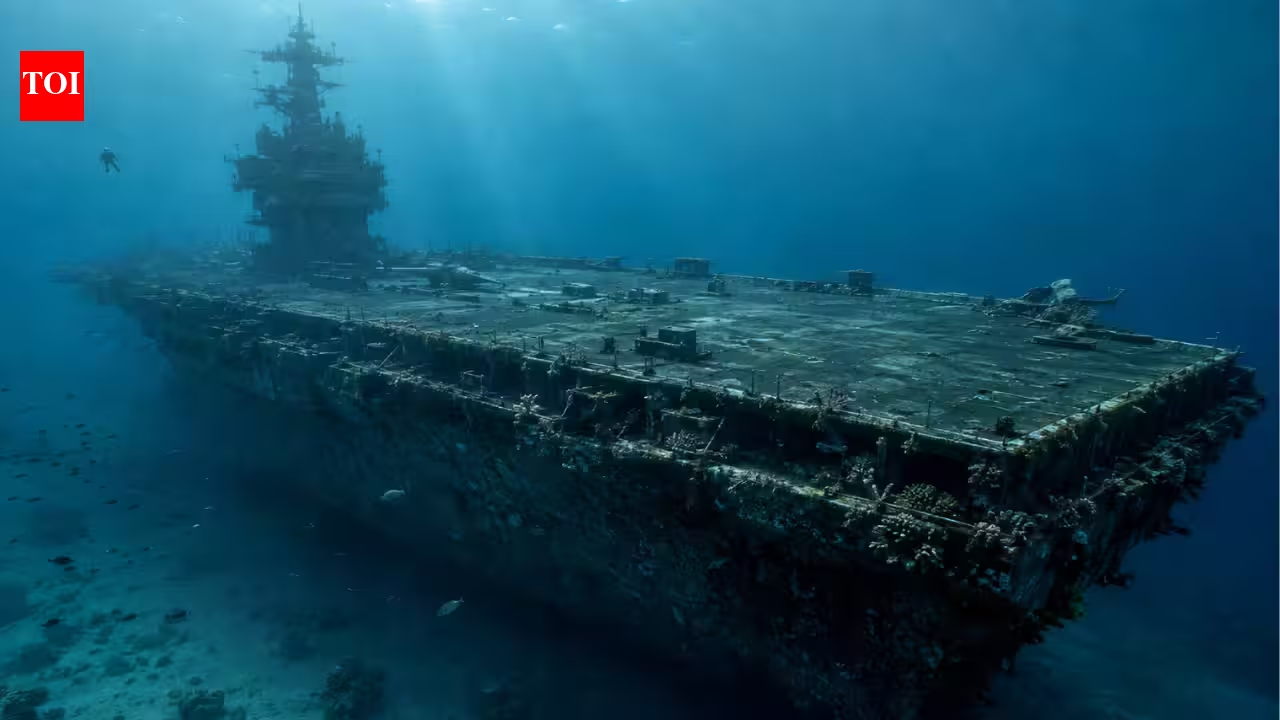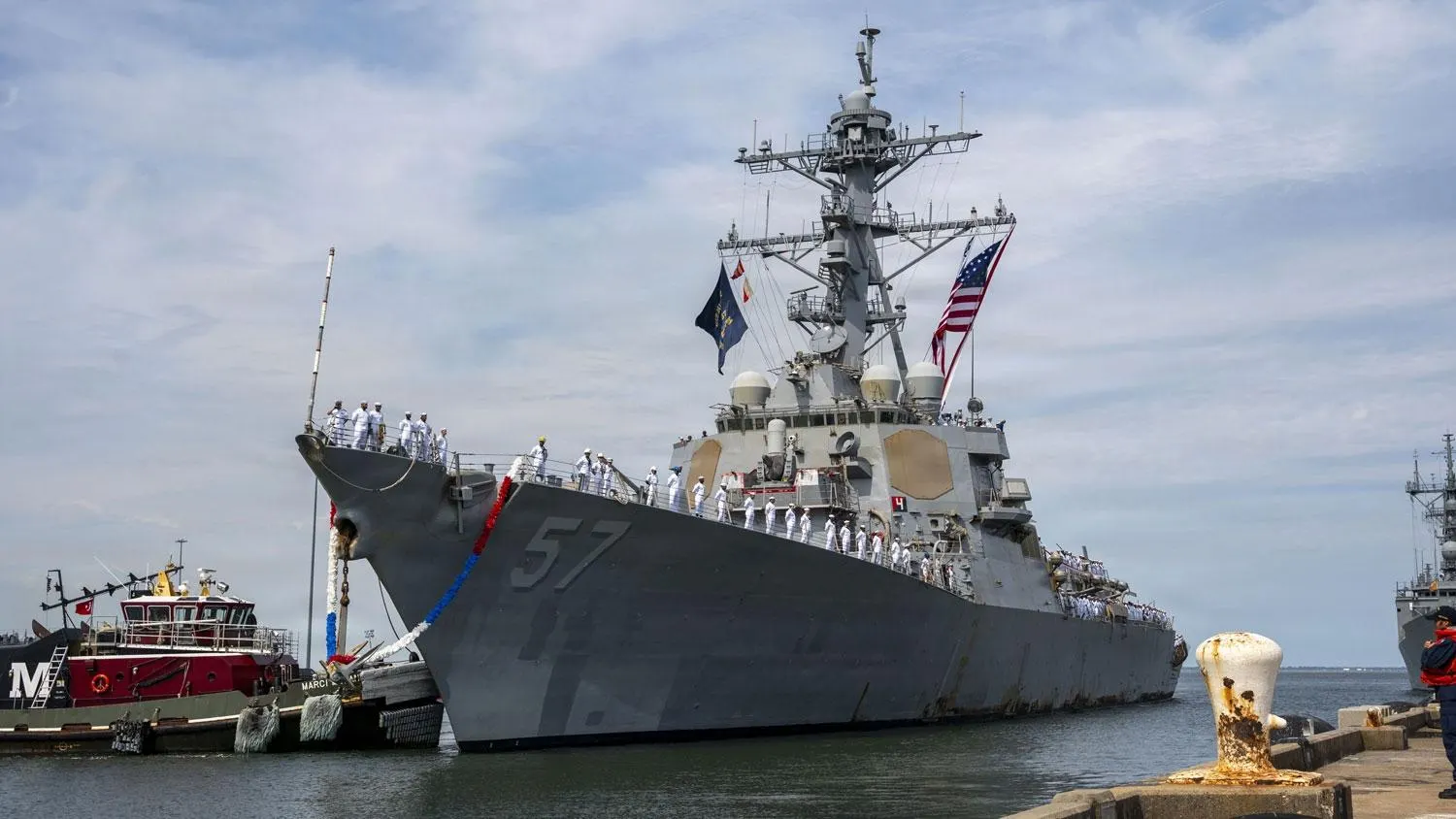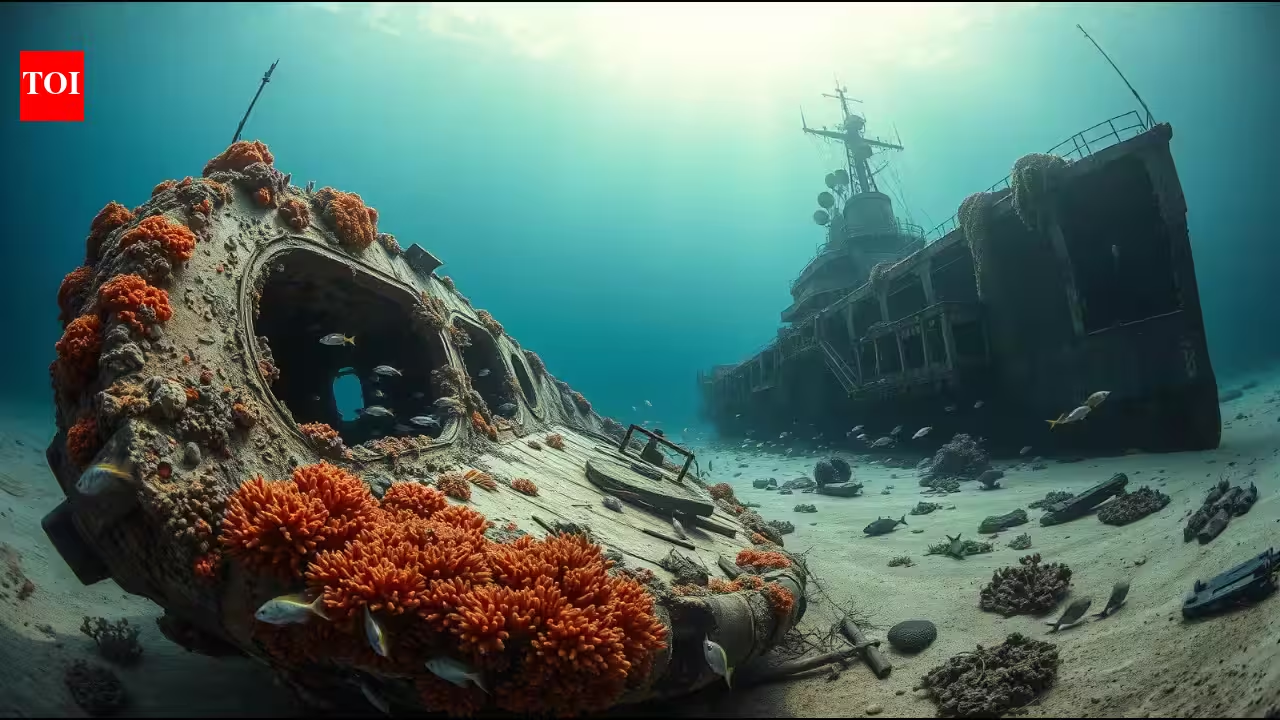
In 2011, the Arthur W. Radford, a decommissioned U.S. Navy destroyer, was intentionally sunk to create an artificial reef, promoting marine life and offering divers a unique underwater experience. Following Hurricane Irene, the ship was fragmented into three sections on the ocean floor.A retired U.S. Navy destroyer was expected to begin a new chapter beneath the Atlantic Ocean in 2011. The 563-foot Arthur W. Radford was sunk as part of the Del-Jersey-Land Reef project, a joint effort involving New Jersey, Delaware and Maryland. The aim was to create an offshore site that could support fishing, diving and marine life.The wreck’s condition changed later that month. After the Radford was sunk on August 10, 2011, Hurricane Irene affected the Mid-Atlantic region on August 27–28. The storm passed over the Del-Jersey-Land Reef, and scuba divers who visited the site shortly afterwards documented that the Radford had broken into three pieces.The New Jersey Fish & Wildlife Digest article Radford Reef by Hugh M. Carberry, published in 2012, recorded the journey of the former Spruance-class destroyer from naval vessel to underwater attraction. The article described how the ship underwent extensive preparation before it could be sunk offshore.Turning a naval vessel into an ocean landmarkPreparing the Radford was a detailed process that took about 16 months, according to the article. Workers cleaned the vessel, removed materials that could create environmental concerns and inspected areas of the ship before it was approved for sinking. The New Jersey Division of Fish and Wildlife report noted that testing and removal efforts were carried out to reduce potential risks from materials such as coatings and other ship components.The destroyer was also modified to make it more suitable for divers. Certain areas were opened, obstacles were removed, and safety improvements were made so divers could move through sections of the vessel more easily. The work was intended to help the ship settle safely into the reef site.On August 10, 2011, the Radford was sunk at the Del-Jersey-Land Reef site in approximately 135 feet of water. The vessel settled upright on the seabed, creating a large structure in an otherwise open stretch of ocean. Its size and design, including multiple decks and rooms, provided surfaces and shelter for marine organisms.Large vessels are often used for reef projects because they offer more complex shapes and surfaces than smaller materials. The report explained that the Radford’s structure created areas where organisms could attach and where fish could find shelter. Over time, these spaces were expected to support the growth of a new underwater community.Despite this disintegration, the wreckage remains a crucial habitat for various marine species, exemplifying the adaptability of human constructs to nature's forces. Image Credits: Wikimedia CommonsA hurricane reshaped the wreckThe Radford’s planned future changed when Hurricane Irene arrived later that month. Strong conditions from the storm affected the recently placed ship, and follow-up dives revealed that the destroyer had separated into three major pieces.Although the vessel was no longer a single intact wreck, the change did not eliminate its value as a reef site. The broken sections created a new layout on the seabed, giving divers new areas to explore and changing how the wreck interacted with its surroundings.The 2012 New Jersey Fish & Wildlife Digest article explained that organisms including hydroids, anemones and blue mussels could gradually settle on the ship’s surfaces. Early observations after deployment also recorded fish around the wreck, including black sea bass.As the site developed, different sections of the wreck offered varied diving experiences depending on depth and conditions. The ship's size and layout meant divers could explore different parts of the former destroyer while observing the early stages of reef development, according to the report.The Radford shows how a planned engineering project can change when it meets natural forces. The vessel was carefully prepared to serve as an offshore habitat, but the ocean ultimately shaped its final form.After Hurricane Irene, the wreck was no longer a single ship but still served the reef project. A destroyer built for military operations became part of an underwater landscape, offering a glimpse of how human-made structures can take on a different role after leaving active service.
In 2011, three U.S. states sank a 563-foot Navy destroyer in the Atlantic; Hurricane Irene later broke the new artificial reef into three pieces
A retired U.S. Navy destroyer was expected to begin a new chapter beneath the Atlantic Ocean in 2011.
689 words~3 min read