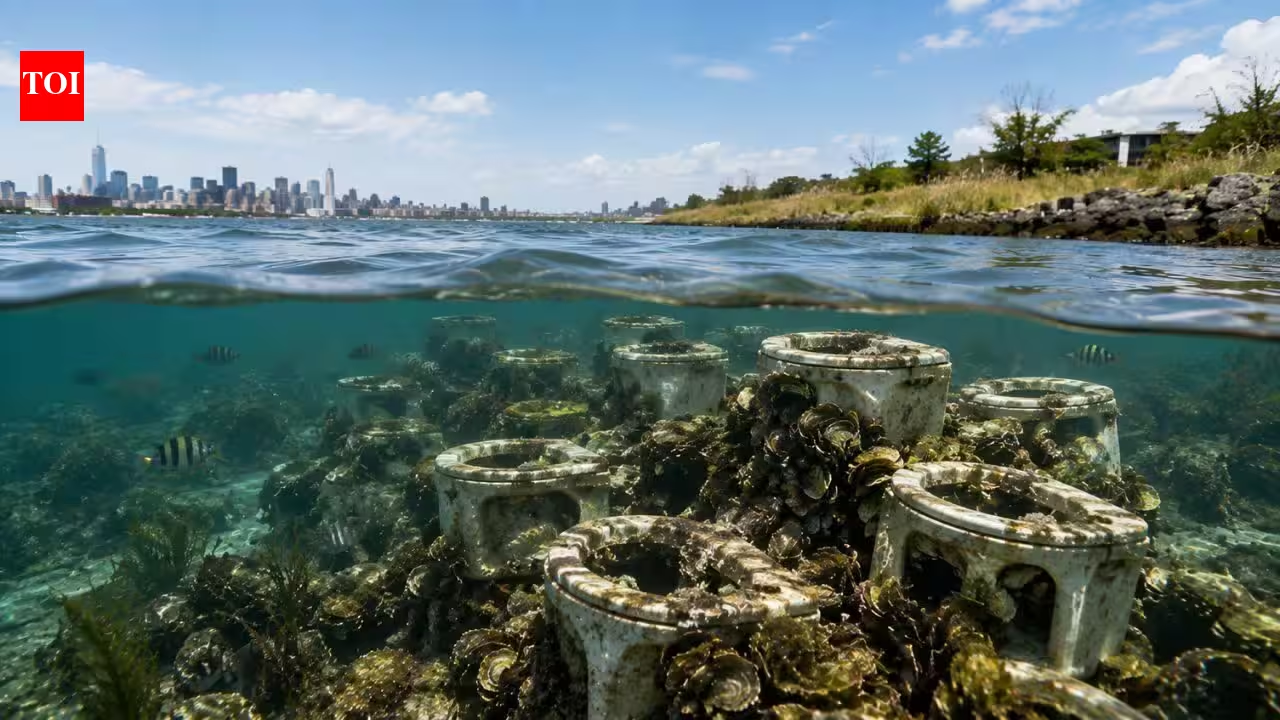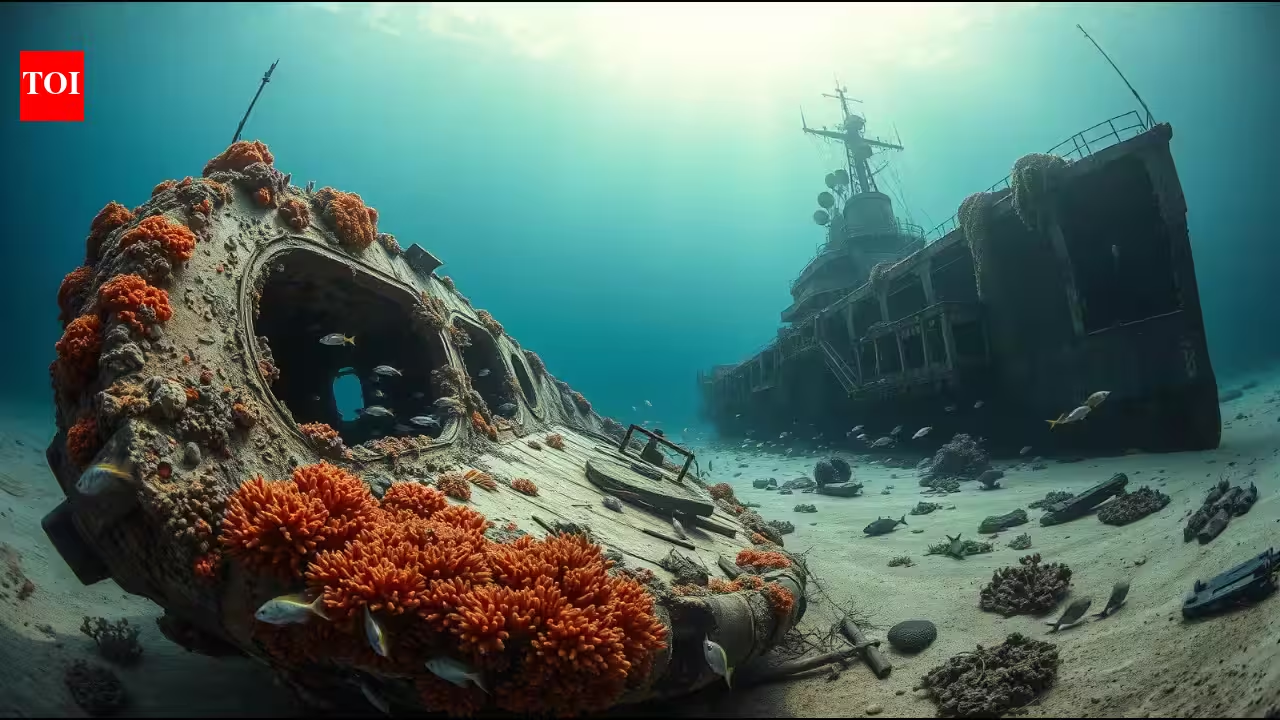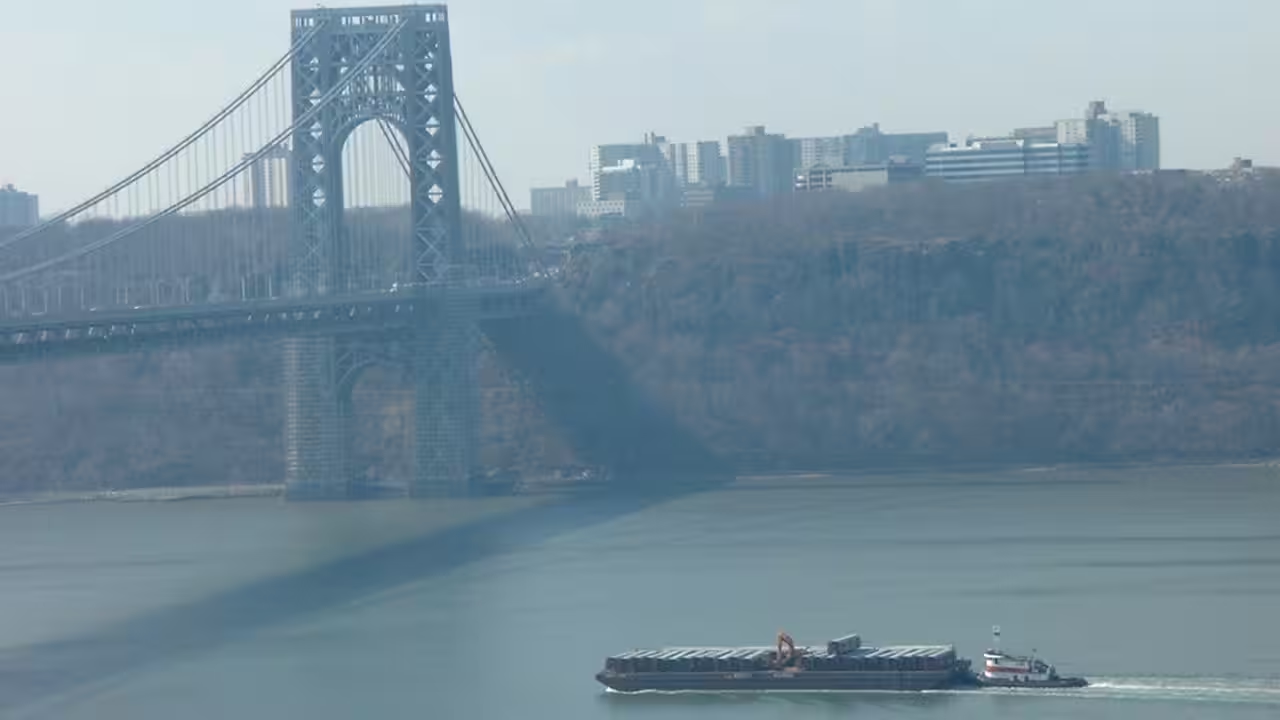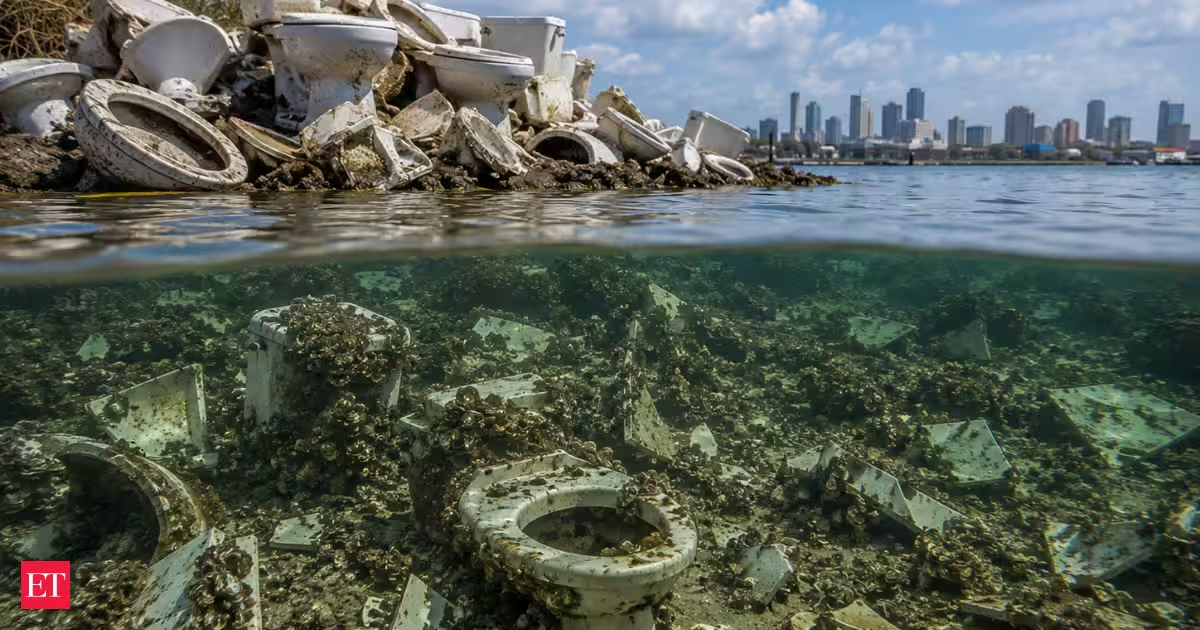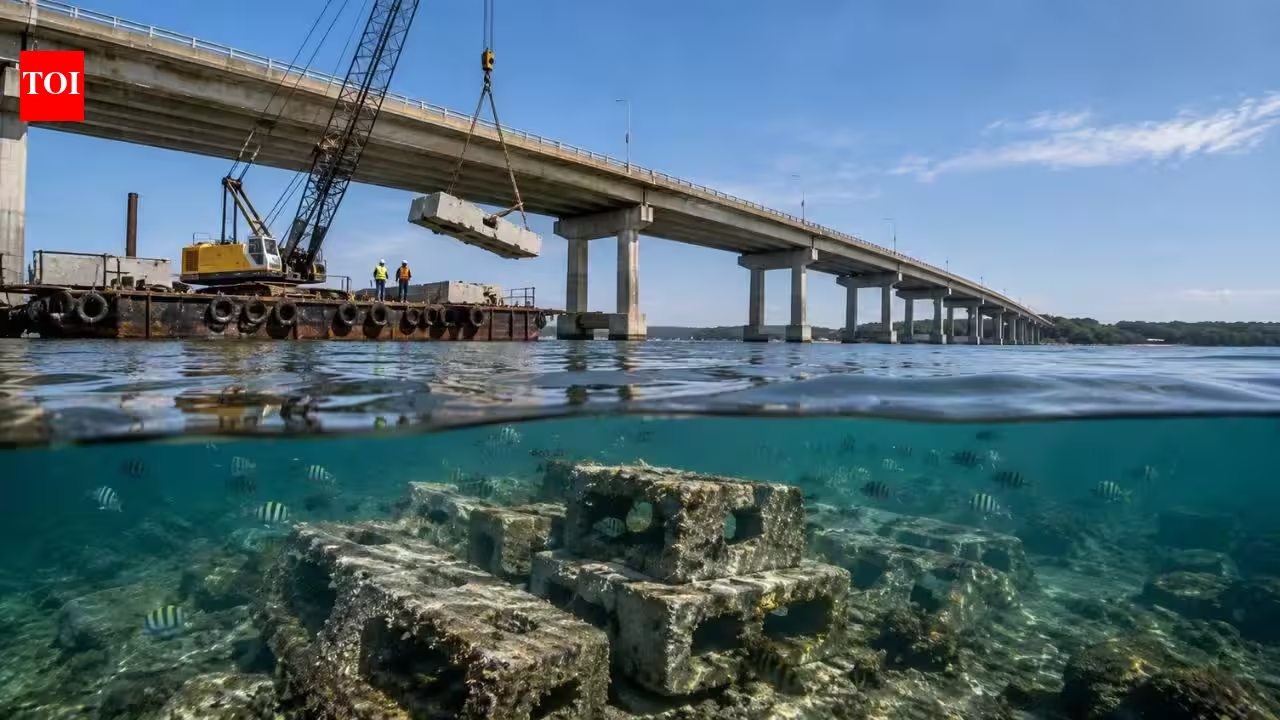
Image AI generatedFor decades, parts of Chesapeake Bay have quietly absorbed fragments of American infrastructure that had already lived one life elsewhere. Retired ships, concrete structures and carefully prepared materials have found a second purpose on the seabed, where currents, shellfish and algae gradually transform bare surfaces into living habitat. One of the most striking examples arrived in 2017, when thousands of tonnes of concrete from Virginia's demolished Old Dominion Boulevard Bridge were lowered into the bay as part of an artificial reef programme. The project reflected a broader idea that obsolete structures, if handled correctly, can support marine life rather than simply becoming waste. In the Chesapeake, that thinking has shaped restoration work for years.How the Old Dominion Boulevard Bridge became an artificial reef in Chesapeake BayWhen the Old Dominion Boulevard Bridge in Virginia Beach was replaced, officials faced the familiar question of what to do with the vast amount of reinforced concrete left behind. Instead of sending everything to landfill, large sections were cleaned, broken into suitable sizes and transported offshore to become part of the Chesapeake Bay Bridge Tunnel artificial reef system. According to the Virginia Marine Resources Commission, the project placed as much as 20,000 tons of bridge material on the seabed during 2017, expanding an existing reef already used by fish, crabs and other marine species. The concrete was selected because it remains stable underwater and gradually develops rough surfaces that allow barnacles, mussels, oysters and algae to settle. Those early colonisers attract small fish, which in turn draw larger predators into the area.Artificial reefs are designed to imitate some of the shelter provided by natural rocky bottoms, which are relatively uncommon in much of the bay. Rather than creating a single solid structure, the bridge sections were arranged to leave open spaces and varied heights, producing places where marine animals can feed, hide and reproduce.How the Mallows Bay Ghost Fleet became a thriving marine habitatThe Chesapeake already offers an example of how abandoned structures can unexpectedly evolve into wildlife habitat. Along Maryland's side of the Potomac River, the remains of the famous Mallows Bay "Ghost Fleet" have spent decades slowly merging with the surrounding landscape after hundreds of obsolete wooden ships were abandoned there during the twentieth century. According to the U.S. Maritime Administration (MARAD), the Mallows Bay "Ghost Fleet" originated after the U.S. Shipping Board's World War I wooden shipbuilding programme left hundreds of surplus vessels without a commercial future. Many were sold to Western Marine & Salvage Company in 1922, which attempted to dismantle them before abandoning much of the fleet in Mallows Bay after economic setbacks. Surveys identified dozens of wooden steamships alongside barges, ferries and much older vessels, while also documenting an ecosystem supporting fish, birds, reptiles and extensive aquatic vegetation. That combination of cultural history and ecological value eventually contributed to the area's recognition as a protected marine sanctuary.The bridge reef follows a different path because it was intentionally engineered rather than accidentally created. Yet both places illustrate the same ecological principle: once stable surfaces remain underwater long enough, marine organisms often begin turning them into functioning habitat.What research says about the benefits and limits of artificial reefsScientists have examined artificial reefs around the world to understand how well they support marine ecosystems. According to the study published in PLOS ONE, titled ‘A systematic review of artificial reefs as platforms for coral reef research and conservation’, it found that projects frequently recorded higher fish abundance, expanded habitat and, in some cases, increased coral cover or nursery areas for marine species. Success, however, depended heavily on thoughtful design, clear conservation goals and long-term monitoring rather than simply placing material underwater. The review also points out that artificial reefs work on relatively small scales. They can provide new surfaces for marine life and improve local habitat, but they cannot replace entire natural ecosystems or solve broader environmental pressures such as climate change, pollution or habitat loss. In many cases, researchers found that monitoring periods were too short to judge whether reefs produced lasting ecological gains. That perspective is reflected in projects across Chesapeake Bay. Artificial reefs are viewed as one tool within a wider restoration effort that also includes oyster recovery, water quality improvements and protection of natural wetlands.How recycled bridges and shipwrecks are creating new marine habitatsThe idea of recycling large structures into underwater habitat continues to gain attention because it combines waste reduction with environmental restoration. Concrete bridges, prepared ships and other suitable materials can remain stable for decades, offering attachment points for marine organisms and creating shelter where little previously existed.The 2017 bridge project showed how infrastructure nearing the end of its useful life can continue serving a different purpose beneath the water's surface. While the concrete no longer carries traffic across the bay, it now contributes to an evolving underwater landscape that supports fish and other marine life. Like the long-submerged wrecks at Mallows Bay, it demonstrates that, under carefully managed conditions, relics of the past can become part of a living ecosystem rather than disappearing from it altogether.
Why 20,000 tons of a demolished Virginia bridge became an artificial reef beneath Chesapeake Bay instead of ending up in a landfill
For decades, parts of Chesapeake Bay have quietly absorbed fragments of American infrastructure that had already lived one life elsewhere. Retired ships, concrete structures and carefully prepared materials have found a second purpose on the seabed, where currents, shellfish and algae gradually transform bare surfaces into living habitat.
842 words~4 min read