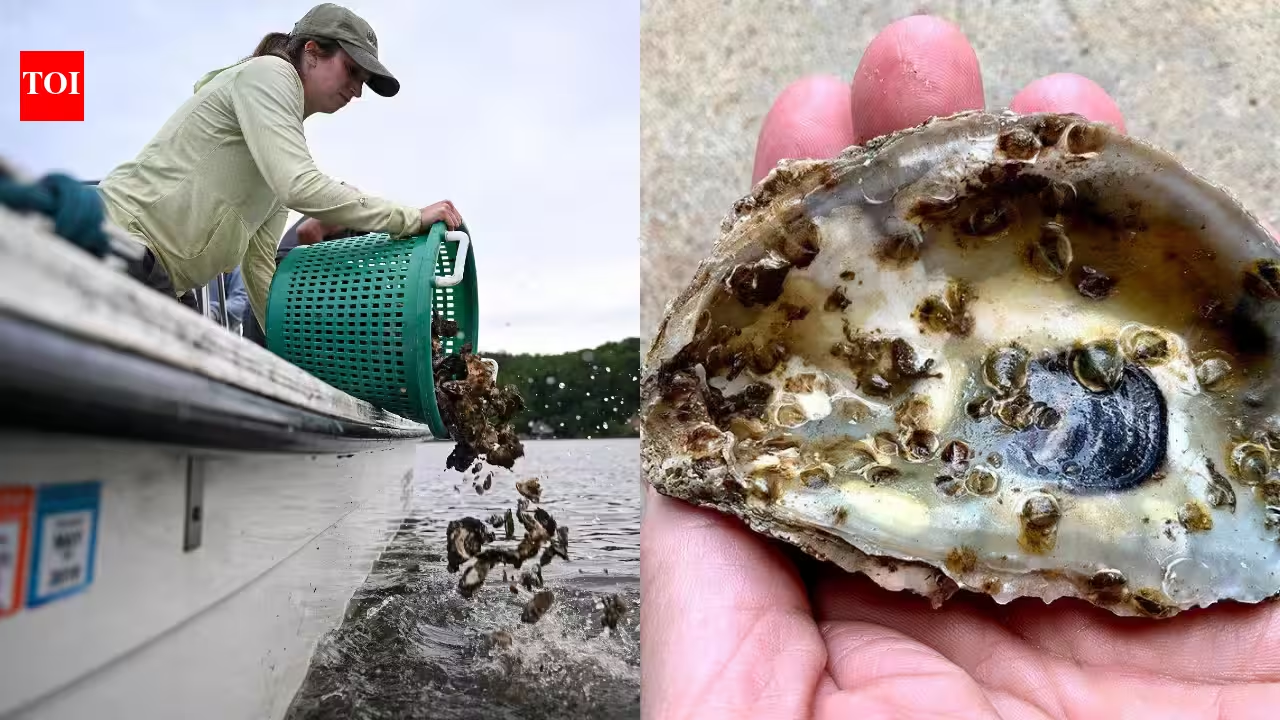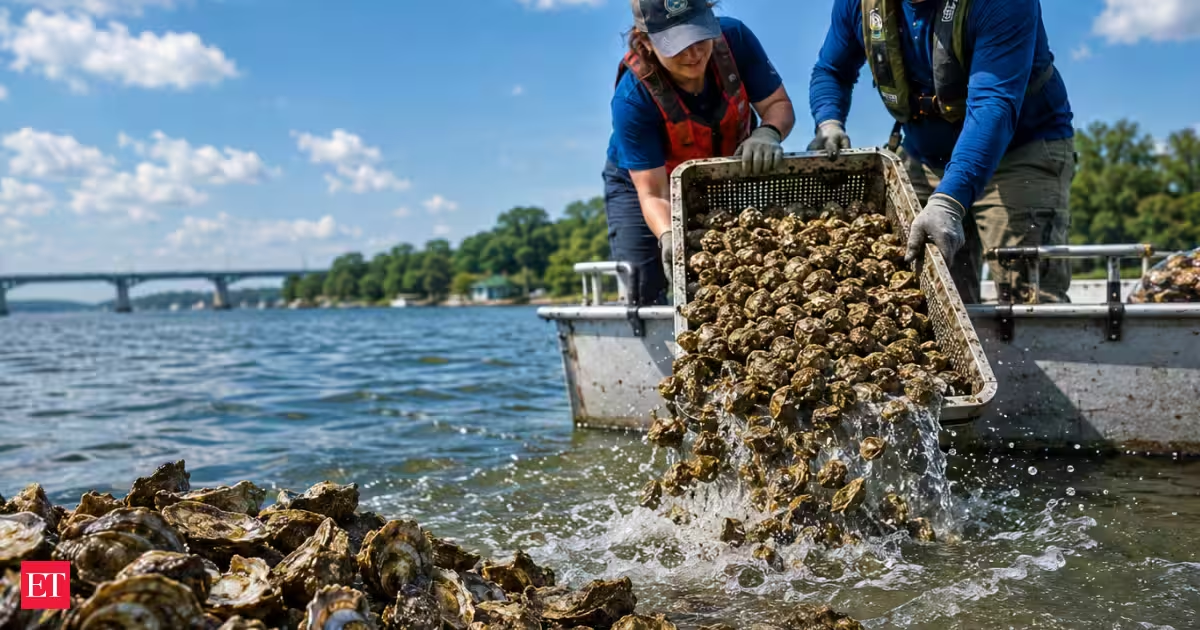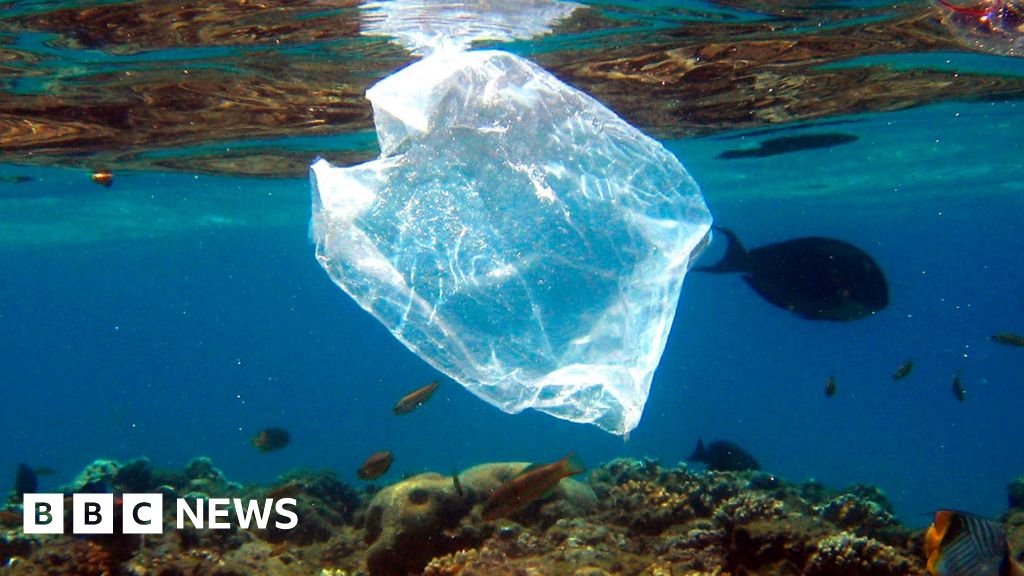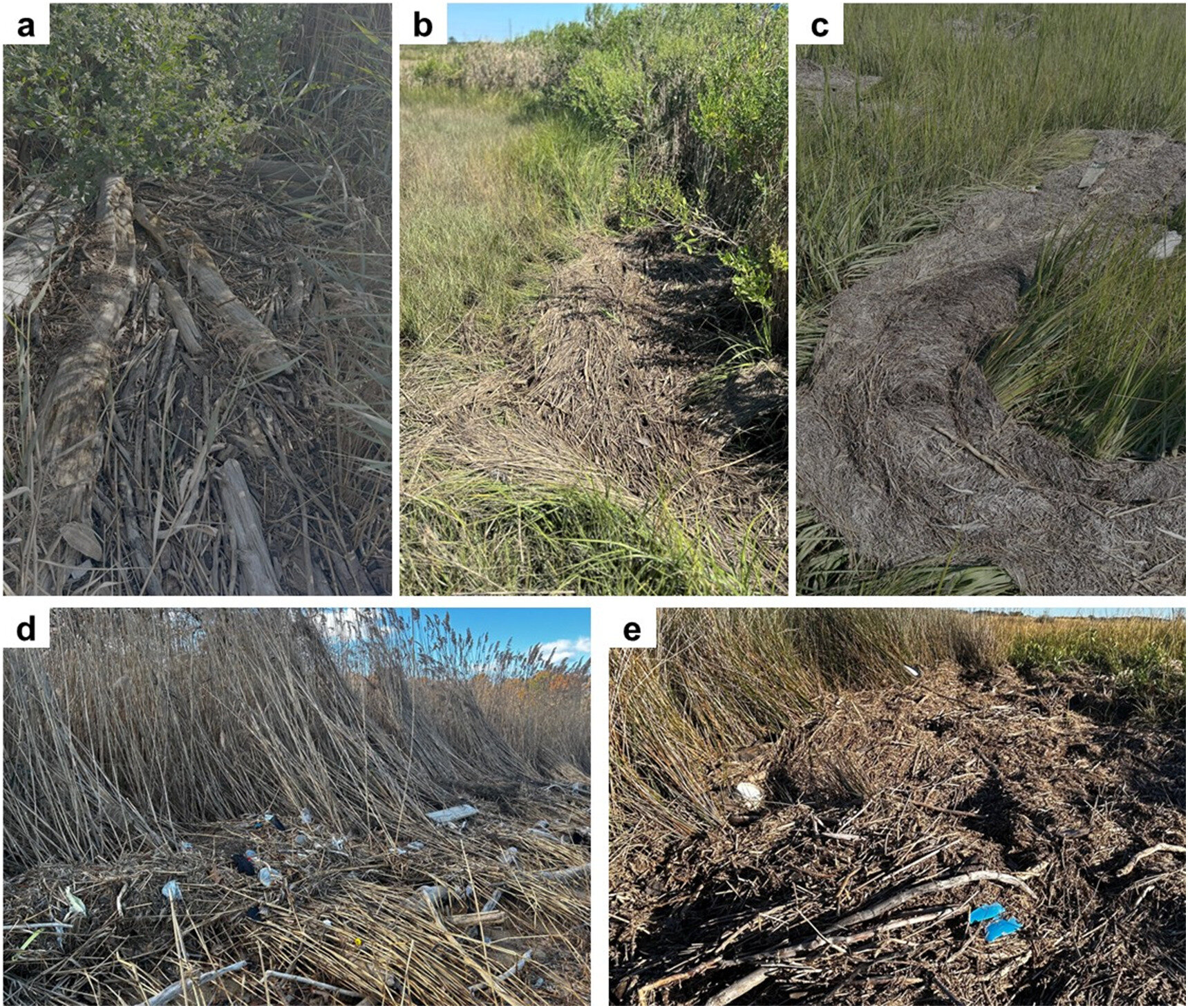
Dominant types of plant debris observed in tidal marsh wrack deposits within the study area: (a) wood-dominated wrack; (b) marsh-plant wrack; and (c) marine macrophyte wrack. Macrolitter accumulated in the wrack deposits of the tidal marshes at Sandy Point Park (d) and Hooper Island (e). Credit: Ostin Garcés.
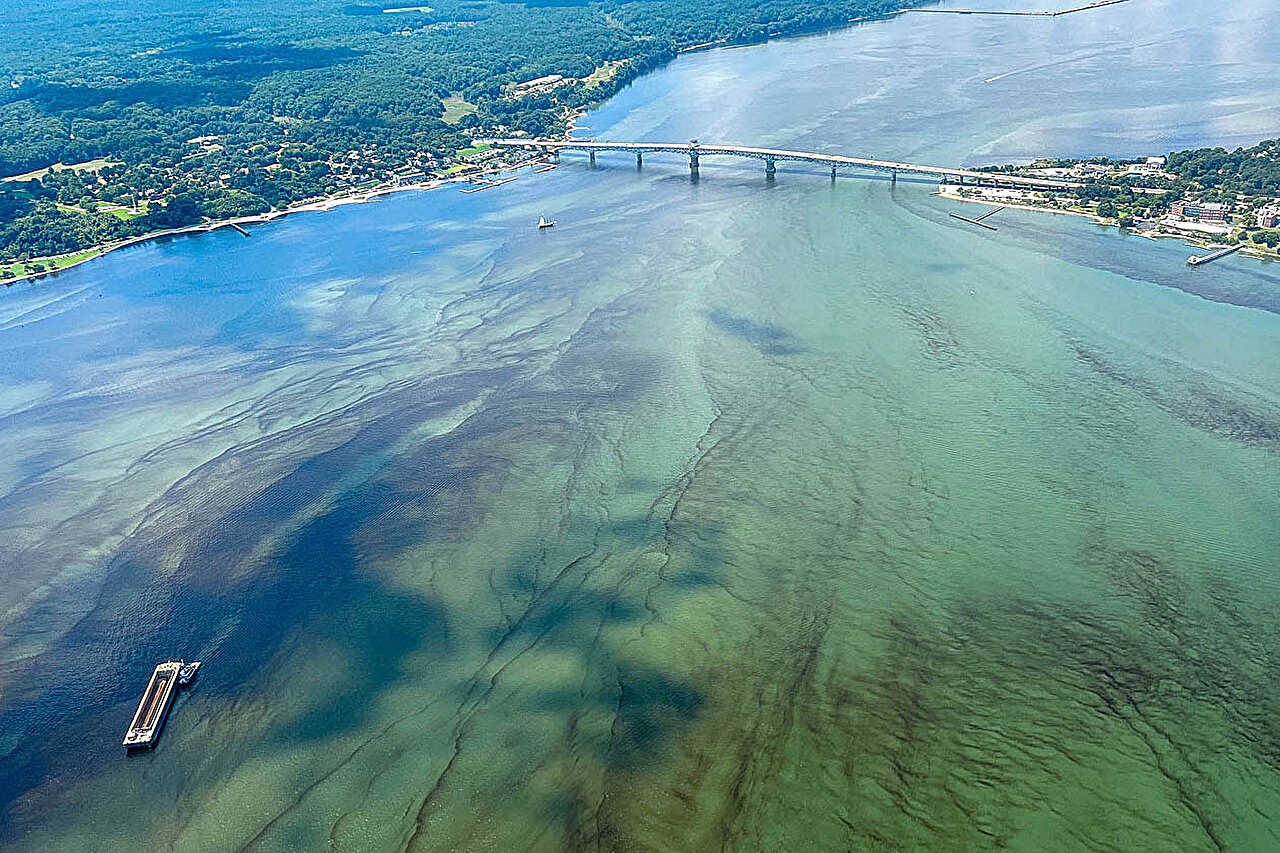
A study led by researchers from the Smithsonian Institution and the UB reveals that reducing single-use plastic is essential for protecting coastal ecosystems. Floating litter has also invaded Chesapeake Bay, the largest estuary in the United States and one of the most important in the world.
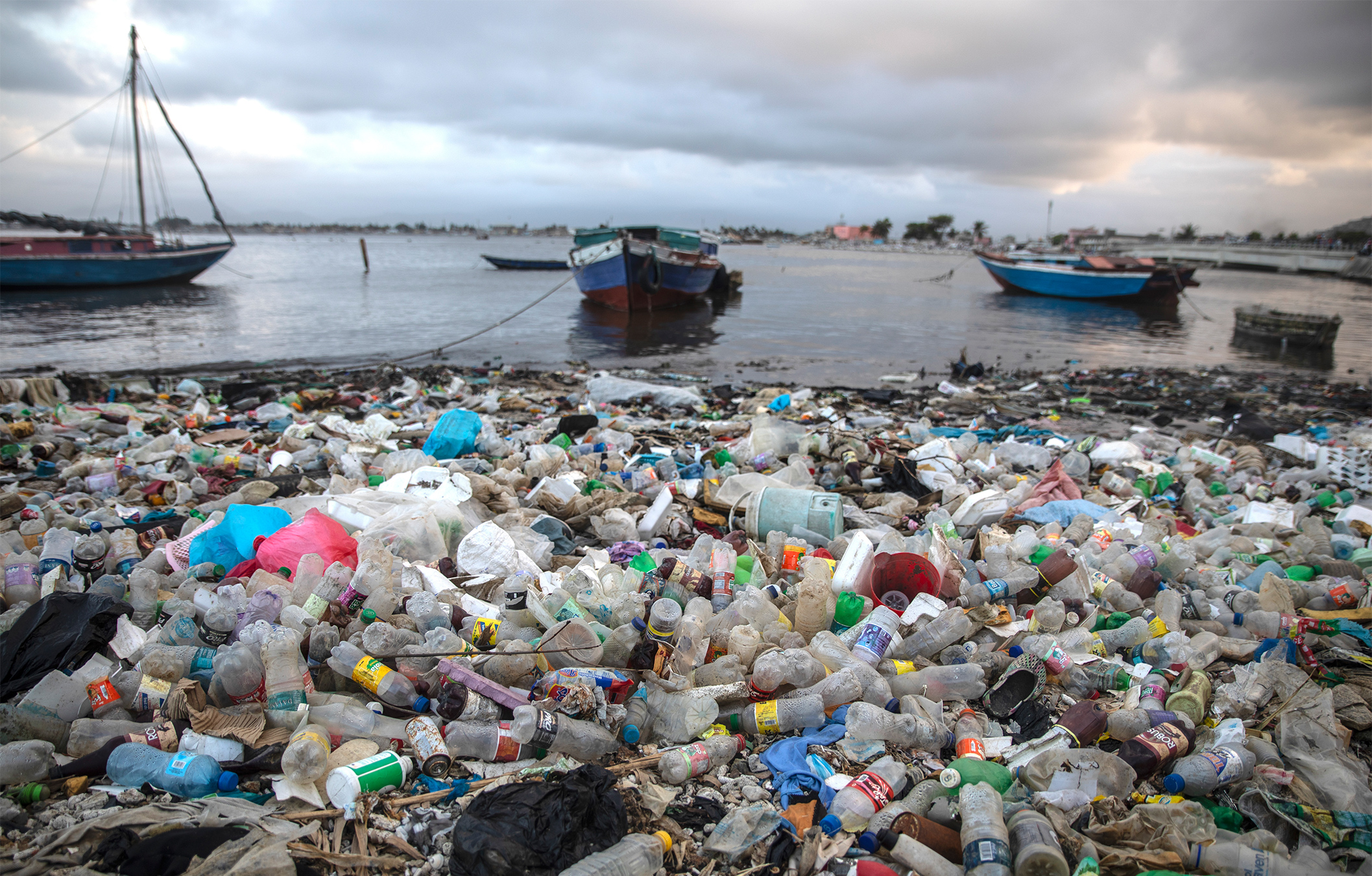
Food and beverage packaging from at least 52 different companies—particularly single-use plastics with a lifespan of less than a year—is increasingly abundant in its tidal marshes, which cover an area of more than 1,200 km2, spread along the estuary's 18,800-km shoreline. Much of the floating litter found originates from urban areas and from careless behavior linked to everyday consumption patterns. There is also litter that has been discarded directly in parks and recreational areas or from boats.
Floating litter degrades the environmental health of the areas where it accumulates and can affect local wildlife and processes of great ecological value to ecosystems, such as gas exchange, biological activity and carbon storage.