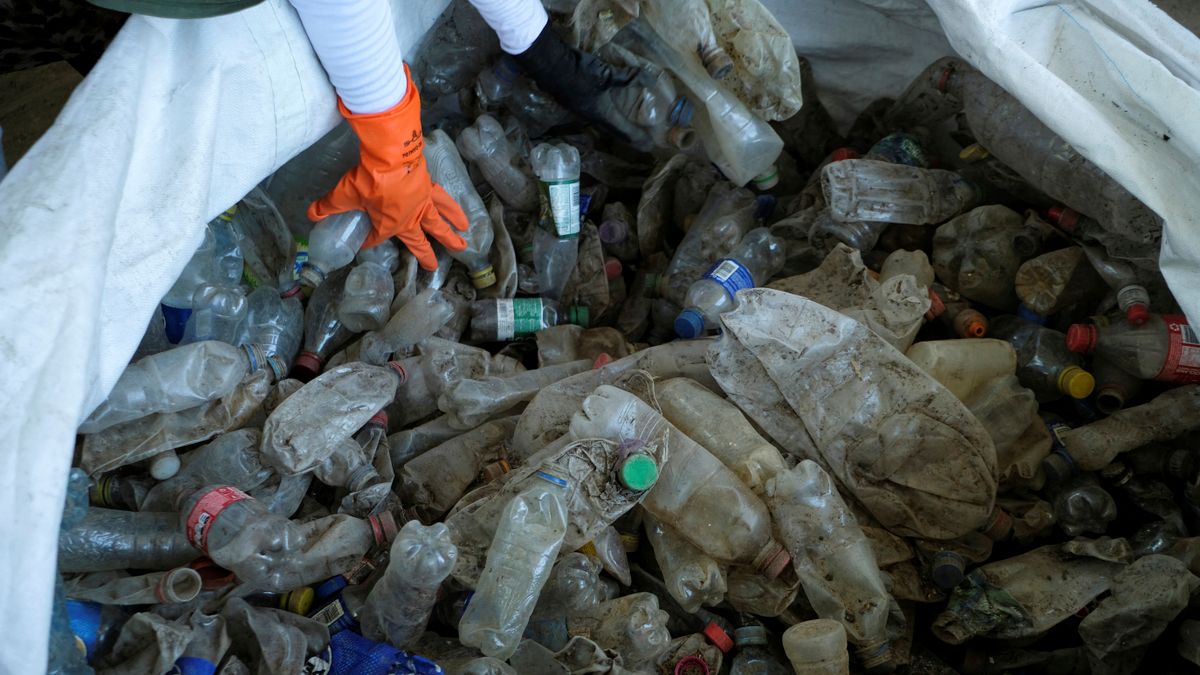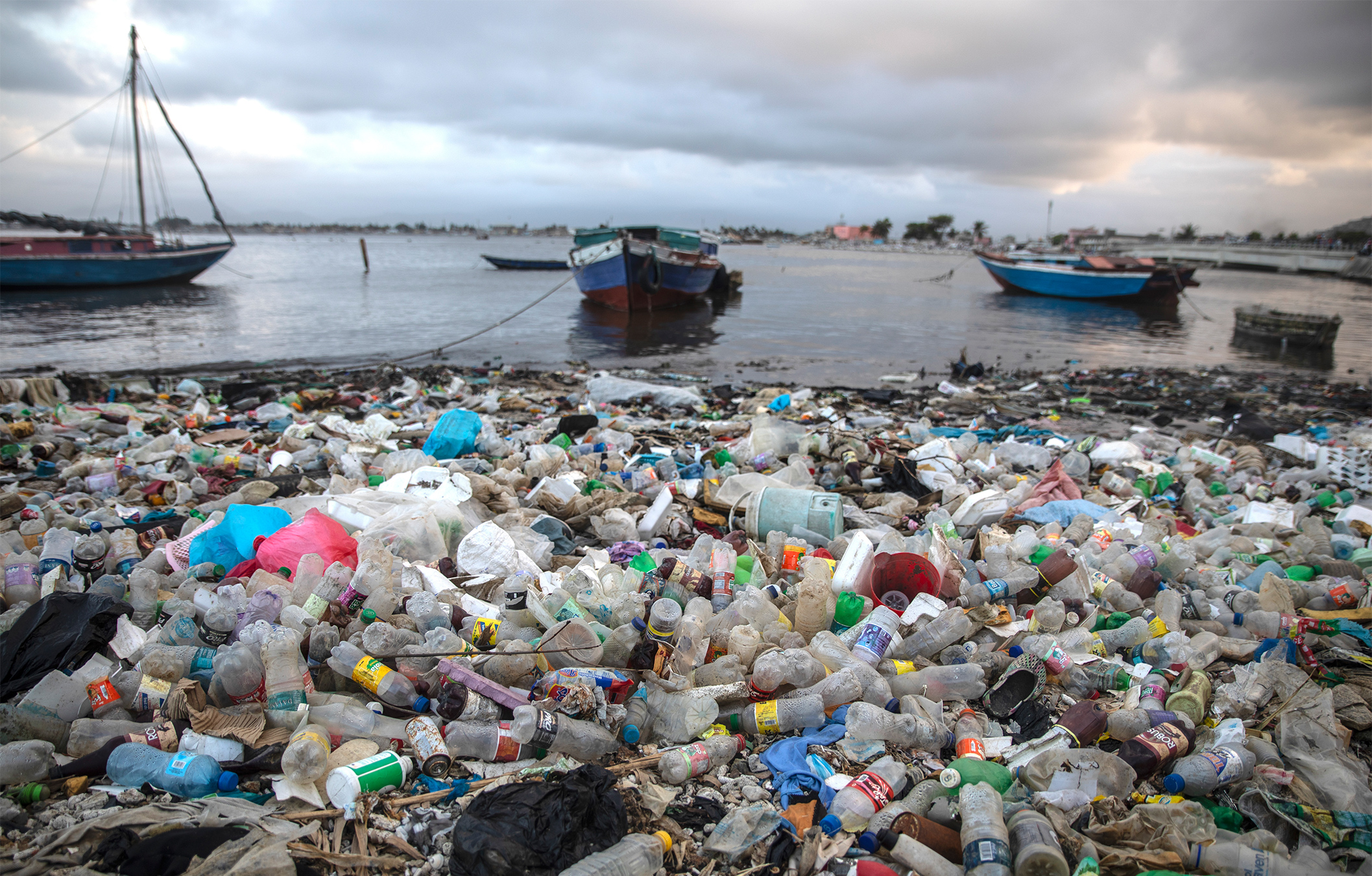
A new study analyzed thousands of shoreline litter surveys and other data from more than 100 countries to produce the first global index of macroplastic pollution by type.The study found food and beverage plastics were the most common litter type for 93% of countries surveyed, followed by plastic bags and cigarettes; the pattern was consistent across countries, regardless of waste management infrastructure.Plastic pollution harms marine life and disrupts ecological services provided by coastal ecosystems like mangroves, coral reefs and seagrass.Researchers call for reducing production, warning that waste management alone will not solve the global plastic pollution problem.
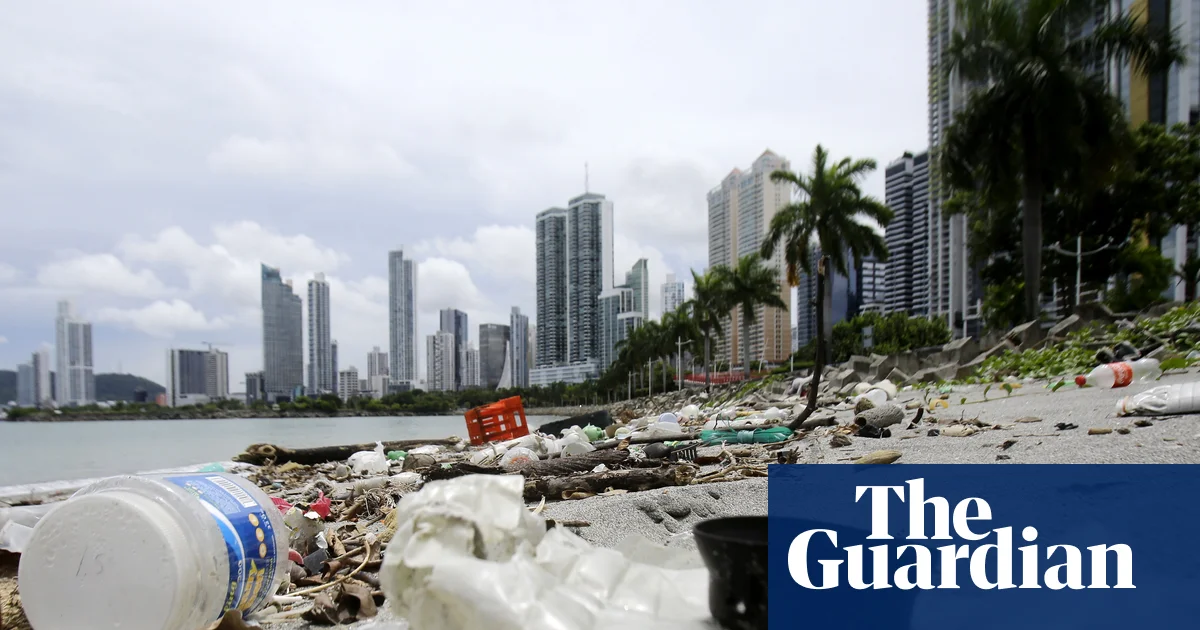
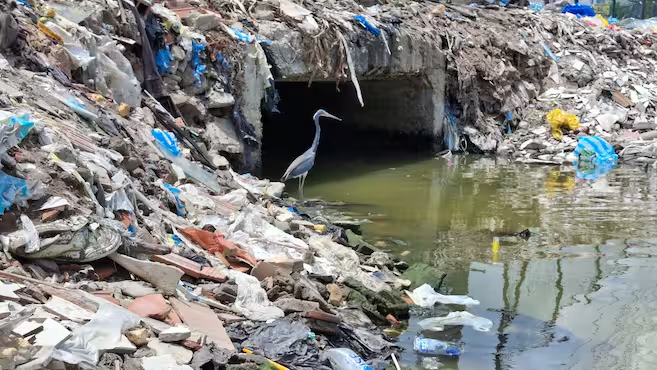
Food packaging ranks among the top plastic pollutants littering the world’s coastlines, a new study confirms.
The study, published May 20 in the journal One Earth, analyzed data from 112 nations, including 5,300 shoreline litter surveys, to produce the first global index of macroplastic pollution by usage type. Based on 355 peer-reviewed studies, it found that food and beverage plastics were the most common litter type for 93% of the countries surveyed.
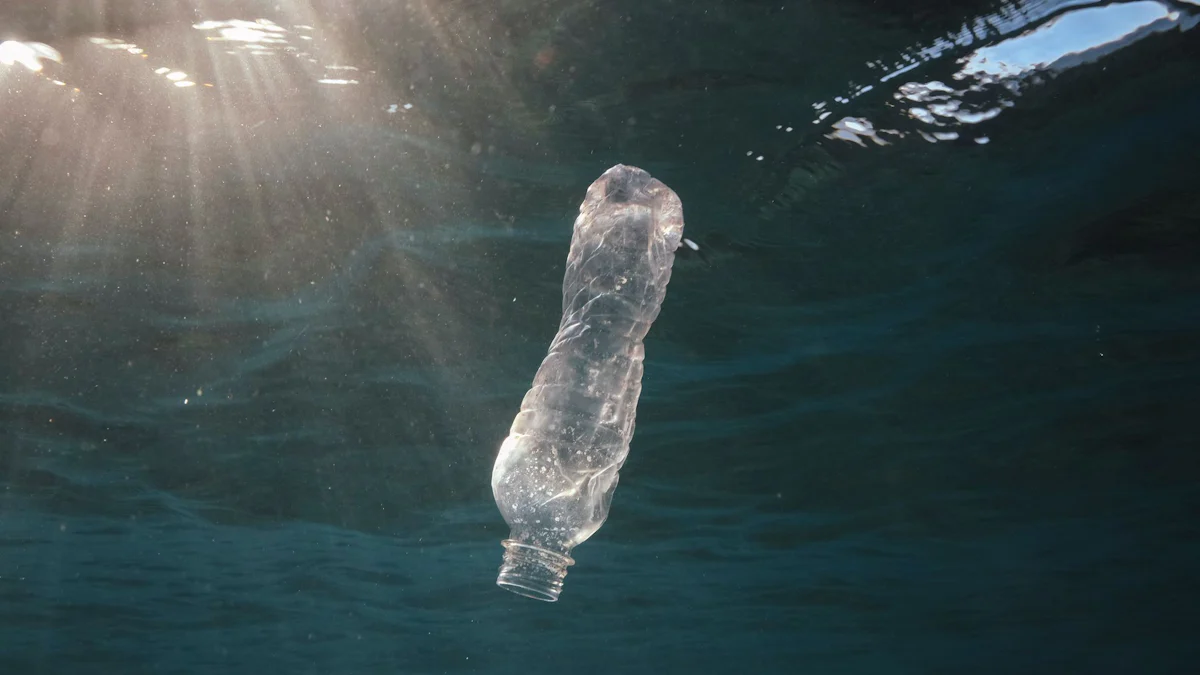
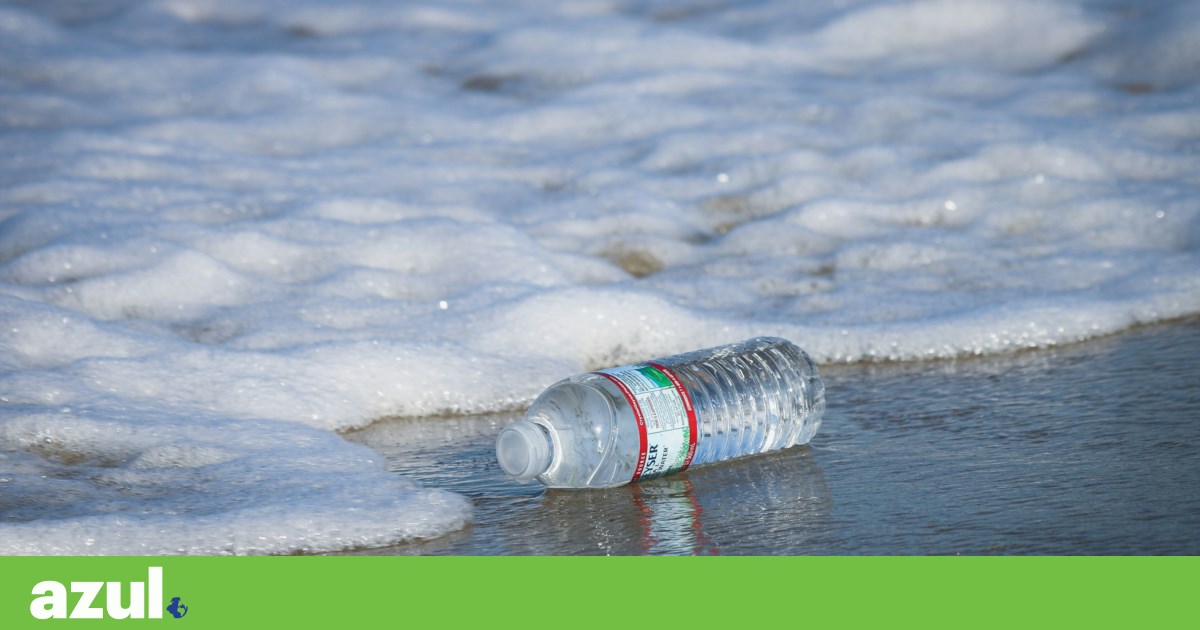
Within that category, food packaging, caps and lids, and plastic bottles were the most consistently found items, appearing as the top three across more than half of surveyed countries. This included the world’s five most populous countries: China, India, the United States, Indonesia and Pakistan. Plastic bags and cigarettes followed as the next most prevalent categories.