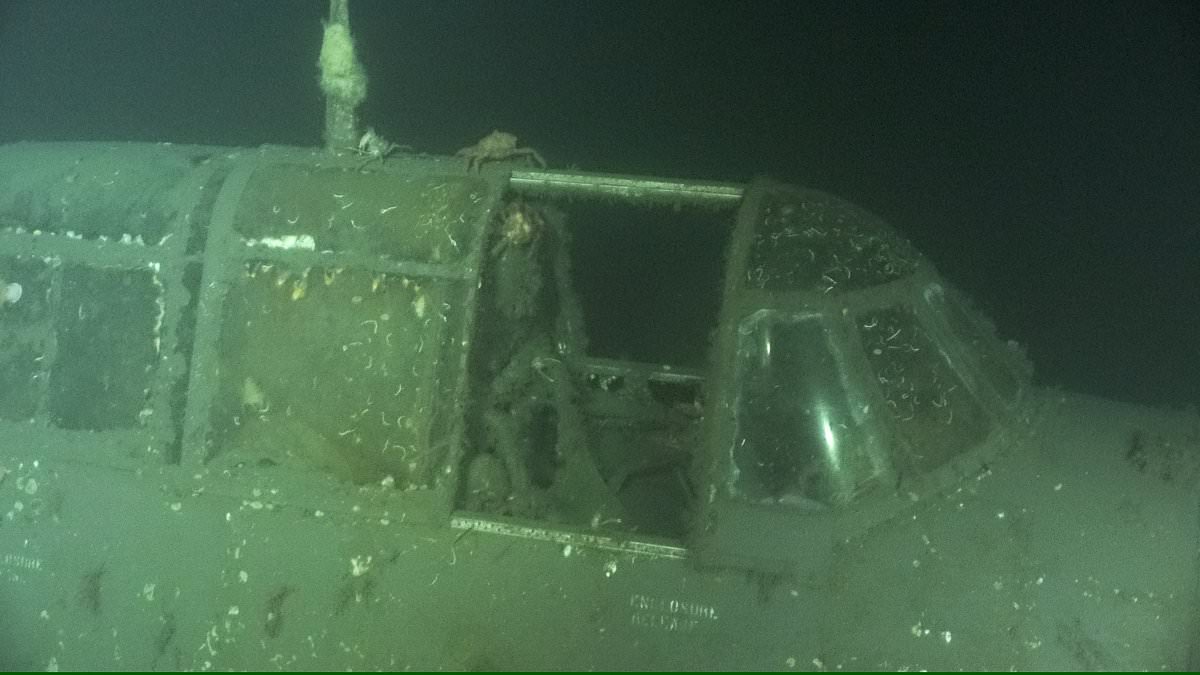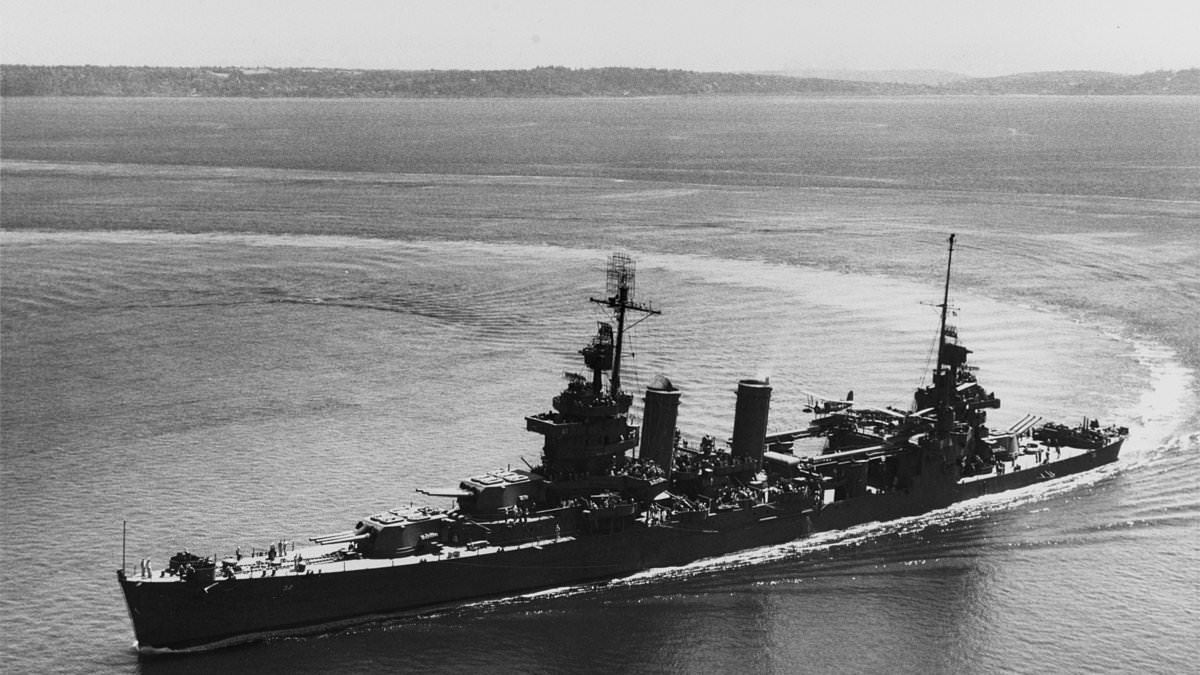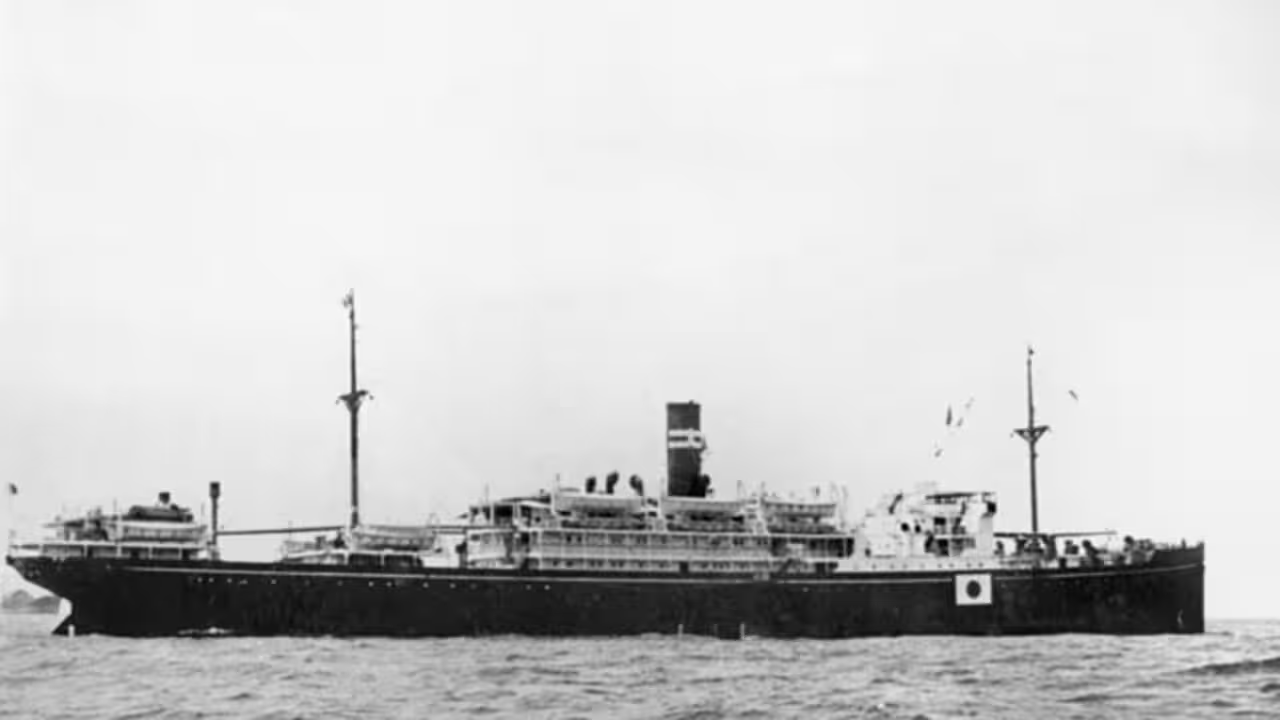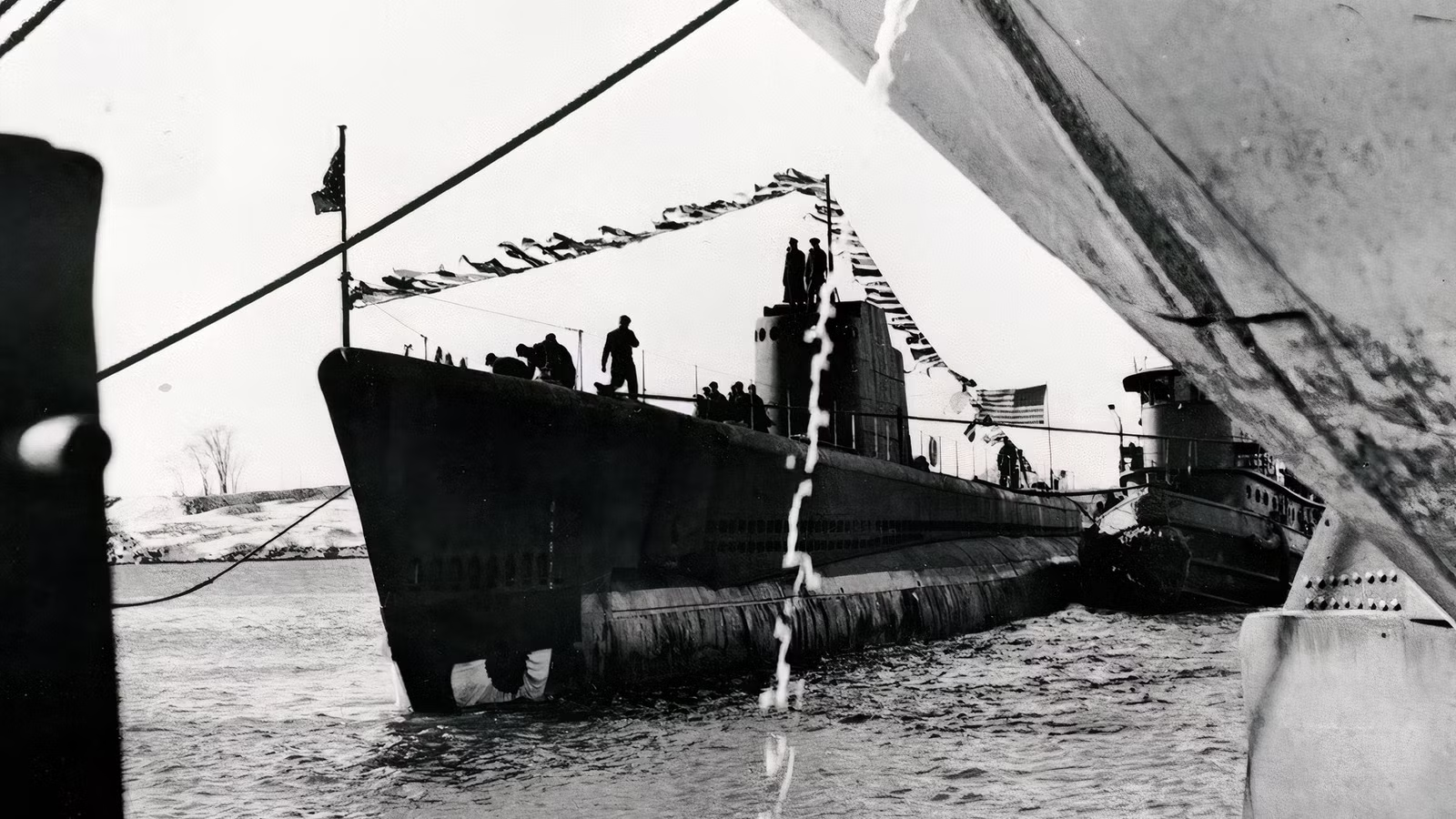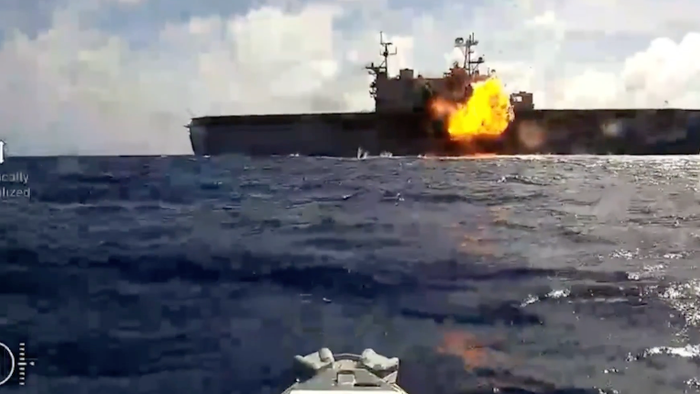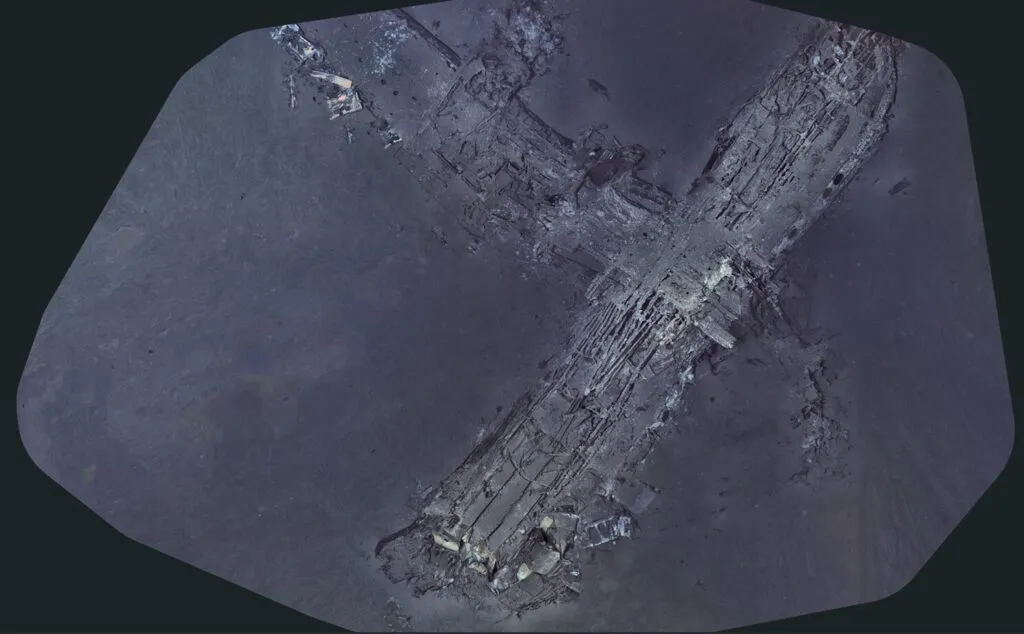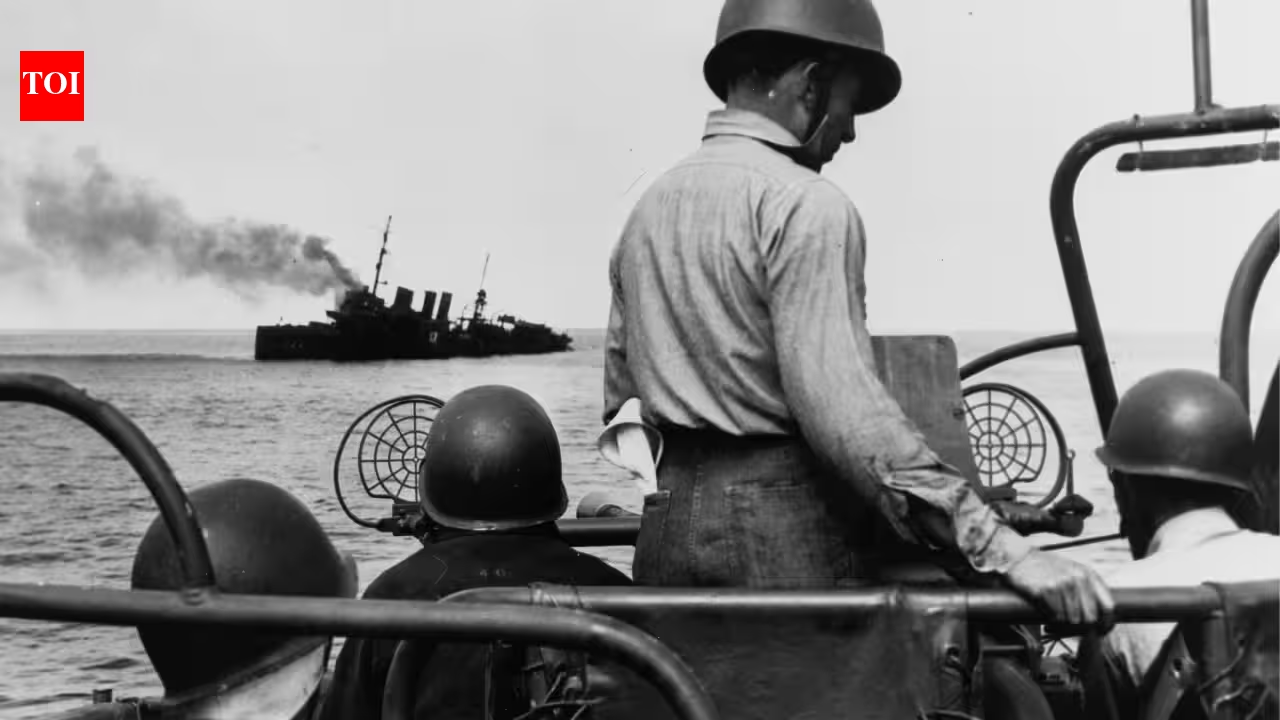
Being sunk as a target in 1946 | Naval History and Heritage CommandIt took three autonomous underwater drones less than a day to solve a mystery that had lingered since the end of World War II. More than 1,067 metres beneath the Pacific Ocean, researchers located the wreck of USS Stewart (DD-224), the only American destroyer to serve under both the U.S. Navy and the Imperial Japanese Navy. Resting upright on the seabed and still largely intact, the vessel marks the end of an 80-year search for one of the war’s most unusual ships, remembered by Allied airmen as the “Ghost Ship of the Pacific.” The discovery was made during an expedition led by marine robotics company Ocean Infinity in partnership with the Air/Sea Heritage Foundation, SEARCH Inc., the Naval History and Heritage Command, and the National Oceanic and Atmospheric Administration (NOAA).USS Stewart (DD-224) | National History and Heritage CommandA ship that fought on both sides of the warCommissioned in 1920, USS Stewart served with the U.S. Asiatic Fleet before the Pacific War reached Southeast Asia. During the Battle of Badung Strait in February 1942, the destroyer suffered heavy damage and was later placed in a floating dry dock at Surabaya in the Dutch East Indies. When Japanese forces captured the port, they salvaged the ship, repaired it and recommissioned it into the Imperial Japanese Navy as Patrol Boat No. 102. Allied pilots later reported seeing what appeared to be an American destroyer operating with Japanese convoys, earning it the enduring nickname “Ghost Ship of the Pacific.” After Japan’s surrender in 1945, the United States recovered the vessel, but extensive wear and outdated equipment meant it never returned to active service. Instead, the Navy used it as a target during a gunnery exercise in 1946, after which its exact resting place faded from record.Three robots mapped the seabed in hoursThe successful search combined historical detective work with modern autonomous technology. Researchers from the Air/Sea Heritage Foundation examined declassified U.S. Navy records, including logbooks that narrowed the probable sinking location. Ocean Infinity then deployed three HUGIN 6000 autonomous underwater vehicles, each about six metres long, to scan the seafloor simultaneously using high-resolution sonar. Working together, the vehicles surveyed roughly 1,286 square miles (about 3,330 square kilometres) of ocean floor in approximately 24 hours, a task that would have taken conventional survey vessels far longer to complete. Once sonar detected the wreck, additional imaging confirmed the identity of the ship through its overall dimensions, hull shape, and distinctive structural features.The wreck lies approximately 3,500 feet (1,067 metres) below the surface within Cordell Bank National Marine Sanctuary, off the coast of northern California. Images released by the expedition show the 95-metre destroyer sitting almost perfectly upright on the seabed despite spending nearly eight decades underwater. Marine life has colonised much of the steel hull, turning the vessel into an artificial reef while leaving many of its defining features recognisable. Maritime archaeologist Jim Delgado of SEARCH Inc. described the achievement as part of a broader transformation in ocean exploration, noting that advances in autonomous robotics are changing how deep-sea discoveries are made while allowing researchers to document both cultural heritage and the ecosystems that develop around historic wrecks.Being sunk as a target in 1946 | Naval History and Heritage CommandA glimpse of the future beneath the oceansThe expedition also illustrates how rapidly autonomous underwater mapping is expanding beyond archaeology. The same robotic systems used to locate long-lost shipwrecks are increasingly employed to survey seabeds for offshore wind energy projects, identify routes for submarine telecommunications cables, and inspect critical underwater infrastructure. Unlike remotely operated vehicles that require continuous human control, autonomous underwater vehicles can independently navigate vast areas, collecting detailed sonar data before researchers analyse the results on the surface. For maritime historians, the rediscovery of USS Stewart closes one of the Pacific War’s most unusual chapters. For ocean scientists and engineers, it demonstrates how fleets of robotic explorers are making it possible to investigate regions of the deep sea that once remained effectively out of reach, bringing forgotten pieces of history back into view without disturbing the sites themselves.
Three underwater drones located WWII’s “Ghost Ship of the Pacific” after nearly 80 years, upright 1,067 metres beneath the ocean
It took three autonomous underwater drones less than a day to solve a mystery that had lingered since the end of World War II. More than 1,067 metres beneath the Pacific Ocean, researchers located the wreck of USS Stewart (DD-224), the only American destroyer to serve under both the U.S.
685 words~3 min read