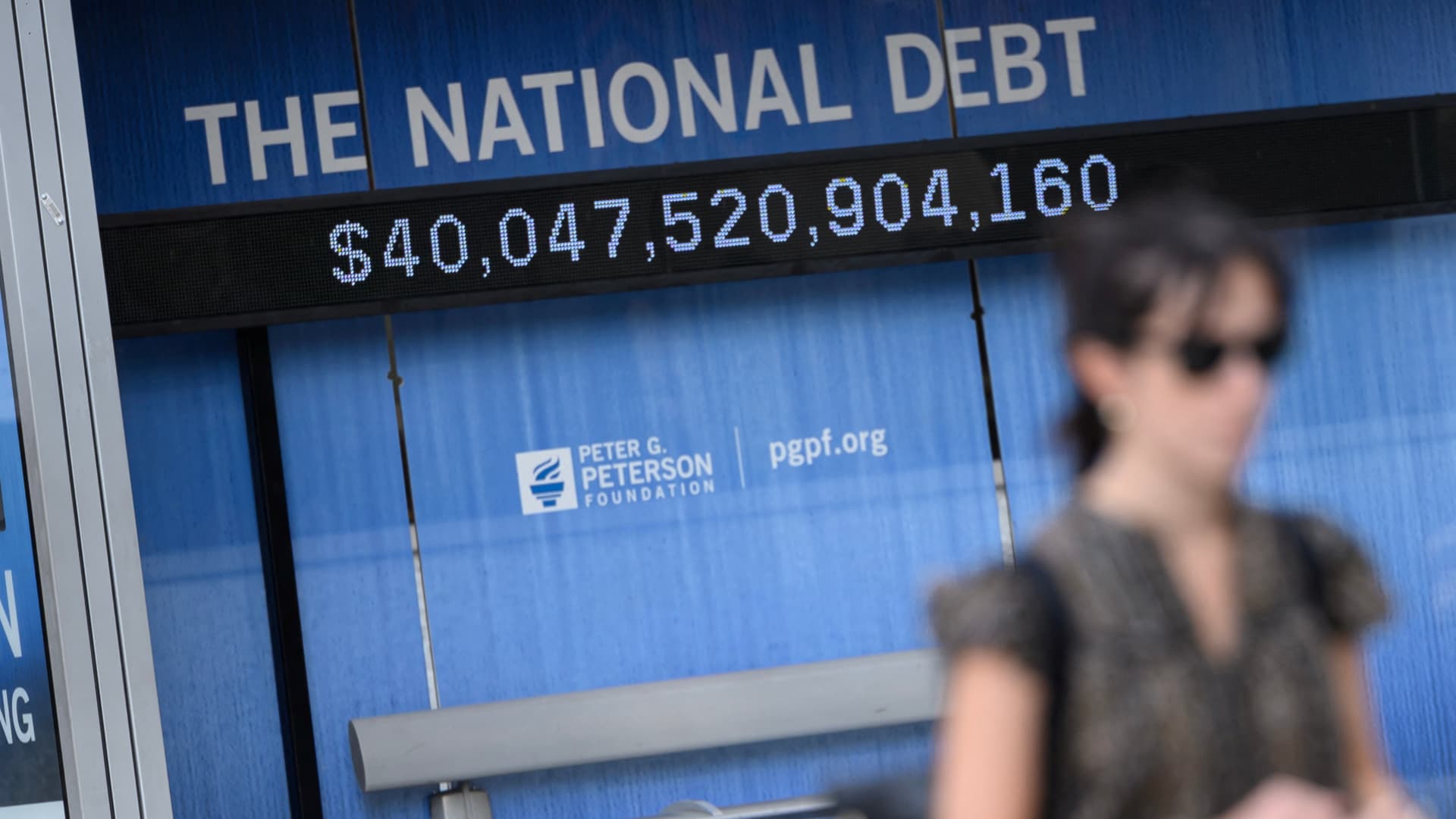
The 30-year US Treasury yield surged to 5.34% in mid-August, a level not seen since 2007, forcing the Treasury Department into an unusual emergency response. The intervention, an announced doubling of long-dated bond buybacks, arrived against a backdrop that would make any fiscal hawk reach for the antacids: national debt crossing the $40 trillion threshold for the first time and foreign buyers quietly shopping elsewhere.
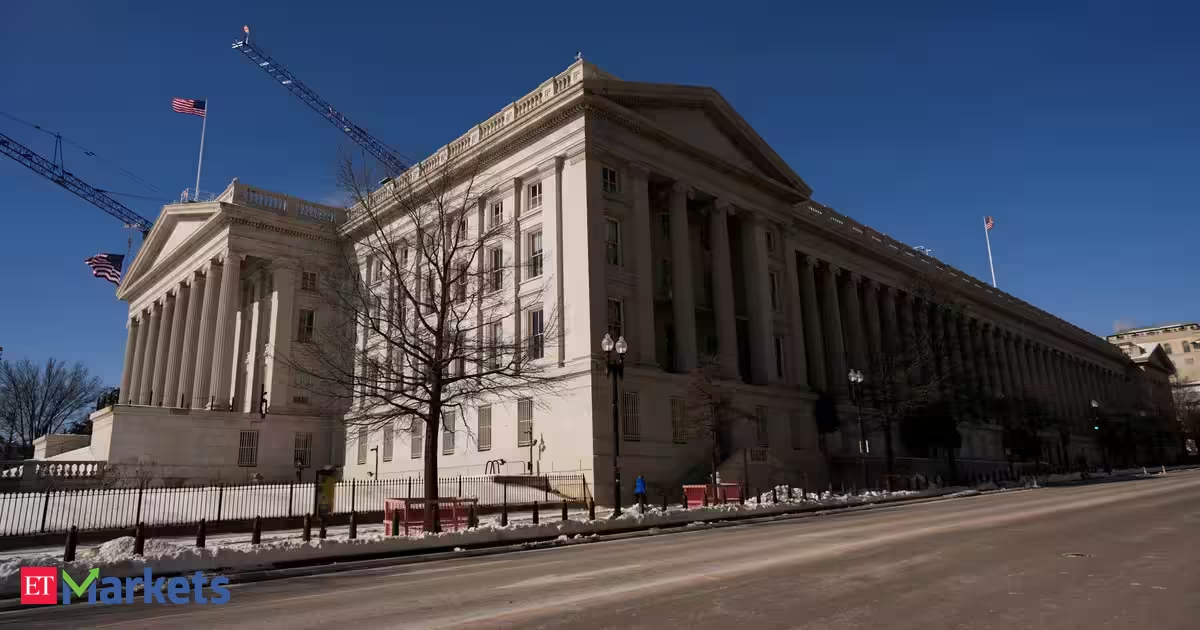
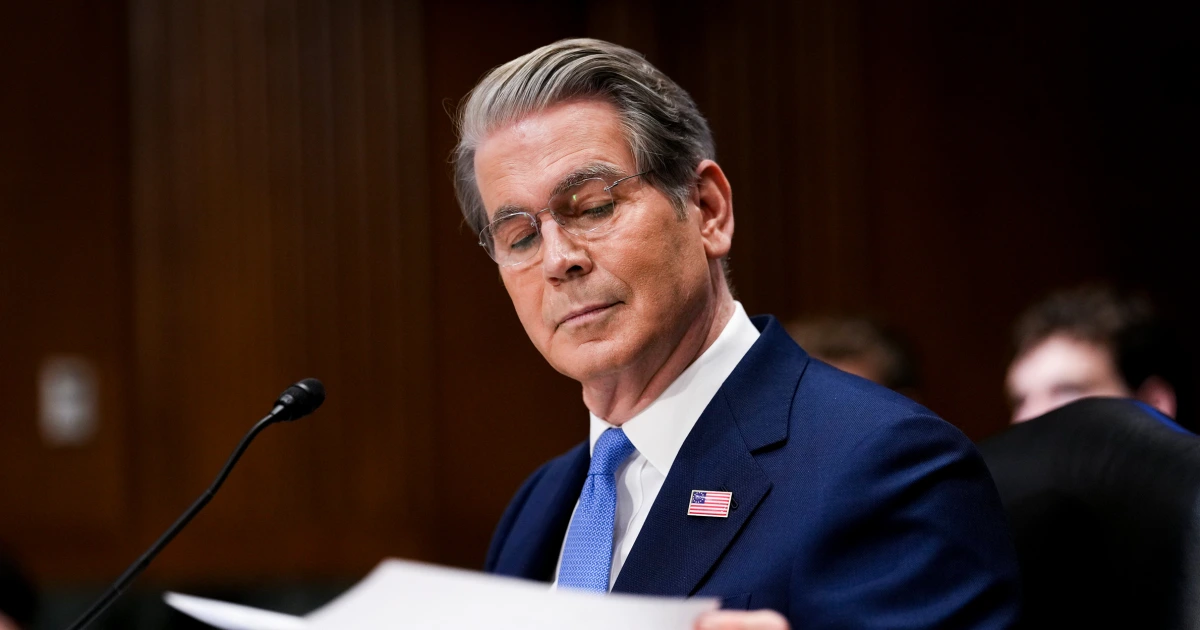
Treasury Secretary Scott Bessent’s department said it would increase buybacks of 10- to 30-year bonds from $2 billion per operation to at least $4 billion, effective September 9 and lasting two months. The 10-year yield, meanwhile, hovered near 4.7%, keeping pressure on everything from mortgage rates to corporate borrowing costs.
Foreign buyers are finding better deals
Net foreign purchases of US Treasuries fell to their lowest since January 2026, with June flows particularly anemic. The culprit isn’t just appetite. It’s arithmetic. Sovereign bonds in the UK, Japan, and other major economies saw yields climb to levels that started competing credibly with US paper, giving overseas investors a reason to keep money closer to home.
Japan, the largest foreign holder of US Treasuries alongside China, added a complication of its own. Coordinated yen interventions between Washington and Tokyo were executed in part to prevent Japan from dumping large chunks of its Treasury holdings to support its currency.