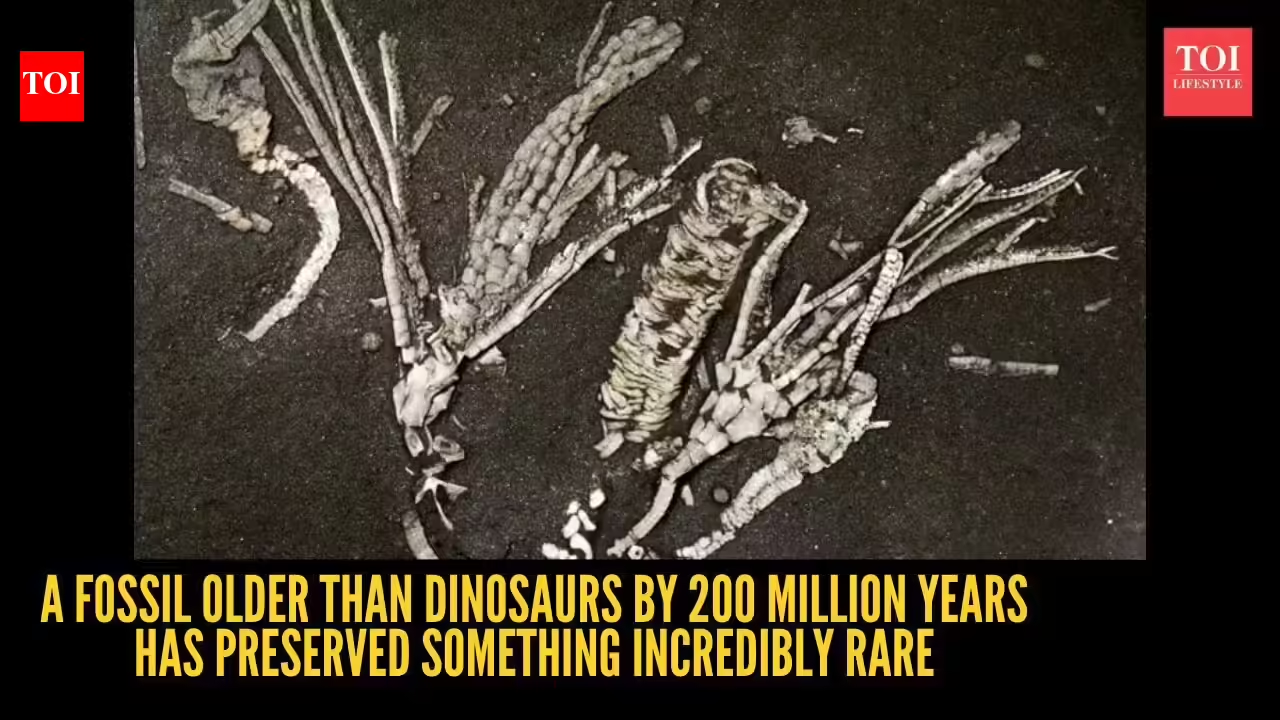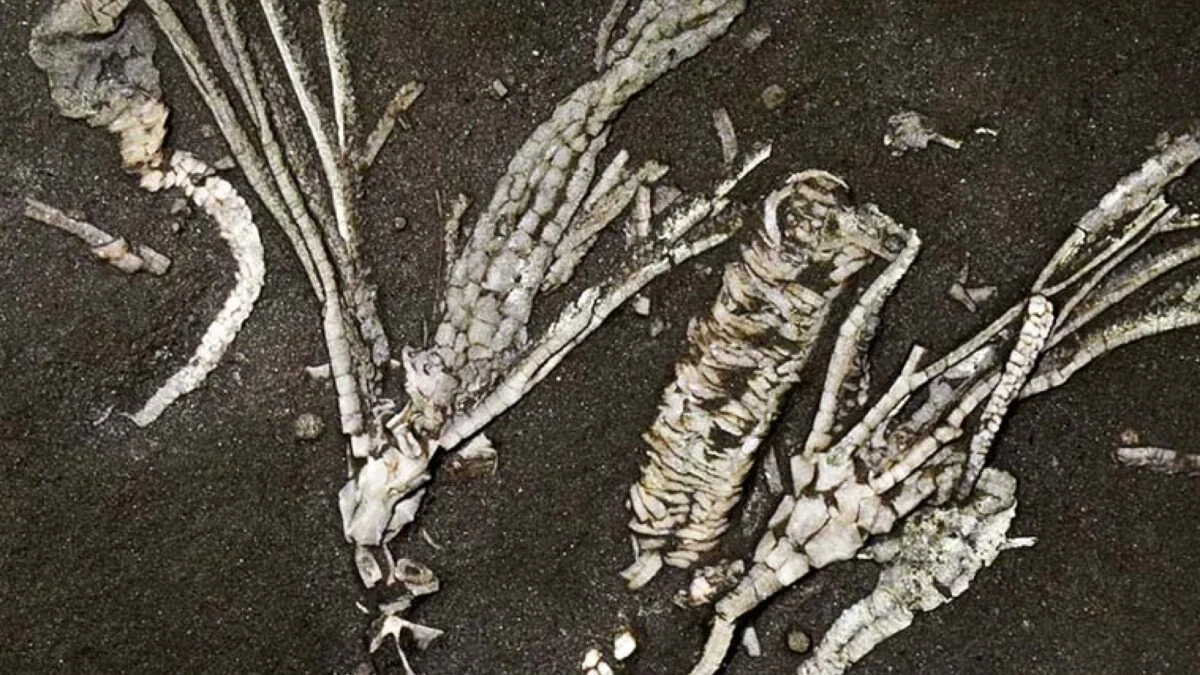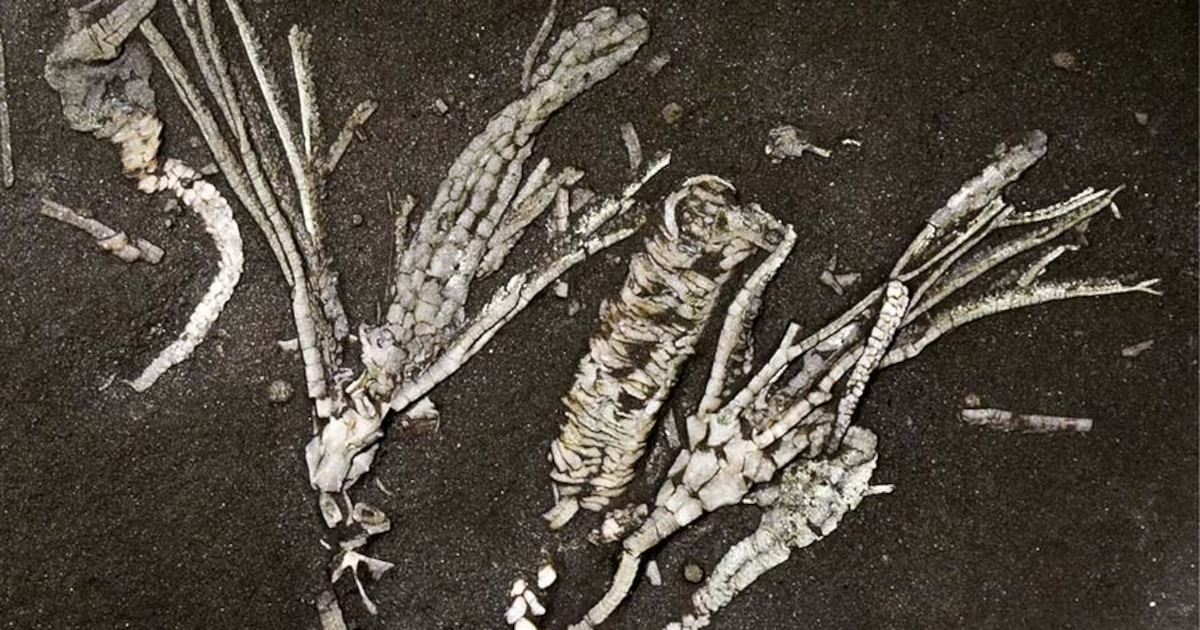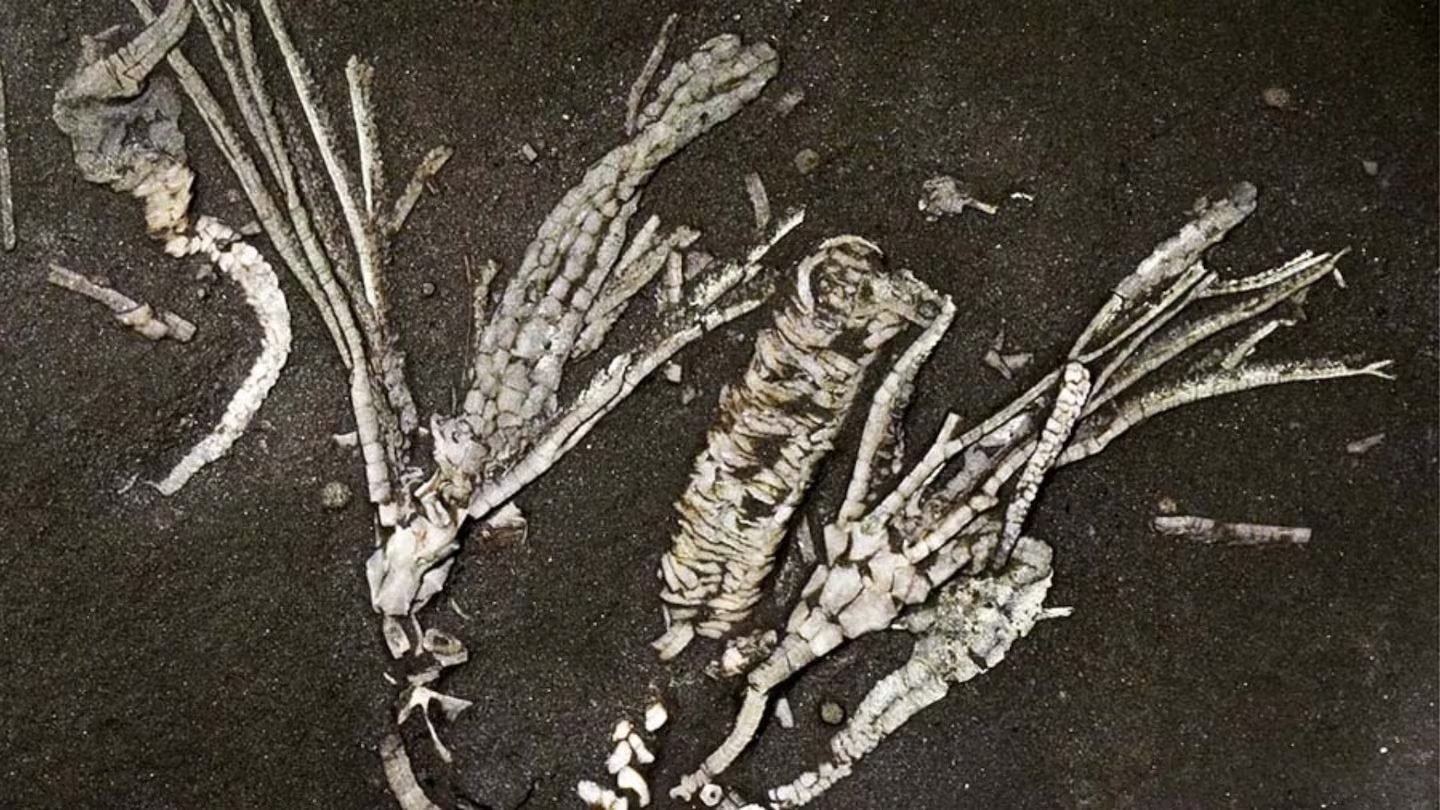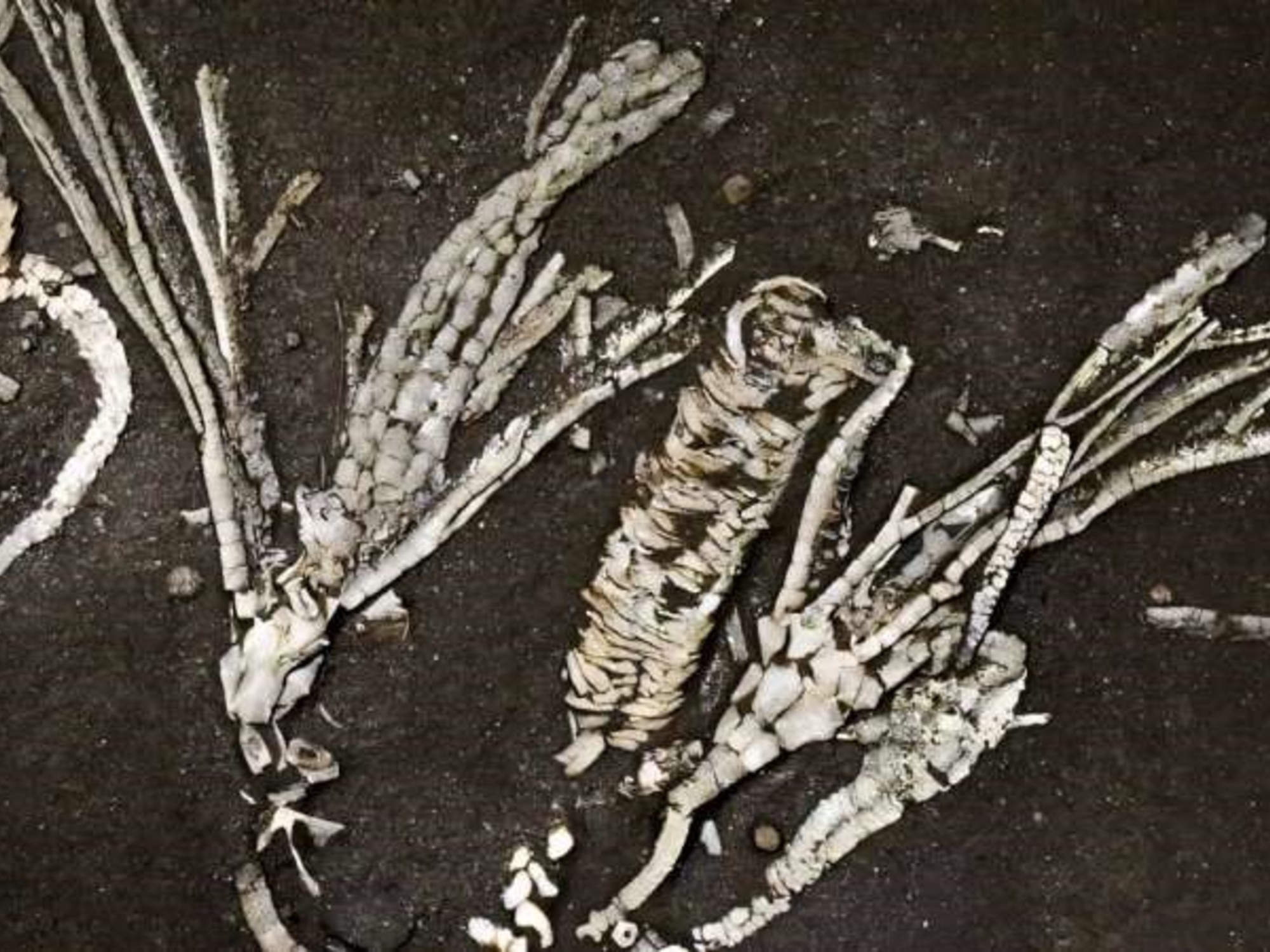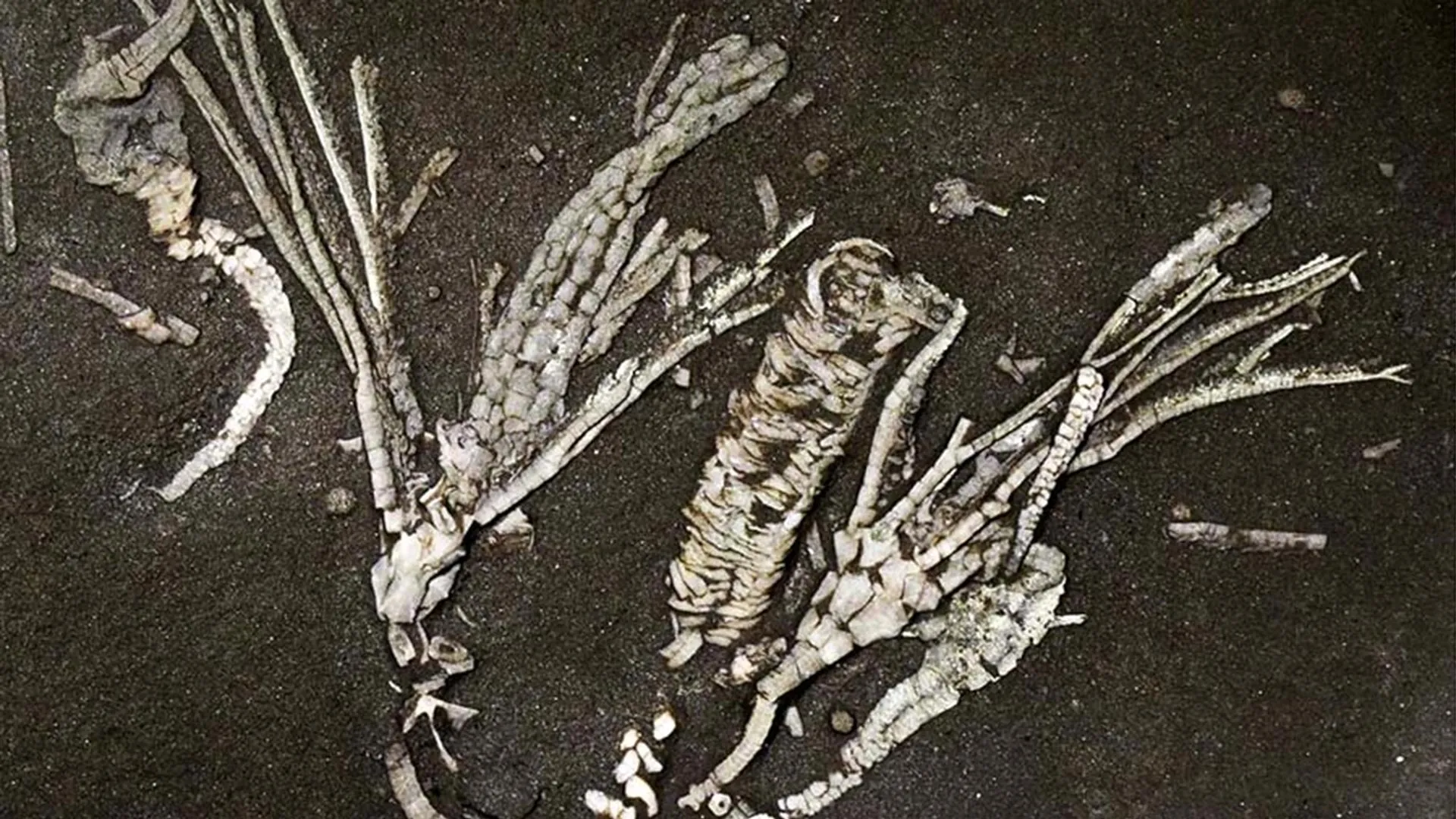
More than 450 million years ago, long before dinosaurs appeared and before animals or plants had spread widely across dry land, crinoids were already thriving in some of Earth's earliest coral reefs. These ancient relatives of starfish looked somewhat like flowers growing on stalks beneath the sea.
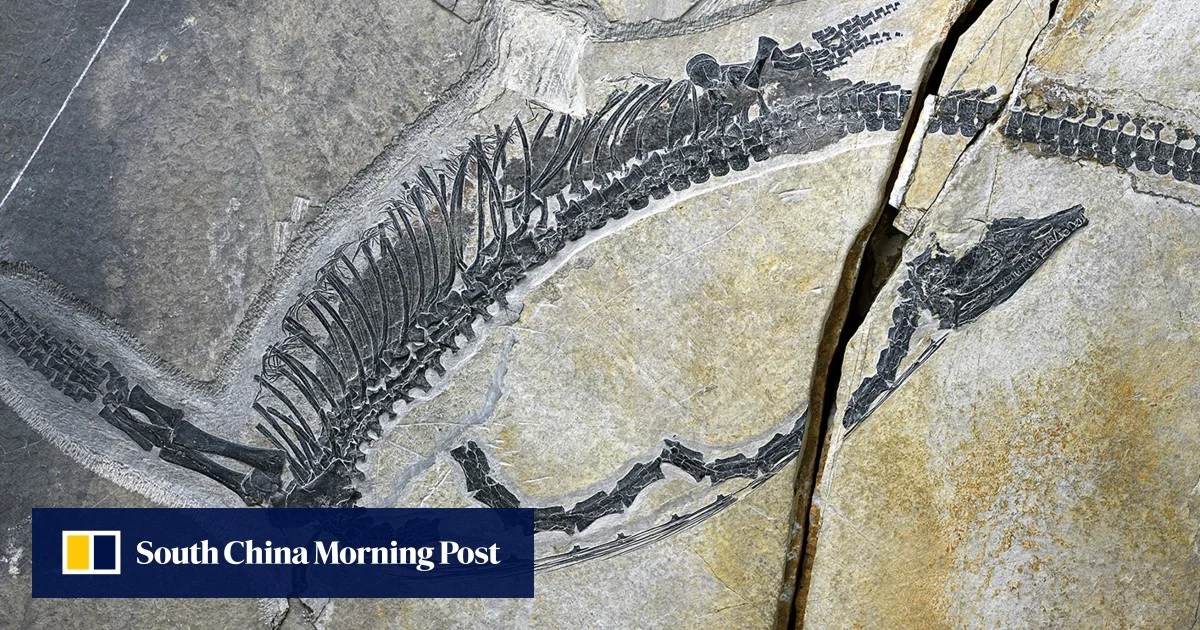
Crinoid fossils give paleontologists important clues about how early animals evolved and how complex life developed. But fossils usually preserve only durable structures such as shells or skeletal plates. Delicate tissues tend to disappear quickly after death, leaving major gaps in scientists' understanding of how these animals actually lived.
A remarkably rare fossil studied by University of Oklahoma paleontologists is now helping fill in part of that missing picture.
"After an animal dies, soft tissues like skin, eyes, or internal organs are the first things to decay," said Dr. Lena Cole, OU paleontologist and assistant curator of invertebrate paleontology at the Sam Noble Oklahoma Museum of Natural History. "Most fossils are only made up of hard parts like bones, teeth, or shells. Soft tissues are only preserved when the environment acts almost like a natural refrigerator or vacuum-sealer -- conditions that are incredibly rare."