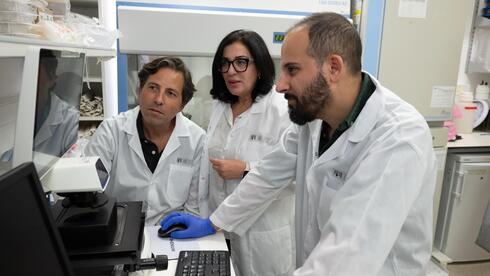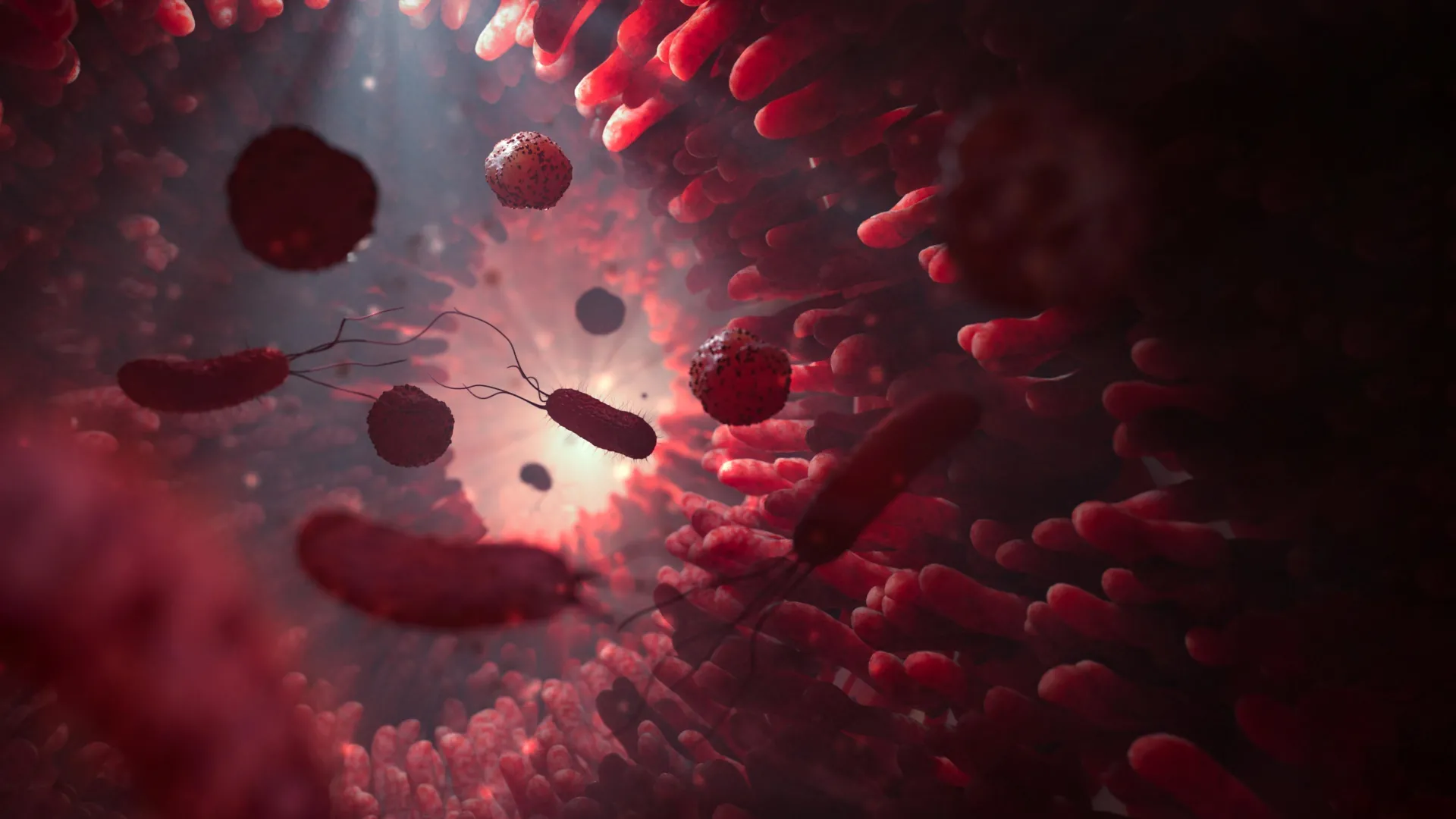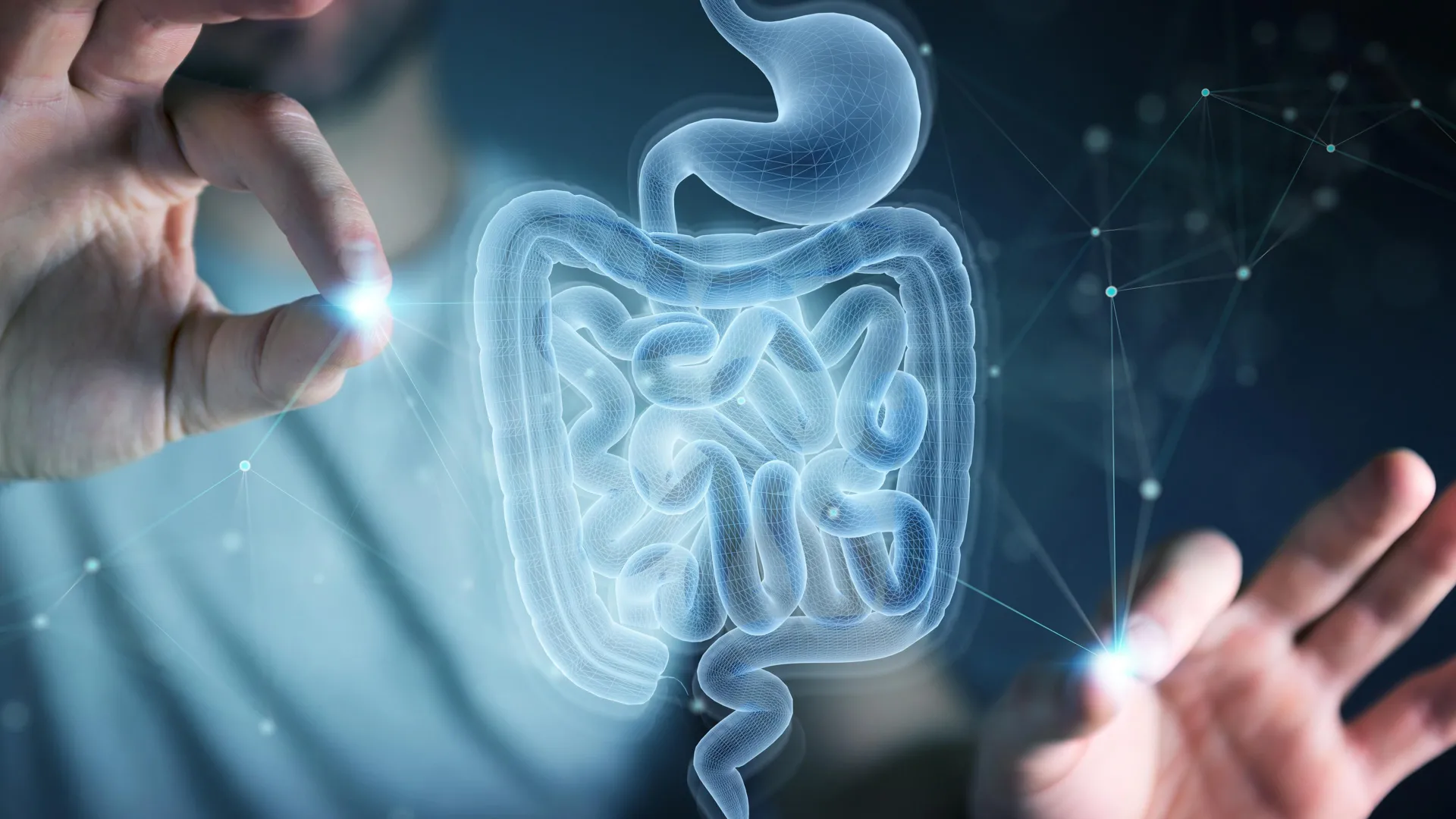
New Northwestern Medicine research published in Nature Communications suggests that a substance produced when gut bacteria digest dietary fiber may leave a durable molecular mark on cells lining the intestine. That imprint appears to promote immune tolerance and may help protect against inflammatory bowel disease-like conditions even after exposure to the metabolite has ended.
Yingzi Cong, PhD, the Stanley Gradowski Professor of Gastroenterology and a professor of Microbiology-Immunology and of Pathology, was senior and co-corresponding author of the study.
The researchers say the results support the idea that beneficial compounds made by gut microbes can effectively "train" the intestinal lining, helping it preserve immune tolerance over time.
"Our laboratory has long been interested in how the gut microbiota regulates immune responses at intestinal mucosal surfaces," said first and co-corresponding author of the study Tianming Yu, PhD, research assistant professor of Medicine in the Division of Gastroenterology and Hepatology. "Short-chain fatty acids (SCFAs), which are produced by gut bacteria during the fermentation of dietary fiber, are known to have anti-inflammatory effects in the intestine."