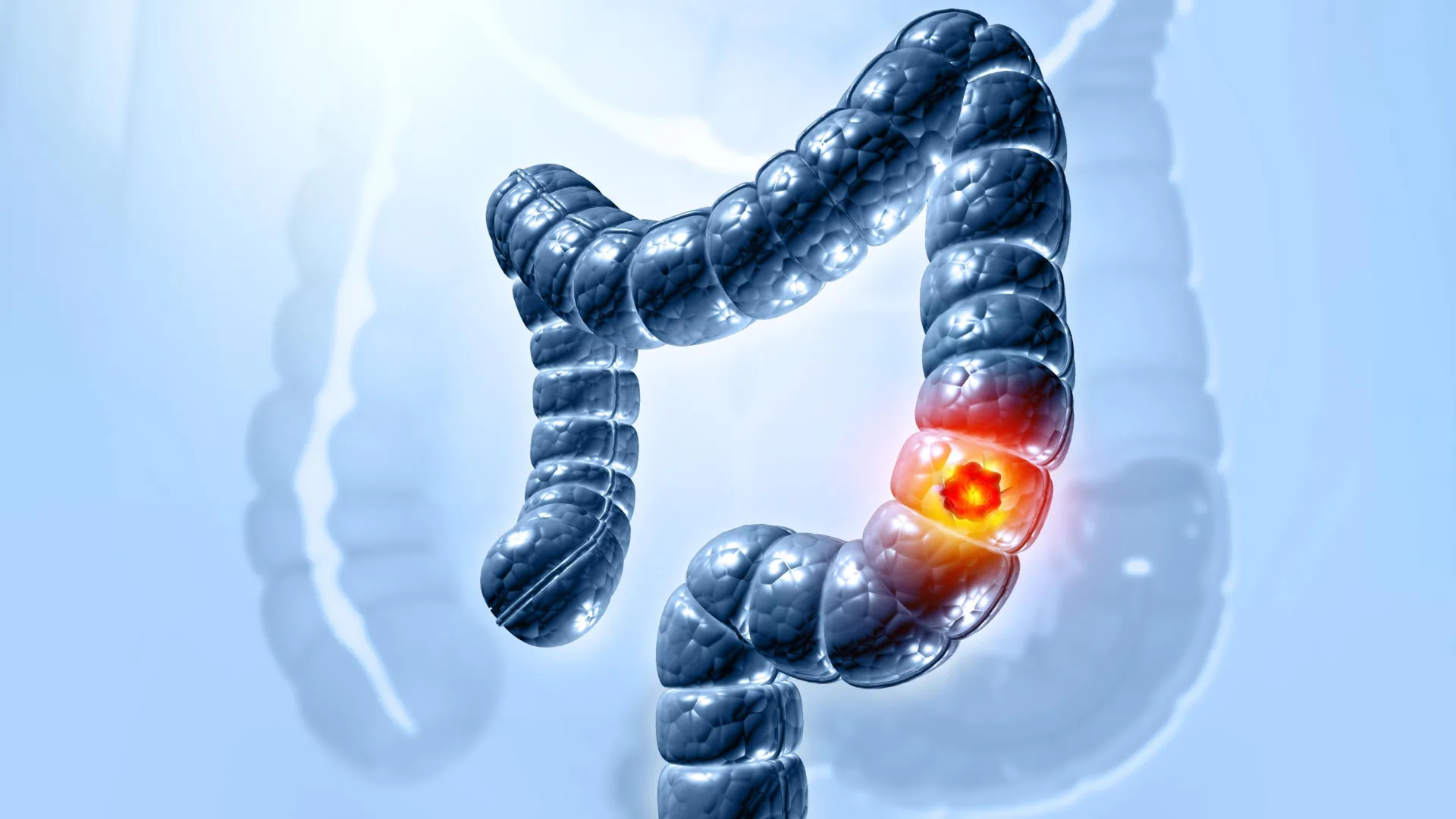
Scientists have uncovered how a toxin produced by a common gut bacterium gains access to colon cells, solving a mystery that has puzzled researchers for more than 15 years. The discovery not only explains how the toxin begins damaging the colon, but also points to a possible new way to block its effects before they contribute to colorectal cancer.
The findings come from a multi-institutional team led by researchers at the Johns Hopkins Kimmel Cancer Center Bloomberg~Kimmel Institute for Cancer Immunotherapy and the Johns Hopkins University School of Medicine. Published in Nature, the study shows that the toxin, known as BFT and produced by Bacteroides fragilis, must first attach to a host protein called claudin-4 before it can injure colon cells. The research was supported in part by the National Institutes of Health.
"We've made several attempts over time to identify the receptor, so this is an exciting moment," says senior author Cynthia Sears, M.D., Bloomberg~Kimmel Professor of Cancer Immunotherapy and professor of medicine at Johns Hopkins. "Understanding how bacterial toxins work can open doors to new approaches for detection and therapy for associated diseases, including diarrhea, colorectal cancer and bloodstream infections."