view more
A team of researchers at the University of Warwick and Monash University has solved a puzzle that's stumped drug developers for decades: how bacteria naturally create multiple versions of powerful cancer therapies. The breakthrough could accelerate development of new treatments for hard-to-treat cancers.
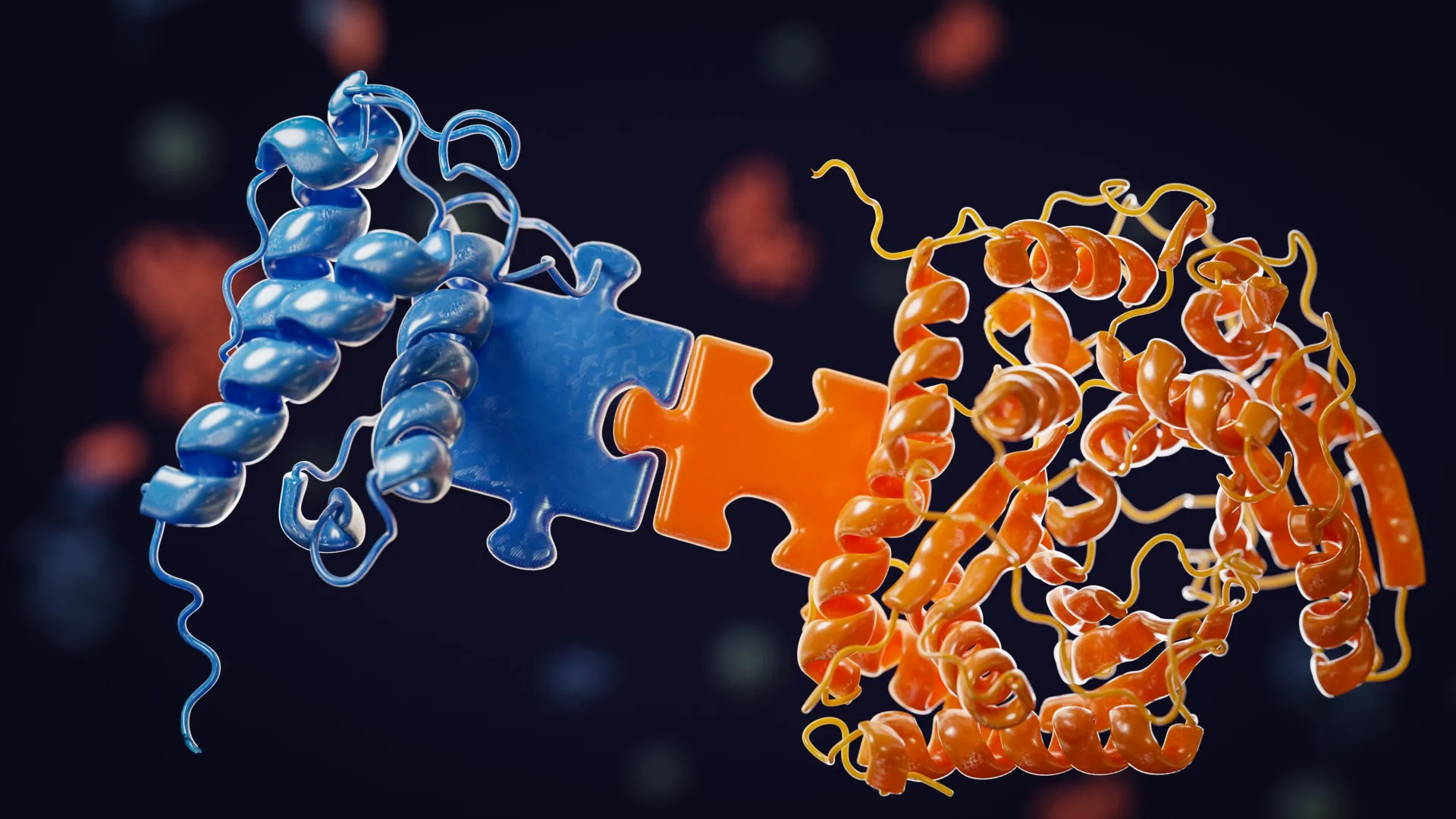
Harnessing bacterial enzymes to create drug variants, a strategy known as combinatorial biosynthesis, has long been a goal for scientists. But without understanding how these enzymes interact, progress has stalled.
Published in Nature Communications, a team of researchers have finally revealed how bacterial enzymes communicate and work together to assemble a family of related anti-cancer compounds. This family includes Romidepsin (Istodax), a clinically approved blood cancer treatment. By understanding this "mix and match" process, and replicating the principle in the lab, the researchers have established an approach to designing new therapies.
"For decades, we've known that bacteria can naturally produce multiple versions of powerful anti-cancer drugs, yet we had no idea how they achieved this,” said first author Dr. Munro Passmore, Research Fellow, Department of Chemistry, University of Warwick. “This work finally cracks that code. We've identified how the different enzymes communicate and cooperate to produce these drug variants, something that has eluded researchers because the system is so elegantly economical. It's the breakthrough we needed to actually engineer these drugs ourselves.”