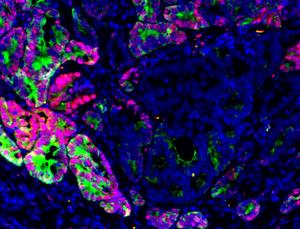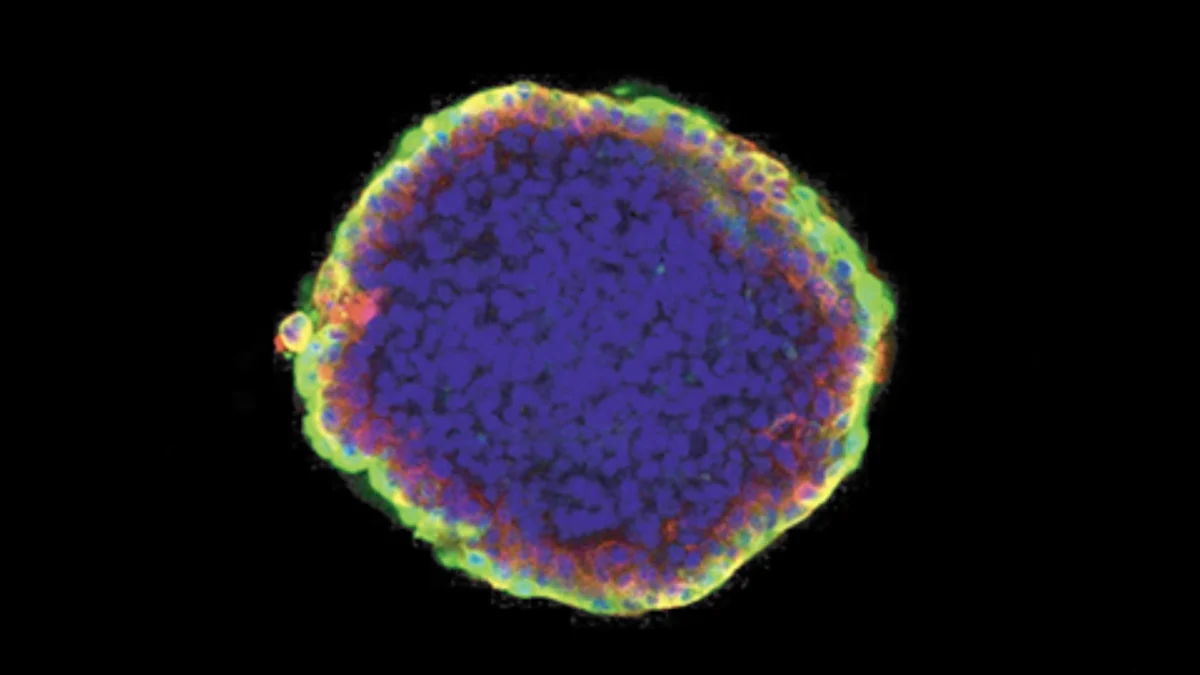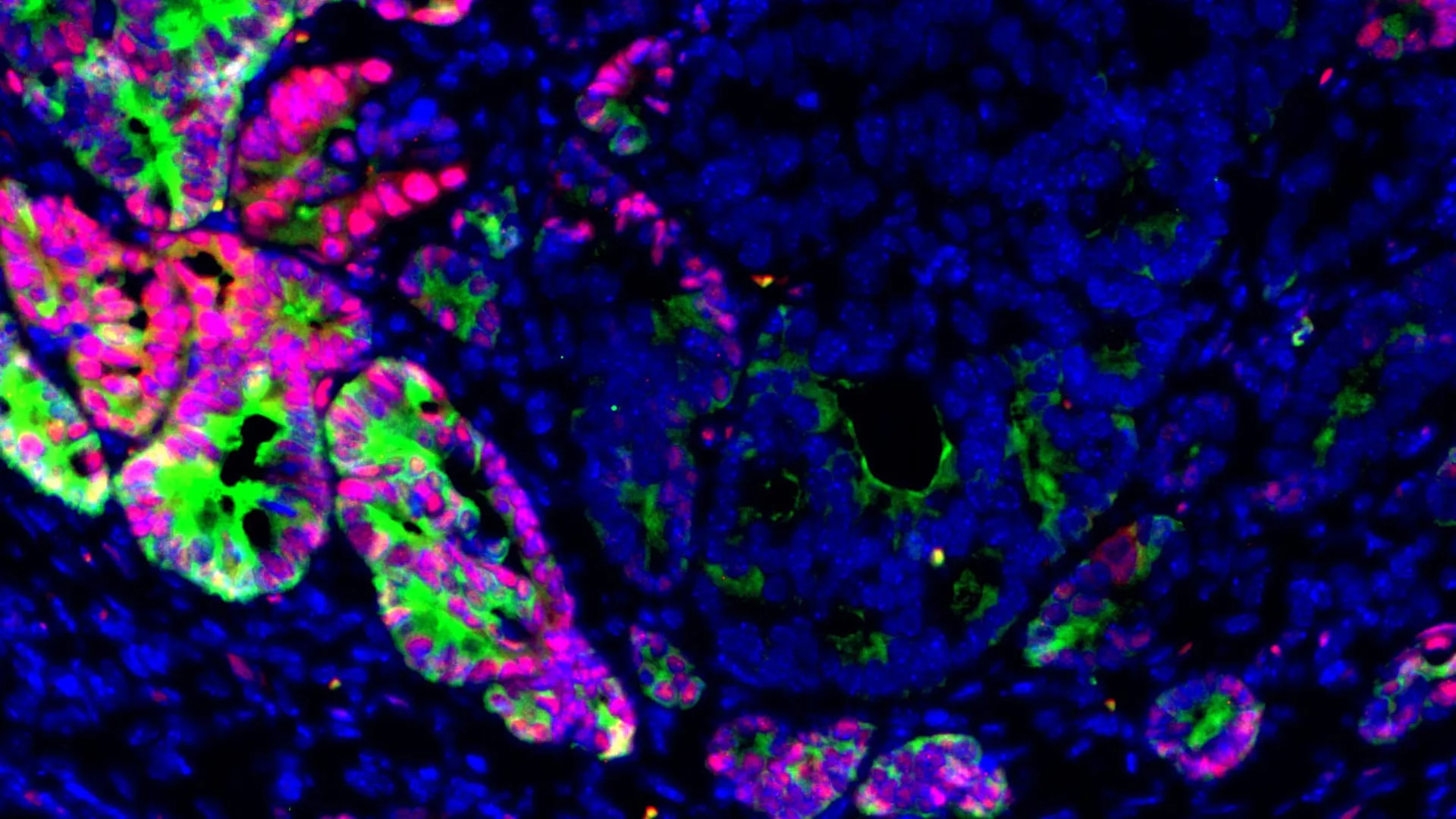
Researchers at Weill Cornell Medicine and the Massachusetts Institute of Technology have identified a key factor that may help colorectal cancer spread to the liver. Their findings suggest that losing GATA6, a transcription factor that helps control which genes are turned on or off, can push cancer cells into a more primitive and adaptable state that makes metastasis possible. Understanding how this transformation occurs could lead to new strategies for preventing one of the deadliest aspects of colorectal cancer.
GATA6 normally serves as a molecular "identity keeper" in the cells that line the intestine, helping them maintain their specialized functions. However, the study, published June 22 in Cell Stem Cell, found that GATA6 levels are much lower in liver metastases from both mice and people with colorectal cancer. The researchers also found that reduced GATA6 expression is associated with poorer patient outcomes. Once colorectal cancer spreads beyond its original site, treatment becomes far more challenging, and metastasis remains the leading cause of death from the disease.
For years, scientists have searched for genetic mutations that might trigger liver metastasis, but no clear driver mutations have emerged. Instead, the new study points to a different mechanism.