view more
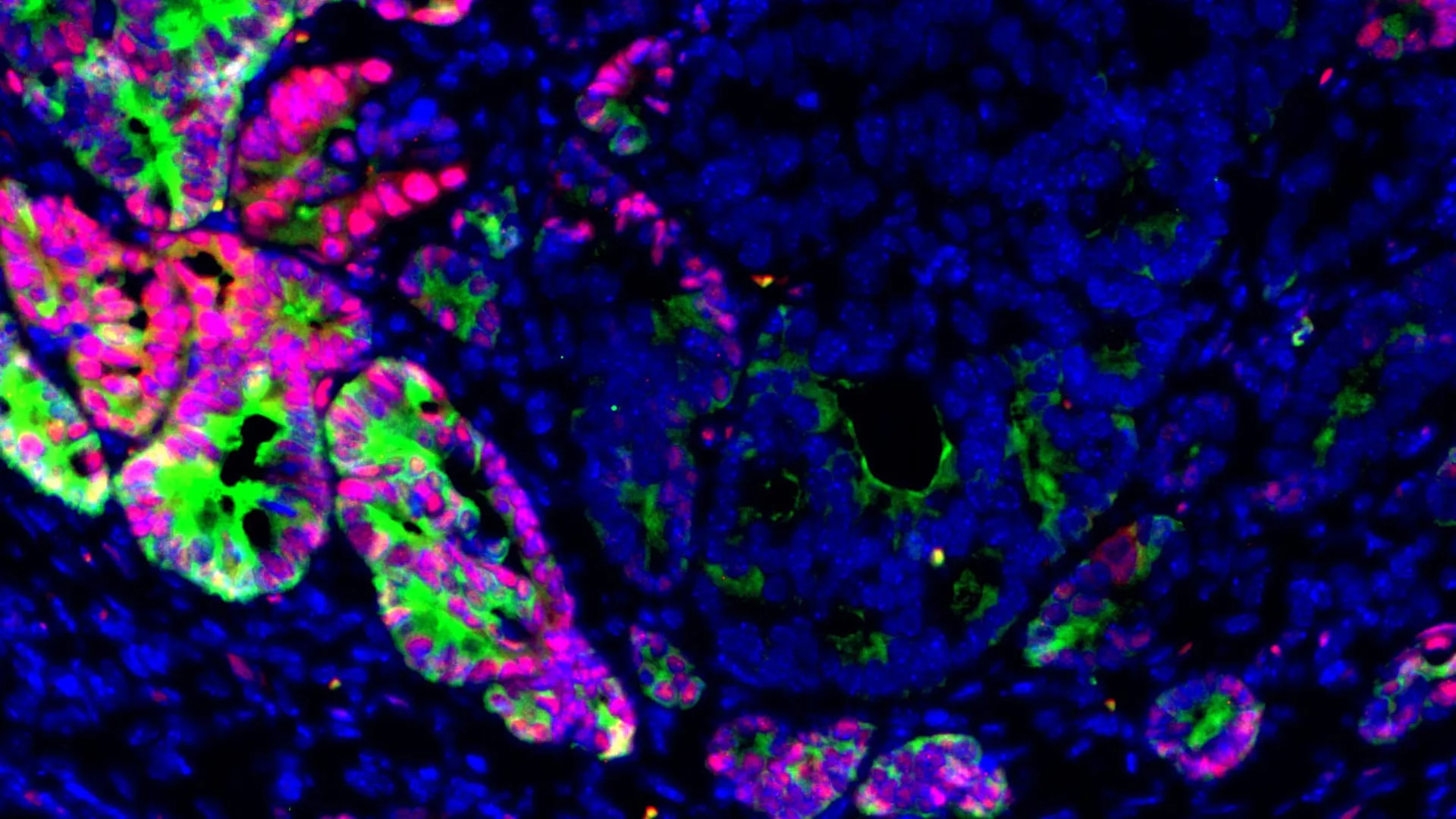
Loss of GATA6—a transcription factor that controls which genes are turned on or off—can reprogram colorectal cancer cells into more primitive, adaptable states that can then spread to the liver and establish new tumors, according to Weill Cornell Medicine and Massachusetts Institute of Technology researchers. Understanding how cancer cells acquire the ability to metastasize could reveal new ways to stop this deadly process.
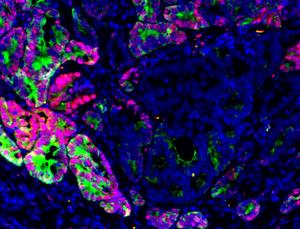
Under normal conditions, GATA6 acts like a molecular “identity keeper” for cells lining the intestine, helping maintain a stable, well-defined state. However, the study, published June 22 in Cell Stem Cell, found that GATA6 expression is significantly reduced in liver metastases in both mice and human colorectal cancer patients, and that low GATA6 levels correlate with poorer clinical outcomes. Colorectal cancer becomes much more difficult to treat once it metastasizes, which is the leading cause of death.
Many studies have searched for genetic mutations that trigger liver metastasis, but driver mutations have not been found. “We discovered that GATA6 loss acts as a critical switch that can change cancer cells in the primary tumor from non-metastatic to pro-metastatic,” said Dr. Norihiro Goto, assistant professor of medicine in the Division of Gastroenterology & Hepatology at Weill Cornell, who co-led the research. “Our findings suggest that epigenetic changes may be more important for promoting liver metastasis.” While genetic mutations change the actual DNA sequence, epigenetic changes turn genes on or off, determining which proteins are made. Dr. Saori Goto, an instructor in medicine at Weill Cornell, is the study’s first author. Dr. Omer H. Yilmaz, associate professor of biology at the Massachusetts Institute of Technology, co-led this research.