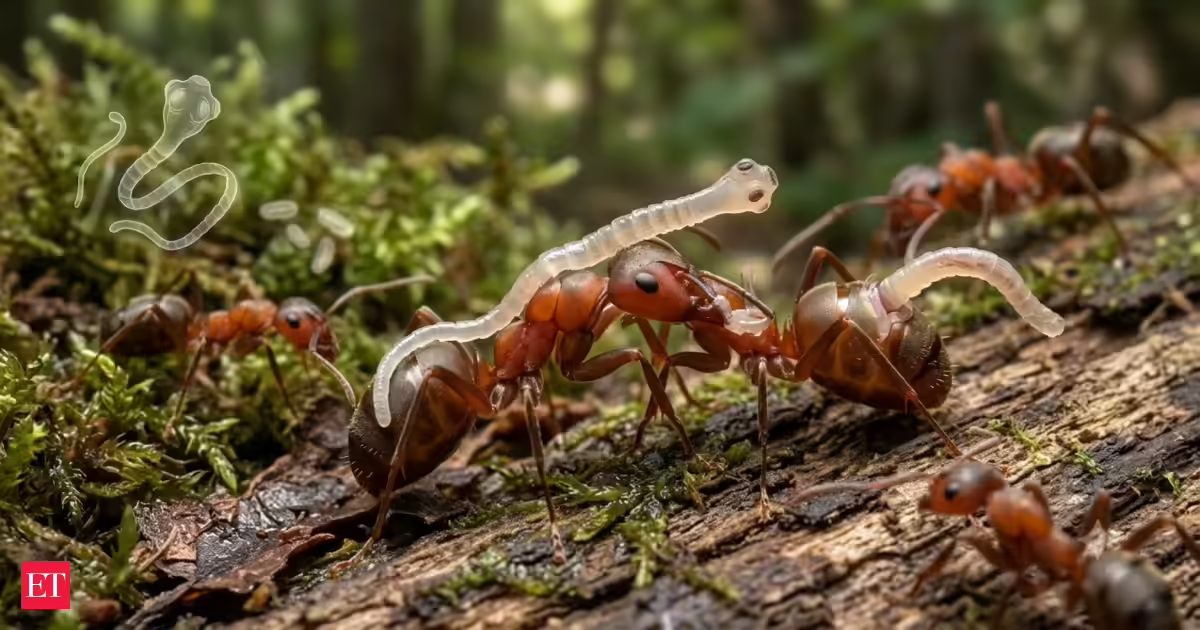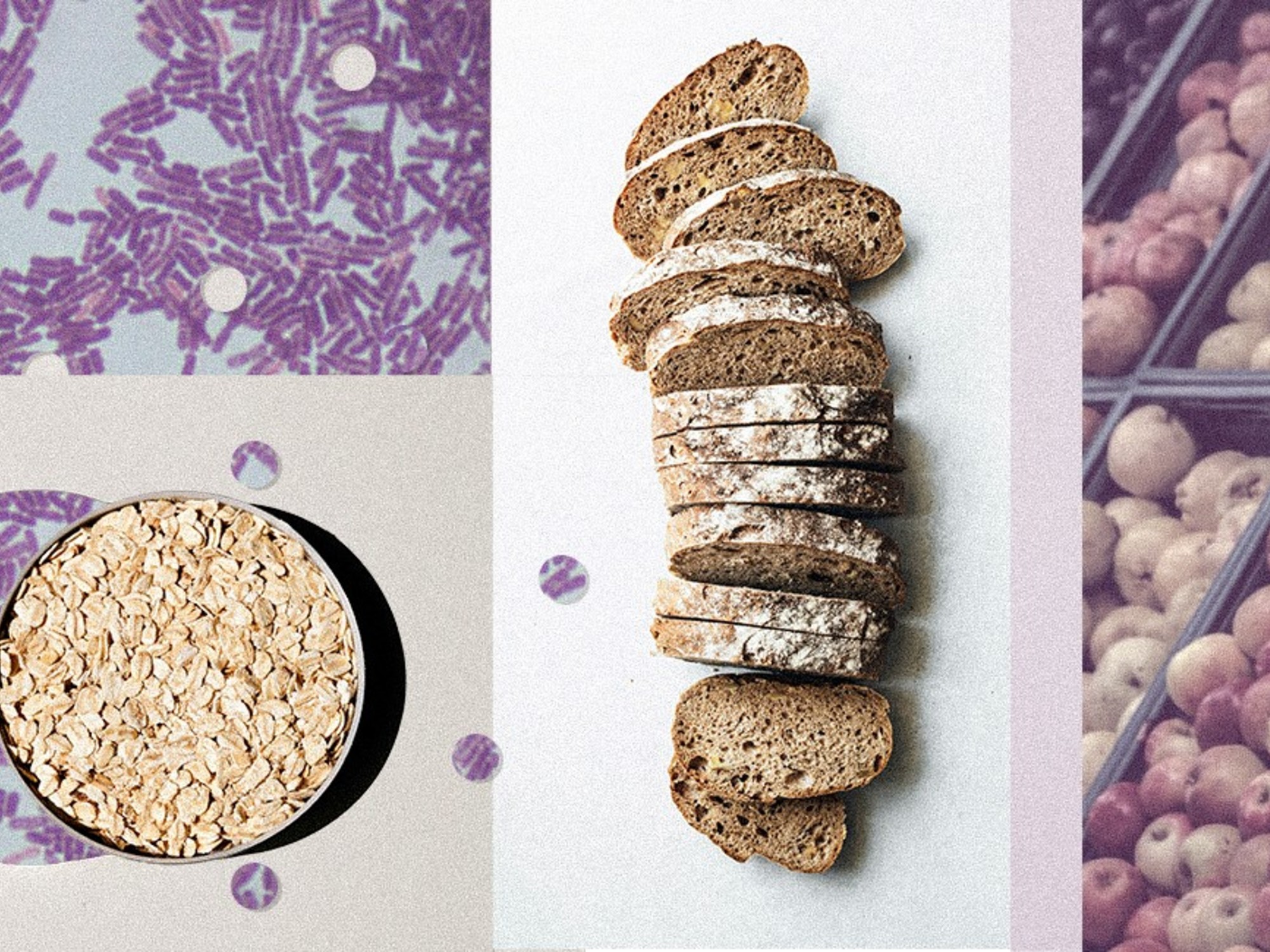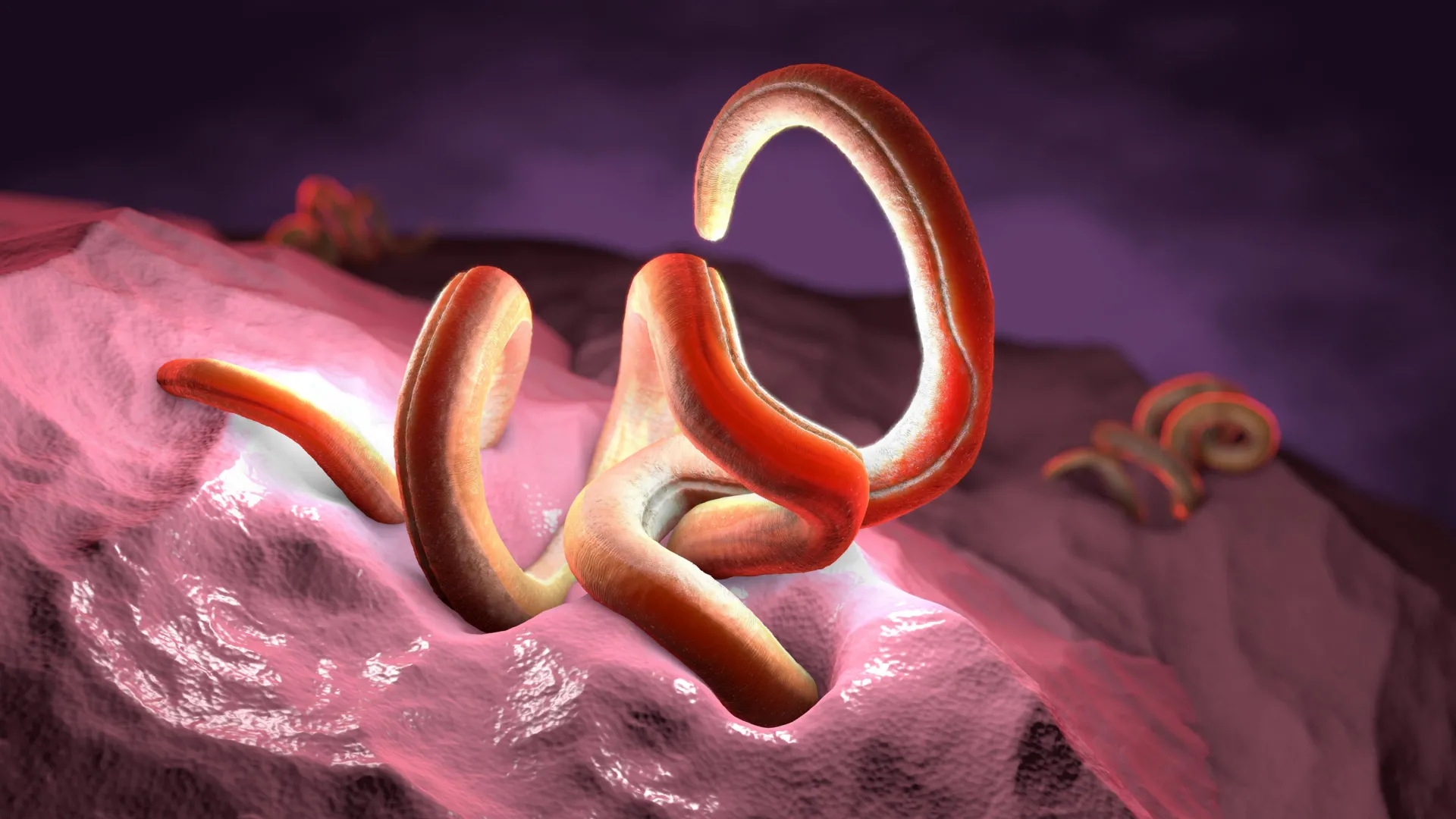
Intestinal worms may help reduce inflammation, but new research suggests they can only do so when they have enough dietary fiber to thrive. Without sufficient fiber, these worms enter a hibernation-like state and lose their ability to provide anti-inflammatory benefits.
The findings, published in Nature Communications, come from parasitologists at the Biology Centre of the Czech Academy of Sciences.
Why Scientists Are Studying Intestinal Worms
For most of human history, intestinal parasites were a normal part of the digestive system. In industrialized countries, however, they have become far less common because of improved hygiene and modern medicine. During that same period, autoimmune disorders and inflammatory bowel diseases have become increasingly common.
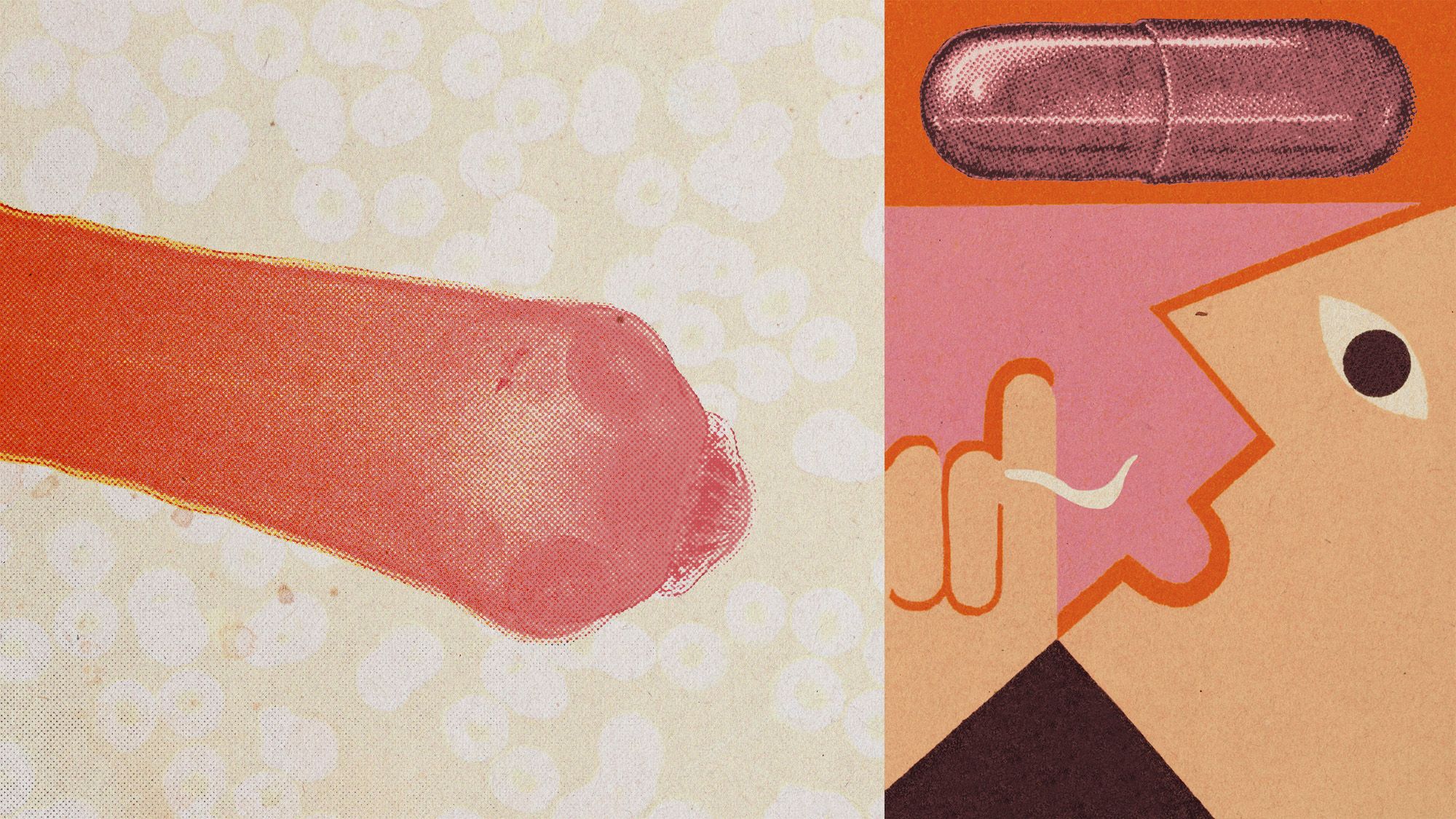
This trend prompted researchers about two decades ago to investigate whether certain intestinal worms could be used to treat inflammatory conditions. The approach, known as helminth therapy, has shown promise, but its results have been inconsistent.