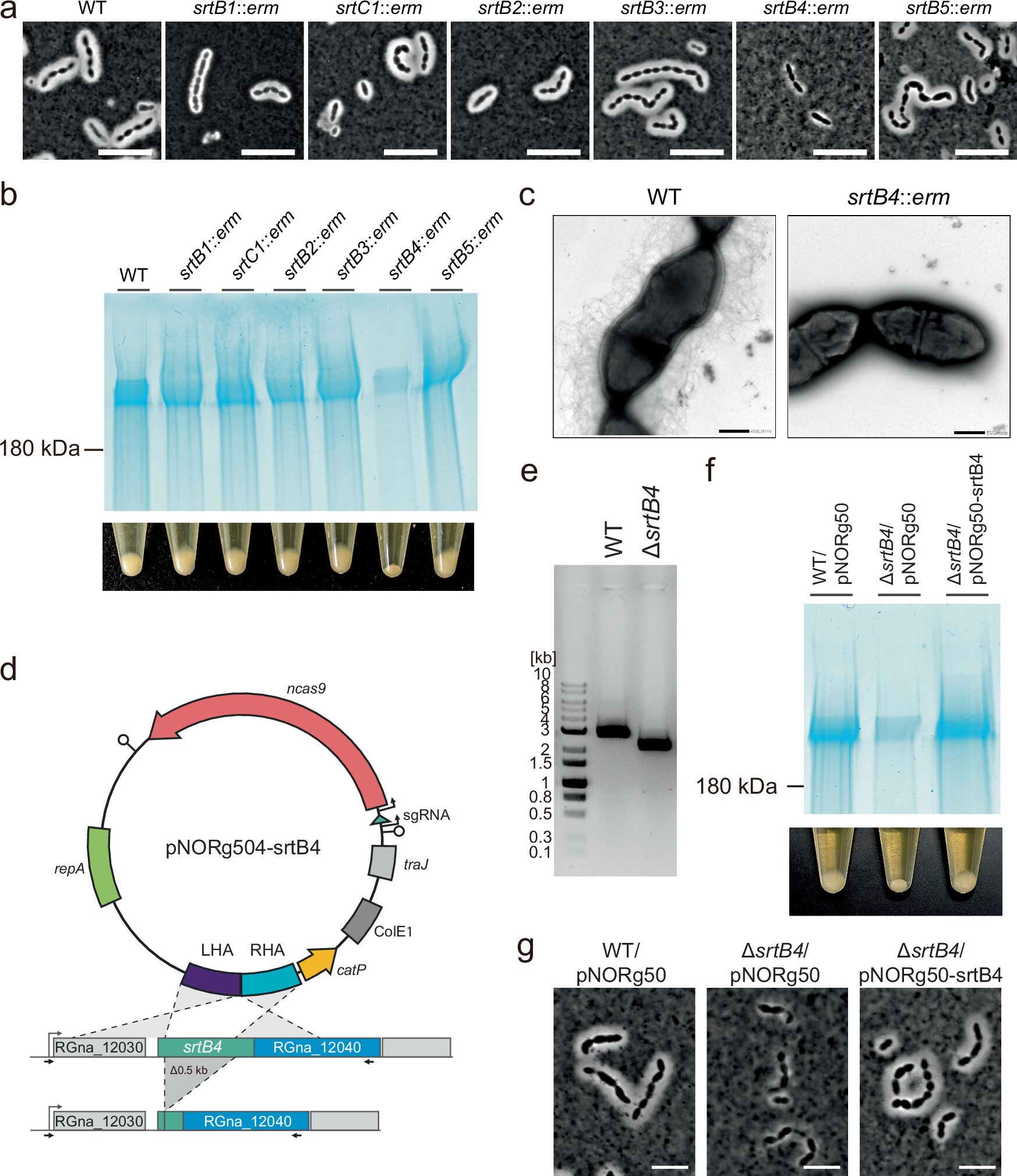
srtB4 is responsible for the surface presentation of capsular polysaccharide. Credit: Nature Communications (2026). DOI: 10.1038/s41467-026-69022-x
The human gut harbors more than 40 trillion bacteria assembled into complex communities collectively known as the gut microbiota, which is closely linked to human health and disease. Mediterraneibacter gnavus (formerly Ruminococcus gnavus) is a commensal bacterium in the Lachnospiraceae family that is normally found in healthy individuals.
However, it is frequently enriched in patients with inflammatory bowel diseases (such as Crohn's disease), and its abundance has been correlated with disease severity. Despite the clinical relevance of M. gnavus, the molecular mechanisms underlying its intestinal colonization and strain-dependent effects on host inflammation remain poorly understood, largely because this bacterium presents technical challenges for genetic manipulation.
Tools to probe a difficult microbe
Researchers at University of Tsukuba have developed a suite of molecular genetic tools specifically for characterizing M. gnavus, including an E. coli-M. gnavus shuttle vector, inducible gene expression systems, fluorescent reporters and systems for gene disruption and deletion. Notably, these tools were applicable not only to M. gnavus but also to other common human commensals in the Lachnospiraceae family.