May 22nd, 2026
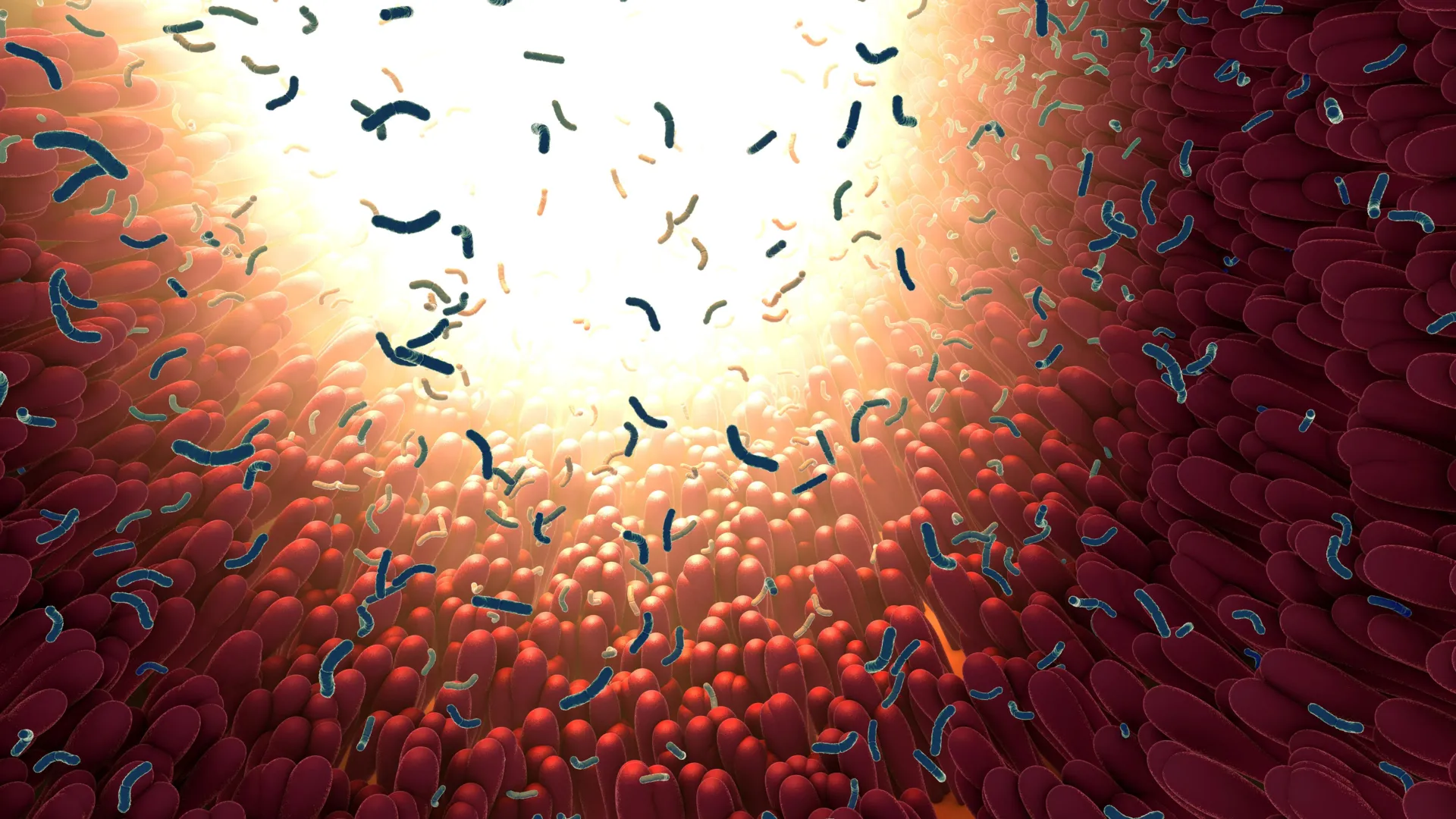
The gut microbiome is made of thousands of microbial species, many of which conduct activities necessary to health. Our tissues have evolved to at least somewhat rely upon the molecules produced by many of these species as they process the food we eat. Unwanted species are also present, generating harmful products that trigger inflammation and tissue dysfunction. With age, the size of harmful microbial populations increase at the expense of the size of helpful microbial populations. Our health suffers as a result. Animal studies have demonstrated that restoring a more youthful composition to the gut microbiome of an old animal, such as via fecal microbiota transplantation from a young donor, can improve health and lengthen life.
The study of communication between cells has moved on from considering only single secreted molecules, one at a time, to incorporate an attempt to understand the role of extracellular vesicles. These vesicles are membrane-wrapped packages containing many different molecules. The scientific community presently categorizes vesicles by size, such as exosomes versus microvesicles. Cataloguing their contents and the factors determining size and contents is a work in progress at the earliest stage; all too little is mapped out. Vesicles are generated and taken by cells constantly. Just as this happens between our own cells, we might expect vesicles to be an important form of communication between the gut microbiome and our cells. Some of that communication will be detrimental to tissue function, as illustrated in today's open access paper.