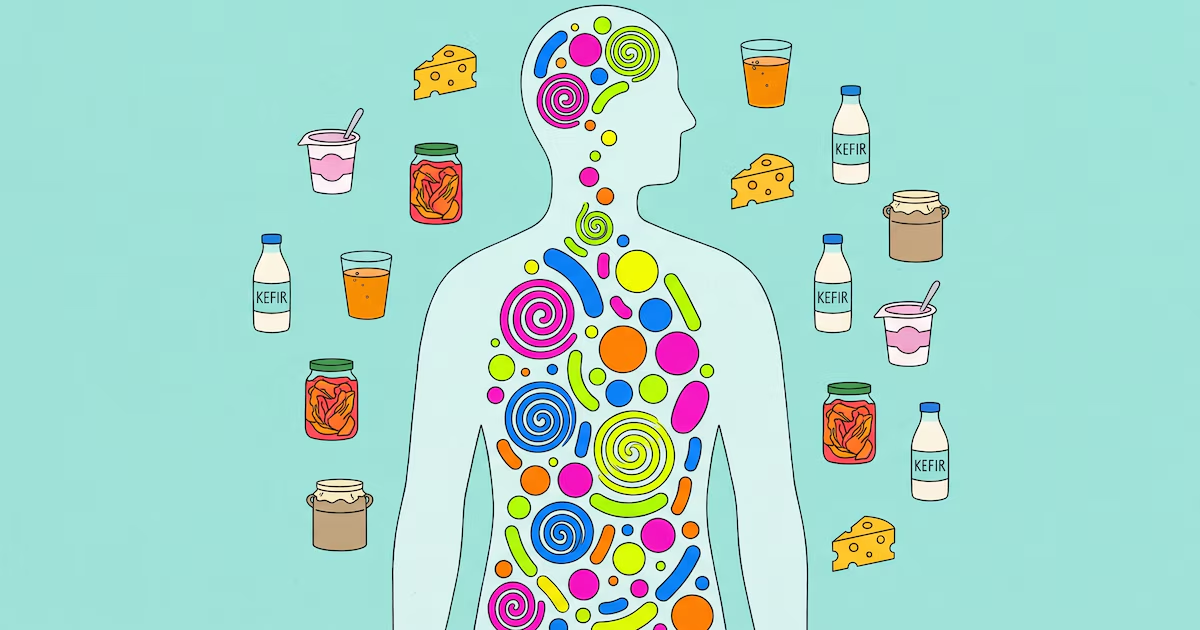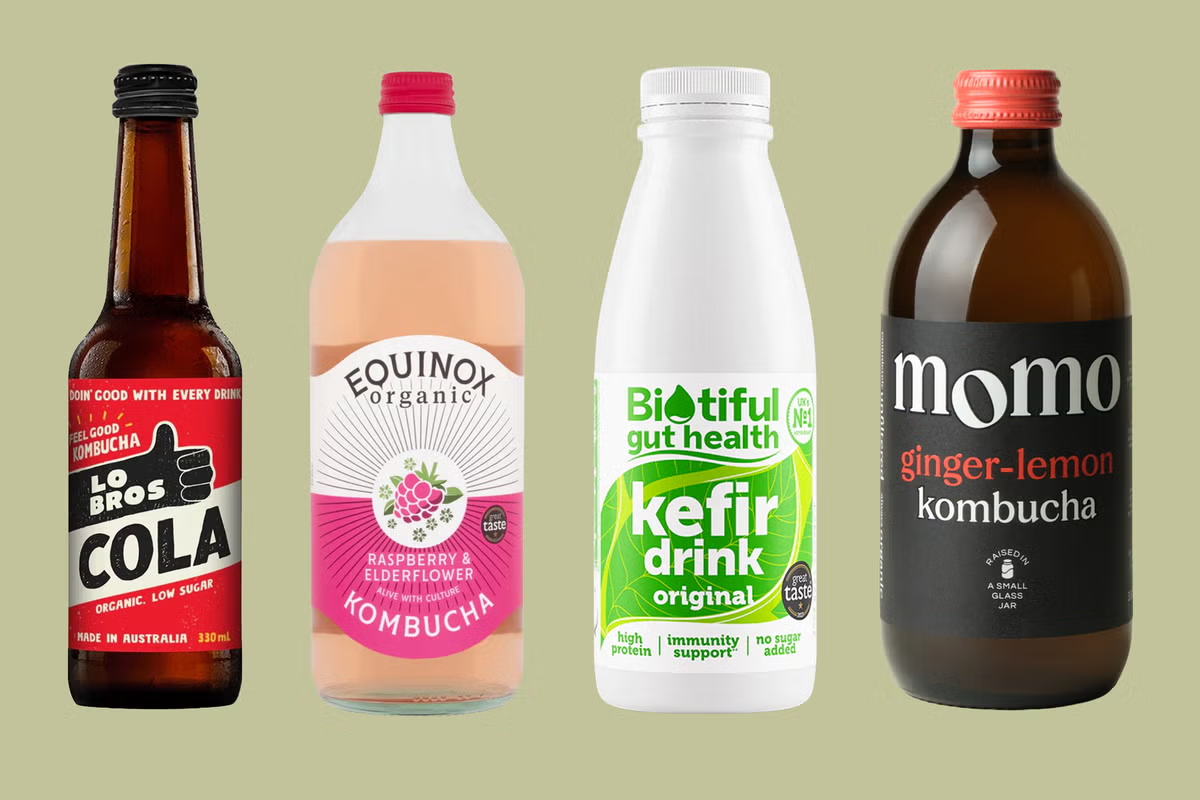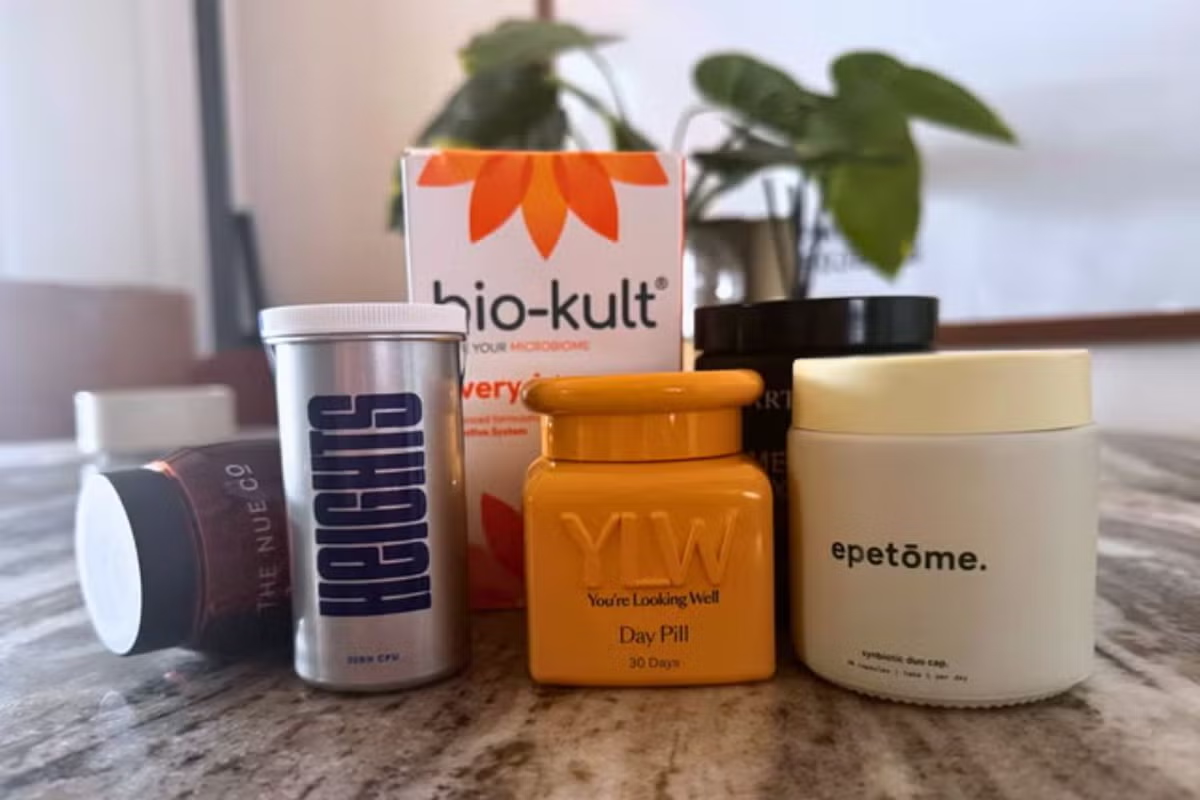
Your questions about probiotics answeredWhat is the best probiotic? For the best bang for your buck, I’d recommend the Nutravita 60 billion CFU pro bio cultures complex. With such a diverse range of bacteria strains and a potent 60 billion CFU per daily dose, it holds its own even among pricier option. Bio-Kult’s probiotic is also a very affordable option for those looking for daily gut care. For those looking for a high-quality synbiotic, I recommend The Nue Co’s prebiotic + probiotic supplement, but maybe consider a subscription to make it more affordable. If it’s an all-rounder you’re looking for, You’re Looking Well’s day pill contains probiotic strains, your daily vitamin D and 10 other essential nutrients for overall skin and gut health. How I tested probioticsI consulted experts Sophie Medlin and Dr Megan Rossi to learn more about probiotics, their role within the body, the different strains of bacteria to look out for and the most beneficial doses. I researched a range of probiotics for various needs and tested each one for at least a month. When testing, I considered the following: Soothing stomach issues: I assessed whether each probiotic helped with stomach issues such as bloating, wind, cramps, stomach aches and infrequent or too frequent bowel movements. Skin health: I noted skin health after a month of taking each supplement. For example, whether breakouts and dryness were replaced by a more glowy complexion. Immunity: I considered how energised or run down I felt while taking the probiotics and whether I caught colds or fell ill.Variety of strains: Different brands offer varying types and levels of bacteria, so I assessed each on this. Easy to take: I also judged each probiotic on how easy it is to take and store.Cost: The price and whether the product was suited to a range of budgets were also considered. Do you need a probiotic? Of course, a diet that’s rich in probiotic cultures is easy to follow. Yoghurt is the most popular choice for most people, but other sources of natural probiotics are fermented foods like kimchi, pickles and sauerkraut and fermented drinks such as kombucha and kefir. Sourdough bread and cottage cheese are other good gut-friendly foods. If you don’t eat these foods on a regular basis, you might want to consider giving your gut a little help by way of a supplement. Supplements that contain probiotic bacteria vary – some contain a range of bacterial strains, others also contain prebiotic fibre, and others offer additional nutrients like vitamin D.“We’re at a stage now with probiotics where you can select specific probiotic products for specific purposes,” explains Sophie Medlin, consultant dietitian, director at CityDietitians and one of the UK’s leading experts in gut health. “For example, there are strains that are great for constipation, strains that are great for bloating, but also strains that are good for your mental health, immunity and for reducing inflammation.”The potential benefit of probiotics is exciting, especially with consumer products at clinical grade now readily available. Medlin recommends speaking to a registered dietician if you’re looking to take gut health supplements to manage specific conditions. You might also want to test your gut health before taking a specific type of supplement. What to look for in a probiotic supplementSome experts recommend looking for probiotic supplements that contain at least 1 billion colony-forming units (CFU) per daily dose. However, more isn’t always better. Research suggests that different strains can have different benefits, with some being more effective than others for specific health concerns. Choosing a probiotic tailored to your individual needs is key, and it’s always worth speaking to a healthcare professional for advice if you’re looking to address a particular condition.What is the most effective probiotic?Look for probiotic products that contain strains of bifidobacterium, lactobacillus and saccharomyces – all of which have been found to provide health benefits from helping your gut to treating diarrhoea. Different health concerns and different bodies will require different strains. For example, if you’re taking antibiotics, you might want to consider a different kind of probiotic than someone who is struggling with recurring thrush. Similarly, someone dealing with severe IBS might need a different combination of probiotic cultures than a person dealing with general low mood who feels run down all the time. The best way to discern which is right for you is to make a symptom diary, track the types of foods you’re already incorporating into your diet and then consult with a nutrition expert. What is the best time to take probiotics? While you can take your probiotic whenever you like, the advice suggests it should be taken on an empty stomach so the “good” or “friendly” bacteria can make their way to the gut as fast as possible, and at least 30 minutes before food. With this in mind, it’s probably best to take your supplement first thing in the morning, half an hour before breakfast. It is important to stay consistent with the time at which you take your supplement, so you can really see the benefits. What are the benefits of probiotic supplements for gut health? According to the NHS, “probiotics are thought to help restore the natural balance of bacteria in your gut (including your stomach and intestines)”. Dr Rossi explains that you don’t need to take a probiotic supplement, but that many people can benefit from the effects of taking one. These supplements don’t provide a one-size-fits-all solution, but they can help with soothing stomach issues like IBS, constipation, cramps and broader issues associated with hormones and immunity. “If you have an underlying gut sensitivity, which is 20 per cent of the population, maybe it's because you've had a gut infection or an imbalance, or because of chronic stress, you can definitely have more sensitivities to foods.” “Good gut health is like a muscle, so you need to train it. If you say, ‘okay, I'm quite unfit at baseline, I need to train these muscles’, that means having those small amounts of different probiotic foods, and your microbes then become incredible at adapting. They start to produce the right enzymes.”What are the benefits of prebiotic supplements for gut health?Research has shown that prebiotics may be able to improve digestion and metabolism, as well as help to regulate bowel movements. Additional benefits can also include improving calcium absorption and an increase in bone density. But, advises Dr Rossi, one should train their gut in the same way as they would with probiotics. “We want to give our microbes food in an even spread. Some people have no fibre at breakfast and then have 30g in one meal, and that's going to cause anyone gut stress, right? So we want to even out the spread. You want to feed those microbes because they will look after you if you look after them.”Which foods contain prebiotics?There are many prebiotic foods that can help improve your overall body health as well as your gut microbiome. Examples of these foods include mushrooms, garlic, onions, cocoa powder, oats, flaxseeds, green veg such as asparagus and leeks, apples, nuts such as cashews and almonds, as well as many roots.What is the difference between prebiotics and probiotics? Probiotics are foods or supplements that contain live microorganisms that help to maintain or improve the “good” bacteria – otherwise known as normal microflora – in the body. Prebiotics, however, are typically high-fibre foods that act as food for microflora. A simple explanation is that probiotics are beneficial bacteria, and prebiotics are food for these bacteria.How long do probiotics take to have a positive effect?The speed at which you notice improvements when using probiotics depends on a range of factors, such as the age of the user, how often you take it and, of course, the product itself. Most people, however, are likely to notice positive effects on their digestion in one to two weeks.Can probiotic supplements help with weight loss?It’s important to note that the purpose of probiotics is not to aid weight loss, and therefore they should not be taken with that intent in mind. That being said, it's been shown that certain probiotics such as Lactobacillus strains may help people lose weight or body fat. Meet the experts Sophie Medlin is a consultant dietitian. She started her career working in hospitals where she specialised in gastrointestinal diseases. She now lectures at King’s College London and is the chair of the British Dietetic Association for London. Dr Megan Rossi is one of the world’s leading experts on gut health and probiotics. Known as The Gut Health Doctor, she is an award-winning scientist and registered dietitian. Why you can trust IndyBest reviewsEmilie Lavinia is a fitness and wellness editor, and the host of The Independent’s Well Enough podcast. Along with harnessing the insights of the experts above, she also has a deep knowledge of the supplement world, having tried a wide range of products and interviewed myriad leading figures in the wellbeing industry. Her aim is to find you the supplements that genuinely help you feel your best. Learn more about your wellness with the best DNA testing kits. Or we’ve rounded up the best collagen supplements, multivitamins and menopause supplements.
The best probiotic supplements to support your gut health, recommended by experts
Support your gut health, boost your immune system and reduce bloating with these probiotic supplements
1,528 words~7 min read