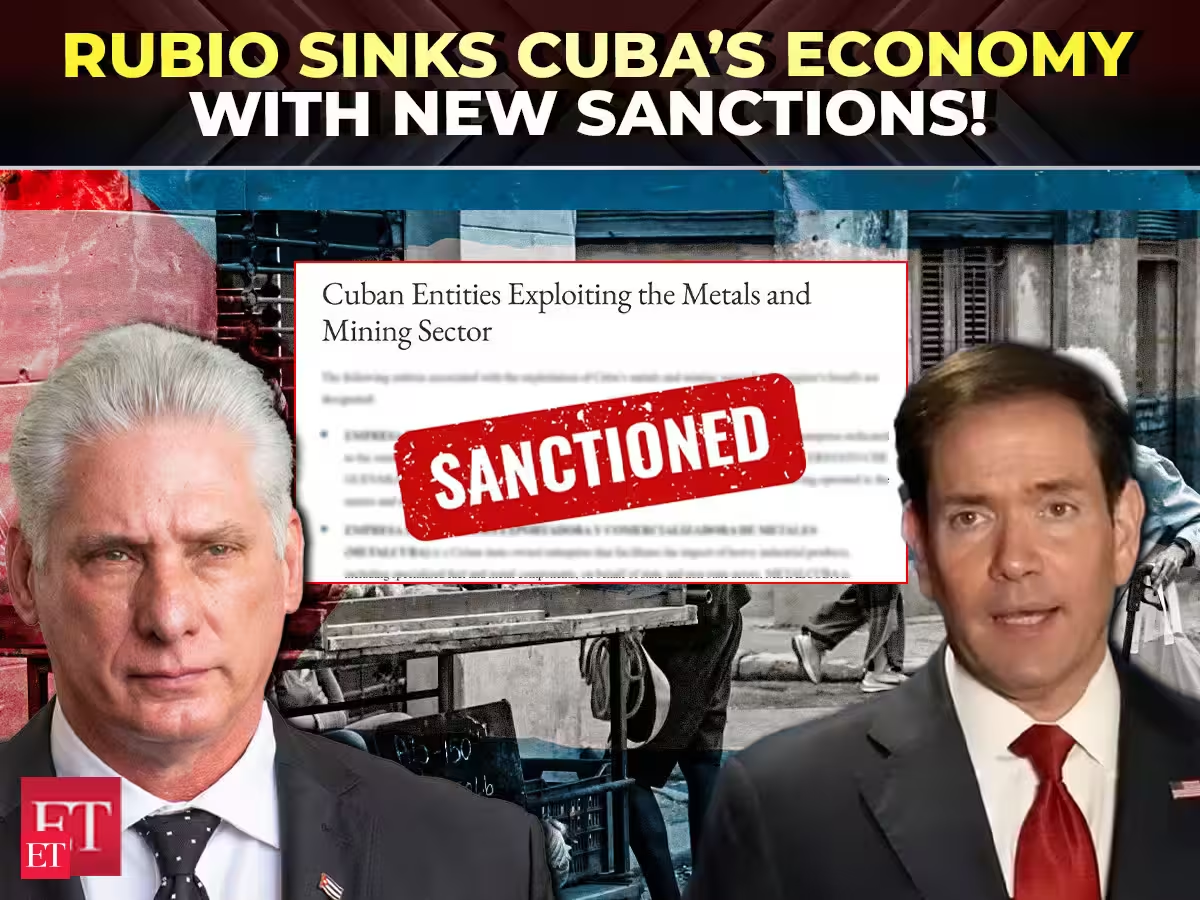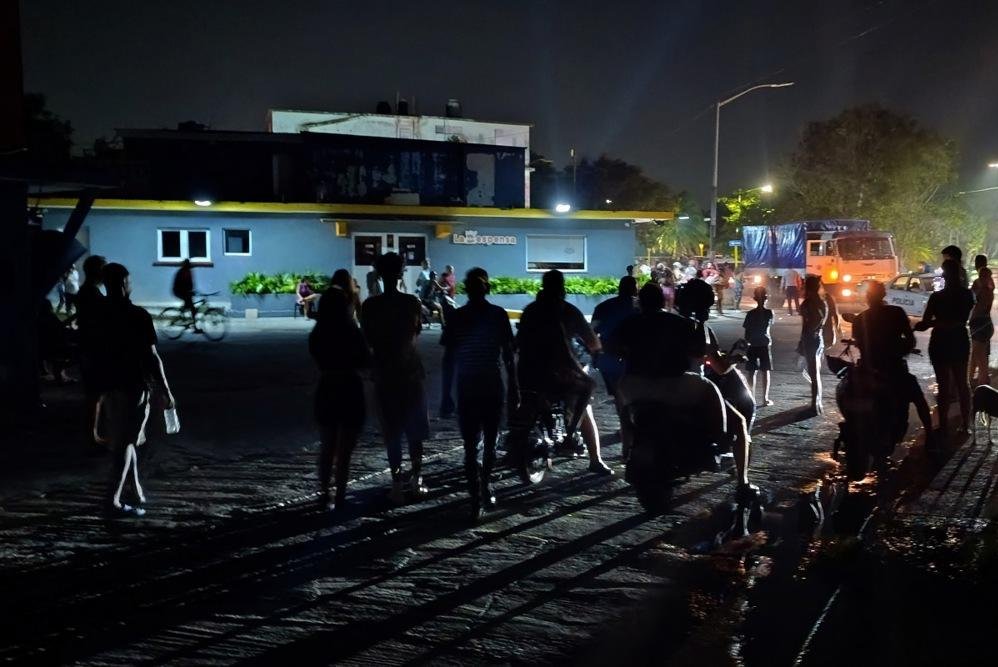
The Trump administration has significantly expanded its sanctions campaign against Cuba, signing Executive Order 14404 on May 1, 2026, and following it with a series of targeted designations that have effectively tightened the economic noose around the Cuban government and its military-linked enterprises.
The executive order gave the US new authority to impose blocking sanctions on foreign entities operating in Cuba’s key economic sectors, including energy, defense, and finance. More consequentially, it introduced secondary sanctions, meaning foreign financial institutions that conduct significant transactions with designated Cuban entities now risk being cut off from the US financial system themselves.
Who got hit and when
The rollout followed a deliberate sequencing. On January 29, 2026, the administration declared a national emergency over Cuba, which included provisions for potential tariffs on third countries supplying oil to the island. That declaration set the legal groundwork for everything that followed.
GAESA, the Cuban military’s sprawling commercial conglomerate that controls large portions of the island’s economy including tourism and retail, was designated on May 7, 2026. GAESA is not a fringe player: it functions as a kind of state-within-a-state, channeling hard currency to the Cuban armed forces while operating hotels, import companies, and financial services that ordinary Cubans depend on daily.