The US just turned up the pressure on Cuba. Again. President Trump signed Executive Order 14404 on May 1, 2026, expanding the American sanctions regime against the island nation to include secondary sanction risks for foreign individuals and entities doing business with Cuba’s military and economy. A week later, on May 7, the State Department designated three parties under the new framework, including GAESA, the military-run conglomerate estimated to control somewhere between 40% and 70% of Cuba’s entire economy.
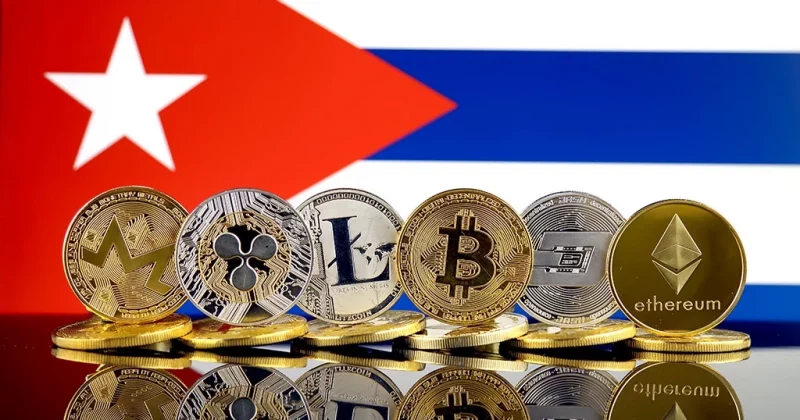
Here’s the thing: none of the new sanctions mention cryptocurrencies, blockchain protocols, or digital assets in any form. For a country that has spent the last five years building a regulatory framework around digital tokens specifically to survive financial isolation, that silence is deafening.
What the new sanctions actually do
Executive Order 14404 marks a significant escalation in how the US approaches Cuba. Rather than simply maintaining the decades-old embargo, the new framework introduces secondary sanctions — it’s not just about punishing Cuba anymore, it’s about punishing anyone else who deals with Cuba.
The approach mirrors strategies the US has deployed against Iran and Russia. Foreign financial institutions that maintain ties to Cuba’s designated entities now face the risk of being cut off from the American financial system.