Friday, June 5th 2026 - 23:12 UTC
The executive order, signed on May 1, also authorizes secondary sanctions against foreign companies and financial institutions that deal with key sectors of the Cuban economy
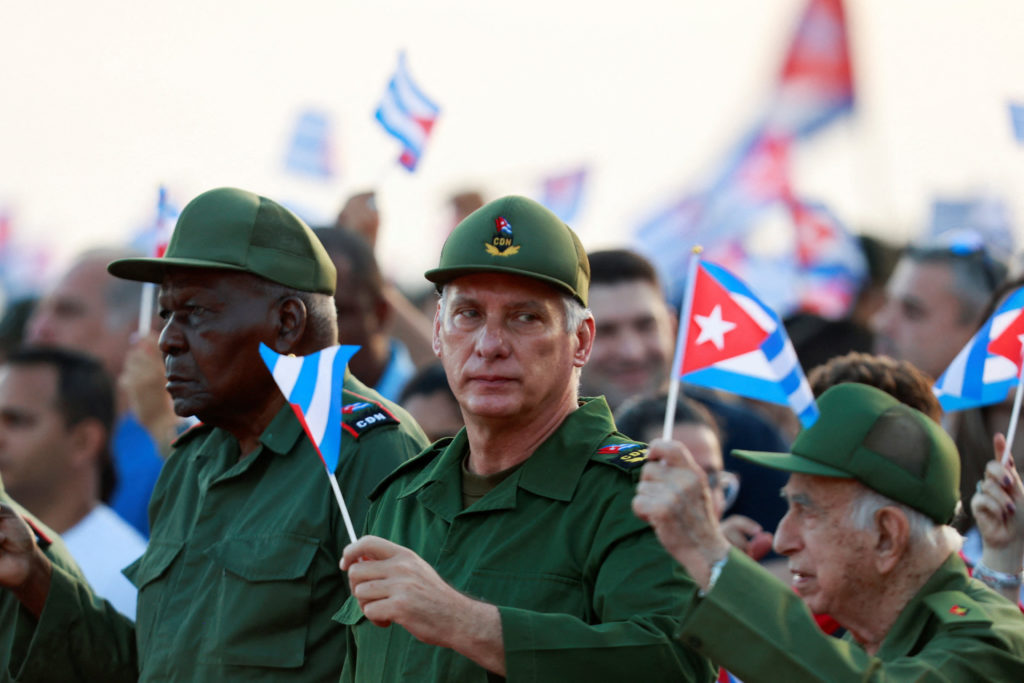
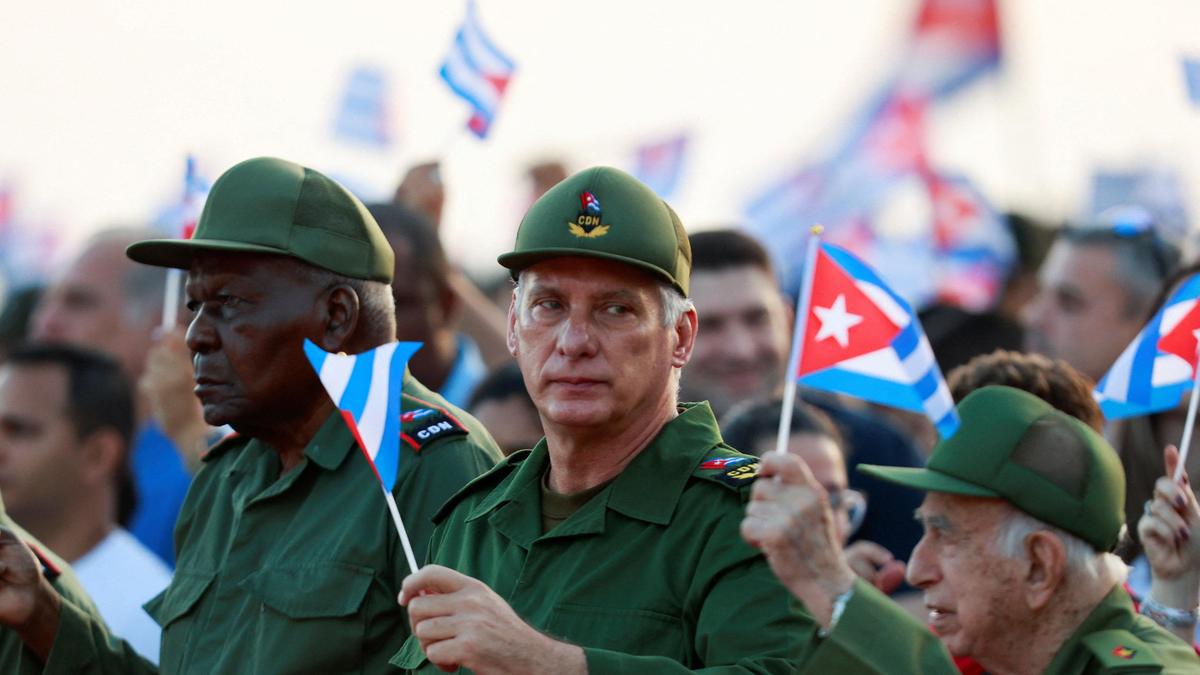
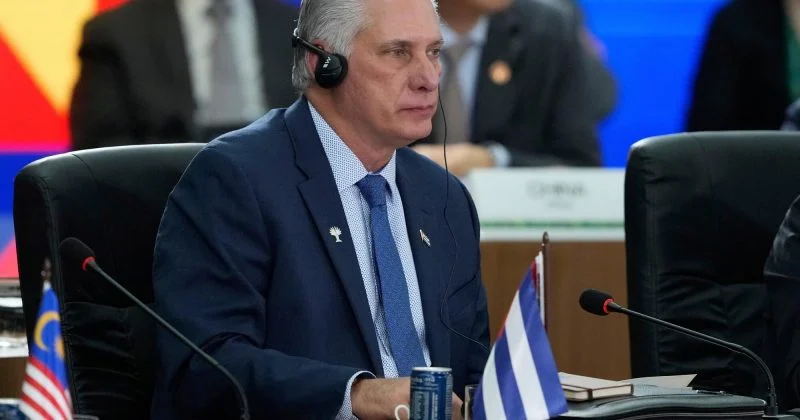
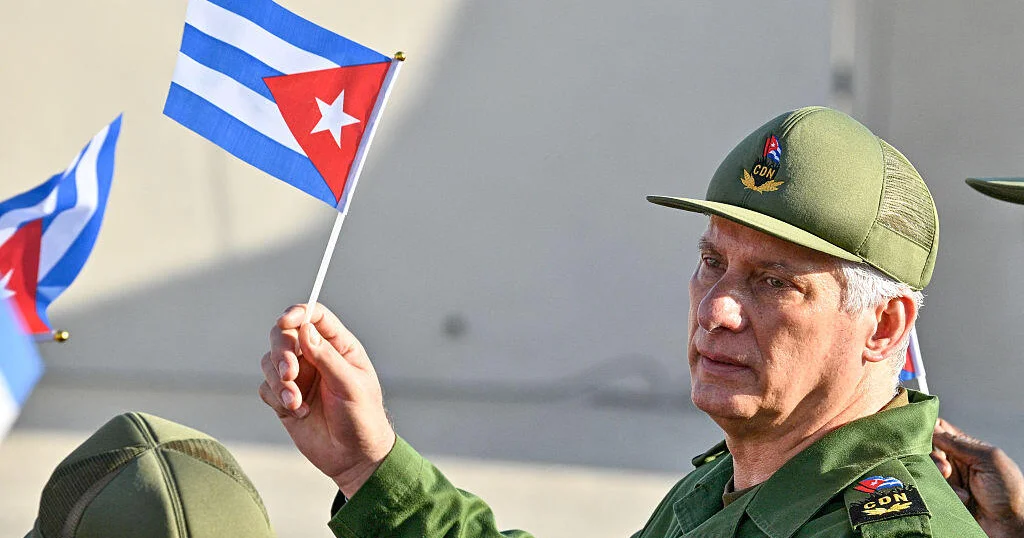
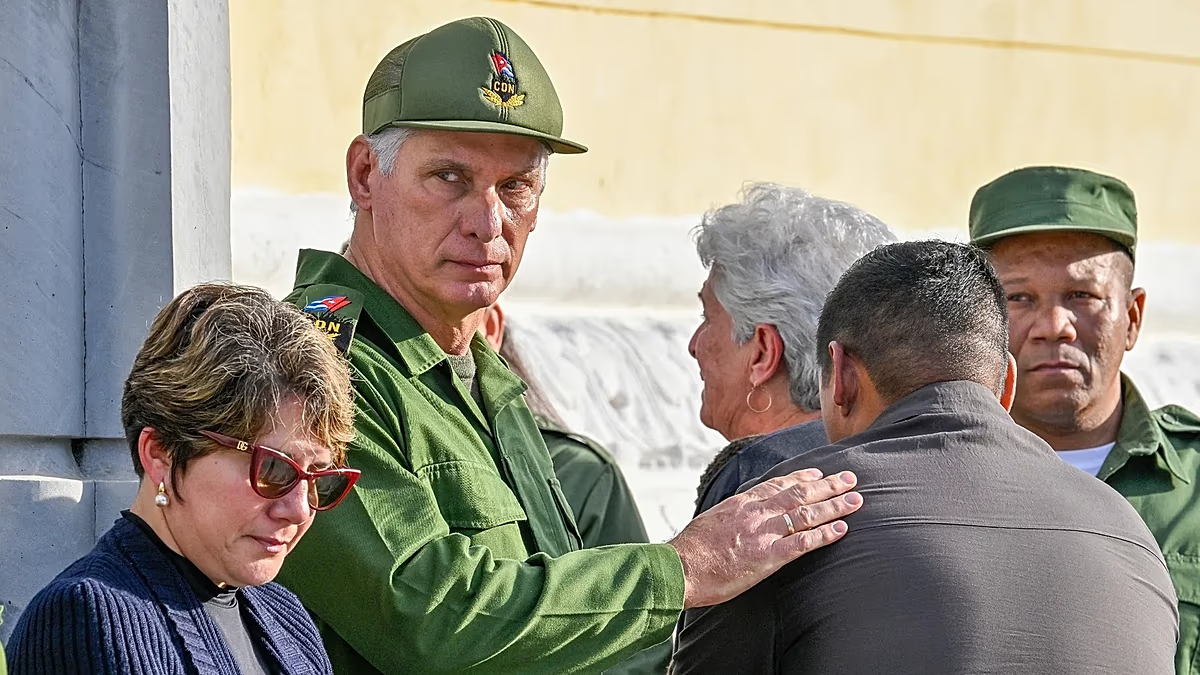
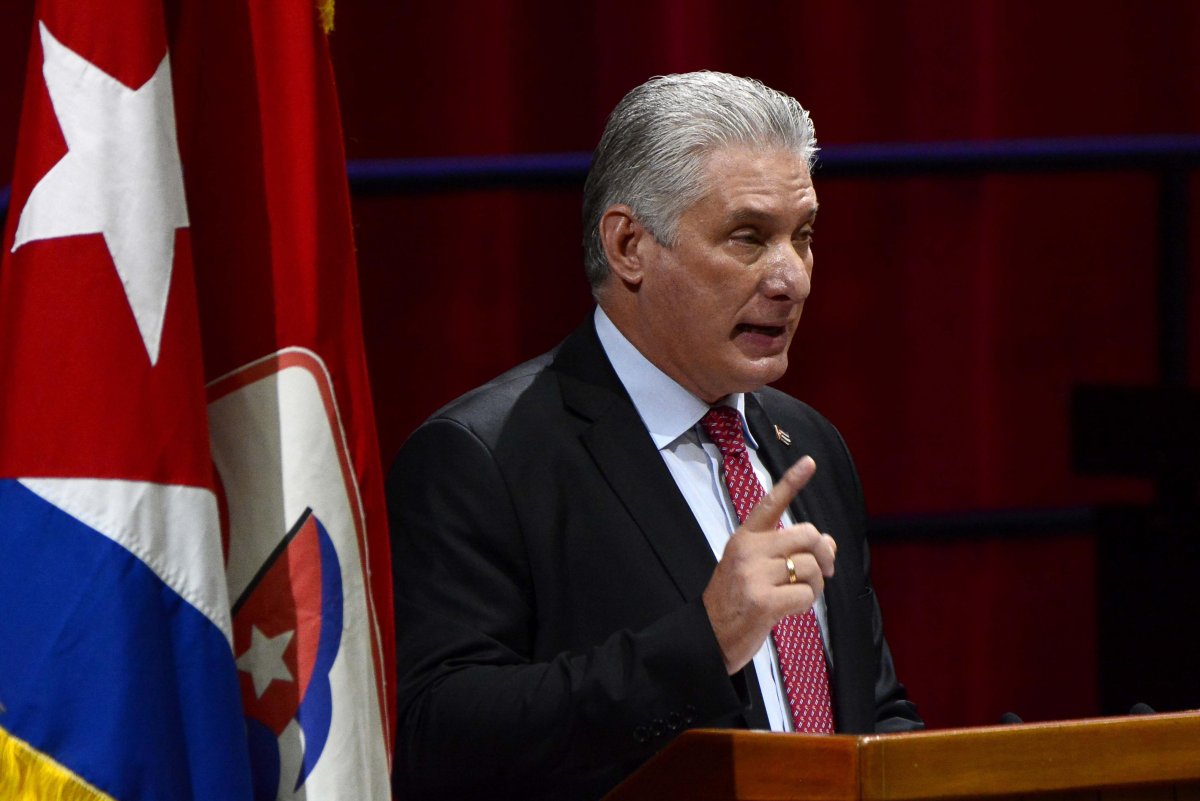
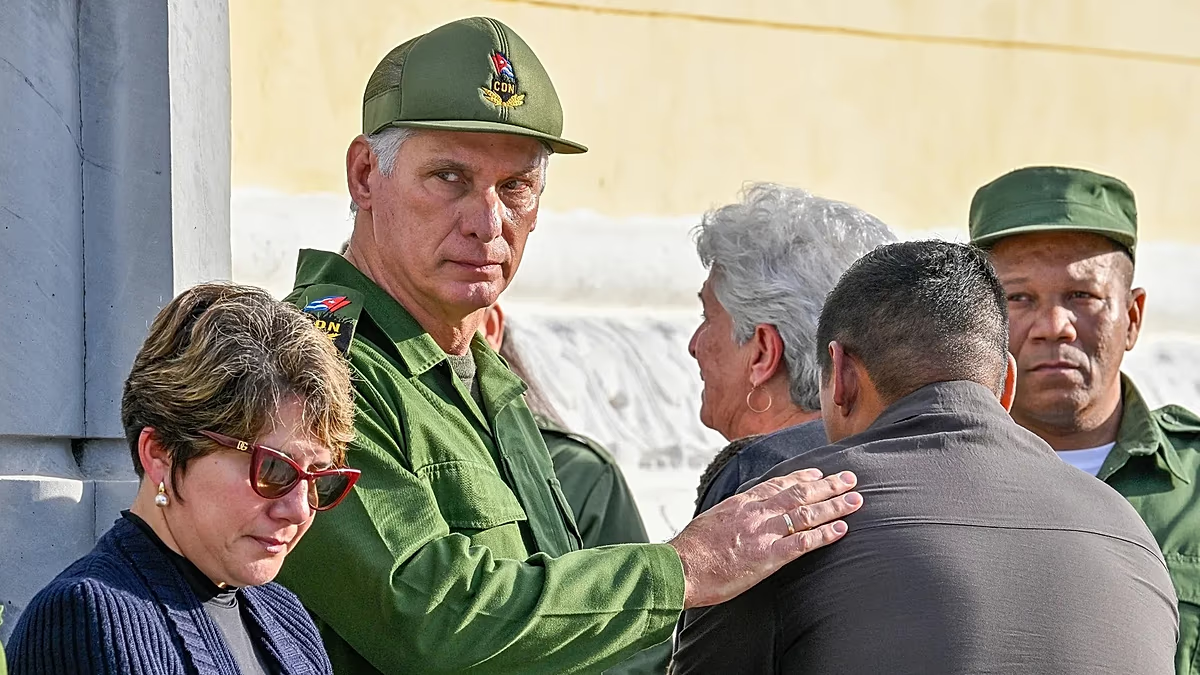
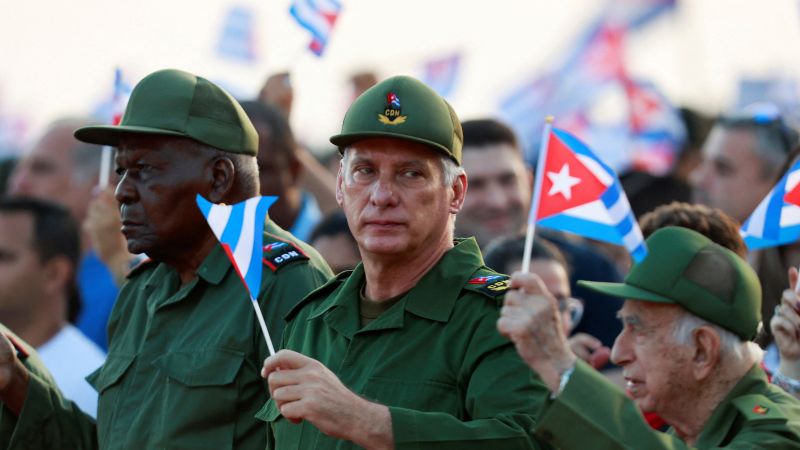
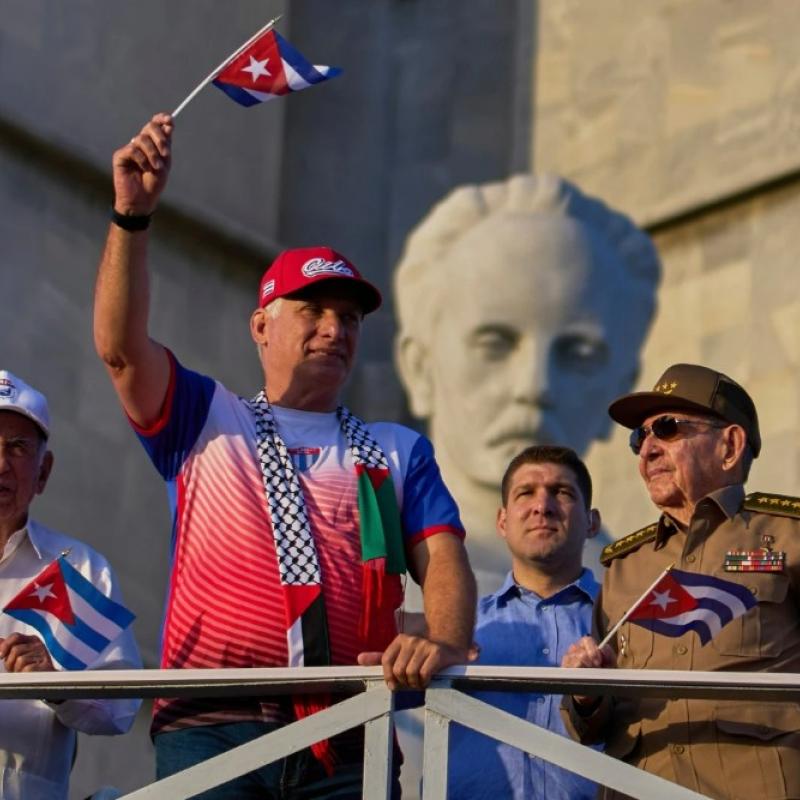
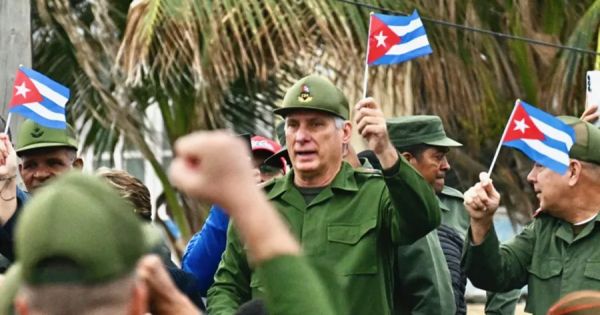
The United States sanctioned Cuban President Miguel Díaz-Canel and his closest circle on Thursday, in a fresh escalation of Washington's pressure on the island with the stated goal of forcing a change of regime after 67 years of communist government. Havana rejected the move at once.
The Treasury and State Departments added Díaz-Canel, his wife, Lis Cuesta Peraza, his stepson Manuel Anido Cuesta and Alejandro Castro Espín, son of former president Raúl Castro, along with entities such as the Ministry of the Revolutionary Armed Forces (MINFAR) and the Committees for the Defense of the Revolution, to their sanctions (SDN) list under Executive Order 14404. In all, five individuals and five entities were designated, in the third round of sanctions in less than a month. The measures freeze any assets the targets hold in the United States and bar US citizens from doing business with them.
The executive order, signed on May 1, also authorizes secondary sanctions against foreign companies and financial institutions that deal with key sectors of the Cuban economy. The deadline Washington set to sever ties with the military conglomerate GAESA, which controls about 40% of the economy, fell on Friday. “Foreign banks and other companies that provide services to these bodies must freeze their activities,” warned Secretary of State Marco Rubio. The threat has already had an effect: the Spanish hotel chains Iberostar and Meliá announced they would stop managing dozens of hotels linked to GAESA.