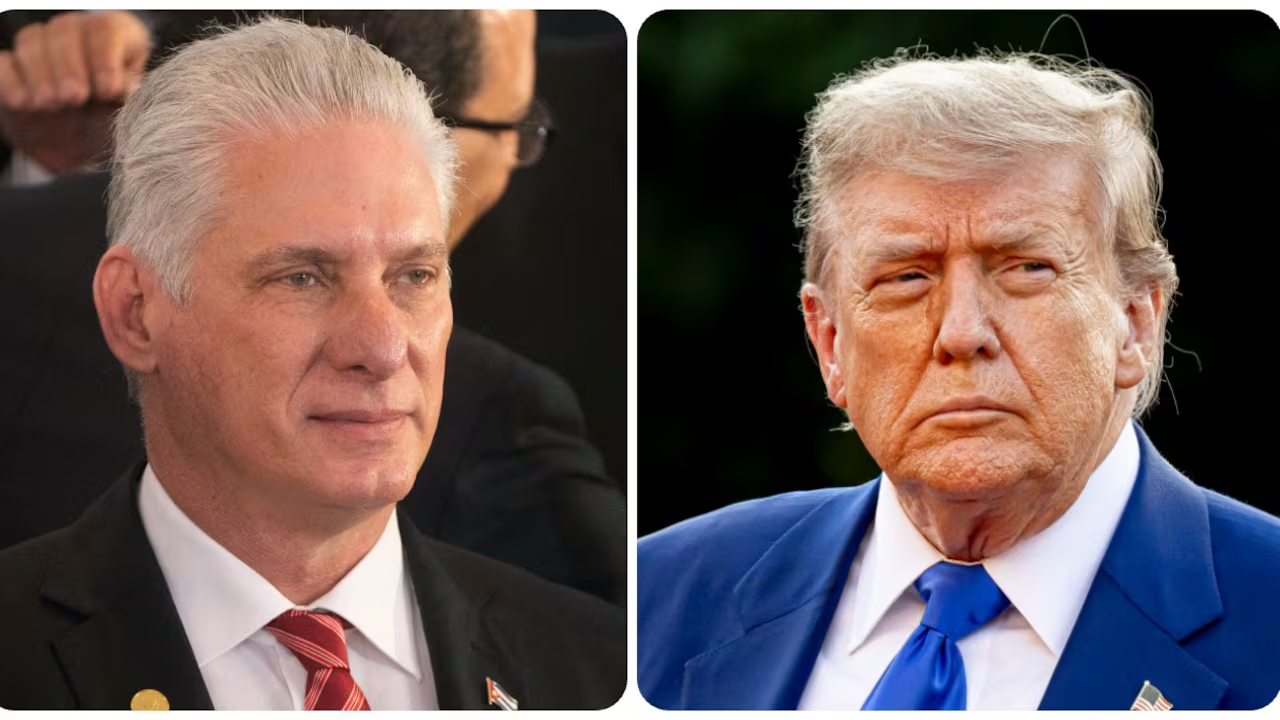
The US government just pulled one of the most consequential economic levers available against Cuba’s ruling apparatus. On May 7, 2026, the Treasury Department’s Office of Foreign Assets Control (OFAC) issued its first designations under Executive Order 14404, targeting GAESA, the military-run conglomerate that functions as the economic backbone of the Cuban state.
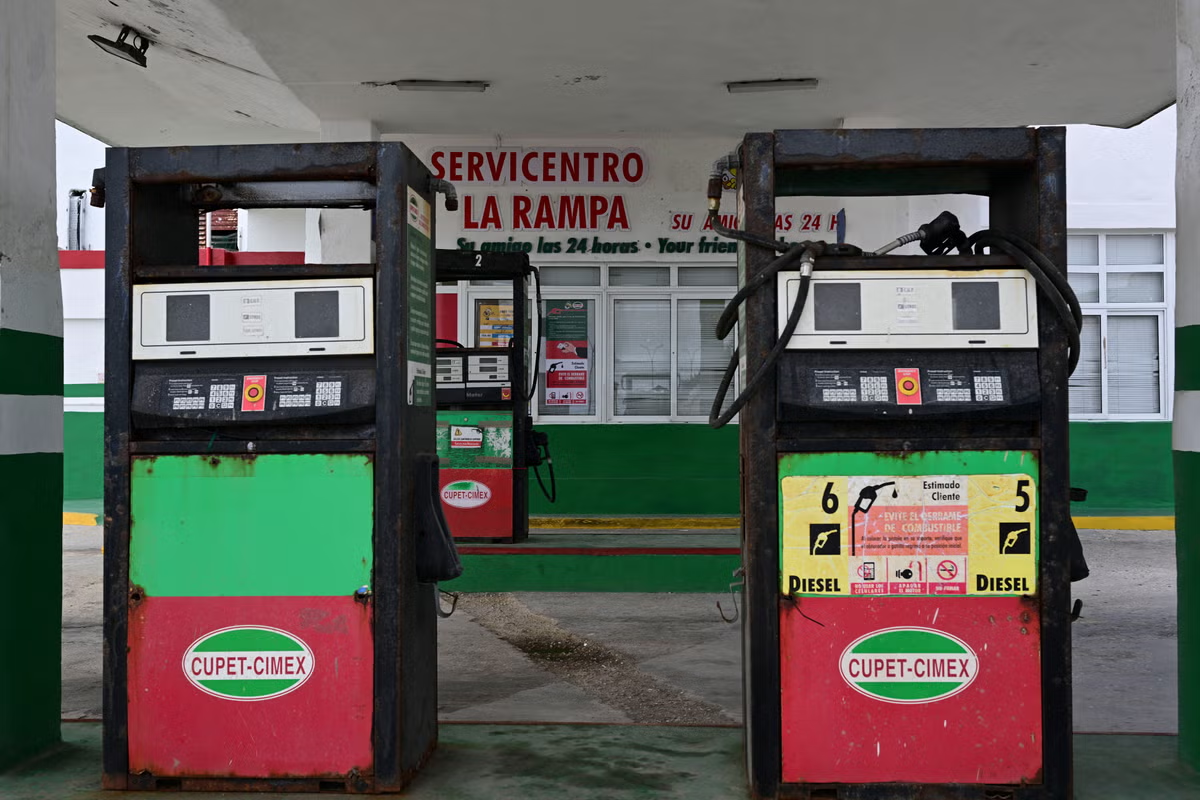
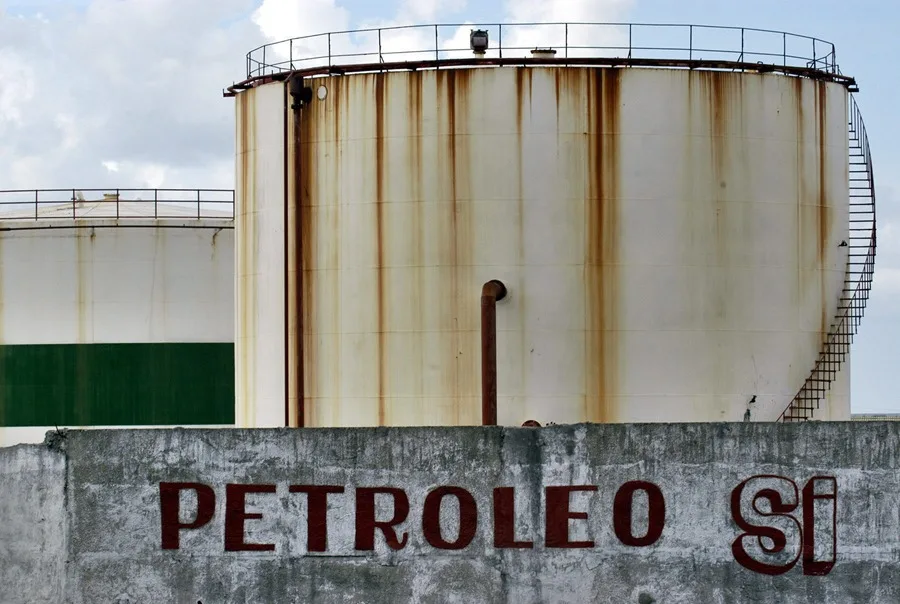
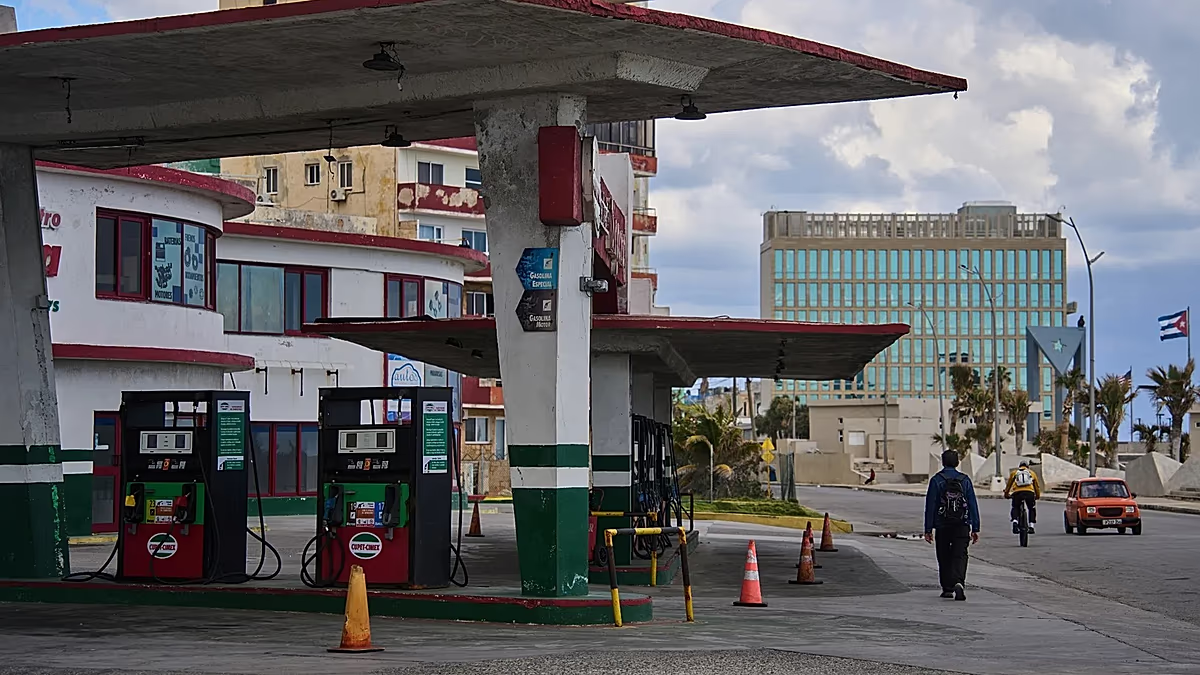
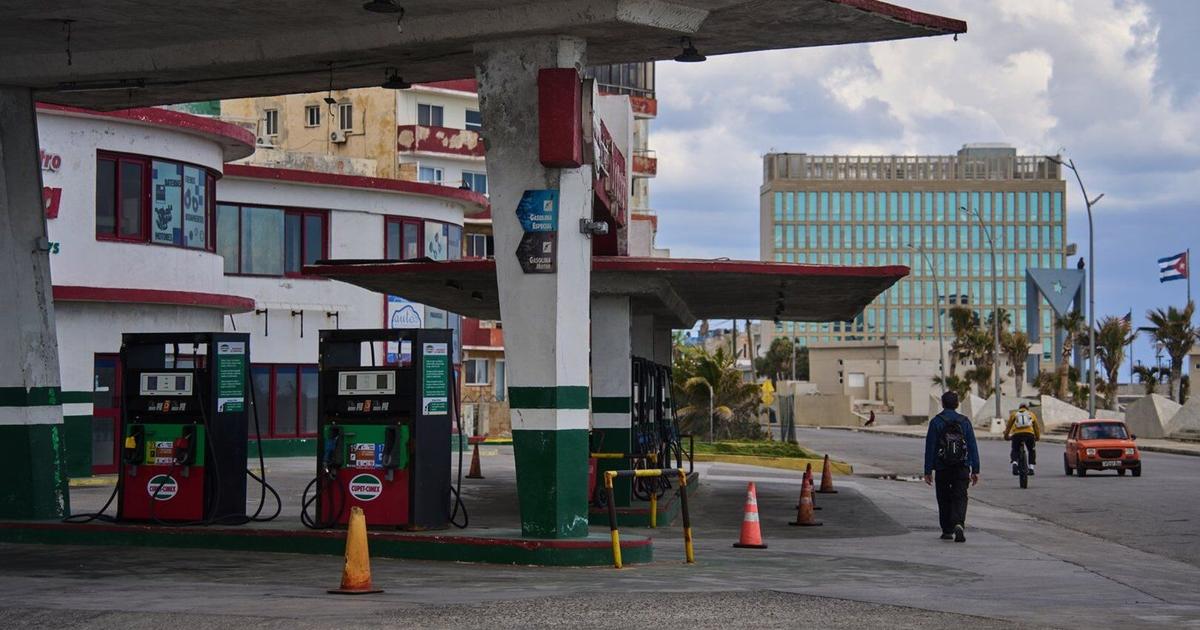
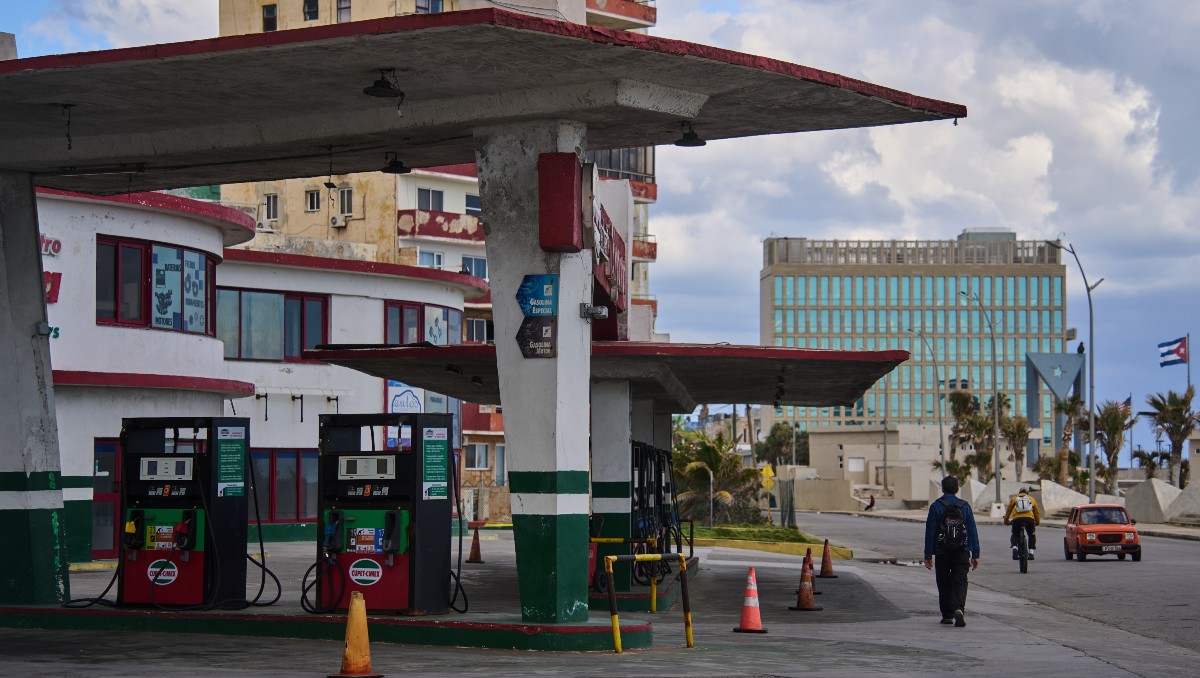
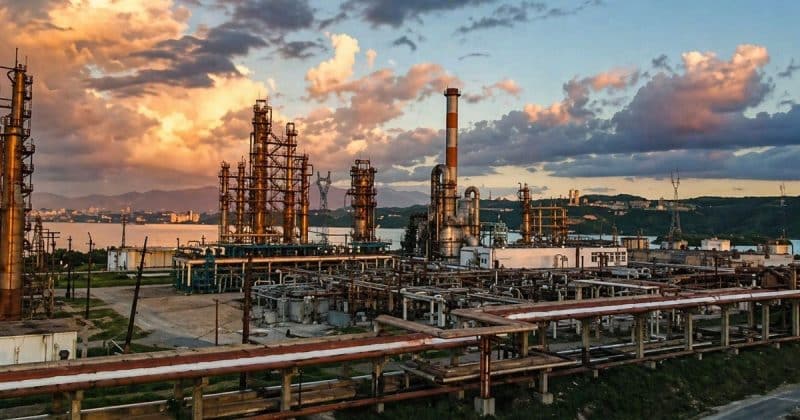
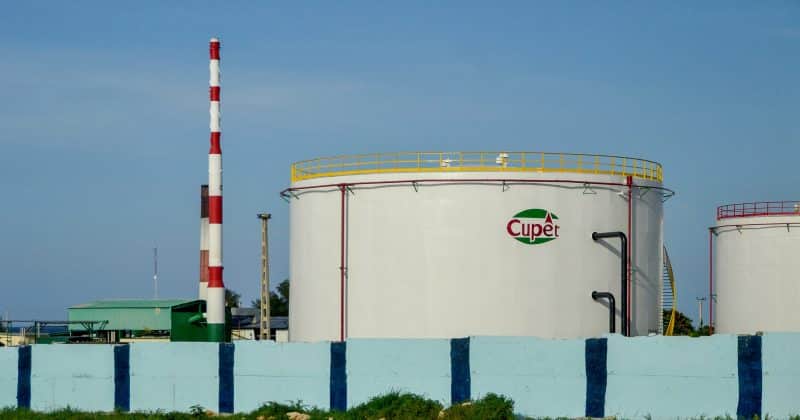
CUPET, Cuba’s state-owned oil company formally known as Unión Cuba-Petróleo, wasn’t explicitly named in the designation. But here’s the thing: it didn’t need to be. Because GAESA owns CUPET, the OFAC 50% rule kicks in automatically, meaning any entity majority-owned by a sanctioned party inherits those sanctions by default. In English: CUPET is now effectively frozen out of the international financial system without its name ever appearing on the list.
How the sanctions framework works
EO 14404 was signed by President Donald Trump on May 1, 2026. It builds on an earlier order, EO 14380, which Trump signed on January 29, 2026, declaring a national emergency regarding Cuba and introducing tariffs on countries exporting oil to the Cuban government.
The new order goes further. It authorizes blocking sanctions on foreign individuals and entities operating in sectors like energy, defense, metals, and financial services, specifically those providing support to Cuban authorities. Think of it as a secondary sanctions framework, similar in structure to measures the US has deployed against Russia and Iran under the International Emergency Economic Powers Act (IEEPA).