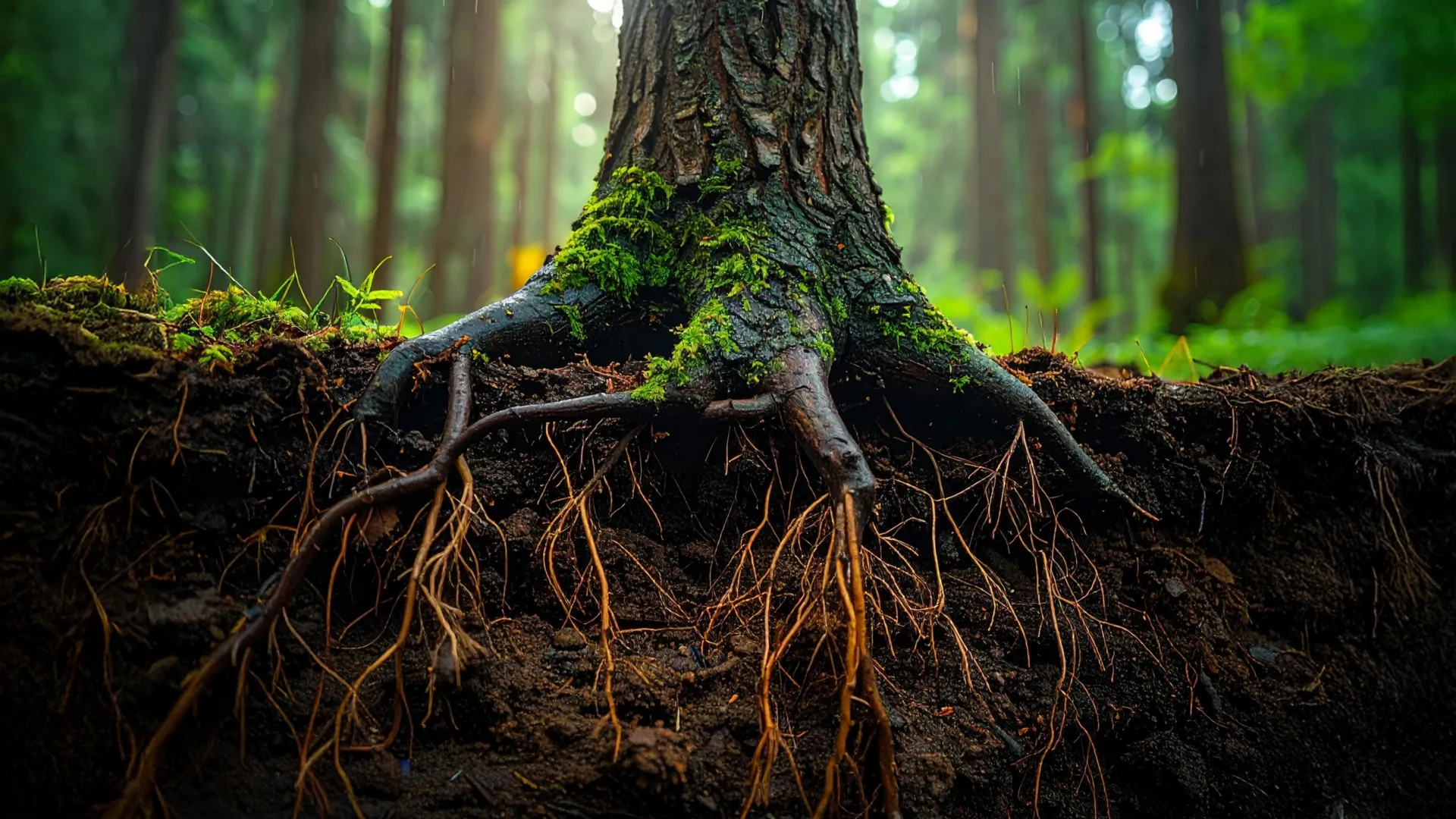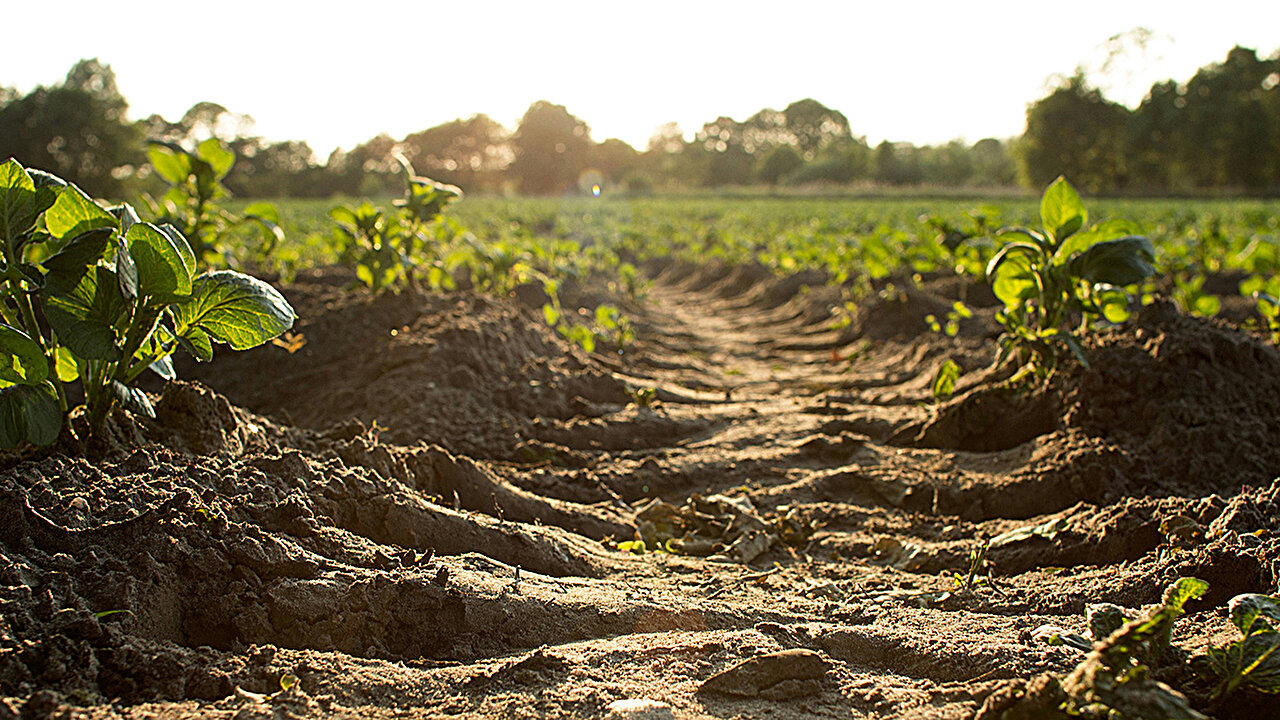
New research suggests that microbes in soils take up 40–45 gigatons of global methane every year, significantly higher than previous estimates. Credit: Dylan de Jonge/Unsplash
Methane-munching microbes in soil might be more important than previously thought, a new study finds. Soil is an important carbon sink, and scientists are still learning much about the diversity of its microbial communities. They're being uncovered from Arctic soils to desert sands, and some of them are sucking down methane—a greenhouse gas about 27–30 times more potent than carbon dioxide over 100 years.
Soil methanotrophs are organisms capable of biologically removing methane from the atmosphere. Current estimates vary widely, but soil methanotrophs may store an average of 28–35 gigatons of methane per year globally. And even that could be an underestimate, scientists suspect.
Previous efforts to estimate the global biological methane source from wetlands and inland fresh waters primarily used process-based modeling, which focuses on biogeochemical processes, and atmospheric inversion modeling, which starts with methane concentrations in the atmosphere and works backward to determine emission sources.
But estimates from these two approaches tend to differ. The bottom-up, process-based estimates of methane emissions from wetlands and inland fresh waters were higher than the top-down, atmosphere-based estimates. A larger soil sink could help offset some of these discrepancies, bringing net bottom-up estimates closer to those inferred from the atmosphere.